
Generator Installation in Portland, OR
When Portland's Ice Storms Hit, Your House Stays On

Hear from Our Customers
Whole House Generator Portland, OR
The February 2021 ice storm left over 350,000 Portland customers without power—some for nearly a week. PGE’s own CEO called it the worst grid damage in 40 years. That wasn’t a once-in-a-generation event. The January 2024 storm knocked out 200,000 more. A 2025 storm took out another 94,000.
If you live in Sellwood, Irvington, Hawthorne, or Kenton, you already know what happens when ice loads up the trees and branches start coming down on the lines.
A standby generator changes the math entirely. When the grid drops, the unit detects it and starts automatically—within seconds, no manual setup, no extension cords, no going outside in the dark. Your heat stays on. Your food stays cold. If you work from home, your internet and your workday keep going while your neighbors scramble for candles.
Portland now faces a second category of outage that didn’t exist a decade ago. Portland General Electric holds permanent authority under Oregon PUC rules to intentionally cut power during high-wind and high-fire-danger conditions—Public Safety Power Shutoffs. That means even on a clear summer day, the grid can go dark by design.
A whole house generator installed by Young Electric LLC is the one solution that covers both: the storm that knocks the lines down and the utility that cuts them on purpose.

Ready to get started?
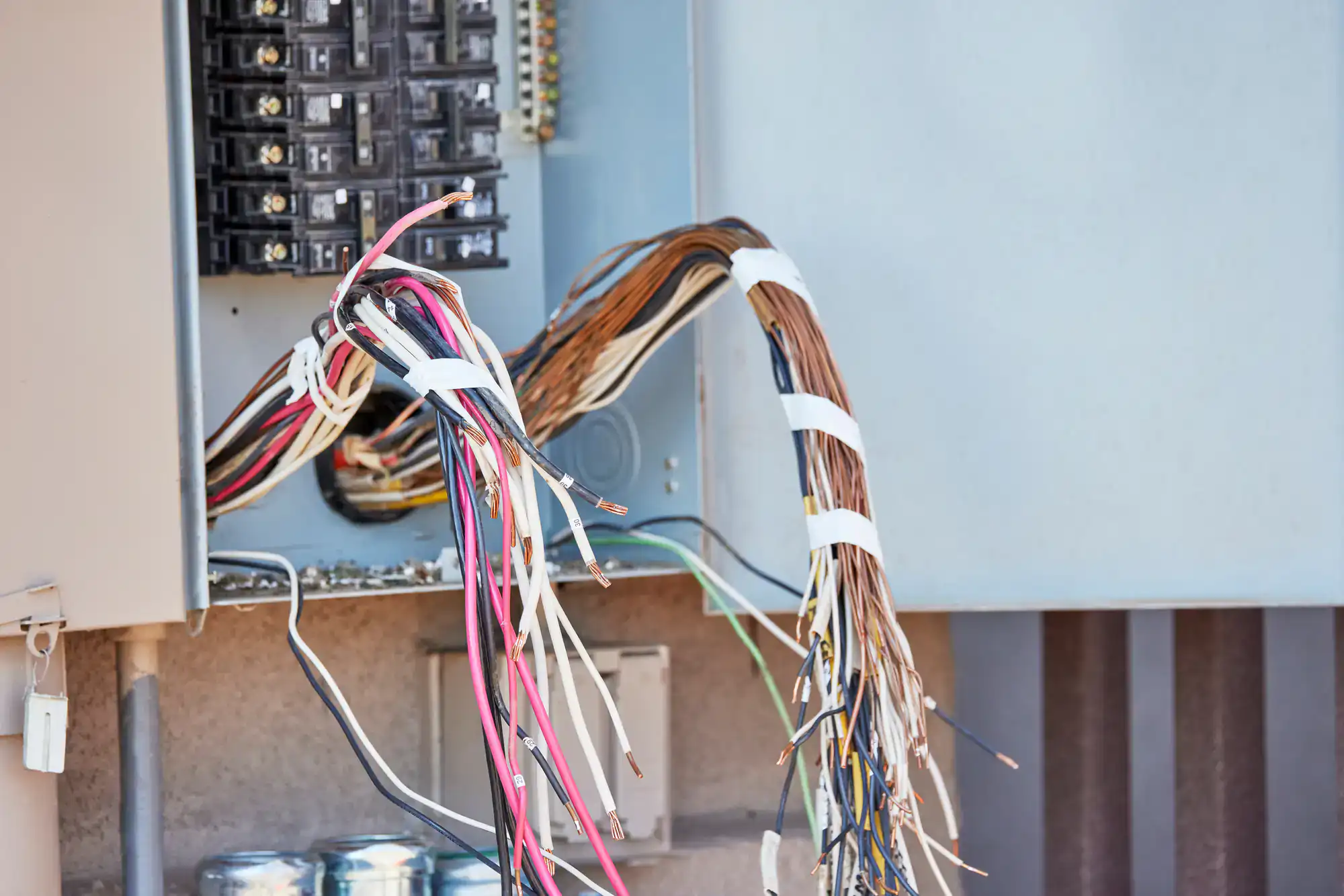
Home Generator Installation Portland, OR
We’re a second-generation, veteran-owned electrical contractor based in Clackamas—minutes from Portland’s southeast edge along I-205. We’ve been serving the Portland Metro area since 2007, and our team brings over four decades of combined electrical experience to every job.
That history matters when you’re dealing with Portland’s older housing stock. A lot of homes in Laurelhurst, Hawthorne, and Kenton were built in the 1920s and 1930s—and their electrical systems weren’t designed for modern loads, let alone a standby generator. We assess your panel alongside the generator conversation, so nothing gets missed and nothing surprises you mid-project.
Every installation we complete is backed by a five-year warranty—which is above what most local contractors offer. We’re licensed, bonded, and insured, and we answer the phone personally. If you’ve dealt with contractors who go quiet after the estimate, that’s not the experience here.
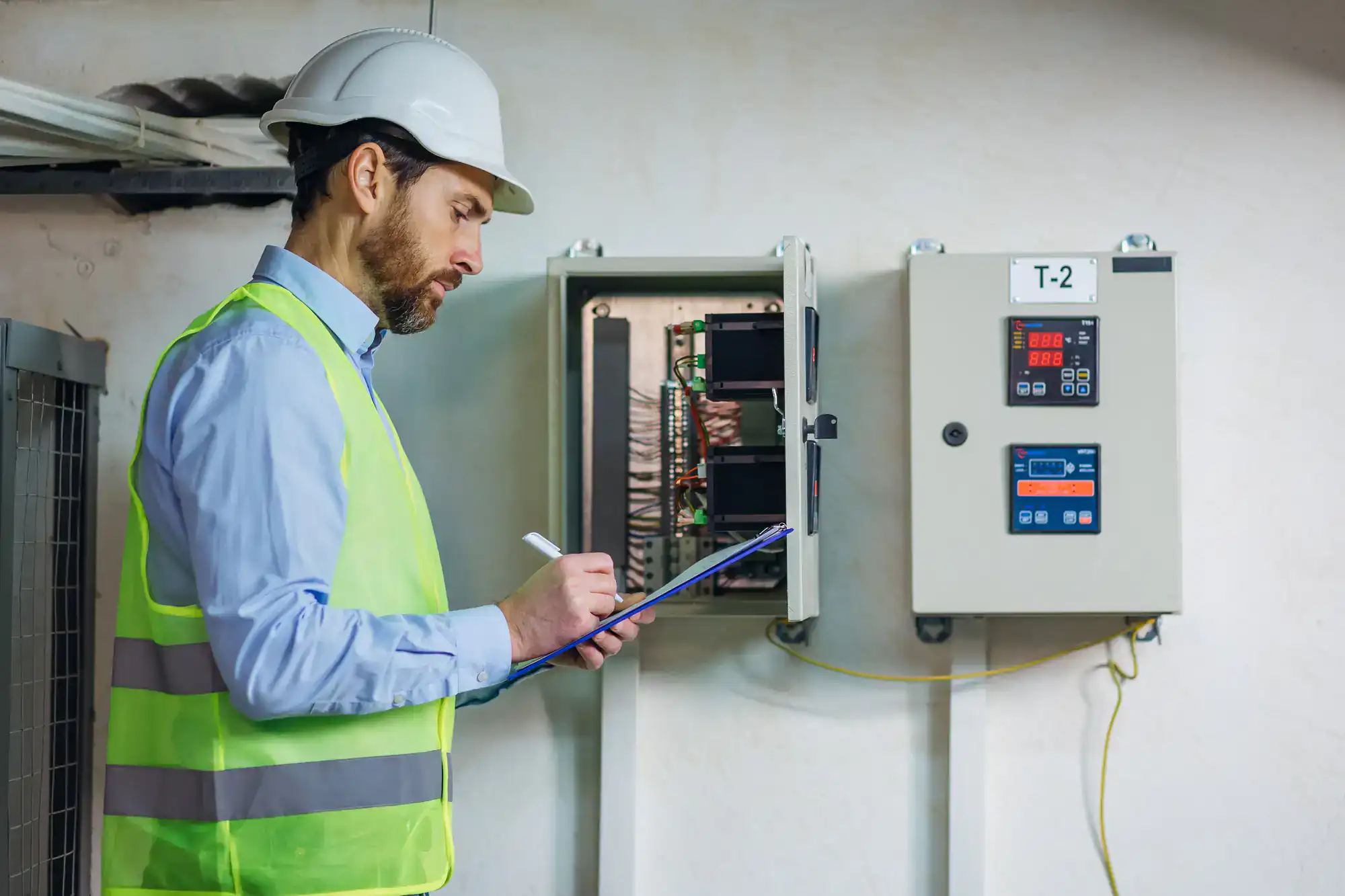
Backup Generator Installation Portland, OR
It starts with a site assessment. We look at your home’s electrical panel, your load requirements, and where the generator will be placed on your property. For older Portland homes—especially in neighborhoods like Sellwood-Moreland, Irvington, or St. Johns—this step often surfaces panel questions that need to be addressed before the generator goes in. Better to know that upfront than discover it on installation day.
From there, the permitting process begins. Portland requires building, electrical, fire, plumbing, and mechanical permits through Portland Permitting and Development—more than most Oregon cities. A site plan gets prepared showing the generator’s location, setbacks, and enclosure. We handle all of it. You don’t have to navigate PP&D, chase inspectors, or figure out Portland’s fuel-type restrictions on your own.
Once permits are approved, the physical installation typically takes one day. The generator gets set on a concrete pad or prepared base, the transfer switch goes in, fuel line connections are made, and the system is tested. The full process—from first call to completed inspection—takes several weeks, which is why starting before storm season arrives matters. If you’re calling in November when the first ice storm hits, you’re likely waiting behind everyone else who waited too long.
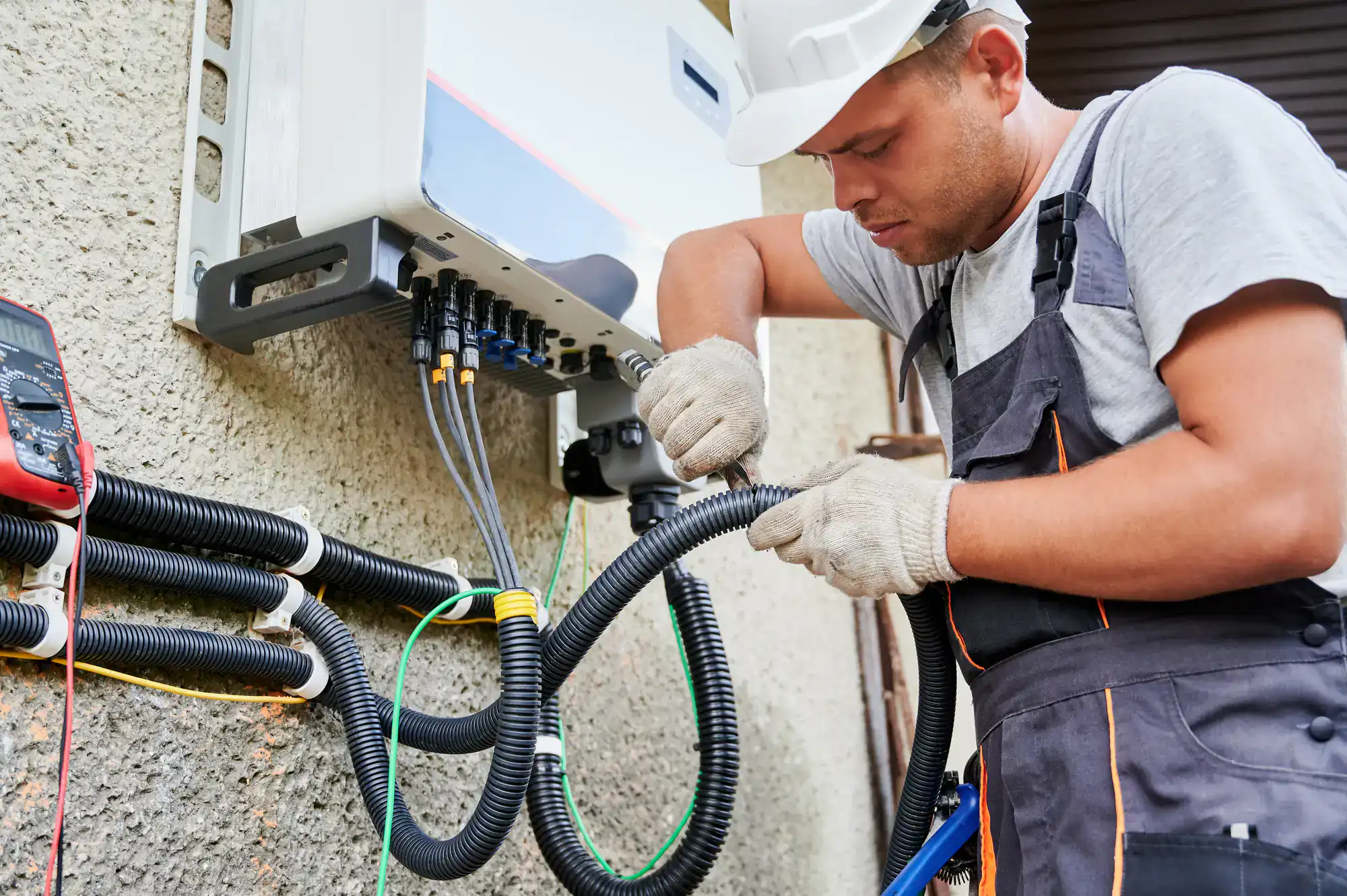
Emergency Generator Installation Portland, OR
We handle the full scope of generator installation for Portland homeowners—residential standby units, portable generator setups, and commercial backup systems. We work with all generator sizes and types, and we help you figure out the right fit for your home before anything gets ordered.
Sizing is where a lot of installers cut corners. A proper load calculation looks at what your home actually draws—your heating system, refrigerator, medical equipment, home office setup, and anything else you need running during an outage. For Portland homeowners with CPAP machines, oxygen concentrators, or home-based work setups, getting that calculation right isn’t optional. We do the math before recommending a unit, not after.
The transfer switch installation is included as part of every standby generator project. Oregon law requires a code-compliant transfer switch to prevent back-feeding onto PGE’s lines—and Portland’s classification of all standby installations as Level I under NFPA 110 means the safety standard is the highest category. Every installation we complete is permitted, inspected, and code-compliant. If a contractor ever suggests skipping the permit process in Portland, that’s a signal to walk away—unpermitted installations create real liability and can void your equipment warranty.
What permits are actually required for generator installation in Portland, OR?
Portland has one of the more involved permitting processes for generator installation in Oregon. You’ll need building, electrical, fire, plumbing, and mechanical permits—all through Portland Permitting and Development. A site plan has to be submitted showing the generator’s placement, its distance from property lines and structures, and the enclosure details. This isn’t something you figure out as you go.
We handle the entire permitting process as a standard part of every installation. We’re familiar with PP&D’s requirements, Portland’s fuel-type restrictions, and the city’s classification of standby generator systems as Level I under NFPA 110. If you’ve heard from another contractor that permits aren’t necessary or can be skipped, that’s not accurate—an unpermitted installation in Portland creates real liability, can void your equipment warranty, and will need to be retroactively permitted if it’s ever discovered. Start with the right process from the beginning.
How long does a whole house generator installation take from start to finish?
The physical installation—setting the generator, connecting the transfer switch, running the fuel line, and testing the system—typically takes one day, usually four to eight hours. But the full process from your first call to a completed, inspected installation takes several weeks. That timeline includes the site assessment, permit applications through Portland Permitting and Development, any gas line coordination, and scheduling the final inspection.
This is the part most Portland homeowners don’t expect, and it’s why timing matters. If you’re calling after the first ice storm of the season, you’re competing with every other Portland homeowner who had the same thought at the same time. Installer availability tightens, permit processing slows, and the window to be protected before the next storm gets smaller. The better approach is to start the conversation in late summer or early fall—before storm season puts everyone in line at once.
Can a standby generator be installed in an older Portland home with an aging panel?
Yes, but the panel situation needs to be assessed before anything else happens. A lot of Portland’s most desirable neighborhoods—Hawthorne, Sellwood-Moreland, Irvington, Laurelhurst, Kenton—are lined with homes built in the 1920s and 1930s. Many of them still have 60-amp or 100-amp service, Federal Pacific or Zinsco panels, or branch circuits that weren’t designed for modern electrical loads. Adding a standby generator to a panel that’s already at its limit isn’t just a code issue—it can create real safety problems.
We look at the full picture during the site assessment. If the panel needs to be upgraded before the generator goes in, we handle both—which is actually more efficient than hiring two separate contractors and coordinating the work yourself. For Portland homeowners who’ve been putting off the panel question, the generator conversation is often the right time to solve both at once.
What's the difference between a standby generator and a portable generator for my Portland home?
A portable generator requires you to manually set it up, connect it with extension cords, and keep fuel stored and on hand. During a Portland ice storm—when it’s 28 degrees, the driveway is a sheet of ice, and the power went out at 3 a.m.—that manual process is a real problem. Portable units also can’t power your whole house, they pose carbon monoxide risks if used improperly, and they don’t start on their own.
A standby generator is permanently installed outside your home, connected to your electrical panel through a transfer switch, and runs on natural gas or propane from your existing supply line. When the grid drops, it detects the outage and starts automatically within seconds—whether you’re home or not, whether it’s the middle of the night or not. For Portland homeowners who also face the possibility of a Public Safety Power Shutoff from PGE during wildfire season, the automatic response of a standby unit is the only option that covers every scenario without you having to do anything.
Is a whole house generator actually worth the cost for a Portland homeowner?
That depends on what you’re weighing it against. The 2024 national average was 11 hours without power per household—the worst figure in over a decade. Portland’s track record runs well beyond that average when ice storms hit. A week without power in February means spoiled groceries, hotel costs if your home gets too cold, potential pipe damage, and lost workdays if you work from home. For households with medical equipment like CPAP machines or oxygen concentrators, it’s not just inconvenient—it’s a health risk.
On the investment side, a standby generator adds 3 to 5 percent to your home’s value. On a Portland home at the city’s median sale price, that’s roughly $15,000 to $25,000 in added resale value—before you count a single hour of protection the system provides. In higher-value neighborhoods like Laurelhurst, where median home prices run between $875,000 and $901,000, that figure climbs further. The generator also lasts 20 to 40 years with proper maintenance, which makes the math look very different than a one-time purchase.
Does Young Electric LLC serve my neighborhood in Portland for generator installation?
Young Electric LLC is based in Clackamas, just south of Portland along I-205—which puts us a short drive from Portland’s outer southeast neighborhoods and well within the Portland Metro service area we’ve been working in since 2007. We serve homeowners across Portland’s neighborhoods, including Sellwood-Moreland, Irvington, Hawthorne, Laurelhurst, Kenton, St. Johns, the Alberta Arts District, Pearl District, and the outer east neighborhoods like Powellhurst-Gilbert and Centennial.
If you’re not sure whether your specific address falls within our service area, the easiest thing to do is call or send an email—we answer the phone personally and can confirm quickly. For Portland homeowners in Multnomah County, the combination of our Clackamas base, our familiarity with Portland General Electric’s service territory, and our experience navigating Portland Permitting and Development makes us a straightforward choice for a project that involves a lot of moving parts.
Useful Links