
Generator Installation in Beaverton, OR
When PGE Goes Down, Your Beaverton Home Keeps Running
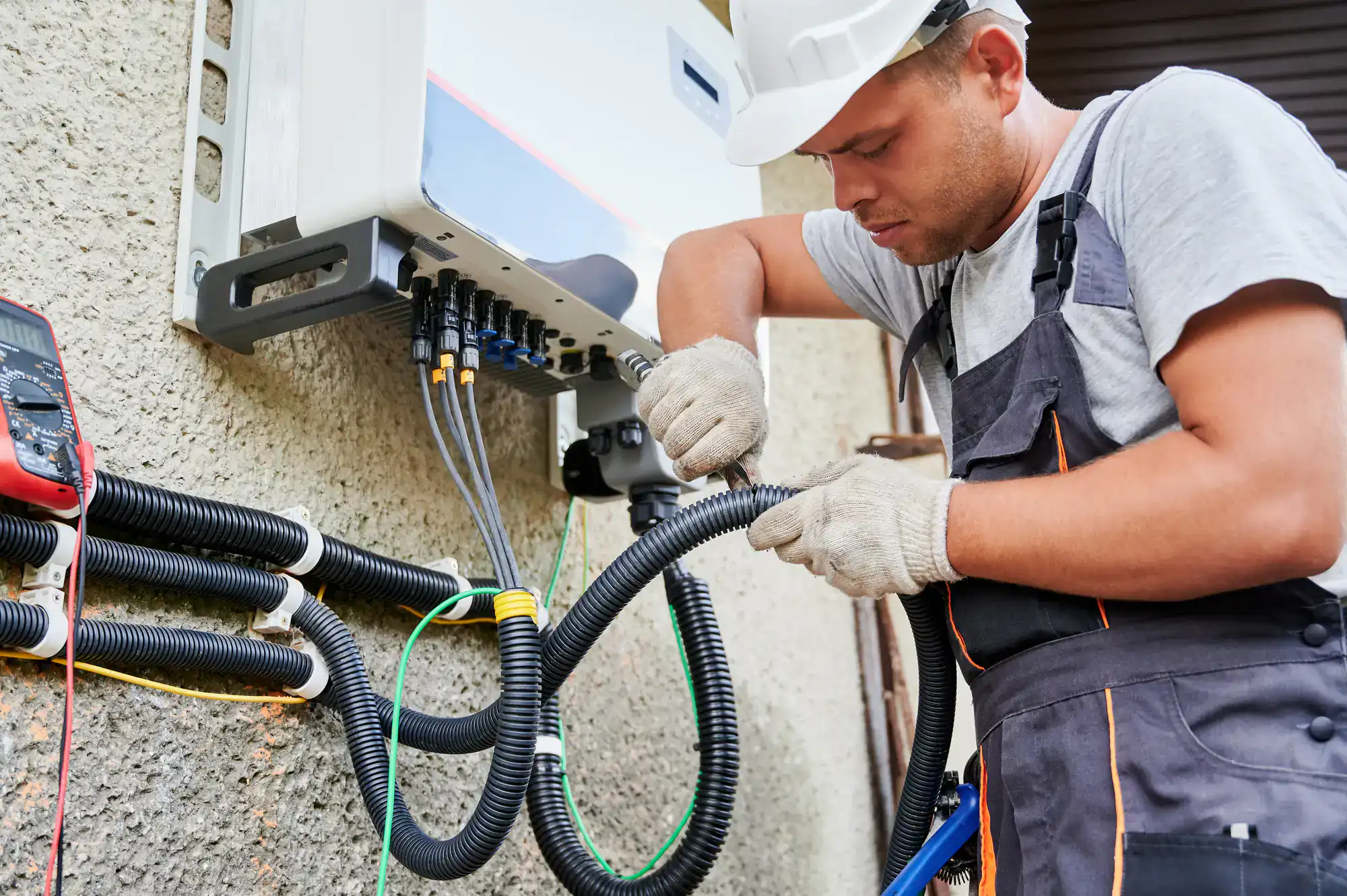
Hear from Our Customers
Whole House Generator in Beaverton, OR
The January 2024 winter storm knocked out power for 440,000 PGE customers across the service area. Some Beaverton residents were without power for days. The February 2021 ice storm stretched even longer — restoration didn’t wrap up until March 1st for parts of the region.
If you’ve been through one of those stretches, you already know what it costs: food loss, lost work time, and the stress of not knowing when power will return. A standby generator in Beaverton means you don’t experience that again.
For Beaverton households where someone works from home — and there are plenty, given the Nike, Tektronix, and Silicon Forest workforce in Washington County — an outage isn’t just an inconvenience. It’s a missed deadline, a dropped call, or a lost workday. A whole house generator keeps your home office running, your internet up, and your schedule intact when the neighborhood goes dark.
Older homes in Cedar Hills, Five Oaks, or West Beaverton — neighborhoods with housing stock from the 1950s and 1960s — sometimes have electrical panels that need evaluation before a standby system can connect properly. Getting that assessment done early means no surprises once equipment is on order.

Ready to get started?

Licensed Generator Installer in Beaverton, OR
We’re a veteran-owned, second-generation electrical contracting company that has been serving the Portland Metro — including Beaverton — since 2007. That’s nearly two decades of working in this region, learning its permit processes, its building stock, and its grid conditions. Beaverton isn’t a stretch market for us — it’s a named, established service area.
What sets us apart isn’t a tagline. It’s the five-year warranty we back every installation with — well above the one-year labor warranty most local electrical contractors offer. It’s the fact that we answer the phone personally, walk you through the process in plain language, and handle all permitting as part of the standard job. No corners cut, no permits skipped.
With over four decades of combined experience across residential, commercial, and industrial electrical work, our team has seen the full range of what homes in the Portland Metro throw at an installer — from unusual panel configurations in older Cedar Hills ranches to newer construction in Murrayhill and Progress Ridge. That depth of experience is what makes an installation go right the first time.
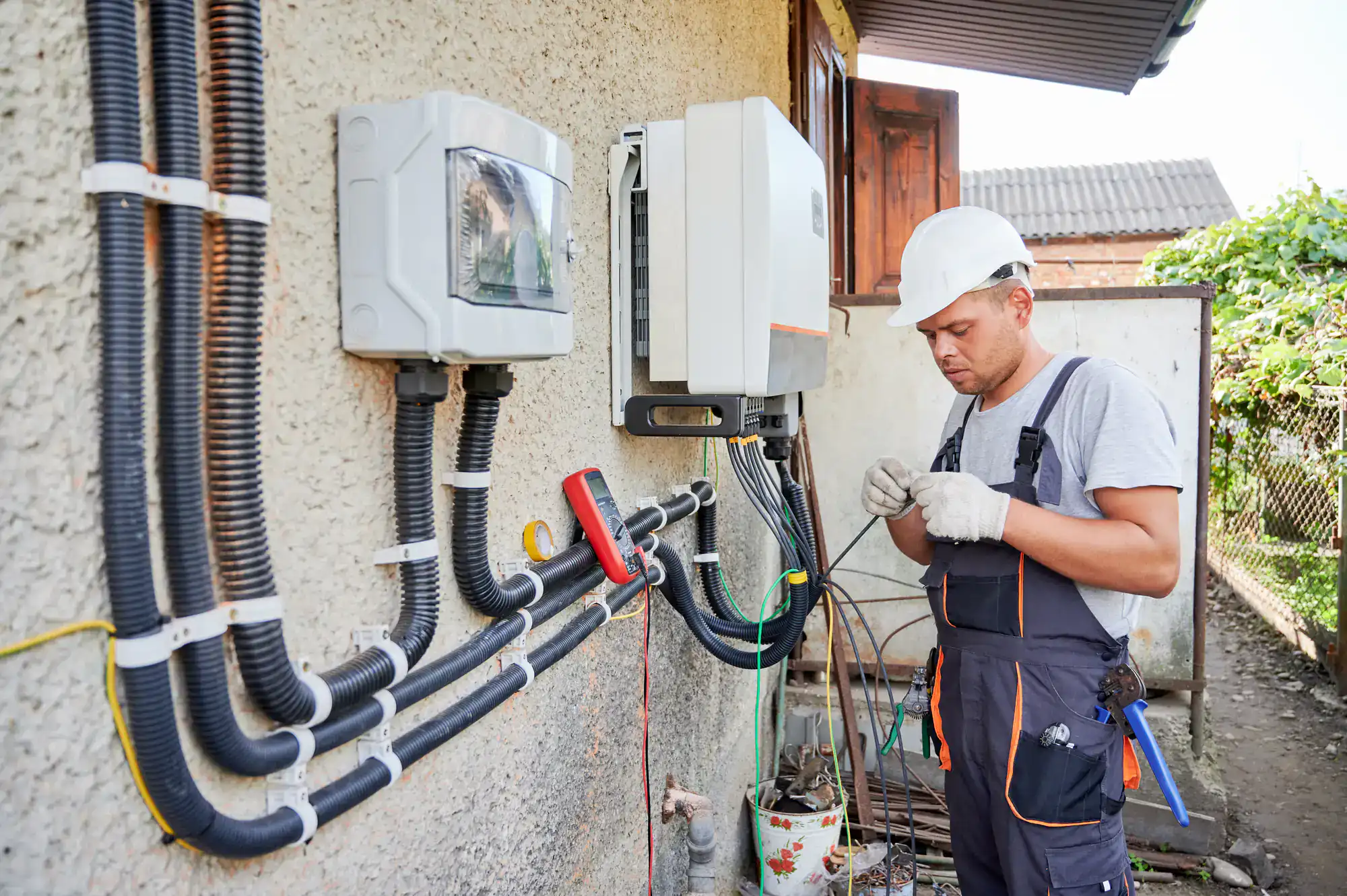
Home Generator Installation in Beaverton, OR
We start with a site assessment. We look at your home’s electrical panel, evaluate your load — meaning what your home actually needs to run during an outage — and help you choose the right generator size and type for your situation. This isn’t a one-size-fits-all recommendation. The right system for a 1960s Cedar Hills ranch with an older panel is a different conversation than the right system for a newer Murrayhill home with a modern 200-amp service.
From there, permitting begins. This is where Beaverton is different from most Oregon cities: the City of Beaverton runs its own municipal electrical permit program through its Building Division, separate from Washington County and the state’s online portal. An installer who doesn’t know that can submit to the wrong authority, which causes delays. We handle all of this — the right forms, the right office, the right process for a Beaverton address.
Once permits are approved, the physical installation typically takes one day. The generator gets placed on a proper pad, the transfer switch goes in, the fuel line gets connected, and the system is tested. The full timeline — from your first call through permits, any gas line coordination, and the final inspection — usually runs several weeks. That’s worth knowing upfront, especially if you’re trying to get set up before Beaverton’s October-through-April storm season hits. Starting early is the move.
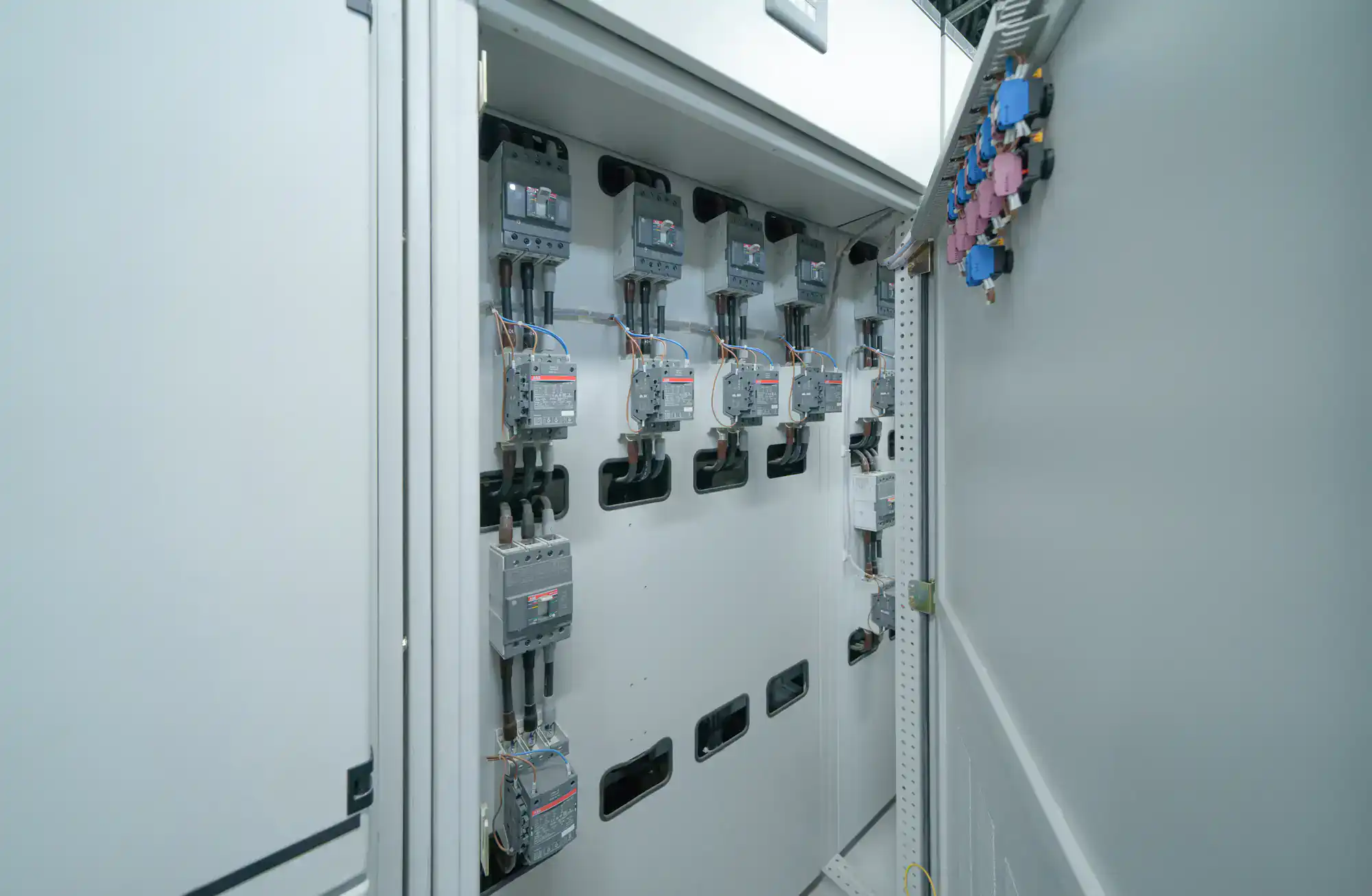
Backup Generator Installation in Beaverton, OR
When you hire us for generator installation in Beaverton, OR, the job covers the full scope — not just the physical installation. That means a proper load calculation to size the system correctly, site selection guidance, concrete pad or pea gravel bed preparation, transfer switch installation, fuel line connection, and all required permitting through the City of Beaverton’s Building Division. The inspection is part of the process too, not an afterthought.
We install both portable and standby whole-house generators, and we work across all sizes — from smaller backup units to full whole-home standby systems that power everything automatically. If you’re in an older home in Washington County with a panel that needs a closer look before the generator can connect cleanly, that conversation happens at the assessment stage, not as a surprise after the equipment is already on your property.
The five-year warranty covers the installation itself — labor and workmanship — which goes beyond what most Beaverton-area competitors offer. For a home valued at $500,000 or more, that warranty matters. It’s the kind of coverage that reflects confidence in the work, not just a line in a contract. Every installation is done by licensed, bonded, and insured electricians working under Oregon’s Electrical Specialty Code — the standard that applies to every residential and commercial electrical job in Beaverton.
Do I need a permit for generator installation in Beaverton, OR?
Yes — and in Beaverton specifically, the permit process works differently than most people expect. Oregon state law requires a permit and a licensed electrician for any generator connection, including the transfer switch that prevents unsafe back-feeding to the grid. That applies everywhere in the state.
What’s unique to Beaverton is that the city runs its own municipal electrical permit program. Most residential electrical permits in Beaverton go through the City of Beaverton’s Building Division — not Washington County and not the state’s online portal. The city assumed administration of this program back in 1987, and it’s been operating independently since then. If an installer submits to the wrong authority, you’re looking at delays, failed inspections, or work that doesn’t clear local review.
We handle all permitting as a standard part of every installation. You don’t have to figure out which office to call or which forms to file — that’s handled. What you do need to know is that skipping the permit entirely isn’t a shortcut. It voids your manufacturer warranty, creates liability, and can cause serious problems if you ever sell the home.
What size whole house generator do I actually need for my home?
The honest answer is that it depends on your home’s specific electrical load — and that’s exactly why a proper load calculation matters before anyone recommends a system size. A generator that’s too small won’t run everything you need during an outage. One that’s significantly oversized costs more than necessary upfront and may run inefficiently.
For most Beaverton single-family homes, the conversation typically centers on what you need to keep running during an outage. If you want to power the whole house — HVAC, kitchen appliances, lighting, and your home office setup — a larger standby system is the right direction. If you’re focused on essentials only, there’s more flexibility. Homes in Cedar Hills or Five Oaks with older electrical panels sometimes have constraints that affect what can be connected, which is another reason the site assessment comes first.
We size every system based on your home’s actual load, not a generic square footage estimate. That’s how you avoid buying more generator than you need — or finding out mid-storm that you don’t have enough.
How long does the full generator installation process take in Beaverton?
The physical installation — placing the generator, setting the pad, connecting the transfer switch and fuel line, and testing the system — typically takes about one day once everything is in place. But the full process from your first call to a running system usually takes several weeks, and that’s worth planning around.
The time is in the steps that happen before we show up with equipment: the site assessment, equipment selection, permit application through the City of Beaverton’s Building Division, any gas line coordination if a new line needs to be run, and scheduling the final inspection. Each of those has its own timeline, and permit processing can vary depending on the city’s current workload.
For Beaverton homeowners, the practical takeaway is this — if you want to be protected before the October-through-April storm season, don’t wait until the first big wind event to start the process. The people who call after a major outage are often waiting in line behind everyone else who had the same idea at the same time. Starting in late summer or early fall gives you the lead time to get through permitting and installation before the weather turns.
Is a whole house generator actually worth the cost for a Beaverton home?
For most Beaverton homeowners, the math works out more clearly than you’d expect. A standby generator adds 3% to 5% to your home’s value according to Consumer Reports and multiple real estate sources. With median home values in Beaverton running between $517,000 and $576,000, that’s roughly $15,500 to $29,000 in added resale value. A properly installed whole-house system can essentially pay for itself before you count a single hour of protection.
Beyond resale value, consider what a bad outage actually costs. Food loss from a refrigerator and freezer going down, hotel stays if the outage stretches past a day or two, and potential pipe damage in a hard freeze all add up fast. For households in Beaverton where someone works remotely — and with the Nike, Intel commuter, and Silicon Forest workforce in this area, that’s a significant portion of the population — even one lost workday has a real dollar value.
Standby generators also last 20 to 40 years with proper maintenance. Spread the cost of installation over that lifespan, factor in the home value increase, and the question shifts from “is it worth it?” to “why didn’t I do this sooner?”
What's the difference between a standby generator and a portable generator?
A portable generator requires you to set it up manually — in the middle of the storm, in the dark, in whatever weather Beaverton is throwing at you in January. You need fuel stored ahead of time, extension cords run to whatever you’re trying to power, and you have to be home and awake when the outage happens. They also can’t safely power the whole house, and they carry real carbon monoxide risks if used improperly near the home.
A standby generator is permanently installed outside your home, connected to your electrical panel through a transfer switch, and running on natural gas or propane from a fixed line. When PGE goes out — whether you’re home, asleep, or at work — the system detects the outage and starts automatically within seconds. Your lights stay on, your refrigerator keeps running, and your home office stays connected without you doing anything.
For Beaverton families with young children, anyone dependent on medical equipment like a CPAP machine or home oxygen, or simply a household that doesn’t want to manage fuel logistics during a February ice storm, the standby option is the one that actually delivers what people picture when they think about backup power.
Will Young Electric LLC handle everything, or do I need to coordinate other contractors?
We manage the full scope of the installation — you don’t need to coordinate a separate contractor for the electrical work and then find someone else for the permit or the inspection. Our team handles the site assessment, load calculation, equipment recommendation, all permitting through the City of Beaverton’s Building Division, the physical installation, and the final inspection process.
If your home needs a gas line extended or a new line run to the generator location, that portion involves a licensed plumber or gas line contractor — which is standard for any standby generator installation that requires new fuel infrastructure. We’ll be upfront about that at the assessment stage so there are no surprises mid-project.
What you can count on is that the electrical side — which is the most complex and regulated part of a generator installation in Beaverton — is fully handled. That includes the transfer switch, panel work, all code compliance under Oregon’s Electrical Specialty Code, and the permit process specific to Beaverton’s municipal program. The five-year warranty covers the installation workmanship, so if something isn’t right, it gets made right — without a separate service call charge or a runaround.
Useful Links