
Hot Tub Electrical Installation in Beaverton
Your Hot Tub Works Year-Round When the Wiring Is Done Right
Hear from Our Customers
Hot Tub Wiring Beaverton, OR
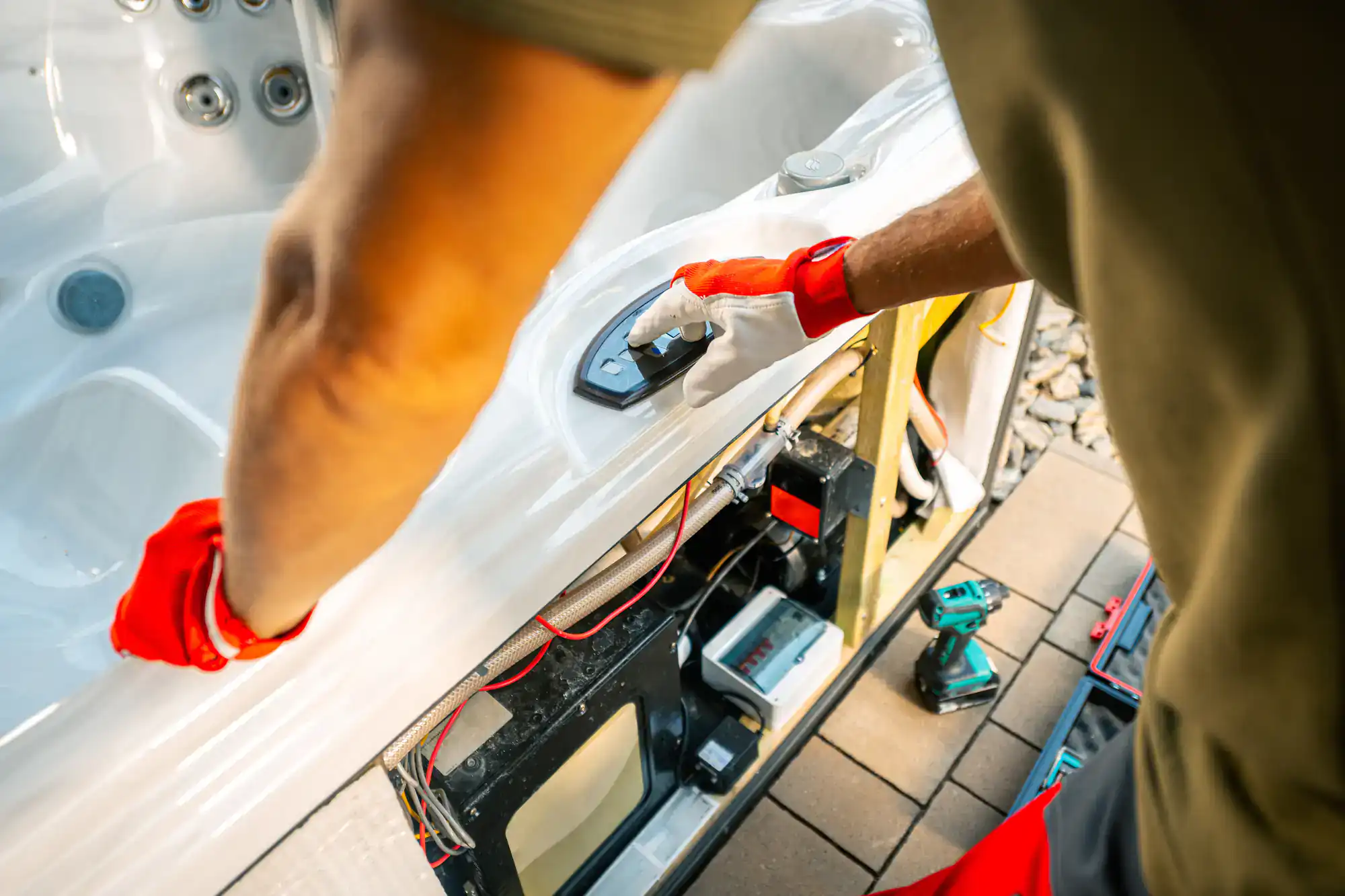
When the wiring is done correctly, you stop thinking about it. The tub works when you want it to, the panel handles the load without issue, and there’s no follow-up call to figure out why the breaker keeps tripping. That’s what a properly installed 240V circuit, a correctly placed disconnect, and a code-compliant GFCI breaker actually deliver — not just paperwork, but a system that performs.
For Beaverton homeowners, that peace of mind matters more than most people realize. Beaverton’s mild, wet winters mean your hot tub isn’t a three-month luxury — it’s a year-round fixture. The kind of evening where it’s 42 degrees and raining is exactly when you want to be in the water, not troubleshooting a tripped breaker. Getting the electrical done right from the start means you actually use the thing you paid for, through every season.
It also matters for your home. Unpermitted or improperly wired electrical work can create real problems — with your homeowner’s insurance, with a future home inspection, and with the manufacturer’s warranty on the tub itself. A clean, permitted, inspected installation through the City of Beaverton Building Division protects all of that. You’re not just wiring a hot tub. You’re protecting the investment behind it.

Ready to get started?
Hot Tub Electrician in Beaverton
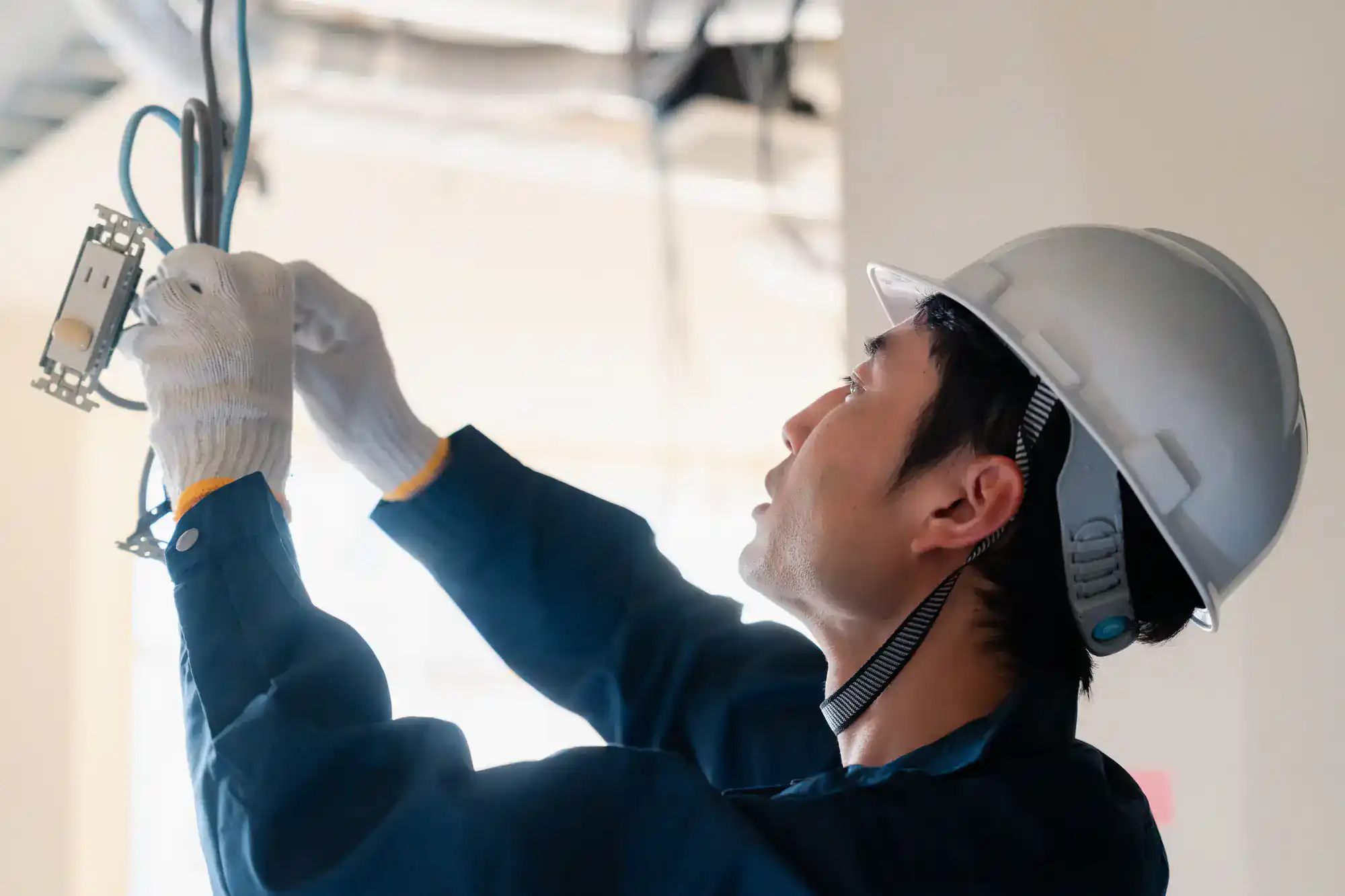
Young Electric LLC is a second-generation, family-owned electrical contractor based in the Portland Metro area, with Beaverton as one of our named primary service markets. Jeremy Young grew up in the trade, served in the military, and built this company on a straightforward idea — do the work right, explain it clearly, and stand behind it. That’s not a tagline. It shows up in how the phone gets answered, how estimates are communicated, and in a 5-year labor warranty that no other electrician currently marketing hot tub wiring in Beaverton offers.
With over 40 years of combined experience and more than 3,200 permits pulled across Oregon, we haven’t added Beaverton to a dropdown list. Young Electric LLC has worked throughout Washington County, pulled permits through the City of Beaverton’s own Building Division, and installed hot tub wiring across neighborhoods from Cedar Hills to Sexton Mountain to Murrayhill. The 4.8-star rating across more than 1,400 Google reviews reflects a team that shows up on time and does what we said we would.

240V Hot Tub Wiring Beaverton Process
It starts with a free estimate — and that visit isn’t just a formality. Before anything gets quoted, we assess the panel. This step matters more than most homeowners expect. A home in southwest Beaverton or Cooper Mountain built in the mid-1990s might have a 200-amp panel that looks fine on paper but is already carrying a heat pump, an EV charger, and a full home office setup. Knowing the actual available capacity before the job starts is what keeps the quote honest and the project on track.
Once the scope is confirmed, we pull the permit through the City of Beaverton Building Division — not Washington County, not the state portal, but Beaverton’s own municipal program. That distinction matters because submitting to the wrong jurisdiction causes delays, and we’ve navigated Beaverton’s permitting process enough times to know exactly how it works. The electrical permit covers the full installation: the dedicated 240V circuit, the properly sized GFCI breaker, the weatherproof disconnect placed at the correct distance from the tub, and the equipotential bonding of all metal components as required under NEC Article 680 and the 2023 Oregon Electrical Specialty Code.
After the work is done, a city electrical inspector signs off on it. That inspection is what makes the installation legal, insurable, and warranty-valid. From there, the tub is ready — and the 5-year labor warranty starts the day the job is complete.

Jacuzzi Wiring and Hot Tub Electrical Beaverton
Hot tub electrical installation in Beaverton covers more ground than most homeowners initially expect, and that’s not a complaint — it’s just the reality of doing it correctly. The typical installation involves running a dedicated 240V circuit from the main panel to the tub location, installing a GFCI breaker sized for the load, mounting a weatherproof disconnect box within line of sight of the tub at the code-required distance, and completing the equipotential bonding of all metal components in and around the spa. Every one of those steps is required under Oregon’s electrical code. Skipping any of them creates a safety risk and a compliance problem.
For homes in older Beaverton neighborhoods like Cedar Hills or Oak Hills — where housing stock from the 1960s and 1970s may still be running on 100-amp service — the estimate visit sometimes reveals that a panel upgrade is needed before the hot tub circuit can be added. That’s not a surprise we drop on you after the job starts. It gets identified upfront, explained clearly, and factored into the plan before any work begins.
For newer builds in south and west Beaverton, the path is usually more straightforward — but the permit and inspection process through the City of Beaverton Building Division applies regardless of the home’s age or the neighborhood. Whether the tub came from a local dealer or anywhere else, the electrical side of the job gets done to the same standard every time, backed by a 5-year labor warranty.
Does hot tub electrical installation in Beaverton require a permit?
Yes — and in Beaverton specifically, that permit comes from the City of Beaverton Building Division, not Washington County and not Oregon’s state ePermitting portal. Beaverton runs its own municipal electrical permit program, which means a contractor who doesn’t know that distinction can submit to the wrong jurisdiction and cause unnecessary delays on your project.
The permit isn’t optional, and skipping it isn’t a shortcut worth taking. An unpermitted hot tub electrical installation can void your homeowner’s insurance coverage if a claim is ever tied to it, create issues during a future home inspection or sale, and in many cases void the manufacturer’s warranty on the tub itself. The permit process also includes a final inspection by a City of Beaverton electrical inspector — which is what formally confirms the work meets code and protects you going forward. We handle the permit filing as part of every installation.
What size breaker does a 240V hot tub need, and do I need a GFCI breaker?
Most full-size residential hot tubs run on a 50-amp, 240V dedicated circuit, though some models require a 60-amp circuit — the tub’s specification sheet will list the exact requirement. Whatever the amperage, the breaker must be a GFCI breaker, not a standard circuit breaker. That’s not a recommendation. It’s a requirement under NEC Article 680, which governs all outdoor spa and hot tub electrical installations, and it’s enforced through Oregon’s Electrical Specialty Code.
The difference between a GFCI breaker and a standard breaker matters a lot in a wet environment. A standard breaker protects equipment from overloads. A GFCI breaker detects ground faults — small amounts of current leaking where they shouldn’t be — and cuts power within milliseconds. In a hot tub, that response time is the difference between a minor incident and a serious one. The GFCI breaker is also one of the first things a City of Beaverton electrical inspector will check during the final inspection, so there’s no scenario where skipping it passes.
Can my electrical panel handle a hot tub, or will I need an upgrade?
That’s one of the most common questions homeowners ask before committing to a hot tub installation, and the honest answer is: it depends on your panel and what’s already running on it. A 200-amp panel in a newer Sexton Mountain or Murrayhill home that’s already carrying a heat pump, an EV charger, and a home office circuit may have less available capacity than the homeowner assumes. A 100-amp panel in an older Cedar Hills home from the 1960s or 1970s is often fully loaded before a hot tub circuit is even considered.
The panel assessment is included in every free estimate we provide. That visit looks at your existing service, what’s currently on the panel, and whether adding a dedicated 240V hot tub circuit is straightforward or requires an upgrade first. If an upgrade is needed, that gets communicated clearly before the job starts — not after. There are no surprise charges mid-project. The estimate reflects the full scope of what the installation actually requires.
How far does the disconnect box need to be from the hot tub?
Under NEC Article 680 and the Oregon Electrical Specialty Code, the disconnect box — sometimes called a spa panel or emergency shutoff — must be placed no closer than 5 feet from the hot tub and must be within line of sight of the tub and easily accessible. The exact maximum distance can vary based on the specific installation configuration, but the 5-foot minimum is firm and non-negotiable.
The disconnect needs to be outdoor-rated and weatherproof, which matters in Beaverton’s climate. With roughly 42 inches of rain per year and wet conditions from October through April, a disconnect box that isn’t properly rated for outdoor exposure will deteriorate quickly and create a safety hazard over time. Placement also needs to account for the layout of your specific backyard — fence lines, deck structures, and access paths all factor into where the box gets mounted. This is one of the details that gets worked out during the estimate visit so the final installation is both code-compliant and practical for your actual space.
What is equipotential bonding, and why does my hot tub need it?
Equipotential bonding is the process of connecting all metal components in and around the hot tub — the pump housing, metal fittings, water, and any nearby metal structures — to a common ground point so that no voltage difference can exist between them. It’s required under NEC Article 680, and it’s one of the most frequently skipped steps when hot tub wiring is done by unlicensed contractors or handymen who aren’t familiar with the code.
The reason it matters is straightforward. In water, even a small voltage difference between two metal surfaces can cause a shock. Equipotential bonding eliminates that difference by keeping everything at the same electrical potential. You won’t see it once the job is done — it’s not a visible component of the finished installation — but it’s one of the most important safety elements in the entire system. It’s also something a City of Beaverton electrical inspector will verify during the final inspection. When we complete a hot tub installation, bonding is included as a standard part of the job, not an add-on.
The hot tub dealer gave me a name for the wiring — should I just use them?
It’s worth doing a quick check before you commit. Hot tub dealers sometimes refer buyers to electricians they have a relationship with, but that referral doesn’t always come with the same level of vetting you’d apply if you were searching on your own. The questions worth asking are straightforward: Does the electrician hold both a CCB license and a BCD electrical license? Those are Oregon’s two separate licensing requirements for electrical contractors, and both need to be current. Will they pull a permit through the City of Beaverton Building Division? Will there be a final inspection?
If the answer to any of those is unclear or uncomfortable, that’s worth paying attention to. Wiring that skips the permit, skips the inspection, or is done by someone holding only one of the two required Oregon licenses creates real exposure for you as the homeowner — with your insurance, with the tub manufacturer’s warranty, and with the safety of the installation itself. Young Electric LLC holds both required Oregon licenses, pulls permits through Beaverton’s own Building Division, and backs every installation with a 5-year labor warranty. Those aren’t conditions that vary by job — they’re the standard every time.
Useful Links