
Electrical Inspection in Beaverton, OR
Beaverton's Older Homes Need More Than a Surface Check

Hear from Our Customers
Home Electrical Inspection in Beaverton
Most homeowners in Beaverton don’t think about their electrical system until something goes wrong—a breaker that keeps tripping, lights that flicker when the dryer runs, or an outlet that stopped working for no obvious reason. Those aren’t random quirks. They’re signs that your system is being pushed past what it was built for.
A residential electrical inspection in Beaverton, OR gives you a clear picture of where things stand. You find out what’s working, what’s marginal, and what actually needs attention—before it becomes an emergency or a fire risk. That written report you get at the end isn’t just paperwork. It’s documentation you can use for insurance, real estate negotiations, or planning a repair on your own timeline.
For homeowners in Cedar Hills, Five Oaks, and Central Beaverton—where a lot of the housing stock dates back to the 1950s, 1960s, and 1970s—this matters more than most people realize. Those homes were wired for a fraction of the electrical load a modern household puts on a system. Add a home office, a Level 2 EV charger, or even just a full kitchen remodel, and an older panel can quietly become a liability. An electrical safety inspection in Beaverton catches that before it catches you off guard.

Ready to get started?

Electrical Inspection Services in Beaverton, OR
We’ve been working in Portland Metro homes since 1974. Our headquarters sits at 9999 SW Wilshire St—minutes from Beaverton’s eastern neighborhoods—and we’ve been inside homes across Cedar Hills, Raleigh Hills, and the broader Washington County area long enough to know what each era of construction typically looks like behind the walls.
Owner Jeremy Young is a second-generation electrician and military veteran. That background shapes how we operate—straightforward assessments, honest findings, no pressure to approve work that isn’t necessary. Our review record backs that up: 4.8 stars across more than 1,400 Google reviews, with recurring themes of on-time arrival, clear communication, and fair pricing.
We hold certification from the International Association of Electrical Inspectors—the organization specifically dedicated to electrical inspection standards. That credential is directly relevant when you’re asking someone to evaluate the wiring in a 1965 ranch home in Cedar Hills or a 1970s build near Five Oaks. It means our team is trained to the standard that matters most for this kind of work.
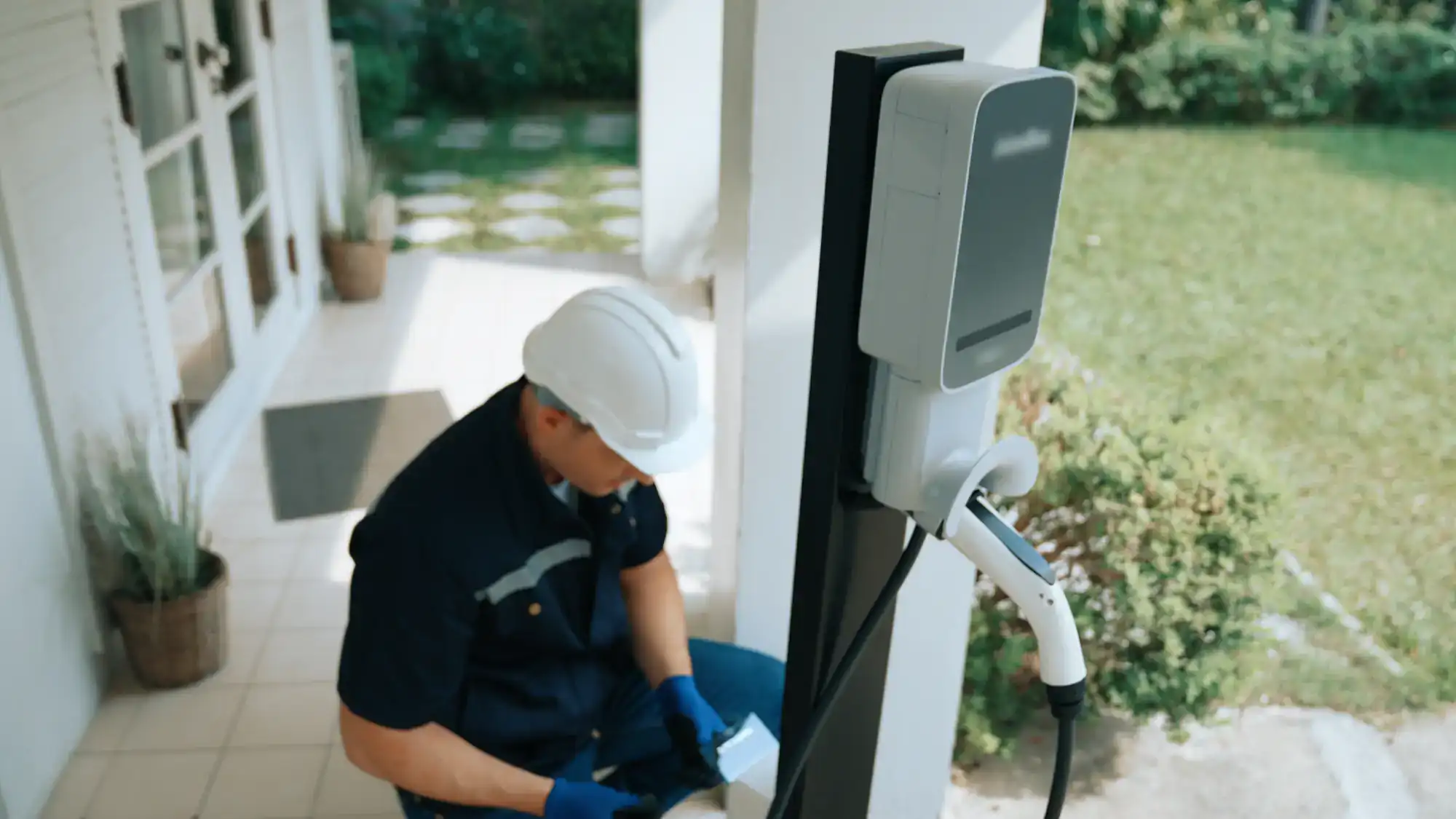
Electrical Wiring Inspection Process in Beaverton
It starts with a free estimate. You describe what’s going on—or just tell us the home’s age and what’s changed recently—and we’ll talk through what level of inspection makes sense before anyone shows up at your door.
When the inspection happens, we work through the full system—not just what’s visible. That means the electrical panel, every circuit, outlets, switches, GFCI and AFCI protection, and the wiring in the attic and crawl space. Those last two areas are where older Beaverton homes tend to hide the real issues. A general home inspector does a surface-level walk-through; a licensed electrician tests, measures, and documents what’s actually happening in the system.
Because Beaverton administers its own electrical safety program—the city assumed that responsibility in 1987 under Oregon state law—any follow-up work that requires a permit goes through the City of Beaverton’s Building Division, not the state BCD directly. We know that process. If the inspection turns up something that needs to be fixed and a permit is required, you’re not starting over with a new contractor who has to get up to speed. We handle it from inspection through completion, with full accountability.
At the end of the inspection, you get a written report covering every finding, every deficiency, and every recommendation—in plain language, not electrical code references.

Residential Electrical Inspection in Beaverton, OR
Every electrical system inspection in Beaverton covers the panel, all circuits, outlets, switches, and the wiring in the attic and crawl space. GFCI and AFCI protection gets tested—not just visually checked. Smoke and carbon monoxide detector function is verified. The meter box is assessed. We look for code violations, outdated wiring types, undersized service, and anything that represents a genuine safety concern.
For homes in Beaverton’s older northern and central neighborhoods—Cedar Hills, Vose, Central Beaverton—the inspection pays particular attention to wiring eras. Aluminum wiring, which was used as a copper substitute from roughly 1965 to 1973, shows up in homes throughout this area and carries a higher fire risk when improperly maintained. Knob-and-tube wiring, common in pre-1950s construction, is another documented concern in some of the older Beaverton-area housing stock. The inspection identifies whether either is present and what condition it’s in.
For homeowners considering an EV charger installation—and Beaverton and Tigard have some of the highest EV charger installation request rates in Washington County—the electrical system inspection confirms whether your panel has the capacity and whether the wiring can handle the load before any installation work begins. We’re a Tesla Certified Electrical Contractor, which means our team understands EV infrastructure requirements specifically, not just general electrical code. We don’t offer named service packages—just a thorough inspection scoped to your home, with a free estimate before any work is scheduled.
What does an electrical inspection in Beaverton, OR typically include?
A thorough residential electrical inspection covers the panel, all circuits, outlets, switches, and the wiring in areas that general home inspectors often skip—specifically the attic and crawl space. Those are the spaces where older Beaverton homes tend to have the most significant hidden issues, particularly in neighborhoods like Cedar Hills and Five Oaks where homes from the 1950s and 1960s are common.
Beyond the visual check, we test GFCI and AFCI protection, assess panel capacity relative to your actual electrical load, check the meter box, and look for code violations or wiring types that carry elevated risk. At the end of the inspection, you receive a written report that documents every finding and recommendation in plain language—not a verbal summary you have to try to remember later. That report is yours to keep and use however you need it, whether that’s for insurance purposes, a real estate transaction, or scheduling repairs on your own timeline.
How do I know if my older Beaverton home needs an electrical inspection?
The general industry guidance is that homes more than 40 years old should have an electrical inspection to confirm the system is safe. That standard applies to a significant portion of Beaverton’s housing stock—particularly in Cedar Hills, Five Oaks, Vose, and Central Beaverton, where many homes were built in the 1950s, 1960s, and 1970s. If your home hasn’t had a licensed electrician evaluate the system since it was built, that alone is a reason to schedule one.
Beyond age, there are specific symptoms worth taking seriously: breakers that trip repeatedly, lights that flicker when another appliance runs, outlets that feel warm to the touch, a burning smell you can’t locate, or buzzing sounds near the panel or outlets. Any one of those points to a system that’s either overloaded or has a fault somewhere. You don’t need all of them to justify a call—one is enough. And if you’ve recently added a high-draw appliance, a home office setup, or you’re planning an EV charger installation, an electrical system inspection in Beaverton before that work begins is the right order of operations.
What's the difference between a home inspection and an electrical inspection?
A general home inspector evaluates many systems at once—roof, foundation, plumbing, electrical, HVAC—which means the electrical portion gets a surface-level visual check. They’re looking for obvious red flags: missing covers, visibly damaged wiring, panels that are clearly undersized. What they don’t do is test circuits, assess GFCI and AFCI protection, evaluate panel capacity against your actual load, or inspect wiring in the attic and crawl space with any depth.
A licensed electrician performing a dedicated electrical inspection goes considerably further. The panel is assessed for capacity and condition. Every circuit is tested. Wiring types are identified—including aluminum wiring and knob-and-tube, both of which appear in older Beaverton homes and carry specific risks. The attic and crawl space wiring is inspected directly. And you get a written report at the end that documents what was found, not just a checkbox on a general inspection form. If you’re buying a home in Beaverton’s competitive market—where homes go to pending in roughly 11 days—a general inspection’s electrical section is not a substitute for a dedicated electrical safety inspection.
Do I need an electrical inspection before installing an EV charger in Beaverton?
You’re not legally required to get an inspection before installing a Level 2 EV charger—but skipping it is how homeowners end up discovering mid-project that their panel needs a full replacement before the charger can go in. A Level 2 charger typically requires a dedicated 50-amp circuit. If your panel is already running close to capacity, or if it’s a 100-amp service panel common in older Beaverton homes, adding that circuit without first assessing the system is a real risk.
Beaverton and Tigard have some of the highest EV charger installation request rates in Washington County, which reflects the concentration of tech-professional households in the Silicon Forest corridor. We’re a Tesla Certified Electrical Contractor, so our team understands EV infrastructure requirements specifically—not just general electrical code. An electrical system inspection in Beaverton before the installation confirms whether your panel has capacity, whether the wiring path is viable, and whether any upgrades need to happen first. That information lets you plan the full scope and cost before any work begins, rather than finding out partway through.
How long does a residential electrical inspection take in Beaverton?
For most single-family homes in Beaverton, a thorough electrical inspection takes between one and three hours. The range depends on the size of the home, how accessible the panel and wiring are, and how much of the system needs closer attention. Older homes—particularly those in Cedar Hills or Central Beaverton with original wiring from the 1950s or 1960s—tend to take longer because there’s more to evaluate and the wiring is often less straightforward to trace and test.
Homes with attic and crawl space access that’s limited or partially finished can also add time. The inspection isn’t done until those areas are checked—that’s where hidden wiring issues most often live in Beaverton’s mid-century housing stock. If you’re scheduling a pre-purchase inspection and working against a tight closing timeline—which is common in Beaverton’s market—it helps to call early. We operate from 7:00 a.m. to 5:00 p.m. and offer free estimates, so you can get a realistic sense of timing before you commit to a schedule.
Does an electrical inspection in Beaverton require a permit or city approval?
The inspection itself does not require a permit—a licensed electrician can come in, evaluate your system, and deliver a written report without any permit being pulled. Permits come into play when work is actually performed: if the inspection identifies something that needs to be repaired or upgraded, any work that falls under Oregon’s electrical code will require a permit before it’s started.
What’s worth knowing specifically for Beaverton is that the city administers its own electrical safety program—it assumed that responsibility in 1987 under Oregon state law—so permits for electrical work in Beaverton go through the City of Beaverton’s Building Division, not the state Building Codes Division directly. That’s a different process than what applies in unincorporated Washington County areas like Aloha or Cedar Mill just outside city limits. We’ve been working in the Portland Metro area for over 40 years and know the Beaverton permit process specifically. If follow-up work is needed after the inspection, you won’t be handed off to a different contractor or left to navigate the permitting process on your own.
Useful Links