
Generator Installation in Sisters, OR
When CEC Cuts Power, Your Home Stays Running
Hear from Our Customers
Whole House Generator Sisters, OR
Most towns deal with one kind of power outage. Sisters deals with two. Winter storms roll in off the Cascades and knock out lines in the middle of the night. But during fire season, Central Electric Cooperative can proactively shut off power to the Sisters area before conditions get dangerous — sometimes with little warning. CEC has an active Public Safety Power Shutoff program, and The Nugget has covered it directly.
A standby generator handles both scenarios the same way: it detects the outage and starts automatically, usually within seconds.
For Sisters properties on well water, this matters even more. When the grid goes down, the well pump goes with it — and that means no running water, not just no lights. For a family in a February snowstorm or a household with medical equipment, that escalates quickly. A properly installed whole house generator keeps the pump running, the heat on, and the pipes from freezing, whether you’re home or 200 miles away in Portland.
That’s what generator installation in Sisters actually solves. Not just inconvenience — real, specific vulnerabilities that come with living at 3,189 feet in a rural cooperative service territory.
Ready to get started?

Generator Installer Serving Sisters, OR
Young Electric LLC is a second-generation, veteran-owned electrical contracting company that has been doing this work since 2007. We bring over four decades of combined experience across residential, commercial, and industrial installations — and Sisters is part of the Central Oregon service area we know well, alongside Bend, Sunriver, and La Pine.
What sets Young Electric apart in a market like Sisters isn’t just licensing and insurance — those are baseline. It’s the five-year warranty we put behind every installation, which goes well beyond the one-year labor warranty most contractors offer. It’s the fact that someone actually answers the phone. And it’s the approach: load calculations done right, permits pulled through Deschutes County Building Safety, and installations built to last, not just built to pass inspection.
For a community like Sisters — where neighbors talk, where reputation travels fast, and where a $650,000 home deserves more than a cut-rate install — that standard of accountability matters.
Backup Generator Installation in Sisters, OR
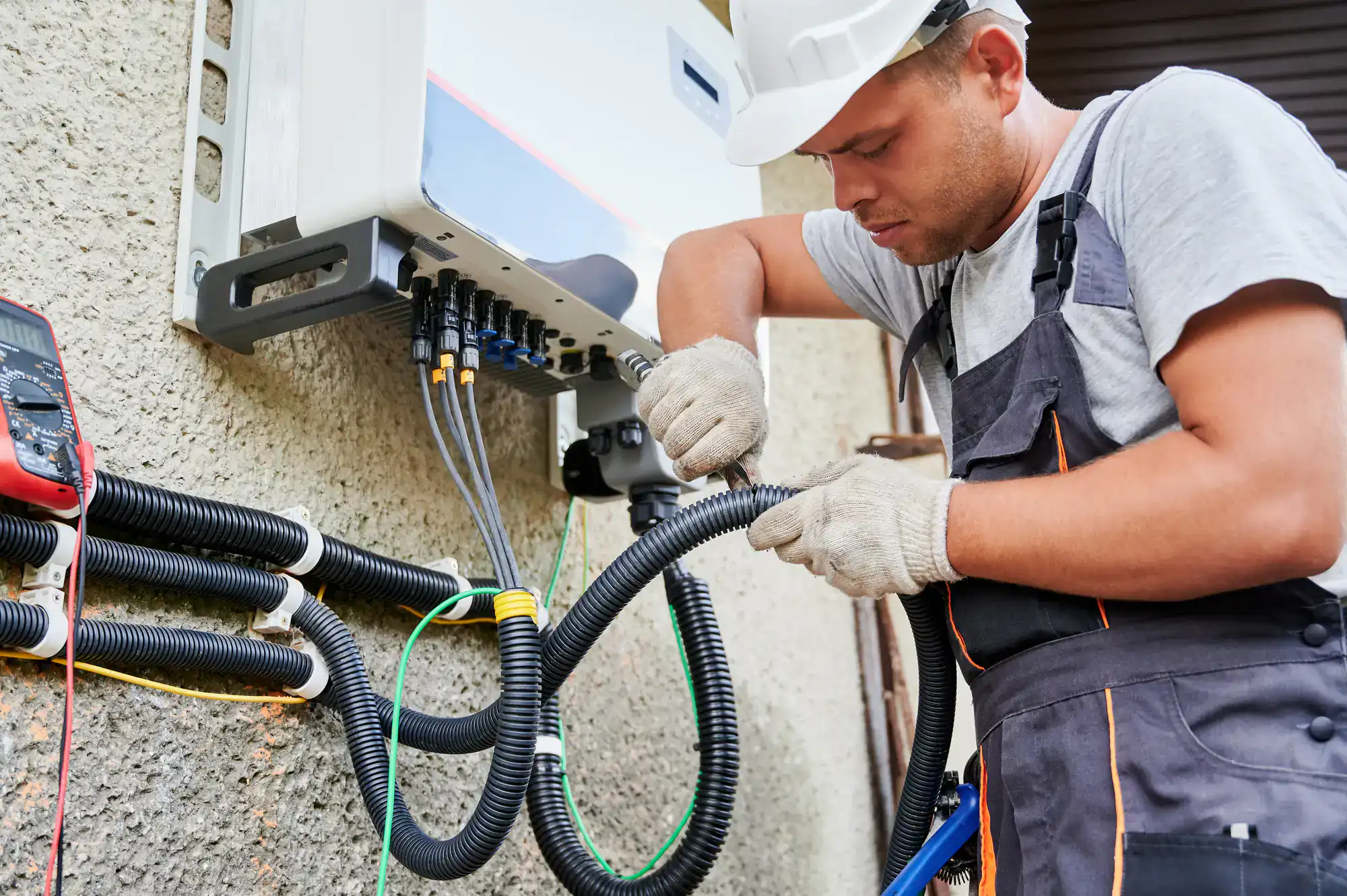
The first step is a site assessment — walking the property, reviewing the electrical panel, and doing a proper load calculation to figure out exactly what your home needs to run during an outage. In Sisters, that conversation often includes fuel type, because not every property has natural gas. Many homes in the area run on propane, and we can size and connect a standby generator to an existing propane system when that’s what the property calls for.
From there, we handle the permitting. In Sisters, all electrical permits are issued and inspected through the Deschutes County Building Safety Division — not a city department. That’s a step some homeowners don’t expect, and it’s one that some contractors quietly skip. We don’t skip it. Every installation goes through the proper permit process, gets inspected, and gets done right.
The physical installation itself — setting the generator on a pad, connecting the fuel line, installing the transfer switch, and tying everything into the panel — typically takes a day. But the full process, from first call to a working system, takes several weeks when you factor in permits, site prep, and scheduling. If storm season or fire weather is on your radar, the time to start is before it arrives — not after.
Emergency Generator Installation Sisters, OR
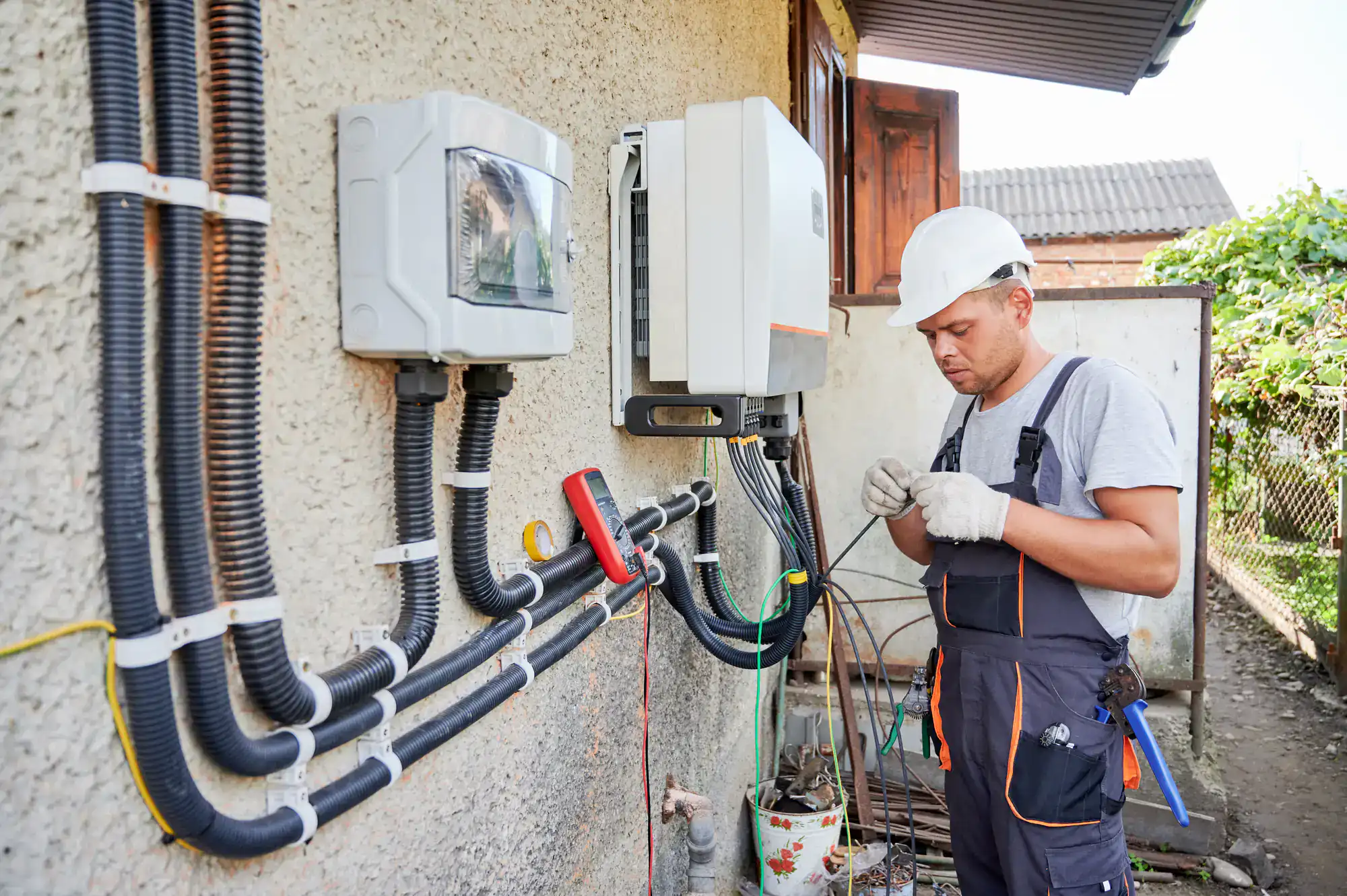
We install the full range of generator systems — from portable setups to whole house standby generators that run on natural gas or propane and start automatically the moment the grid goes down. For most Sisters homeowners, a standby system is the right call. Portables require manual startup, need stored fuel on hand, and can’t power an entire home. When a storm hits at 2 AM or CEC triggers a PSPS event on a hot July afternoon, a standby unit is already running before you’re out of bed.
Every installation includes transfer switch installation — required by Oregon law, and a critical safety component that prevents dangerous back-feeding onto the utility line. We handle generator sizing based on your actual electrical load, not a generic estimate. For Sisters properties with well pumps, outbuildings, or larger square footage, that sizing step is especially important.
The work is backed by a five-year installation warranty, which covers the labor and installation — not just the equipment. Deschutes County permit fees and inspections are part of the process, and we manage that coordination so you’re not navigating the county building department on your own. Whether you’re in ClearPine, Tollgate, out near Black Butte Ranch, or on a larger parcel east of town, the installation is customized to your property — not a one-size approach.
Does Central Electric Cooperative require a permit for generator installation in Sisters?
The permit requirement comes from Oregon state law, not CEC specifically. Oregon requires a licensed electrical contractor and a valid permit for any generator connection — including the transfer switch installation that ties the generator to your home’s panel. In Sisters, those permits are issued and inspected through the Deschutes County Building Safety Division, since the City of Sisters contracts all building and electrical services to the county.
Any installer who skips that permit process is cutting a corner that can void your generator’s manufacturer warranty and create real liability if something goes wrong. We pull permits as a standard part of every installation — it’s not an add-on or an upgrade, it’s just how the job gets done correctly. If you’re evaluating other contractors in the Sisters area, asking whether they pull permits is one of the most useful questions you can ask.
How long does a whole house generator installation actually take in Sisters, OR?
The physical installation — setting the generator on a pad, connecting the fuel line, installing the transfer switch, and wiring everything into the panel — typically takes one day, usually four to eight hours depending on the property. But the full process from first call to a working system takes several weeks when you account for the site assessment, permit application through Deschutes County, any gas line or propane work, and scheduling around inspections.
This is the part most homeowners underestimate, and it matters in Sisters because storm season and fire weather don’t wait. If you’re thinking about a generator because last winter was rough or because you’ve been reading about CEC’s Public Safety Power Shutoff program, the time to start the process is now — not when the forecast turns. Lead times are real, and installer availability tightens when conditions deteriorate.
Can a standby generator run on propane in Sisters, OR?
Yes, and for many Sisters properties, propane is the only practical fuel option. Natural gas distribution isn’t available across all areas in and around Sisters — particularly on larger lots, acreage parcels, and rural properties outside the city core. Standby generators can be configured to run on propane, and the installation process includes properly sizing the generator to the existing propane supply and connecting the fuel line in a code-compliant way.
The key considerations are tank size and fuel capacity — a whole house generator running during an extended outage will draw down a propane tank faster than most homeowners expect. We can walk you through what your existing setup can support and whether any changes to the propane system are needed before installation. Getting that conversation right upfront prevents problems when you actually need the generator to run.
What happens to my well water when the power goes out in Sisters?
If your home is on a well, the answer is simple: when the power goes out, so does the water. Well pumps are electric, and without power, they stop working. That means no running water from any tap, no toilet, no shower — for however long the outage lasts. In Sisters, where a winter storm or a CEC Public Safety Power Shutoff can leave properties without power for several hours or longer, that’s not a minor inconvenience.
A standby generator with enough capacity to run your well pump changes that entirely. When the grid drops, the generator starts automatically and the pump keeps running — you may not even notice the outage happened. Sizing matters here, because well pumps have specific startup power requirements that need to be factored into the load calculation. This is one of the reasons a proper site assessment is worth doing before any equipment gets ordered.
Is a whole house generator worth the investment for a Sisters home?
For most Sisters homeowners, the math works out clearly when you look at it honestly. The median home value in Sisters is around $649,000. A single extended outage in a Central Oregon winter — frozen pipes, water damage, potential structural issues — can cost tens of thousands of dollars in repairs. Add in the cost of a hotel stay, lost food, and any disruption to remote work or medical equipment, and the picture gets clearer fast.
Standby generators also add measurable value to the home itself. Research from Consumer Reports and others puts the increase at roughly 3% to 5% of home value — which on a $650,000 Sisters home is $19,500 to $32,500 in added resale value. That’s before you count a single hour of actual protection. For vacation properties and investment rentals in areas like Black Butte Ranch or Camp Sherman, the calculation is even more direct: a generator protects the property when no one is there to catch a problem early.
What size generator does a Sisters home typically need?
There’s no single answer to that, and any installer who gives you a number without first doing a load calculation is guessing. The right size depends on what you need the generator to power during an outage — and in Sisters, that list often includes things that aren’t on the typical suburban checklist. Well pumps, for instance, have significant startup power demands. Larger homes in areas like Grand Peaks or Whychus Canyon Estates may have higher heating loads. Properties with outbuildings or detached garages add to the picture.
A 10kW unit might be enough to cover essentials in a smaller in-town home. A larger property — or one with a well pump, electric heat, or multiple refrigerators — may need a 20kW or 22kW system to run comfortably. We start every project with a proper load assessment so the generator is sized to what your home actually needs, not what’s easiest to install. Getting that right upfront is the difference between a generator that handles an outage and one that trips under load when you need it most.
Useful Links