
Electrical Panel Upgrade in Sisters, OR
When a 1970s Cabin Panel Meets 2025 Electrical Demands

Hear from Our Customers
Electrical Panel Replacement in Sisters
When your panel was installed in 1975, the house it served looked completely different. No Level 2 EV charger in the garage. No heat pump running through a Central Oregon winter. No home office pulling steady load alongside the washer, dryer, and dishwasher. The panel did its job for that version of the house. It’s the current version it’s struggling with.
An electrical panel upgrade in Sisters, OR gives you the capacity to run your home the way you need to—without tripped breakers, flickering lights, or the nagging feeling that something’s being pushed past its limit. For homeowners in Tollgate and Crossroads, where the building stock dates back to the early 1970s, this isn’t a someday project. It’s the thing that makes everything else possible.
If you’re also thinking about a whole-home standby generator—which many Sisters-area homeowners are, given how often a downed tree on a power line near downtown can leave a neighborhood dark for hours—the panel upgrade is where that project starts. A properly sized panel creates the capacity for a generator transfer switch, a Tesla Powerwall, or whatever backup power solution makes sense for your situation. You get one job done, and it opens the door to the next one.

Ready to get started?

Licensed Electrician for Panel Upgrade Sisters
We’re a second-generation, family-owned electrical contractor with over 40 years of combined experience. Central Oregon is one of our two primary service areas—not an occasional drive out from Portland, but a region we know and work in regularly. That includes understanding how Central Electric Cooperative handles meter pulls and service reconnects for panel upgrades in Sisters, which is a different process than what Portland-area contractors deal with through PGE.
Every installation comes with a five-year labor warranty. That’s not a standard offer in this market—it’s a commitment that the work is done right and that we stand behind it if anything falls short. With a 4.8 out of 5 rating across more than 1,400 Google reviews, the track record is there to back it up.
For homeowners in Tollgate, Crossroads, Black Butte Ranch, or anywhere else in Sisters Country, you’re getting a contractor who knows the area, knows the permit process through Deschutes County Building Safety Division, and doesn’t leave you holding the paperwork.
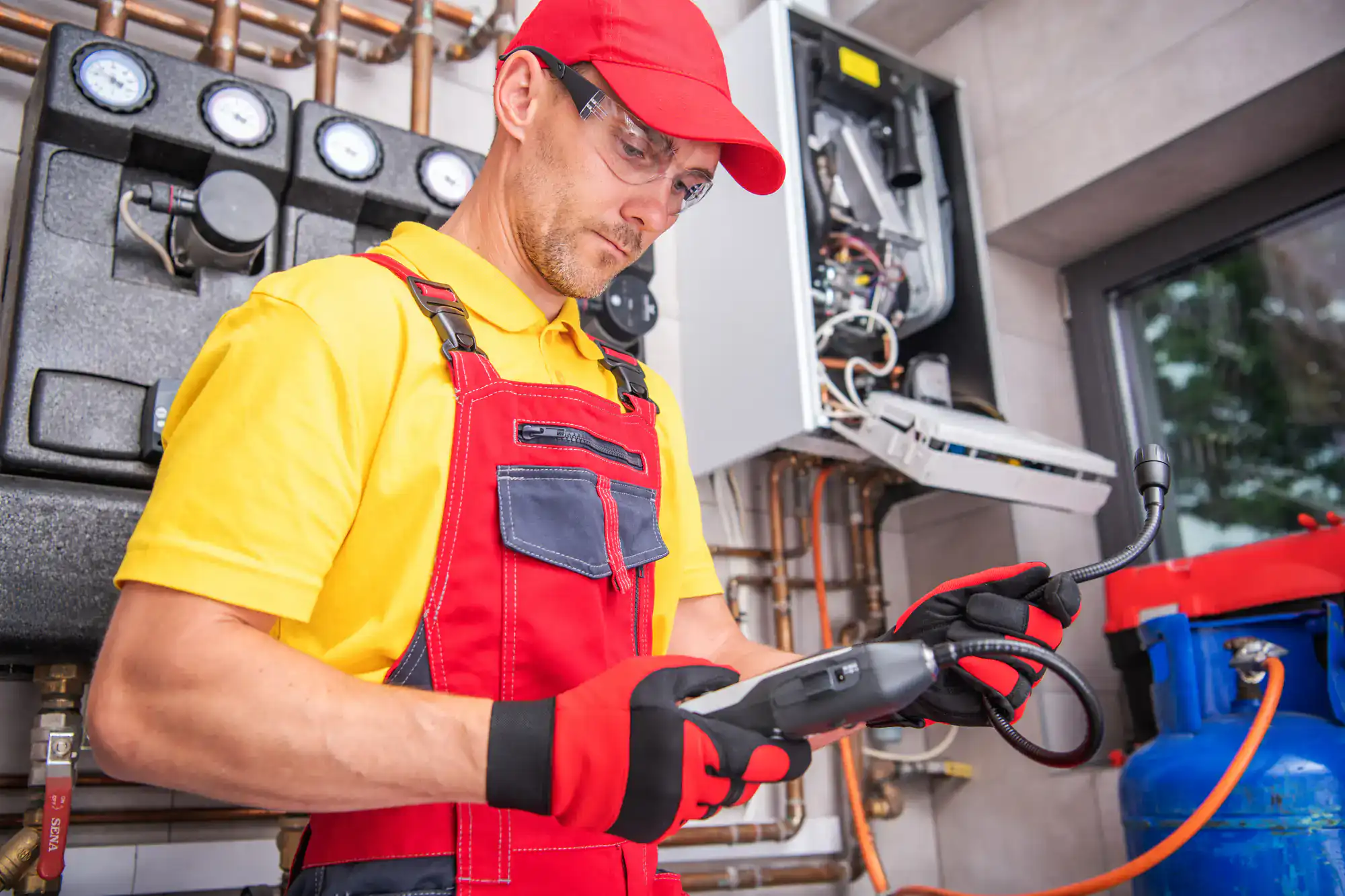
Breaker Panel Upgrade Process in Sisters
It starts with a free estimate. One of our technicians comes out, looks at your existing panel and equipment, and listens to what you’re planning—whether that’s adding an EV charger, running a generator, or just getting a 50-year-old box replaced before it becomes a real problem. You get a clear picture of what the job involves and what it costs before anything is scheduled.
Once you decide to move forward, we handle the permit application through Deschutes County Building Safety Division—the authority that administers electrical permits for Sisters since the city contracts that function to the county. We also coordinate with Central Electric Cooperative for the meter pull, which has to happen before the panel work can begin. This is one of those steps that trips up contractors who mostly work in PGE territory and aren’t familiar with how CEC runs their process.
On installation day, your power will be off while the work is done—that’s unavoidable—but for most residential panel upgrades, it’s a single-day job. Power is restored the same day, and we schedule the inspection through Deschutes County to close out the permit. You end up with a properly permitted, inspected installation and a five-year labor warranty in writing. No loose ends.
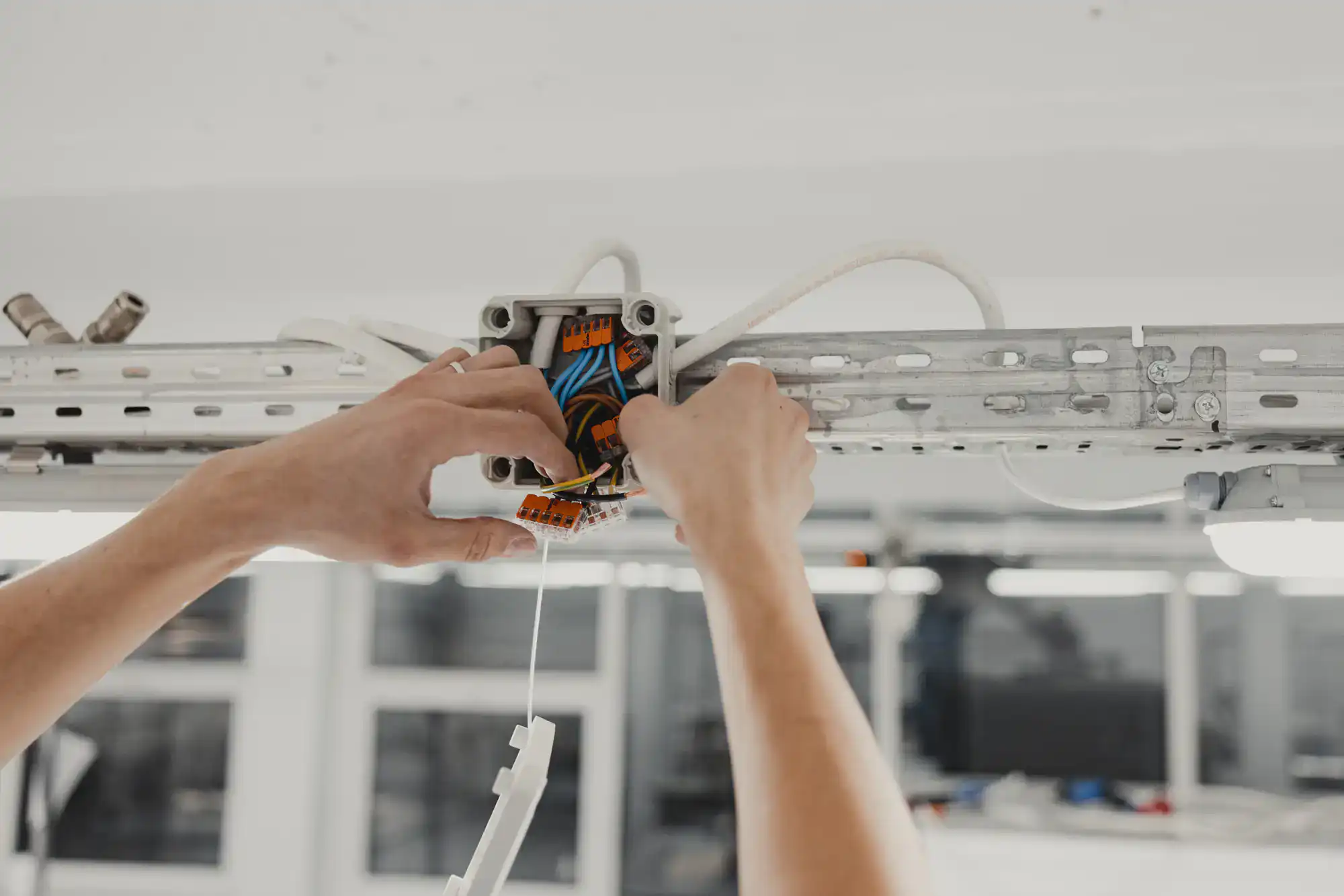
Electrical Panel Installation Sisters, OR
Our electrical panel upgrade service covers the full scope—assessment of your current panel and service capacity, the permit application with Deschutes County, coordination with Central Electric Cooperative for the meter disconnect and reconnect, the installation itself, and the final inspection. You’re not managing pieces of that process on your own.
For Sisters-area homes, a few situations come up more often than they do elsewhere. Homes in Tollgate and Crossroads that were originally wired as summer cabins frequently have 100-amp panels that were never sized for year-round, full-load living. Upgrading to a 200-amp service is the standard move, and it’s what creates capacity for the things most homeowners in this area are planning next—a Level 2 EV charger, a heat pump, a hot tub, or a standby generator with a transfer switch. We install all of those, so if the panel upgrade is step one of a larger project, that conversation can happen at the estimate stage.
For second-home and vacation rental owners in Tollgate, Crossroads, or Black Butte Ranch who aren’t on-site to manage the job, the process is designed to run without you needing to be there at every step. The estimate, the scope, and the communication are handled clearly from the start—so you know what’s happening and when, even from a distance.
Do I need a permit to upgrade my electrical panel in Sisters, OR?
Yes—an electrical permit is required for panel upgrades in Sisters, and it’s not optional. Oregon state law requires a licensed contractor to pull permits for this type of work, and the permit triggers an inspection that verifies the installation meets code before the job is considered complete.
In Sisters specifically, the permit process runs through Deschutes County Building Safety Division, not the city itself. The City of Sisters contracts all building and electrical code administration to the county, so the application, inspection scheduling, and record-keeping all go through Deschutes County. We handle that entire process—the permit application, the coordination with Central Electric Cooperative for the meter pull, and the inspection scheduling. You don’t have to navigate the county system on your own or figure out which office to call.
How do I know if my older Sisters home actually needs a full panel replacement?
The most straightforward answer is age and capacity. Electrical panels typically last 25 to 40 years before they need to be replaced. If your home is in Tollgate or Crossroads—both developed by Brooks Resources in the early 1970s—there’s a real chance the original panel is still in place, which puts it at 45 to 50 years old. That alone warrants a look.
Beyond age, the signs that a panel is running out of capacity show up in daily life: breakers that trip when you run the microwave and the space heater at the same time, lights that dim when a large appliance kicks on, or a panel that simply doesn’t have open slots for the circuits you need to add. If you’re planning to add an EV charger, a hot tub, or a generator transfer switch and your current panel is already close to full, an upgrade isn’t optional—it’s the prerequisite. A free estimate from us will tell you exactly where you stand without any obligation to move forward.
How does Central Electric Cooperative factor into a panel upgrade in Sisters?
Central Electric Cooperative is the utility that serves Sisters—not PGE or Pacific Power, which are the utilities most Portland-area contractors work with. That distinction matters because the process for a panel upgrade involves coordinating with the utility to disconnect and reconnect the meter, and CEC has its own requirements for how that works.
A contractor who primarily works in PGE territory may not be familiar with how CEC handles service upgrades, which can create delays or miscommunication during the job. We serve Central Oregon as one of our two primary service areas and work with CEC regularly. That means the coordination with the cooperative is handled correctly from the start—the meter pull is scheduled at the right time, the reconnect happens the same day, and the job doesn’t stall because someone had to figure out a process they’d never dealt with before.
What size panel do I need if I want to add a generator to my Sisters home?
For most Sisters-area homes that want to add a whole-home standby generator, a 200-amp panel is the practical baseline. The generator itself doesn’t necessarily require 200 amps, but you need a panel with enough available capacity to accommodate the generator’s transfer switch alongside your existing loads—and if your current panel is a 100-amp service that’s already running close to full, there isn’t room.
The other consideration specific to Sisters is that generators here tend to be sized for real outages, not just brief inconveniences. When a storm brings a tree down on a power line near downtown and Central Electric Cooperative needs several hours to replace a pole and restring lines, you want a generator that can run the heat, the refrigerator, and the essentials—not just a few lights. A properly sized panel upgrade creates the foundation for that kind of backup power setup. We install both panel upgrades and generators, so the two projects can be planned together from the start.
Can I upgrade my electrical panel if my Sisters property is a vacation rental?
Yes, and it’s one of the more common situations we handle in the Sisters area. A lot of properties in Tollgate, Crossroads, and Black Butte Ranch started as summer cabins and have since been converted into short-term rentals. The problem is that a 1970s-era 100-amp panel that was sized for a lightly-used seasonal cabin isn’t equipped to handle a rental where guests expect to run a hot tub, charge an EV, use the dishwasher, and run the washer and dryer all at once.
For owners who manage their property remotely, the process is designed to work without you being on-site at every step. The estimate is clear, the scope is agreed on before any work starts, and we handle the permit process through Deschutes County and the coordination with Central Electric Cooperative from start to finish. You’ll know what’s happening and when—and you’ll end up with a permitted, inspected installation backed by a five-year labor warranty, which matters when you’re not there to oversee the property day to day.
How long does an electrical panel upgrade take, and will I be without power all day?
For most residential panel upgrades, the installation itself is a single-day job. Your power will be off during the work—that’s unavoidable, because the panel has to be de-energized to work on it safely—but in most cases, it’s restored the same day before the crew leaves.
The full timeline from estimate to completed inspection is longer than just the installation day, because the permit has to be pulled through Deschutes County and Central Electric Cooperative has to schedule the meter disconnect. How quickly that comes together depends on scheduling and the county’s current permit processing time. If you’re working toward a deadline—getting a rental ready before peak season, or finishing before a Central Oregon winter sets in—it’s worth getting the estimate and permit process started sooner rather than later. We’ll give you a realistic timeline at the estimate stage so you know what to plan around, not a vague range that leaves you guessing.
Useful Links