
Generator Installation in Sandy, OR
Sandy's Mountain Position Demands More Than a Backup Plan

Hear from Our Customers
Home Generator Installation Sandy, OR
Sandy sits where the road starts climbing into the Cascades, where the trees grow taller and denser, and where a single winter storm can take out power for days—not hours. The January 2024 ice storm was the most destructive freezing rain event in 40 years in this region. It knocked out 850 PGE distribution lines, left 440,000 customers without power, and hit Clackamas County especially hard. KGW reported on Sandy-area residents going without power for multiple days while propane supplies ran low.
That is the reality of living here, and a standby generator is the practical response to it.
When your generator is installed and running, you stop watching the restoration map. Your heat stays on. Your food doesn’t spoil. If you’re on a property with a private well—which many Sandy and surrounding-area homes are—your water keeps flowing too. The well pump runs on electricity, and when the grid goes down without a backup system, you lose water alongside everything else. That is a specific, concrete problem that a whole house generator solves completely.
Beyond the immediate protection, a standby generator adds 3 to 5 percent to your home’s value. In Sandy’s current median home value range, that is real equity—not a vague promise. A properly installed standby unit starts automatically within seconds of detecting an outage, so it works while you sleep, while you’re at work, and while you’re waiting out a storm on US-26.

Ready to get started?
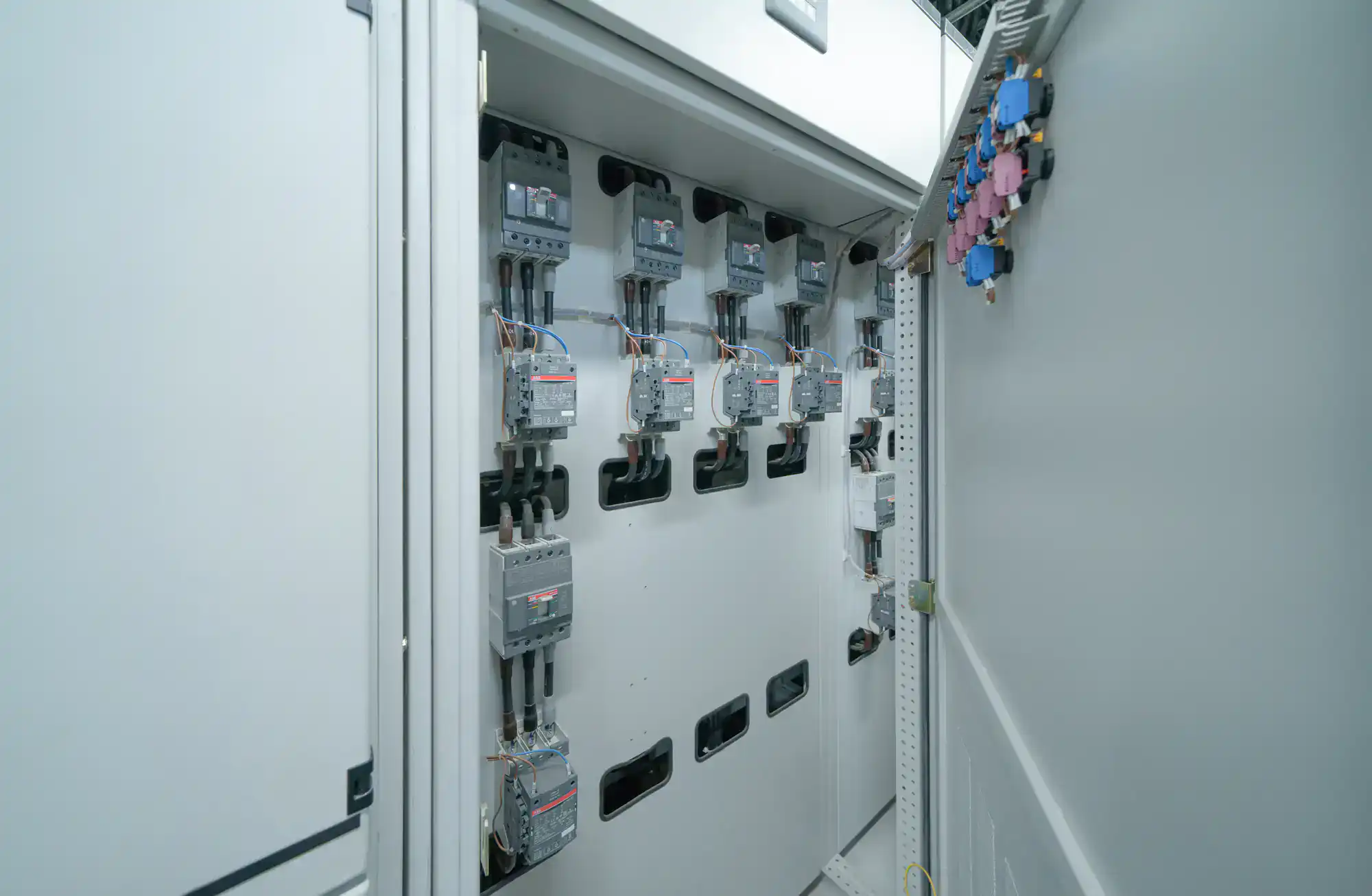
Backup Generator Installation Sandy, OR
Young Electric LLC is based in Clackamas—the same county where Sandy’s electrical permits are processed. When you’re installing a generator in Sandy, permits go through Clackamas County, not the City of Sandy’s building division. We work in this permitting jurisdiction regularly, which means no learning curve, no delays from an out-of-area contractor figuring out the process, and no corners cut at inspection time.
We were founded in 2007 and are second-generation and veteran-owned. That combination means our team brings both inherited electrical knowledge and a standard of accountability that shows up in the details—load calculations done right, transfer switches installed correctly, and every permit pulled as a standard part of the job. We back all installations with a five-year warranty, which is above what most local electrical contractors offer and matters more in a climate where generators work harder through longer, colder storm seasons.
With over four decades of combined experience across residential, commercial, and industrial electrical work, we’ve seen the edge cases—older panels in Sandy’s 1970s and 1980s ranch homes, rural properties with well pumps, and new construction in growing subdivisions like Hoodview Heights.
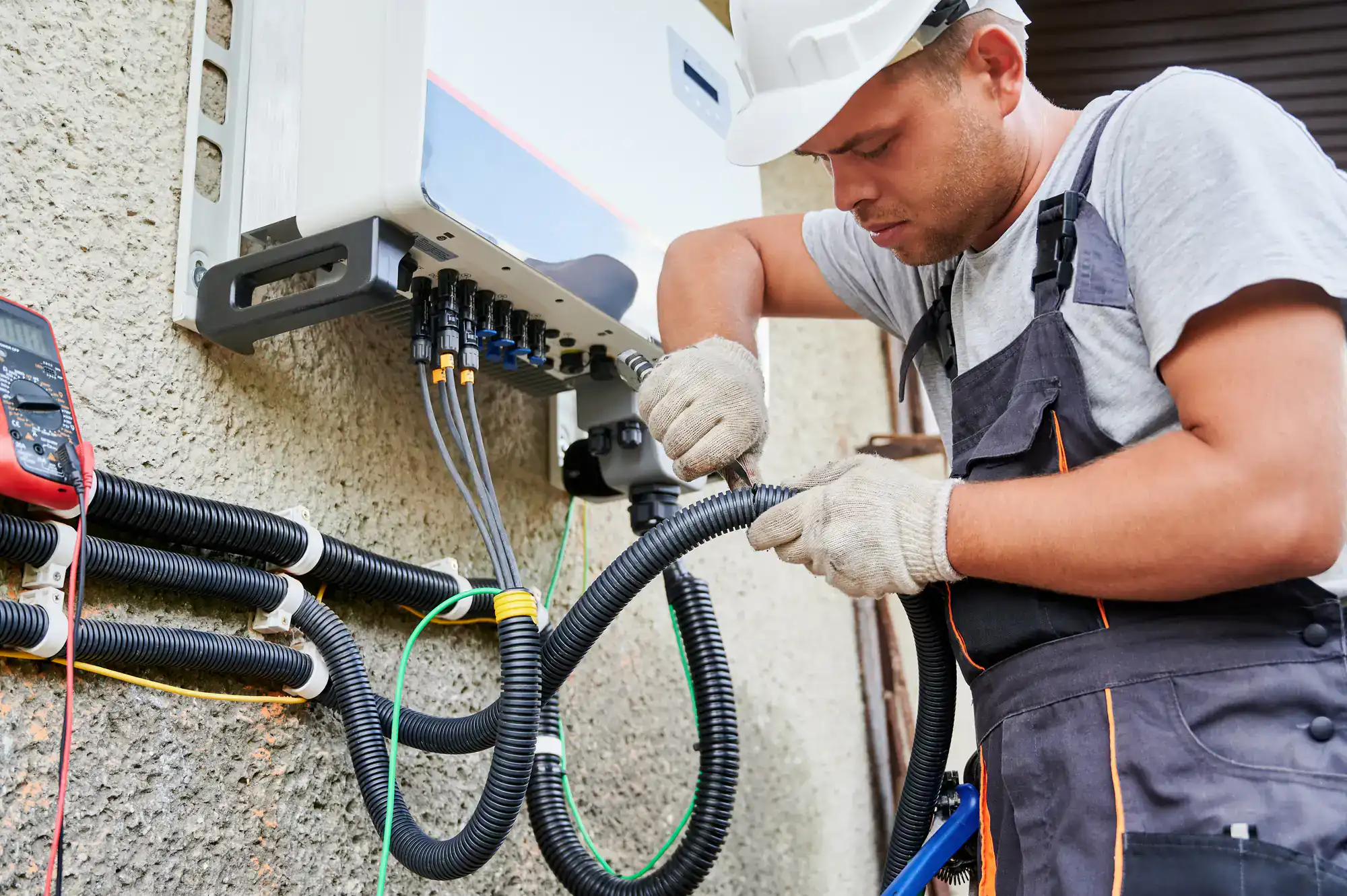
Whole House Generator Installer Sandy, OR
The first step is a site assessment. We come out to evaluate your property, look at your electrical panel, assess where the generator will be placed, and calculate the actual load your home needs to run during an outage. This is not guesswork—proper sizing is what separates a generator that handles your whole house from one that trips out when the well pump and the furnace run at the same time.
From there, the permitting process begins. In Sandy, electrical permits are handled through Clackamas County—not the city. We manage the permit application as part of the standard installation process. If your installation involves a new gas line or modifications to an existing one, that work is coordinated with the appropriate trades before the physical installation begins. This phase takes time, and that is worth understanding upfront.
The physical installation itself—setting the generator on a concrete pad or prepared base, connecting the fuel line, installing the automatic transfer switch, and wiring everything to your panel—typically takes a day. But the full process from first call to final inspection runs several weeks. If you are thinking about getting ahead of storm season, starting now is the right call.
After installation, we walk you through how the system works, what the weekly self-test cycle looks like, and what annual maintenance involves. You leave the job knowing how to use what you paid for.

Emergency Generator Installation Sandy, OR
We install standby whole house generators, portable generator systems, and backup generators for residential, small business, and commercial properties in and around Sandy. Every installation includes a load calculation to match the generator size to your actual electrical needs—not a one-size-fits-all recommendation. For properties in the Sandy area with private wells, the well pump circuit is factored into that calculation from the start, because losing water during a Cascade foothills winter is not a minor inconvenience.
The automatic transfer switch is a required component under Oregon’s Electrical Specialty Code, and we install it as a standard part of every job. This is the device that detects an outage and switches your home to generator power within seconds—no manual setup, no extension cords, no going outside in the dark. Oregon law also requires a permit for this work, and any installer who skips that step is creating a liability problem for you at resale and voiding your equipment warranty. We handle all permitting through Clackamas County as part of every Sandy installation.
The five-year installation warranty covers the labor and workmanship on every job. That is five years of coverage in a climate that averages around 65 inches of annual precipitation and where generators run through real winter events—not just occasional inconveniences. Young Electric LLC is licensed, bonded, and insured in Oregon, and we serve Sandy, Boring, Rhododendron, Welches, and the broader east Clackamas County area.
Do I need a permit to install a generator in Sandy, Oregon?
Yes—and in Sandy specifically, that permit comes from Clackamas County, not the City of Sandy. The city’s own building division directs residents to Clackamas County for all electrical permitting and inspection. Oregon’s Electrical Specialty Code requires a permit for any generator connection, including the automatic transfer switch installation that makes a standby generator work safely. This is state law, not a local formality.
The reason this matters to you is that any installer who skips the permit is cutting a corner that creates real consequences. It can void the manufacturer’s warranty on the generator itself, create liability issues if something goes wrong, and become a problem at the time of resale when a buyer’s inspector finds unpermitted electrical work. We pull the Clackamas County permit as a standard part of every Sandy installation—it is not an add-on or an option.
What size generator do I need for my home in Sandy?
The right size depends on what you need to run during an outage, and that answer is different for every property. A proper installation starts with a load calculation—a real assessment of your home’s electrical panel, your appliances, your heating system, and any other circuits that need to stay live when the grid goes down.
For Sandy-area properties on private wells, this calculation has to include the well pump, which draws significant power on startup. Running a furnace, a refrigerator, and a well pump simultaneously requires more capacity than a home on city water with the same square footage. Undersizing a generator means it trips out when you need it most. We do the load calculation before recommending any unit, so the system you install is matched to how your home actually runs—not to a general guideline pulled from a brochure.
How long does the full generator installation process take in Sandy?
The physical installation—setting the unit, connecting the fuel line, installing the transfer switch, and wiring to the panel—typically takes one day. But the full process from your first call to a completed, inspected installation runs several weeks, and that timeline is worth understanding before you start.
The permitting process through Clackamas County takes time. If your property needs a new gas line or modifications to an existing one, that work has to be scheduled and completed before the generator goes in. Site preparation—whether that’s a concrete pad, a gravel base, or clearing the installation area—also happens in advance. In Sandy, where storm season runs from October through February and demand for generator installation spikes after every major weather event, the homeowners who start the process in September are the ones who have their systems running before the first serious outage. Waiting until a storm has already hit means waiting behind everyone else who waited.
What is an automatic transfer switch, and why does my generator need one?
An automatic transfer switch is the device that connects your generator to your home’s electrical panel and manages the switchover between grid power and generator power. When it detects that the grid has gone down, it disconnects your home from the utility line and switches to generator power—automatically, within seconds, without you doing anything.
This matters for two reasons. First, it is required by Oregon’s Electrical Specialty Code. You cannot legally connect a standby generator to your home’s panel without one. Second, it is what makes a standby generator actually useful during the kind of winter events Sandy experiences. When a storm knocks out power at 2 in the morning, the transfer switch handles it while you sleep. You do not have to go outside, start anything manually, or run extension cords. The heat stays on, the refrigerator keeps running, and if you’re on a well, the pump keeps working. We install automatic transfer switches as a standard component of every generator installation in Sandy.
Is a whole house generator worth the cost for a Sandy, Oregon property?
For most Sandy-area homeowners, the answer is yes—and the math is more straightforward than it might seem at first. A standby generator adds 3 to 5 percent to your home’s value. On a property in Sandy’s current median range, that is a meaningful increase in equity that shows up at resale. Buyers in mountain-gateway communities specifically look for this feature, because they understand the outage risk that comes with the location.
Beyond the value increase, consider what an extended outage actually costs. Food loss, hotel stays if the house gets too cold, potential pipe damage in a hard freeze, and lost income if you work from home on SandyNet—those costs add up fast. Clackamas County ranks 2nd for power outages among all 35 Oregon counties. The January 2024 ice storm left parts of the county without power for over a week. A standby generator lasts 20 to 40 years with proper maintenance. Spread the cost over that lifespan and the protection it provides, and it is a different conversation than the sticker price alone suggests.
Can Young Electric install a generator on a rural property outside Sandy city limits?
Yes. We serve Sandy and the broader east Clackamas County area, including rural and semi-rural properties outside city limits along the Mount Hood Corridor—communities like Boring, Rhododendron, and Welches. These properties often have specific installation considerations that differ from in-town jobs: private wells that need to be factored into the load calculation, longer distances from the gas meter to the generator location, and in some cases, older electrical panels that may need evaluation before a transfer switch can be properly installed.
Rural properties in this area also tend to experience longer power restoration timelines after major storms. Utility crews prioritize by customer density, and a property on a rural road east of Sandy along the Sandy River corridor—the kind of location KGW specifically reported on during recent winter storm coverage—may wait longer for restoration than a neighborhood closer to Portland. That reality makes a standby generator a more practical piece of infrastructure for rural Clackamas County properties, not less. We handle the full process—load calculation, Clackamas County permitting, installation, and inspection—for properties throughout the area.
Useful Links