
Electrical Inspection in Sandy, OR
Sandy's Housing Stock Spans Four Decades—Know What's Actually in Your Walls

Hear from Our Customers
Home Electrical Inspection Sandy, OR
Most electrical problems don’t announce themselves. You might notice a breaker that trips more than it should, or lights that flicker when the heat kicks on—but you won’t know what’s actually causing it without someone qualified looking at the full system. Our home electrical inspection in Sandy, OR gives you a clear picture of what’s working, what isn’t, and what needs attention before it becomes a real problem.
Sandy’s housing growth since 2000 has been dramatic. The city’s population more than doubled in roughly two decades, which means the housing stock here runs the full spectrum. Newer homes in subdivisions like Bornstedt Views or Thatcher Green were built to modern code, but that doesn’t mean the electrical system is sized for today’s demands. Add a Level 2 EV charger, a hot tub, or a full smart home setup to a panel that wasn’t designed for that load, and you’ve got a system under stress that won’t always show it visibly.
Then there are Sandy’s older homes—the ones near the historic downtown corridor or in the surrounding neighborhoods that predate modern wiring standards. These homes can have wiring configurations that were acceptable decades ago but create real risk under today’s electrical loads. Knowing which situation you’re in isn’t guesswork. That’s what our thorough electrical wiring inspection in Sandy, OR is designed to tell you.

Ready to get started?

Electrical Safety Inspection Sandy, Oregon
Young Electric LLC has been doing electrical work in Oregon since 1974. That’s over 40 years of seeing what’s actually inside homes across the Portland Metro area—including the older housing stock along Sandy’s Pioneer and Proctor Boulevard corridor and the newer construction pushing out toward the edges of Clackamas County. We’re not a national franchise routing calls to whoever’s available. We’re a family-owned, veteran-led business where the standards don’t shift depending on who picks up the phone.
Owner Jeremy Young is a second-generation electrician and military veteran. Our team holds certification from the International Association of Electrical Inspectors—the organization specifically focused on inspection standards—along with IEC certification and Tesla Certified Electrical Contractor status. Young Electric LLC is fully licensed, bonded, and insured, with a certificate of insurance available on request.
With over 1,400 Google reviews at 4.8 stars, our track record speaks for itself. Customers consistently mention honest pricing, on-time arrivals, and clear communication—the things that matter most when you’re trusting someone to assess your home.
Residential Electrical Inspection Sandy, Oregon
It starts with a free estimate. You reach out, describe what you’re dealing with—whether that’s a specific concern, a recent storm event, a home purchase, or just the fact that the house hasn’t been looked at in years—and we give you a straight answer on what the inspection involves and what it will cost. No pressure, no vague ranges.
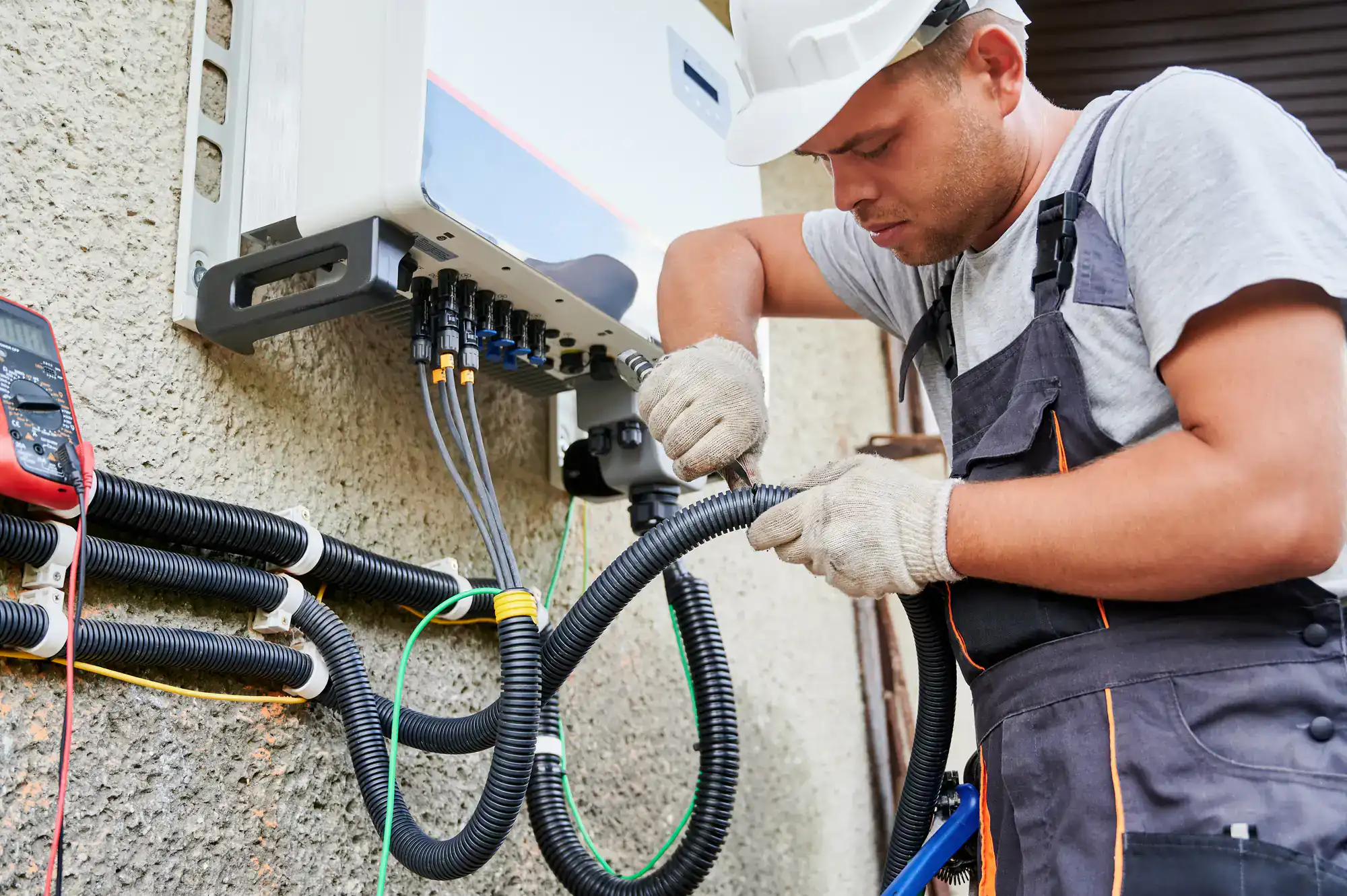
On inspection day, our team works through the full system: the electrical panel, wiring, outlets, switches, breakers, and the areas that often get skipped, like the attic and crawl space. Those hidden spaces are where older Sandy homes tend to hide the real issues. The inspection covers code compliance, GFCI and AFCI protection, grounding, circuit capacity, and any signs of damage or degradation.
For Sandy homeowners adding high-draw equipment—EV chargers, hot tubs, or major appliances—our panel assessment looks specifically at whether the existing system can handle the added load safely. One thing worth knowing: electrical permits in Sandy run through Clackamas County, not the City of Sandy. We handle that process correctly from the start.
At the end of the inspection, you get a full written report—what was found, what needs attention, and what the recommended next steps are. If repairs are needed, the same team that did the inspection can handle the follow-up work.

Electrical System Inspection Sandy, Oregon
Our electrical code inspection in Sandy, OR isn’t a surface-level walkthrough. We check the panel for capacity, condition, and code compliance—including whether the breaker load is appropriate for your home’s current and anticipated demand. Outlets, switches, and fixtures throughout the home are tested. GFCI protection is verified in kitchens, bathrooms, garages, and outdoor areas, and AFCI protection is checked where required under Oregon’s current electrical specialty code, which follows NEC 2023.
Sandy’s tree-heavy terrain and proximity to the Cascades mean power outages here are more frequent than in flatter parts of the Portland metro. After a significant storm event—downed lines, surge activity, extended outages—the system can take damage that isn’t visible from the panel. The inspection covers the places where that kind of damage tends to show up: wiring in the attic, connections in the crawl space, and the condition of the meter and main service entry.
For Sandy homeowners in older homes, the inspection looks specifically for wiring configurations that predate modern standards—including knob-and-tube wiring in pre-1940s structures and aluminum branch circuit wiring common in homes built in the 1960s and 70s. We’re also a Tesla Certified Electrical Contractor, which means EV charger-related panel assessments are handled by a team that’s been vetted specifically for that work. Every inspection ends with a complete written report: documented findings, identified deficiencies, and clear recommendations you can actually use.
Who handles electrical permits and inspections for Sandy, OR homeowners?
This is one of the more common points of confusion for Sandy residents. The City of Sandy’s Building Division handles structural, mechanical, and plumbing permits through the state’s Accela ePermitting system—but electrical permits and inspections are routed through Clackamas County, not the city. The county’s Building Division, located in Oregon City, processes all electrical permit applications for work done within Sandy’s city limits.
This matters because the permit process follows Oregon BCD requirements and the Oregon Electrical Specialty Code, which is based on NEC 2023. Any licensed contractor working in Sandy needs to know this routing and apply through the correct channel. We’re familiar with Clackamas County’s permitting process, including the county’s plan review timelines and the online application requirements. You won’t be left managing the paperwork side on your own.
How often should a Sandy, OR home get an electrical safety inspection?
The general industry recommendation is every three to five years for most homes. But that baseline assumes a relatively stable system in a home without significant changes. In Sandy, several factors can push that timeline forward.
Homes more than 40 years old—and Sandy does have a portion of its housing stock that falls into that category, particularly in the older neighborhoods near the downtown corridor—should be inspected sooner rather than later, especially if there’s no record of prior electrical work. Life changes are the other trigger. If you’ve added an EV charger, a hot tub, or a major appliance to your home’s electrical load, that’s a reason to have the system looked at regardless of when the last inspection happened.
The same goes for a significant storm event. Sandy’s position at the foot of the Cascades means power disruptions are part of life here, and a surge or downed line can leave damage in the system that isn’t obvious from the panel. When in doubt, a free estimate from Young Electric LLC costs you nothing and gives you a straight answer.
What's the difference between a home inspector's electrical check and a licensed electrician's inspection?
A general home inspector performs a visual walkthrough of the electrical system—they’re looking for obvious red flags, not conducting a technical assessment. They typically won’t test individual circuits, verify GFCI and AFCI protection, assess code compliance, or access areas like the attic and crawl space where wiring issues often hide. Their report flags concerns, but it doesn’t tell you the full story.
A licensed electrician performing a dedicated electrical inspection goes considerably deeper. The panel is assessed for capacity and condition. Circuits are tested. Code compliance is reviewed against Oregon’s current electrical specialty code. GFCI and AFCI protection is verified at every required location. The attic and crawl space are included—and in Sandy’s older homes, that’s often where the most significant findings are.
At the end of our inspection, you receive a written report with specific findings and recommendations, not a general note that says “electrical concerns observed—consult a licensed electrician.” That’s the report you’re paying for.
Should I get an electrical inspection after a power outage or storm in Sandy?
It depends on the nature of the event. A brief outage from routine grid switching is unlikely to cause internal damage. But if the outage involved a downed line near your property, a surge event, extended loss of power, or visible damage to your meter or service entry, having the system inspected is a reasonable step before assuming everything is fine.
Sandy’s tree-heavy terrain and Cascade proximity make it one of the more storm-exposed communities in the Portland metro area. PGE outages in Sandy are more frequent than in flatter parts of Clackamas County, and severe winter storms have left Sandy River area residents without power for extended periods. After that kind of event, damage can exist in wiring connections, the panel, or the crawl space without triggering any obvious symptoms right away. We can assess the system after a weather event and give you a clear picture of where things stand.
I'm buying a home in Sandy—do I need a separate electrical inspection?
If you’re relying solely on the general home inspection report, you’re working with incomplete information. Home inspectors are trained to identify a wide range of issues across every system in the house, but electrical is one area where their assessment is intentionally limited. They flag what they can see—and they’ll often recommend consulting a licensed electrician for anything that warrants a closer look.
For Sandy specifically, this matters more than it might in a newer suburb. Sandy’s housing stock spans from pre-1940s homes in the historic downtown area to brand-new construction in active subdivisions. An older home that looks fine on the surface might have knob-and-tube wiring in the attic or aluminum branch circuit wiring in the walls—both of which carry fire risk under modern electrical loads. A newer home might have a panel that isn’t sized for an EV charger or a hot tub.
A dedicated electrical inspection before closing gives you specific, documented information you can use in negotiations or repair requests—and it costs far less than discovering a problem after you’ve moved in.
Does Young Electric LLC handle both the inspection and any follow-up electrical repairs in Sandy?
Yes—and that continuity matters more than it might seem. When the same team that performed the inspection also handles the repair work, there’s no gap in understanding what was found, why it matters, and what the correct fix looks like. You’re not starting over with a new contractor who’s working from a written summary of someone else’s findings.
For Sandy homeowners, this is particularly useful when the inspection turns up issues that require permitted work through Clackamas County. We already know the permitting process, the code requirements under Oregon’s electrical specialty code, and what the work needs to look like to pass inspection. Whether the follow-up involves a panel upgrade, GFCI installation, wiring repair, or an EV charger circuit, the same licensed team handles it under the same warranty—including a five-year labor warranty on installations.
You’re not managing two separate contractors or two separate timelines. One call, one company, one standard of work from start to finish.
Useful Links