
Generator Installation near Raleigh Hills, OR
When the Power Goes Out in Raleigh Hills, Yours Stays On
Hear from Our Customers
Whole House Generator Installation Raleigh Hills, OR
The January 2024 ice storm cut power to 440,000 PGE customers across the Portland metro—some for nearly a week. In Raleigh Hills, where mature firs and oaks line residential streets off Beaverton-Hillsdale Highway and overhead power lines run through established tree canopy, that kind of outage isn’t a freak event. It’s what happens here when winter shows up.
A standby generator changes your relationship with that reality. When PGE goes down, your generator detects it within seconds and starts automatically. Your heat stays on. Your refrigerator keeps running. If anyone in your home depends on a CPAP machine, oxygen equipment, or refrigerated medication—and nearly one in four Raleigh Hills residents is 65 or older—that automatic response isn’t a convenience. It’s the reason you can stay home instead of evacuating.
There’s also a financial side worth knowing. With median home values in Raleigh Hills sitting around $913,700, a standby generator installation that adds 3 to 5 percent to your property’s value represents somewhere between $27,000 and $45,000 in added equity. That’s before you factor in what a single bad winter outage actually costs—spoiled food, a hotel for several nights, or a burst pipe in a home that lost heat for four days.

Ready to get started?

Whole House Generator Installer Raleigh Hills, OR
We’ve been doing electrical work in the Portland Metro since 2007. We’re a veteran-owned, second-generation business—which means the people doing the work have something personal invested in getting it right. That shows up in the details: permits pulled, inspections attended, work done to code, and a five-year warranty on every installation that most local contractors don’t come close to matching.
Raleigh Hills is unincorporated Washington County, which means your permits don’t go through a city building department—they go through the county. That distinction matters, and it’s the kind of thing that catches homeowners off guard when they’re trying to coordinate a generator installation on their own. We handle all of it as a standard part of the job, not an add-on.
We serve the entire Portland Metro area, including the west side corridor that runs through Lake Oswego, Garden Home, and the southwest hills communities. If you’re off Scholls Ferry Road or anywhere along the Beaverton-Hillsdale Highway stretch, you’re well within our service area—and we know the terrain.
Backup Generator Installation Process Raleigh Hills, OR
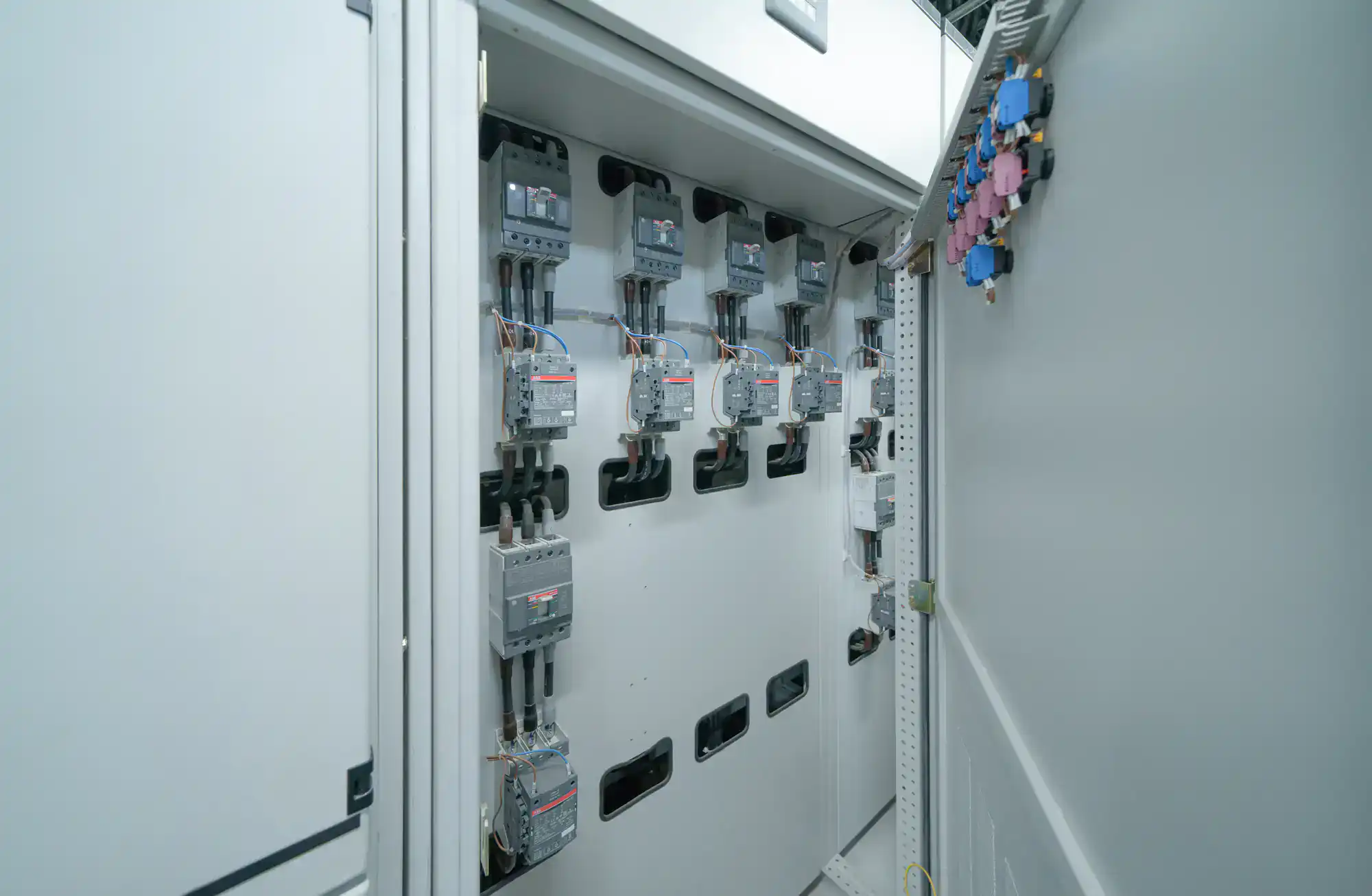
The first step is a site assessment. One of our licensed electricians comes out to your Raleigh Hills home, looks at your electrical panel, evaluates your load—meaning what your home actually needs to run during an outage—and helps you choose the right generator size. A lot of homes in the area have housing stock from the 1950s through 1970s, and older panels sometimes need evaluation before a standby system can be properly connected. We identify that upfront, not after the job starts.
From there, we handle the permit application with Washington County. Oregon law requires a permit for any generator connection to your home’s electrical system, and the work has to be done by a licensed electrical contractor. That’s not optional, and any installer who skips it is creating a problem that could surface when you sell your home or file an insurance claim.
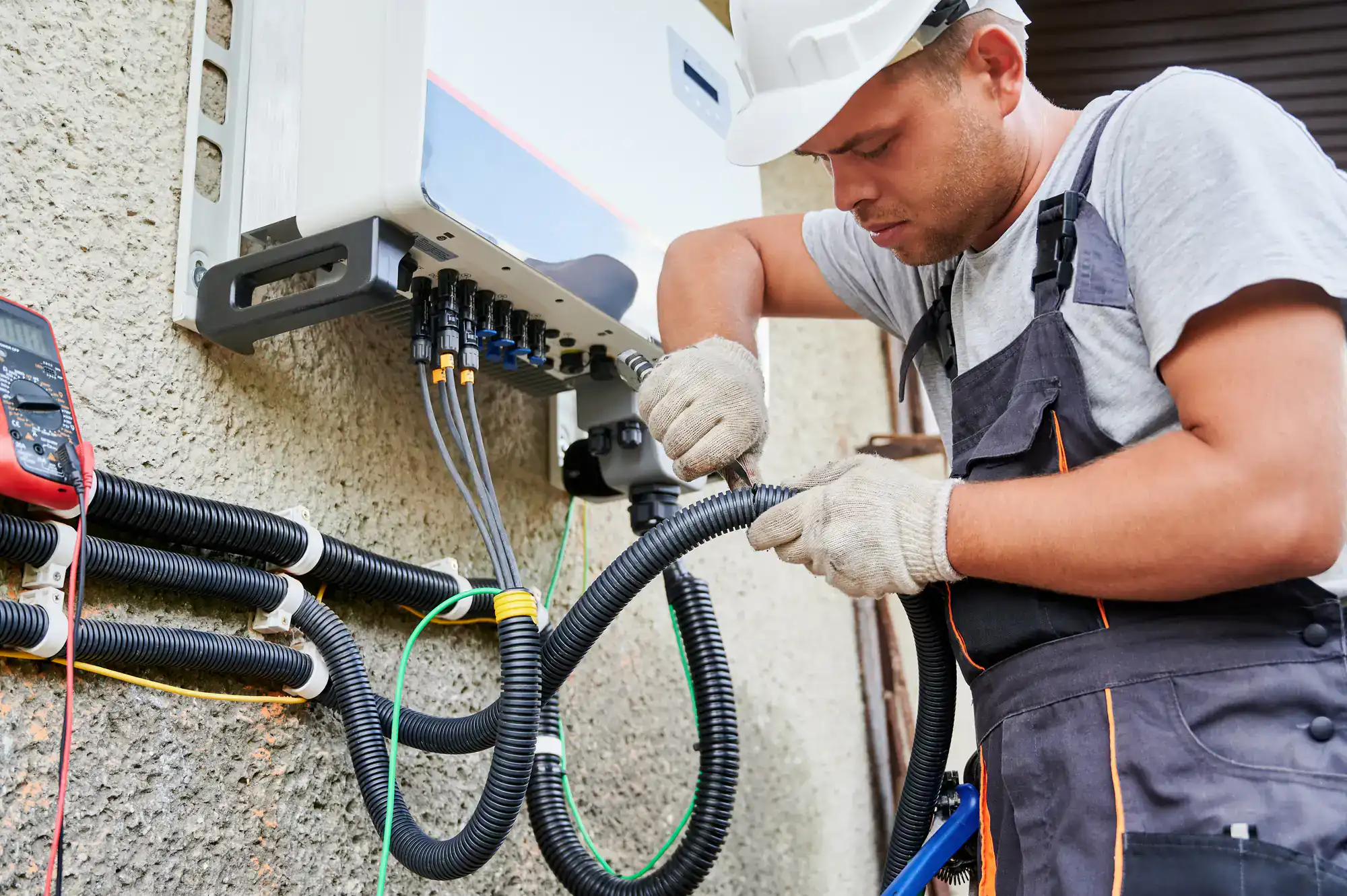
Once the permit is in hand, the physical installation typically takes one day—site prep, the concrete or gravel pad, fuel line connection, transfer switch installation, and final wiring. After installation, we test the system, register the warranty with the manufacturer, and walk you through how everything works—including the weekly self-test cycle your generator will run automatically. The full process from first call to a running system takes several weeks, which is worth knowing before storm season arrives and everyone else is suddenly in line ahead of you.

Emergency Generator Installation Raleigh Hills, Oregon
We install residential standby generators, whole house generators, portable generator setups, and backup systems for small businesses and commercial properties. Every job includes a proper load calculation—not a guess—so the system is sized for what your home actually needs, not what’s easiest to quote.
In Raleigh Hills specifically, a few things come up regularly. The mature tree canopy on quarter-acre to full-acre residential lots means site selection matters—the generator needs to be positioned with setbacks from structures and property lines that meet Washington County’s land use requirements. The older housing stock in parts of the neighborhood means panel condition gets evaluated as part of the assessment, since connecting a standby system to an undersized or outdated panel creates problems. And because Raleigh Hills sits in PGE’s service territory with a history of wind and ice-driven outages, we understand the urgency that comes with fall and winter installs.
Every installation includes transfer switch setup, all required permitting through Washington County, a full inspection sign-off, and our five-year warranty on the installation labor. We work with all major generator types and sizes—from units that cover essential circuits to whole house systems that keep everything running. If you’re not sure what you need, that’s exactly what the site visit is for.
Do I need a permit to install a generator in unincorporated Washington County?
Yes—and this is one of the most important things to get right in Raleigh Hills. Because the community is unincorporated Washington County rather than a city, your permits are issued by the county rather than a municipal building department. Oregon law requires a permit for any generator connection to your home’s electrical system, and the work must be performed by a licensed electrical contractor. This isn’t a technicality—it’s state law, and it applies whether you’re in Portland proper or in an unincorporated community off Scholls Ferry Road.
Skipping the permit creates real problems. It can void your generator’s warranty, complicate a future home sale, and create liability issues with your homeowner’s insurance if something goes wrong. We handle the Washington County permit application as a standard part of every installation—you don’t have to figure out the county’s process on your own. The permit fee typically runs somewhere between $80 and $500 depending on the scope of work, and it’s built into the overall project conversation from the start.
What size whole house generator do I need for my home?
The honest answer is that it depends on your home’s actual electrical load, and you shouldn’t trust a quote that doesn’t start with a load calculation. Generator sizing is one of the most common places homeowners get steered wrong—either they end up with a system that can’t handle their home’s real demand, or they overpay for capacity they don’t need.
A proper load calculation looks at your square footage, your heating and cooling system, major appliances, and any equipment that needs to stay on during an outage—medical devices, sump pumps, well pumps if applicable. For a typical Raleigh Hills home, which tends to be a larger single-family property with full HVAC and multiple major appliances, a whole house standby generator generally falls in the 16kW to 22kW range, though that varies. Homes with older electrical panels—which is common in the 1950s-1970s housing stock found in parts of the neighborhood—may also need a panel evaluation before sizing is finalized. We do this assessment as part of the site visit, so you get a recommendation based on your actual home, not a generic estimate.
How long does the full generator installation process take in Raleigh Hills?
Most homeowners are surprised by this one. The physical installation—setting the pad, connecting the fuel line, installing the transfer switch, and wiring everything in—typically takes one day once the crew is on-site. But the full process from your first call to a running system takes several weeks, and that timeline is worth understanding before you’re watching a storm forecast and hoping to get something installed by the weekend.
The weeks-long timeline comes from the steps that happen before the crew shows up: the site assessment, the load calculation, the Washington County permit application, coordinating with your gas utility if a new line or line extension is needed, and scheduling the inspection after installation. None of those steps can be skipped, and some of them are on the county or utility’s timeline, not ours. The practical takeaway is that if you’re in Raleigh Hills and you want a generator in place before the November windstorm season or the January ice storm window, starting the conversation in late summer or early fall gives you the most flexibility. Waiting until the first storm of the season means you’re in line behind everyone else who waited.
What's the difference between a standby generator and a portable generator?
A portable generator requires you to take action when the power goes out—drag it out of storage, run extension cords, make sure you have fuel on hand, and keep it outside to avoid carbon monoxide buildup. That’s manageable in mild conditions. In a Raleigh Hills ice storm at 2 a.m. in January, it’s a different situation entirely.
A standby generator is permanently installed outside your home, connected to your electrical system through a transfer switch, and fueled by natural gas or propane—so there’s no fuel to store and no manual setup required. When PGE detects an outage, the transfer switch activates automatically and the generator starts within seconds. You don’t have to do anything. For households with elderly residents, medical equipment, or anyone who shouldn’t be going outside in bad weather, that automatic response is the critical difference. Standby systems also power your whole home or a defined set of circuits—not just whatever you can reach with an extension cord. They run self-tests weekly, alert you to any issues, and are designed to run for extended periods, which matters when you’re looking at an outage that could last several days the way the January 2024 PGE storm did across the Portland metro.
Is a whole house generator actually worth the cost in Raleigh Hills?
That depends on what you’re protecting and what an outage actually costs you. Let’s be straightforward about the numbers. A whole house standby generator installed in Raleigh Hills typically runs between $10,000 and $20,000 fully installed, depending on the size of the system, any gas line work needed, and the specific conditions at your property.
On the other side of that equation: a standby generator adds 3 to 5 percent to your home’s value, according to Consumer Reports and multiple real estate sources. On a Raleigh Hills home at the area’s median value of $913,700, that’s $27,000 to $45,000 in added equity. Standby generators last 20 to 40 years with proper maintenance—so you’re spreading that cost over a very long horizon. And the cost of a bad outage is real and specific: spoiled food, hotel stays, pipe damage from a home that lost heat in freezing temperatures, lost income if you work from home. The January 2024 storm left some Portland metro households without power for nearly a week. For the roughly one in four Raleigh Hills residents who is 65 or older—many of whom depend on powered medical equipment or can’t easily leave home—the calculus isn’t really about convenience at all.
How does Young Electric LLC handle generator installations differently from other local contractors?
A few things stand out. The five-year warranty on installation labor is the most concrete one—most local electrical contractors offer a one-year labor warranty, which is the industry standard. We back our installations for five years, which signals something real about how we approach the work.
The second thing is the permitting. Because Raleigh Hills is unincorporated Washington County, the permit process runs through the county rather than a city building department—a detail that trips up homeowners who assume the process works the same as it does in Beaverton or Portland. We handle Washington County permitting as part of every job, not as something you have to coordinate separately. Third, we’ve been operating in the Portland Metro since 2007, we’re veteran-owned, and we’re second-generation—meaning the people doing the work have a long track record in this region and a personal stake in the quality of every job. We answer the phone directly, we explain the process in plain language, and we do a proper load calculation before recommending a system size. That last part matters more than most homeowners realize—it’s the difference between a generator that actually covers your home and one that falls short when you need it most.
Useful Links