
Electrical Inspection in Raleigh Hills, OR
Raleigh Hills Homes Built in the 1960s Need More Than a Surface Check

Hear from Our Customers
Home Electrical Inspection Raleigh Hills
A lot of Raleigh Hills homes look great from the outside. The mature trees, the quiet streets off Scholls Ferry Road, the well-kept ranches and split-levels that have stood since the 1960s—they all look solid. But what’s inside the walls, in the attic, and underneath the crawl space is a different conversation.
Wiring from that era was built for a completely different electrical load. Not for EV chargers, not for smart home systems, not for the kind of daily draw that a modern household puts on a circuit. A proper residential electrical inspection gives you clarity on what’s actually happening with your system—where it’s holding up fine and where it needs attention. For a home in this price range, that information is worth having before something goes wrong, not after.
Homeowners who’ve been in the same Raleigh Hills house for 20 or 30 years are often surprised by what a thorough inspection turns up—not because the home was neglected, but because electrical systems age quietly. Oregon’s wet winters also play a role here. From October through April, moisture works its way into crawl spaces under older homes throughout western Washington County. That persistent dampness degrades wire insulation over time, corrodes connections, and creates conditions you’d never notice from inside the living room. An electrical safety inspection that covers the crawl space—not just the panel—gives you the full picture.

Ready to get started?
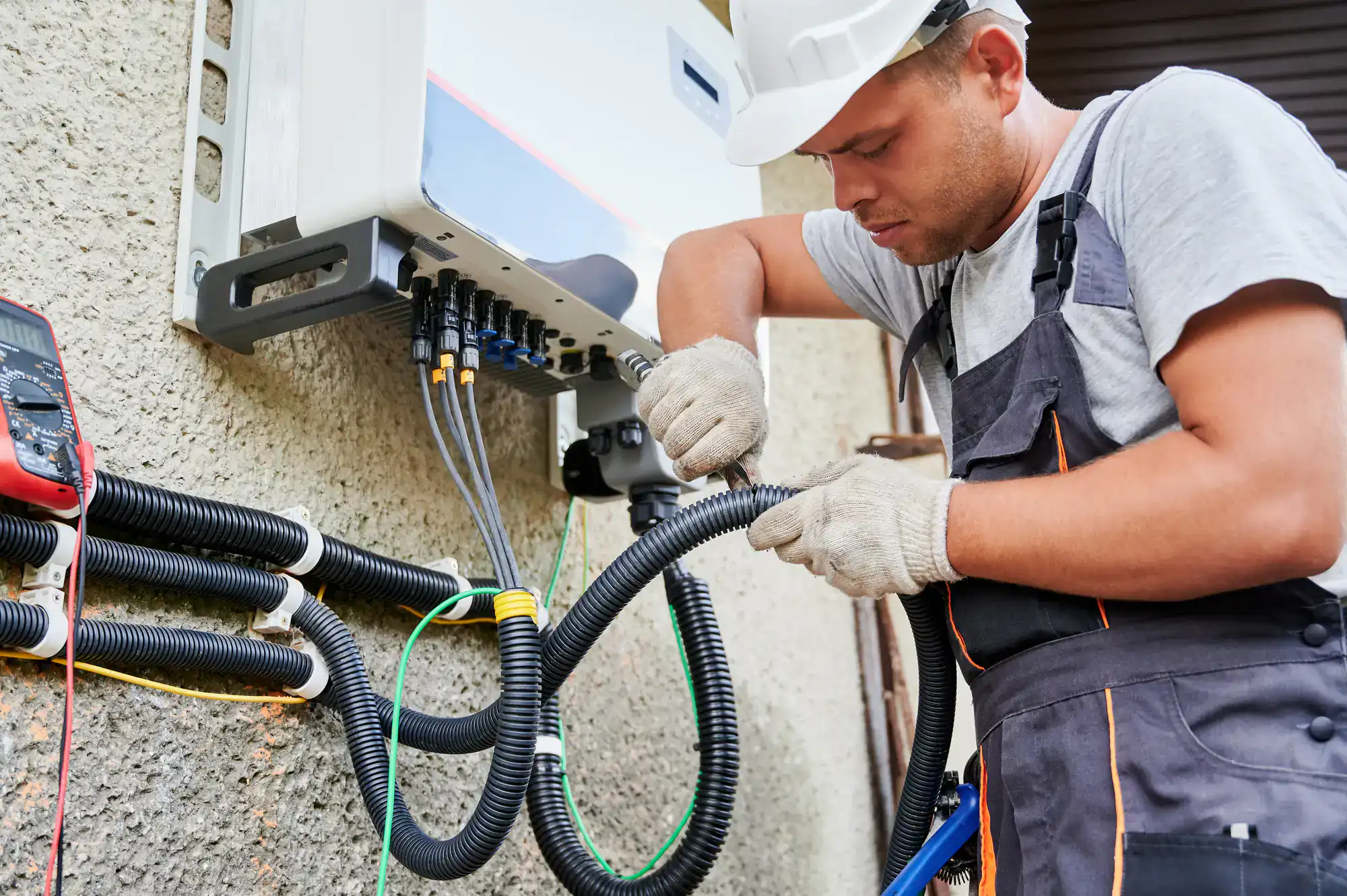
Electrical Inspection Services Raleigh Hills, OR
Young Electric LLC is based out of Beaverton, just a few miles west along the Beaverton-Hillsdale Highway corridor that runs straight through Raleigh Hills. We’re not a Portland company making occasional trips to the suburbs. Our team has been working in homes throughout this part of Washington County since 1974, and that history matters when you’re dealing with housing stock that spans construction eras from the 1930s through the 1970s.
Owner Jeremy Young is a second-generation electrician and military veteran who built this business around doing the job right. Young Electric LLC holds certification from the International Association of Electrical Inspectors—the professional organization dedicated specifically to electrical inspection standards. That’s not a credential most electricians carry, and it’s directly relevant when you’re hiring someone to assess a high-value Raleigh Hills home.
With a 4.8-star rating across more than 1,400 Google reviews, our track record speaks for itself. Customers consistently describe our team as on-time, thorough, and honest—no pressure, no inflated findings, just a straight assessment of what’s there.

Residential Electrical Inspection Process Raleigh Hills
It starts with a free estimate. You describe what you’re working with—the age of your home, any concerns you’ve noticed, whether you’re buying, selling, renovating, or just overdue for a check—and we give you a straight answer on what the inspection will cover and what to expect.
On the day of the inspection, one of our licensed electricians goes through your home systematically. That means the electrical panel, the wiring throughout the living spaces, every outlet and switch, the GFCI and AFCI protection in kitchens, bathrooms, and garages, and—critically for a Raleigh Hills home—the attic and crawl space. Those last two areas are where older homes tend to hide the most significant issues. Knob-and-tube wiring in a pre-1950 bungalow, aluminum wiring in a 1960s ranch, deteriorating insulation in a damp crawl space—these are things we find by actually going there, not by glancing at the panel.
Because all electrical work in Oregon falls under the state’s Building Codes Division requirements and follows the 2023 Oregon Electrical Specialty Code, we conduct the inspection against the current standard. At the end, you receive a full written report covering every finding, any deficiencies identified, and specific recommendations. That report is yours to keep—for insurance purposes, for a real estate transaction, for planning future work, or simply as a documented record of where your system stands.

Electrical Wiring Inspection Raleigh Hills, Oregon
Our electrical wiring inspection covers the full system—not a quick visual pass, but a methodical assessment of every major component. We check the panel for capacity, condition, and code compliance. We test individual circuits for proper voltage, grounding, and load balance. We test outlets and switches throughout the home. We verify GFCI protection in wet areas and AFCI protection in bedrooms and living spaces. We assess smoke and carbon monoxide detector placement. We review surge protection.
For Raleigh Hills homes specifically, the crawl space and attic inspection carries extra weight. Washington County’s wet winters create persistent moisture conditions under older homes along corridors like Oleson Road and throughout the Raleigh HillsGarden Home area. Wire insulation that has spent decades in a damp crawl space doesn’t look the same as it did when it was installed—and a licensed electrician who knows what to look for in a Pacific Northwest home will catch things that a general home inspector’s surface-level check would miss.
If the inspection turns up issues, you don’t have to start the search for a second contractor. We can handle follow-up electrical work under the same license, the same 5-year labor warranty, and the same team that did the inspection. For homeowners managing a high-value property in an unincorporated Washington County community, that continuity makes the process considerably simpler.
What does a home electrical inspection include for older Raleigh Hills homes?
For homes in Raleigh Hills—particularly those built between the 1940s and 1970s—a thorough electrical inspection goes well beyond checking the panel. We cover the panel itself, all accessible wiring, outlets, switches, circuit breakers, grounding, GFCI and AFCI protection, and the meter box. But the areas that matter most in older Raleigh Hills homes are the crawl space and attic. Pre-1950 homes in this area sometimes still have knob-and-tube wiring, and homes built in the 1960s and early 1970s may have aluminum branch circuit wiring—both of which carry specific risks that a licensed electrician needs to assess directly.
We also look at whether the existing electrical service—often 60 or 100 amps in homes of that era—is adequate for the load your home is actually running today. If you’ve added an EV charger, a hot tub, or a home office setup to a house that was wired for a much simpler time, that’s a real question worth answering. At the end of the inspection, you receive a full written report with every finding documented.
How often should a Raleigh Hills homeowner schedule an electrical system inspection?
The general industry recommendation is every three to five years for most homes. For homes that are 40 years old or older—which describes a significant portion of the housing stock in Raleigh Hills—more frequent inspections are appropriate, especially if the system hasn’t been formally assessed by a licensed electrician in recent memory. If you’ve lived in the same Raleigh Hills home for 20 or 30 years and can’t recall the last time an electrician looked at the wiring, that’s a reasonable starting point for scheduling one now.
There are also specific life events that make an inspection worth doing regardless of the calendar: buying or selling a home, completing a renovation, adding a high-draw appliance like an EV charger or hot tub, an insurance renewal that requires documentation, or any time you notice symptoms like flickering lights, tripping breakers, or outlets that feel warm. In western Oregon, late summer and early fall are a practical time to schedule—before the wet season sets in and crawl space conditions become more difficult to work in.
Is there a difference between a home inspector's electrical check and a licensed electrician's inspection?
Yes, and it’s a meaningful one. A general home inspector performs a visual assessment of accessible electrical components—they’re looking for obvious red flags, not conducting a technical evaluation. They typically won’t test individual circuits, verify GFCI and AFCI protection function, assess panel capacity against current load, or go deep into a crawl space to examine wiring conditions. Their report flags concerns for further evaluation; it doesn’t resolve them.
A licensed electrician performing a dedicated electrical inspection is doing something fundamentally different. We test, not just observe. We assess code compliance against the current standard—in Oregon, that’s the 2023 Oregon Electrical Specialty Code based on NEC 2023. We evaluate the system as a whole, not just the parts that are visible without moving anything. For a Raleigh Hills home where the crawl space wiring has been sitting in Pacific Northwest moisture conditions for decades, that distinction is exactly why a separate electrical inspection matters even if you already had a general home inspection done.
Do I need a permit for an electrical inspection in Raleigh Hills, OR?
An inspection-only assessment of your existing electrical system does not require a permit in Oregon. A licensed electrician can evaluate your wiring, panel, and overall system condition without pulling a permit for that assessment alone. The written report you receive at the end is documentation of findings, not permitted work.
Where permits come into play is if the inspection identifies issues that require repair or upgrade work. Any electrical work performed in Oregon—including in unincorporated Washington County areas like Raleigh Hills—must be permitted through the state’s Building Codes Division and inspected upon completion. Oregon law requires that permit holders request an inspection within 24 hours of completing permitted electrical work. If we perform follow-up repairs after an inspection, we handle the permit process as part of the job—you don’t have to navigate that separately. It’s one of the practical advantages of working with a company that can both assess and repair.
What are the most common electrical issues found in Raleigh Hills homes during an inspection?
The most common findings in older Raleigh Hills homes fall into a few consistent categories. Panel issues are frequent—undersized service panels from the 1960s and 1970s that were designed for a fraction of today’s electrical load, breakers that are worn or improperly sized, and in some cases Federal Pacific or Zinsco panels that have documented reliability concerns. Wiring issues are also common: aluminum branch circuit wiring from the 1960s70s era requires specific handling at connection points to remain safe, and knob-and-tube wiring in pre-1950 homes needs to be evaluated for condition and load.
Crawl space wiring is another recurring area of concern in this part of western Washington County. Decades of Pacific Northwest wet seasons take a toll on wire insulation in spaces that weren’t designed to stay dry year-round. Missing or non-functional GFCI protection in kitchens, bathrooms, and garages is also a common finding—these protections weren’t required by code in older construction, so many homes simply don’t have them where they’re now expected. None of these findings are automatic emergencies, but they’re the kind of things you want documented and addressed on your timeline rather than discovered during a crisis.
Why does Young Electric LLC serve Raleigh Hills specifically, and how close are you?
Young Electric LLC is headquartered at 9999 SW Wilshire Street in Beaverton—a short drive west along the Beaverton-Hillsdale Highway corridor that runs directly through Raleigh Hills. We’ve been serving homes throughout this part of Washington County since 1974, which means our team has worked in the same construction eras and the same climate conditions that define the Raleigh Hills housing stock. That’s not something a newer company or a distant metro contractor can replicate.
Raleigh Hills is an unincorporated Washington County community—one of the most established residential areas in the county. Homeowners here tend to be careful about who they let in the door, and for good reason when homes regularly sell in the $700,000 to $2 million range. Our IAEI certification, our 4.8-star rating across more than 1,400 Google reviews, and our 40-plus years of operating in this region are the kind of credentials that matter in a community where reputation carries real weight. The free estimate is how you start the conversation—no commitment, no pressure, just a straight answer on what an inspection would involve for your home.
Useful Links