
Generator Installation near Oregon City, OR
Oregon City Knows What a Long Outage Costs — Here's How to Never Find Out Again
Hear from Our Customers
Whole House Generator Installation near Oregon City, OR
A standby generator doesn’t just keep your lights on. It keeps your heat running when temperatures drop below freezing, your pipes from bursting, your food from spoiling, and your medical equipment from going dark at 2 AM during an ice storm. That’s not hypothetical for Oregon City residents — that’s what January 2024 looked like for thousands of Clackamas County homeowners without power for days while temperatures stayed below freezing.
The difference between a standby generator and hoping for the best is automatic. When PGE cuts out, a properly installed standby unit detects the outage and starts within seconds — no extension cords, no running to the garage in the dark, no stored fuel to manage. It runs on natural gas or propane, self-tests weekly, and works whether you’re home or not.
For Oregon City homeowners, this matters more than it does in most Portland Metro suburbs. Clackamas County consistently ranks as the most outage-affected county in PGE’s entire service territory. The river valley geography, the dense tree canopy in neighborhoods like Canemah and McLoughlin, and exposure to Columbia River Gorge wind events all add up to above-average grid vulnerability. A whole house generator in Oregon City isn’t an upgrade — it’s a practical response to a documented pattern.

Ready to get started?
Licensed Generator Installer near Oregon City, OR
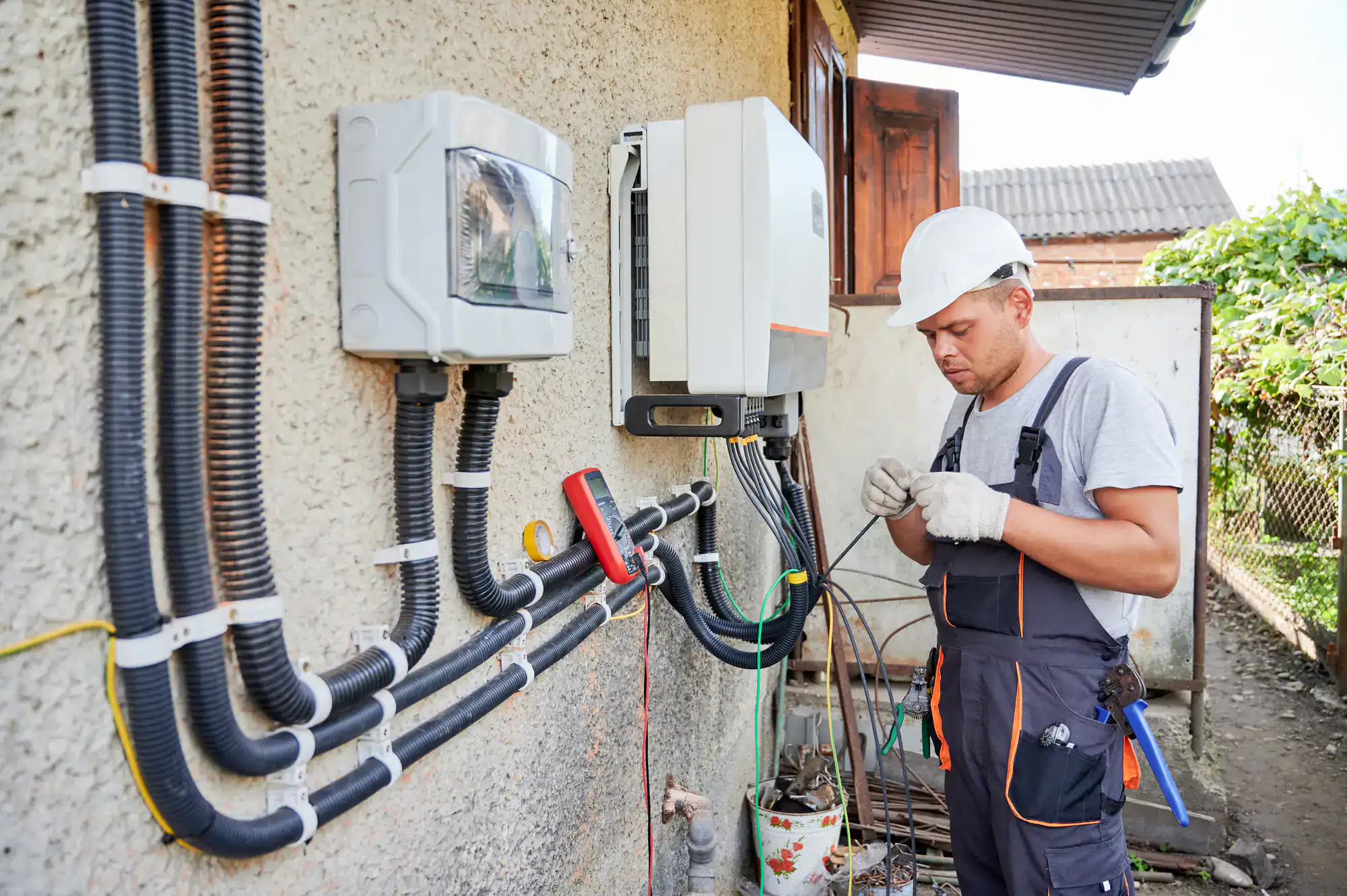
Young Electric LLC is a second-generation, veteran-owned electrical contractor based in Clackamas — about five miles from Oregon City’s city center. That proximity isn’t incidental. Working in Oregon City and the surrounding area means understanding the local permit process, knowing the PGE service territory intimately, and being familiar with the housing stock that makes up neighborhoods like Canemah, Park Place, and the Beavercreek corridor.
We’ve been operating since 2007, with over four decades of combined experience across residential, commercial, and industrial electrical work. Every installation we complete is backed by a five-year warranty — which is above what most local electrical contractors offer and reflects a straightforward standard: the work should hold up, and if it doesn’t, that’s on us.
We’re licensed, bonded, and insured, and pulling permits is part of our standard process — not an add-on. Oregon law requires it for any generator connection, and any installer who skips that step is cutting a corner that creates real risk for you down the line.
Home Generator Installation Process near Oregon City, OR
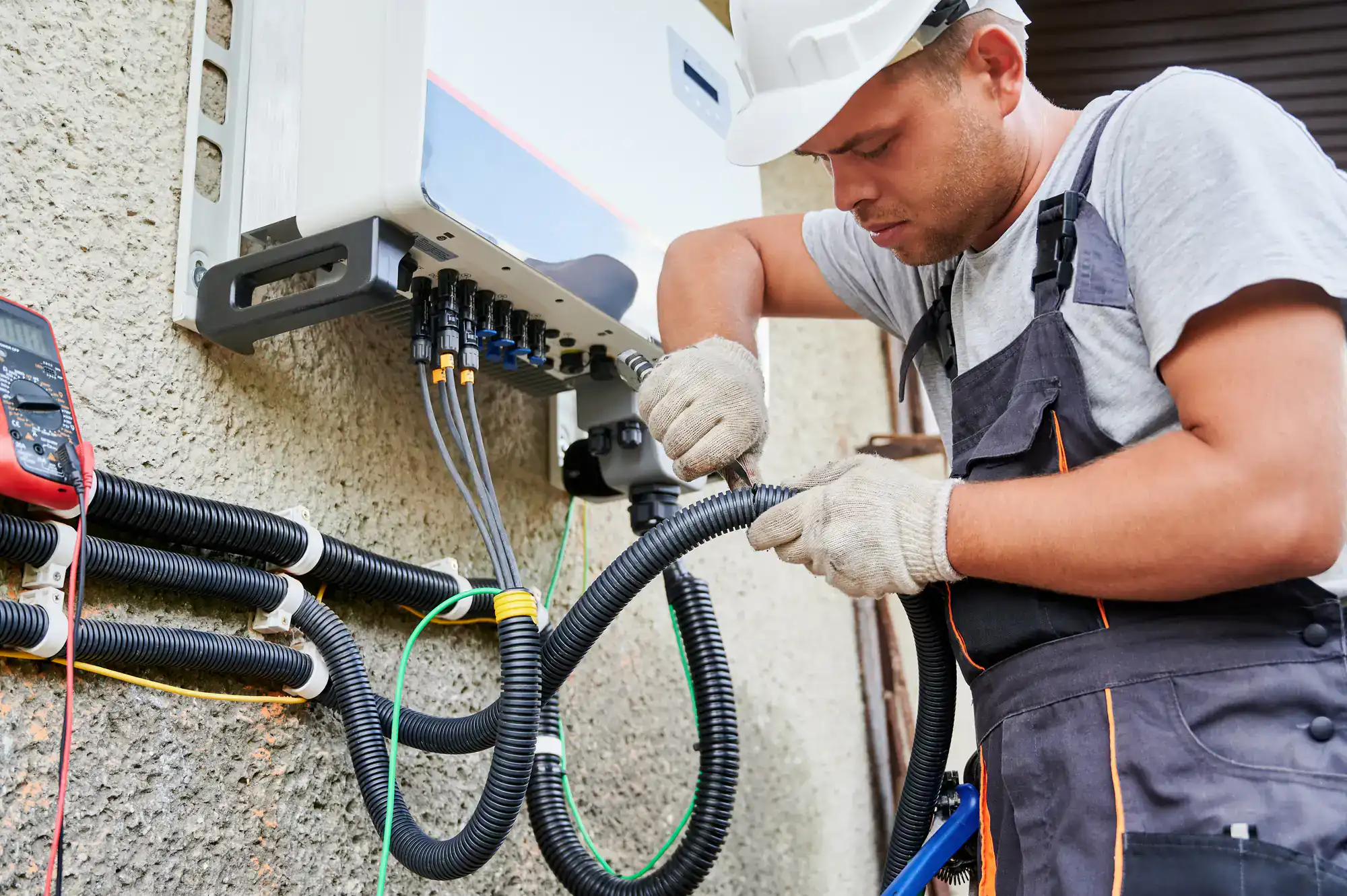
The first step is a site assessment. We come out, look at your home’s electrical panel, evaluate your load — meaning what your home actually needs to run during an outage — and help you choose the right generator size and type. This step matters more in Oregon City than people expect, because a significant portion of the city’s housing stock is older. Homes in the Canemah Historic District, the McLoughlin area, and parts of Park Place often have panels that need upgrading before a standby generator can be properly connected. Catching that early means no surprises mid-project.
From there, the process moves through permit application, site preparation — which typically involves a concrete pad or pea gravel bed for the unit — fuel line connection coordinated with your gas provider, transfer switch installation, and a final inspection. Oregon state law requires a permit and a licensed electrician for all of this, and we handle the permitting as part of the job.
The physical installation itself usually takes one day. The full process — permits, inspections, gas line coordination, equipment lead time — typically runs several weeks from first call to a running system. That’s worth knowing now, before storm season is already here. Oregon City’s worst outages tend to come in January and February, and the homeowners who are ready are the ones who started the conversation in the fall.
Backup Generator Installation near Oregon City, OR
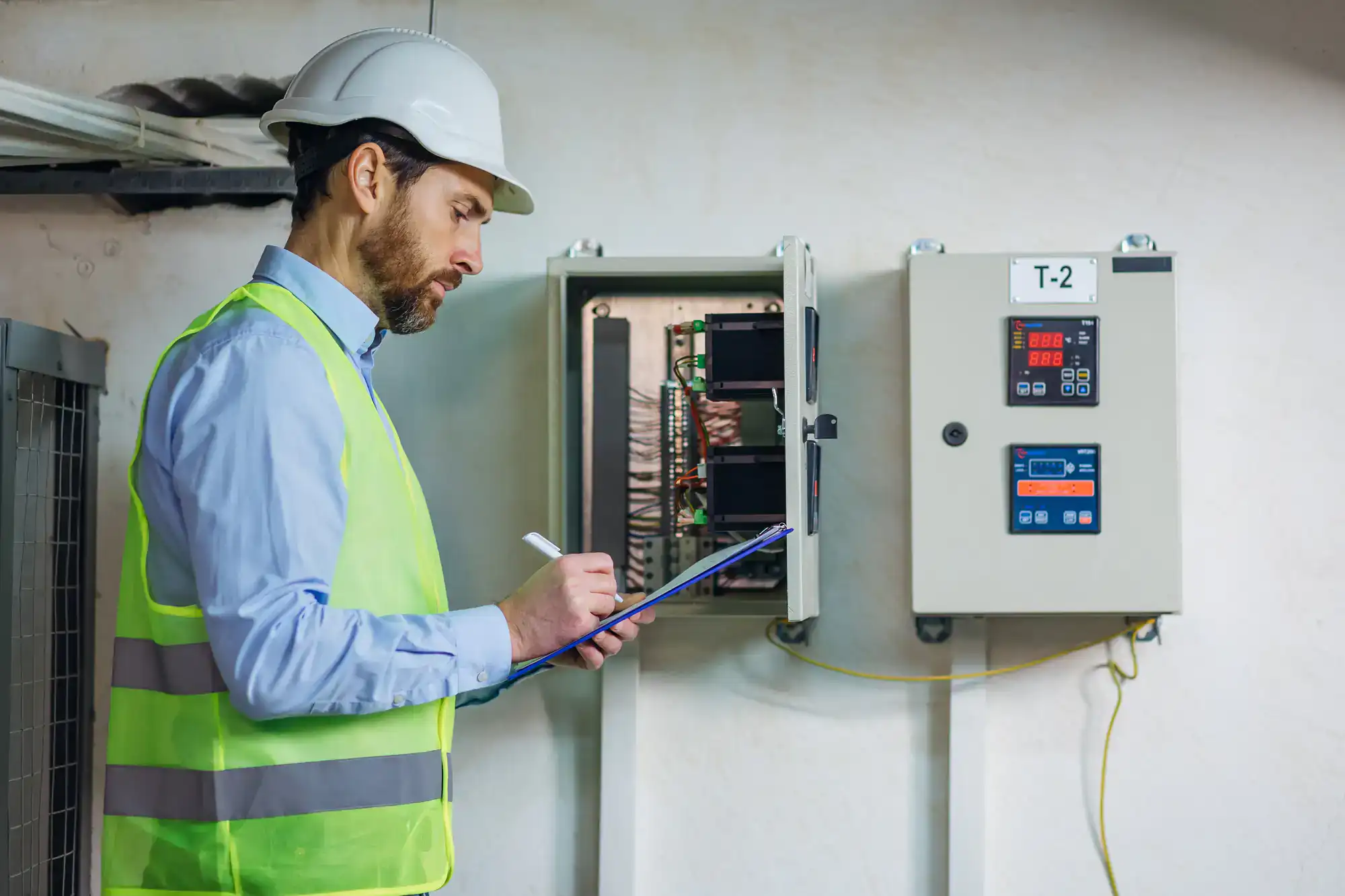
We handle the full scope of a generator installation — from system selection through final inspection. That includes helping you choose the right generator for your home’s actual load, not just a ballpark guess. It includes transfer switch installation, which is legally required in Oregon and is what allows the generator to power your home safely without back-feeding the grid. It includes all permitting and coordination with inspectors. And it includes the five-year warranty on the installation itself.
For Oregon City homes specifically, our service often starts with a panel conversation. Homes built before the 1980s — and Oregon City has a lot of them, including some of Oregon’s oldest residential housing in the Canemah and McLoughlin districts — frequently have panels that aren’t compatible with a modern standby generator connection without an upgrade. We’re a full-service electrical contractor, so if your panel needs work before the generator can go in, that’s handled in the same project relationship rather than sending you to find a separate electrician first.
We work with residential, commercial, and industrial generator installations. Whether you’re protecting a single-family home in Beavercreek, a property in Gaffney Lane, or a small business near OR 99E, the process is the same: assess the actual need, size it correctly, install it to code, and back it with a warranty that means something.
Does Oregon City require a permit for generator installation, and who handles that?
Yes — Oregon state law requires a permit for any generator connection to a home’s electrical system, and the work must be performed by a licensed electrical contractor. This isn’t optional, and it applies across all of Oregon, including Oregon City and the rest of Clackamas County. The permit process involves submitting plans, having the work inspected upon completion, and ensuring the transfer switch meets code requirements that prevent back-feeding into the PGE grid.
We handle all permitting as a standard part of the installation — not as an add-on. If you’re getting quotes from other installers and someone tells you a permit isn’t necessary, that’s a significant red flag. Skipping the permit can void your equipment warranty, create liability if something goes wrong, and cause problems if you ever sell the home. In Oregon City, with active local enforcement and historic districts with specific code considerations, this is not a step to cut.
My Oregon City home is older — do I need a panel upgrade before installing a generator?
Possibly, and it’s worth finding out before you commit to anything. Oregon City has some of the oldest residential housing in Oregon — Victorian-era homes in the Canemah Historic District, early 20th-century Craftsman bungalows in the McLoughlin area, and mid-century homes throughout neighborhoods like Park Place and Gaffney Lane. Homes built before the 1980s frequently have electrical panels that are undersized or incompatible with a modern standby generator connection.
The only way to know for sure is a site assessment. During that visit, we evaluate your existing panel, your home’s load requirements, and what it would take to connect a standby generator properly. If a panel upgrade is needed, it’s handled as part of the same project — you’re not sent to find a second contractor before the generator work can begin. Catching this early prevents cost surprises and keeps the timeline on track.
What size generator does a typical Oregon City home actually need?
There’s no universal answer, and any installer who gives you a size recommendation without first doing a load calculation is guessing. The right generator size depends on your home’s square footage, what you want to power during an outage, your heating system type, and whether you have any high-draw appliances like a well pump, electric range, or home medical equipment.
For a typical Oregon City single-family home, most homeowners are choosing between a 13kW and 22kW standby unit. Smaller homes or homeowners who only need to cover essentials — heat, refrigerator, lights, and a few outlets — can often get by on the lower end of that range. Larger homes or those with electric HVAC systems generally need more capacity. The goal of the site assessment is to get this right the first time, because an undersized generator is just as frustrating as no generator when a January ice storm rolls through Clackamas County and you’re trying to run your furnace.
How long does the full generator installation process take near Oregon City?
The physical installation — setting the unit, connecting the transfer switch, running the fuel line, and completing the wiring — typically takes one day. But the full process from first call to a running system is longer than most people expect, usually several weeks. That timeline accounts for the site assessment, permit application and approval, equipment lead time, gas line coordination with your provider, and the final inspection.
This is especially relevant for Oregon City homeowners who are thinking about getting a generator after hearing about a storm or a neighbor’s outage. The instinct is to call and have it running within the week — but that’s not how the process works, and any installer who promises otherwise is either skipping steps or hasn’t thought through the logistics. Oregon City’s worst outages historically happen in January and February. Starting the conversation in late summer or fall means you’re ready before the weather turns, not scrambling after it already has.
Is a whole house generator actually worth the cost for an Oregon City homeowner?
That depends on how you’re measuring it, but the numbers tend to make a strong case. A standby generator adds 3% to 5% to your home’s value according to Consumer Reports and other sources. For a median Oregon City home valued around $531,400, that’s roughly $15,900 to $26,600 in added resale value — before you count a single hour of protection. A standby generator also lasts 20 to 40 years with proper maintenance, so the cost is spread over a long lifespan.
On the risk side, consider what a bad outage actually costs. Food loss, hotel stays if the house gets too cold, potential pipe damage if temperatures stay below freezing, and lost income if you work from home all add up fast. In 2024, U.S. customers averaged 11 hours without power — the highest in over a decade — and Clackamas County homeowners experienced some of the most severe outage conditions in PGE’s recorded history. When you factor in the home value increase, the long lifespan, and the real cost of a major outage, the investment tends to look a lot more reasonable than the upfront number suggests.
How does Young Electric compare to other generator installers near Oregon City?
There are several generator installers serving Oregon City and the surrounding area. What sets Young Electric LLC apart comes down to a few specific things. First, the five-year warranty on installations — most local electrical contractors offer a standard one-year labor warranty. A five-year warranty is a documented commitment that the work will hold up, and it’s meaningful in a market where at least one local installer has received reviews describing deposits taken without work being completed.
Second, we’re a full-service electrical contractor, not just a generator installer. In a city like Oregon City, where older homes often need panel work before a generator can be properly connected, that matters. You’re working with one contractor who can assess and handle both, rather than coordinating between two separate companies. Third, we’re based in Clackamas — within the same county, under the same permit jurisdiction, and familiar with the same PGE service territory that Oregon City homeowners deal with. That’s not a distant Portland company treating Oregon City as a secondary market. It’s a local contractor who works here every day.
Useful Links