
Hot Tub Electrical Installation in Oregon City
Oregon City's Older Homes Deserve a Proper Panel Check First

Hear from Our Customers
Hot Tub Wiring in Oregon City, OR
Oregon City is the oldest incorporated city west of the Rockies. That history is part of what makes it a great place to live — and part of what makes hot tub electrical installation here more involved than it is in newer suburbs like Bethany or Happy Valley. Homes in McLoughlin, Canemah, and South End were built long before 240V hot tubs existed. A 100-amp panel with no open slots, or an aging panel that was never designed for today’s loads, can’t legally or safely accept a new dedicated circuit without an upgrade.
When we come out for your free estimate, panel assessment is part of the process. You’ll know upfront whether your existing service can support the hot tub wiring, whether a subpanel makes more sense than running a long circuit from the main panel, and what the full scope of work looks like before any commitment is made.
Once the work is done, it’s backed by a 5-year labor warranty. In a climate where outdoor electrical components face seven months of wet Pacific Northwest weather every year, that warranty means the installation was built to last through Oregon City winters, not just look good on a dry August afternoon.
Ready to get started?

Hot Tub Electrician Serving Oregon City
Young Electric LLC is a family-owned, veteran-owned electrical contractor based in the Portland Metro area, with over 40 years of combined experience across residential, commercial, and industrial work. Jeremy Young is a second-generation electrician — he grew up in the trade — and a military veteran. That background shapes how we operate: straightforward communication, clean work, and standing behind what we do.
We hold both licenses Oregon requires — a CCB license and a BCD electrical license through the Oregon Building Codes Division. We’ve pulled over 3,224 building permits across Oregon, which puts us in the top 1% of all contractors in the state according to BuildZoom.
Clackamas County homeowners — from the historic bluff neighborhoods near Singer Hill to newer builds up in Hillendale — have access to the same team, the same warranty, and the same free estimate process. When you call, a person answers. That’s been our standard since day one.

240V Hot Tub Wiring Process in Oregon City
It starts with a free estimate visit. A licensed electrician from Young Electric LLC comes to your property, assesses your existing electrical panel, looks at where the hot tub will be placed, and measures the distance from the panel to the tub location. For homes in the older parts of Oregon City — especially in McLoughlin or Canemah — this step often determines whether the job is a straightforward circuit installation or whether a panel upgrade or subpanel is needed first.
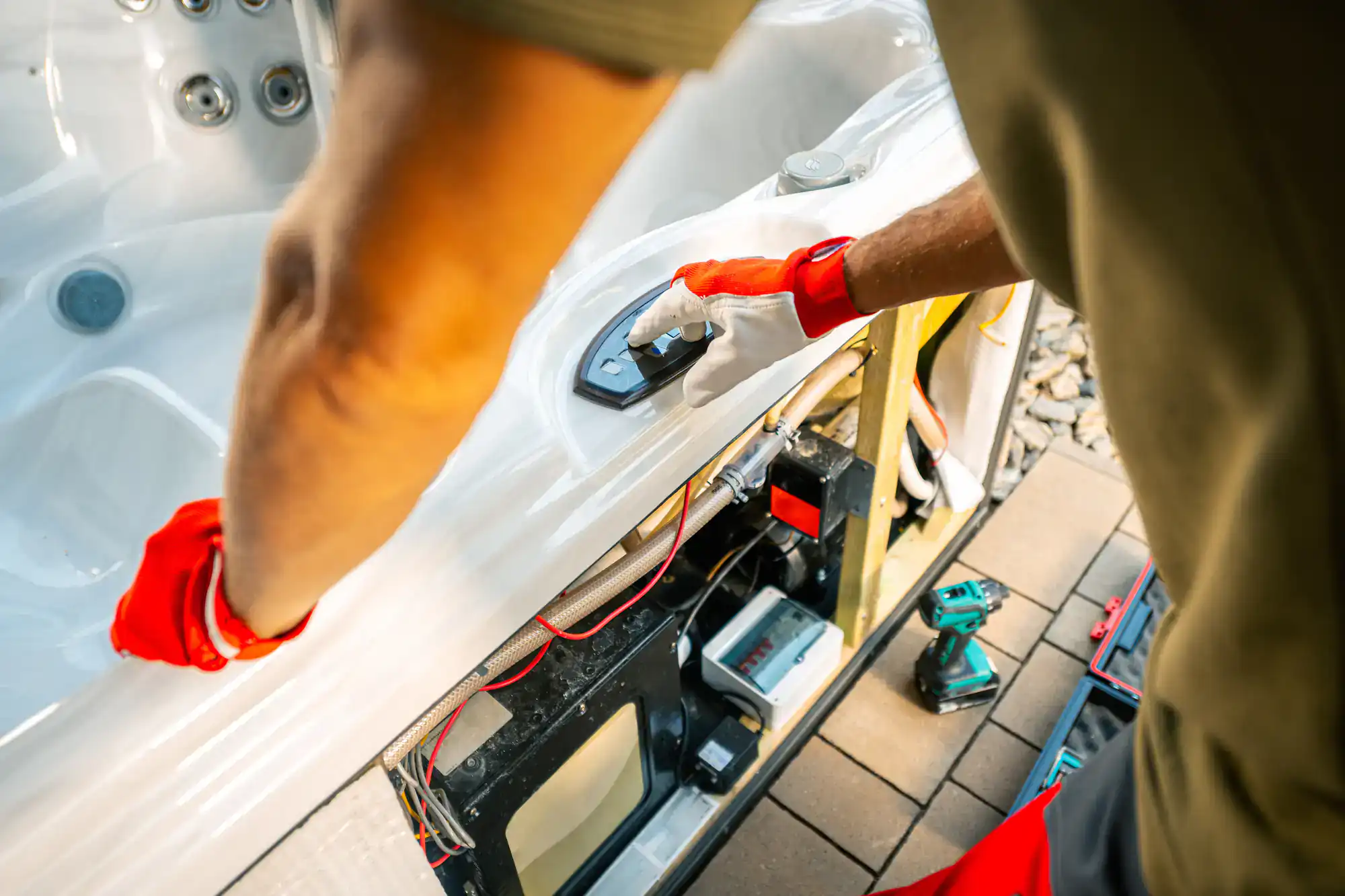
Once the scope is confirmed and you’re ready to move forward, we pull the electrical permit through the Oregon Building Codes Division. This is required by Oregon law for hot tub electrical work. The installation itself involves running a dedicated 240V circuit — typically a 50-amp service — through weatherproof conduit from the panel to the tub location. A GFCI breaker goes in at the panel, a weatherproof disconnect box gets placed at the correct distance from the tub, and all metal components get properly bonded per NEC Article 680. Everything is done to the 2023 Oregon Electrical Specialty Code.
After the work is complete, a BCD-authorized inspector comes out to verify the installation. That inspection closes the permit and gives you a documented record that the wiring was done correctly — which matters for your homeowner’s insurance and for any future buyer if you ever sell.
Jacuzzi and Hot Tub Wiring in Oregon City, OR
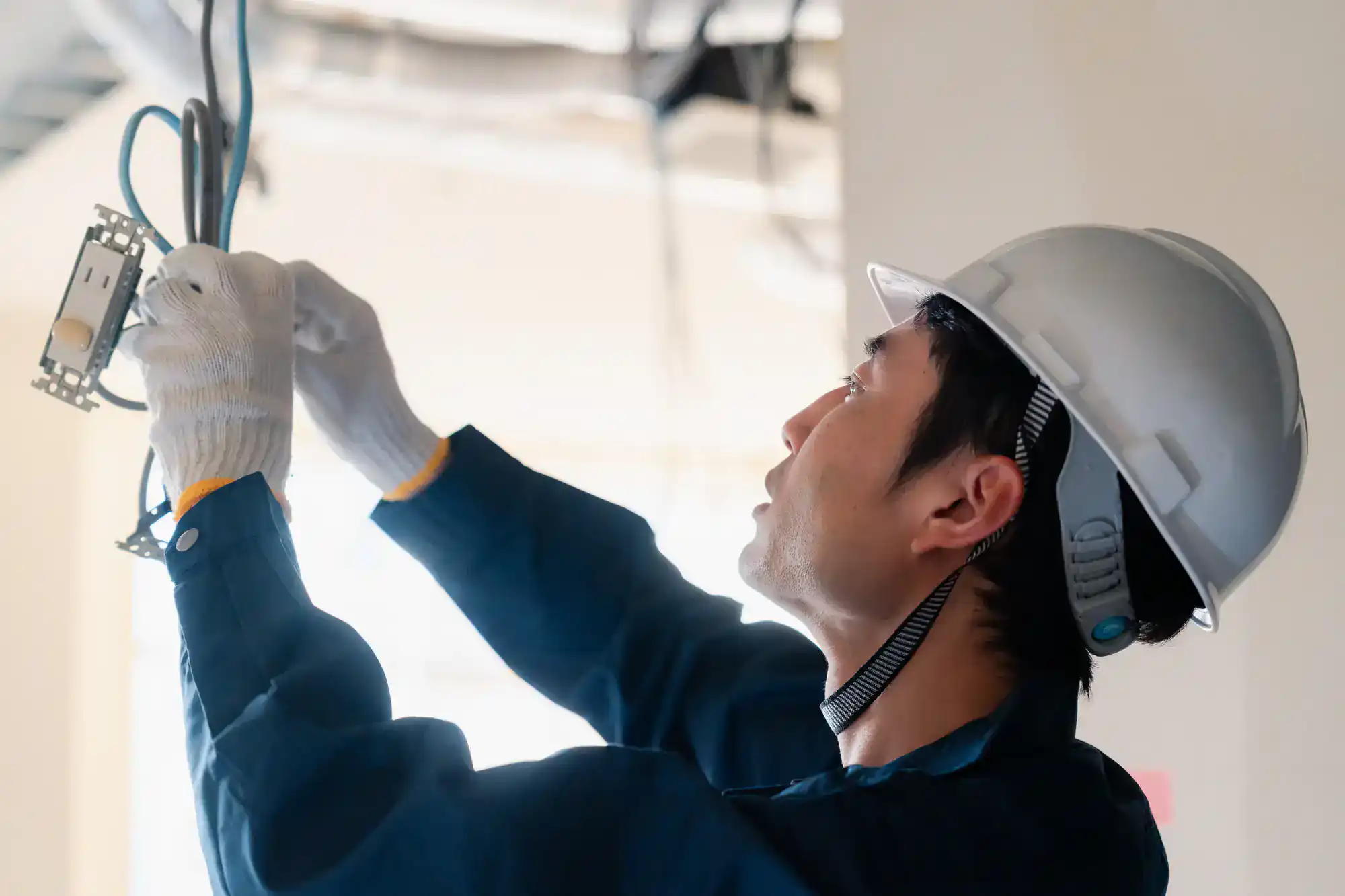
Every hot tub electrical installation we complete in Oregon City covers the full scope of what’s legally required and practically necessary. That means a dedicated 240V circuit sized for your specific hot tub model, a properly rated GFCI breaker installed at the panel, a weatherproof disconnect box placed within line of sight of the tub at the correct distance, and full equipotential bonding of all metal components — the pump housing, water fittings, and any other conductive parts near the tub.
For Oregon City specifically, the installation accounts for the conditions that come with this area. Conduit is run to handle sustained moisture exposure — not just rated for occasional rain, but built for the kind of wet winters that run from October through April along the Willamette Valley. Homes on the upper bluffs, like those in Hillendale or Tower Vista, sometimes require longer conduit runs from the main panel to the backyard tub location, which affects material cost and may make a subpanel closer to the tub the smarter option.
The permit and final inspection are included in the process — not treated as optional. And the labor is covered by a 5-year warranty.
Can my electrical panel handle a hot tub in my Oregon City home?
This is the most common question homeowners in Oregon City ask — and it’s the right one to start with. A standard hot tub running on 240V typically requires a dedicated 50-amp circuit. If your panel is already at or near capacity, or if you’re in one of Oregon City’s older neighborhoods with a 100-amp service panel, there may not be enough available capacity to add that circuit without an upgrade.
In the McLoughlin and Canemah historic districts especially, it’s not unusual to find panels that were installed decades ago and simply weren’t designed for today’s electrical loads. Some homes in these areas still have older Federal Pacific or Zinsco panels that need to be replaced before any new circuit work can happen. We assess your panel as part of every free estimate — so you know the full picture before committing to anything.
Do I need a permit for hot tub electrical wiring in Oregon City, OR?
Yes — Oregon law requires an electrical permit for hot tub wiring, and that applies throughout Oregon City and the rest of Clackamas County. The permit is pulled by the licensed electrical contractor, not the homeowner, and it triggers a final inspection by a BCD-authorized inspector once the work is complete.
Skipping the permit isn’t just a code violation — it creates real problems down the road. If you ever file a homeowner’s insurance claim related to the hot tub or the electrical system, an unpermitted installation can be grounds for denial. It can also come up during a home sale, when a buyer’s inspector flags the work as unpermitted and the deal stalls. We pull the permit on every job and schedule the inspection as a standard part of the process.
What size breaker does a 240V hot tub need, and does wire gauge matter?
Most 240V hot tubs require a 50-amp dedicated circuit, though some models specify 60 amps — the right size depends on your specific tub’s electrical requirements, which are listed in the manufacturer’s documentation. The breaker has to be a GFCI type, not a standard breaker. A regular breaker protects equipment from overloads. A GFCI breaker protects people by detecting ground faults and cutting power within milliseconds — in a wet environment, that’s the difference between a nuisance trip and a serious injury.
Wire gauge matters just as much. Most 240V hot tub installations use 6 AWG copper wire run through weatherproof conduit. Going undersized on the wire is one of the most common mistakes made by unlicensed installers, and it’s a fire hazard. In Oregon City’s wet climate, conduit selection also matters — improperly rated conduit that can’t handle sustained moisture exposure will degrade over time. We specify the correct wire gauge and conduit type for every installation based on your tub’s actual requirements and the run distance from the panel.
How far does the disconnect box need to be from the hot tub?
Under NEC Article 680 and the Oregon Electrical Specialty Code, the disconnect box — sometimes called the spa panel or emergency shutoff — must be placed no closer than 5 feet from the hot tub and no farther than the distance where it remains within line of sight and is readily accessible. The disconnect needs to be weatherproof and outdoor-rated, and it has to be in a location where someone standing near the tub can see it clearly.
In Oregon City, where outdoor electrical components face significant rainfall from October through April, the quality of the disconnect enclosure matters. A box that’s technically rated for outdoor use but isn’t properly sealed will corrode and become unreliable within a few seasons. We install disconnect boxes that are rated for sustained outdoor exposure — not just compliant on paper. The placement is also evaluated during the estimate visit, because the layout of your specific property, including any fencing, decking, or landscaping, affects where the disconnect can legally and practically go.
Will the hot tub dealer's electrician do the same job for less?
Sometimes hot tub dealers refer buyers to their own electricians, often at a lower quoted price. The issue isn’t the price — it’s what gets skipped to hit that price. Permit-pulling adds cost and time. Equipotential bonding of all metal components is a required step under NEC Article 680 that unlicensed or low-bid installers frequently skip. If the work isn’t permitted and inspected, there’s no third-party verification that it was done correctly.
For Oregon City homeowners specifically, there’s another layer to consider. If the dealer’s electrician doesn’t assess your panel before quoting, you may end up with a quote that doesn’t account for the panel upgrade your older home actually needs — and that surprise comes after the tub is already delivered and sitting in your yard. We assess the full scope during the estimate, pull the permit, complete the inspection, and back the labor with a 5-year warranty.
How long does hot tub electrical installation take in Oregon City?
For a straightforward installation where the panel has available capacity and the run from the panel to the tub location is relatively short, most hot tub wiring jobs take between 4 and 8 hours of on-site work. The permit process and inspection scheduling happen separately, and timing depends on BCD inspector availability in Clackamas County at the time of your job.
Where Oregon City jobs sometimes take longer is when older homes need additional work before the hot tub circuit can be added. If a panel upgrade or subpanel installation is required — which is more common in the McLoughlin, Canemah, and South End neighborhoods than in newer parts of the city — that adds time and a separate scope of work. We assess exactly what your home needs during the estimate, so you’re not getting a timeline based on a best-case scenario. If you’re trying to get the tub wired before Oregon City’s rainy season sets in, book the estimate early and get the permit process started — inspectors schedule out, and waiting until October means waiting longer than you’d like.
Useful Links