
Generator Installation in North Plains, OR
When the Sunset Highway Goes Dark, Your Home Doesn't Have To
Hear from Our Customers
Home Generator Installation North Plains OR
When the power goes out in North Plains, it does not come back fast. Communities on the outer edge of PGE’s distribution network are further from the substations and further down the restoration list. The crews work inward from the city centers, which means Beaverton and Hillsboro get power back while you are still waiting. A standby generator changes that equation entirely.
Your home stays on. Your heat keeps running. You are not watching a clock hoping PGE gets to your street before your refrigerator warms up or your pipes freeze.
For residents who work remotely or drive US 26 into Hillsboro to work at Intel or a nearby tech employer, a two-day outage is not just uncomfortable—it is lost income. Your internet drops, your VPN goes down, and the workday is over. A whole house generator keeps your home office running automatically, without extension cords, without going outside in the wind and rain, and without any action on your part at all.
If you bought a home in Brynhill or Sunset Ridge, you already made a significant investment in North Plains. Your home likely has a modern panel and space for a standby unit. The installation is straightforward, and the protection starts the moment the job is done. That is what backup generator installation in North Plains actually looks like in practice—not a theoretical safety net, but a real change to how your home handles the next storm.

Ready to get started?
Whole House Generator Installer North Plains
Young Electric LLC is a second-generation, veteran-owned electrical contractor serving North Plains and the Portland Metro area since 2007. That is nearly two decades of generator installations, panel upgrades, and electrical work across Washington County—and the experience shows up in the details, not just the pitch.
Our team brings over four decades of combined electrical experience to every job. When you are installing a backup generator on a larger North Plains property—one with an older panel, a detached outbuilding, or agricultural equipment on the load—those details matter. We have seen the edge cases, and we know how to handle them without cutting corners.
Being veteran-owned means something specific here. It means the job gets done right the first time, permits get pulled, inspections get passed, and the work stands behind a five-year warranty. In a close-knit community like North Plains, where neighbors talk and word travels fast, that kind of accountability is not a marketing line—it is how we stay in business for nearly twenty years.

Backup Generator Installation North Plains Oregon
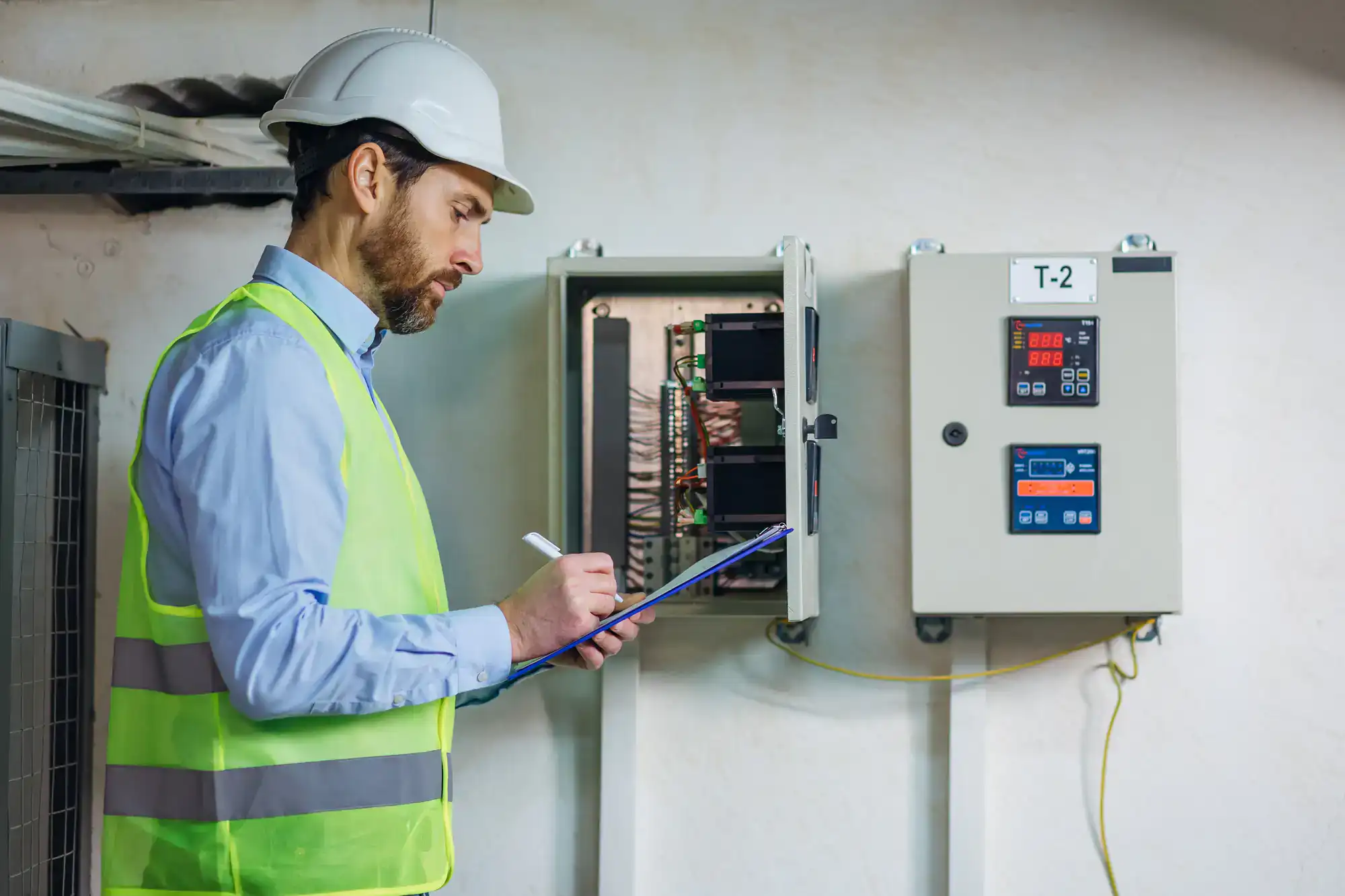
The first step is a site assessment. We look at your home’s electrical panel, evaluate your load—meaning everything you want the generator to power during an outage—and help you choose the right size unit for your specific property. This is not a one-size-fits-all recommendation.
A newer Brynhill home with a modern panel has different needs than an established property on a larger North Plains lot with a workshop or outbuilding. Getting the sizing right at the start is what prevents problems later.
From there, we handle the permit application with the City of North Plains and coordinate any gas line work required to connect a natural gas or propane standby unit. This step takes time—permit processing, inspections, and utility coordination do not happen overnight—and it is one of the reasons the full process typically spans several weeks from your first call to the day the generator goes live. That timeline is worth knowing before storm season opens in October, not after the first major windstorm hits.
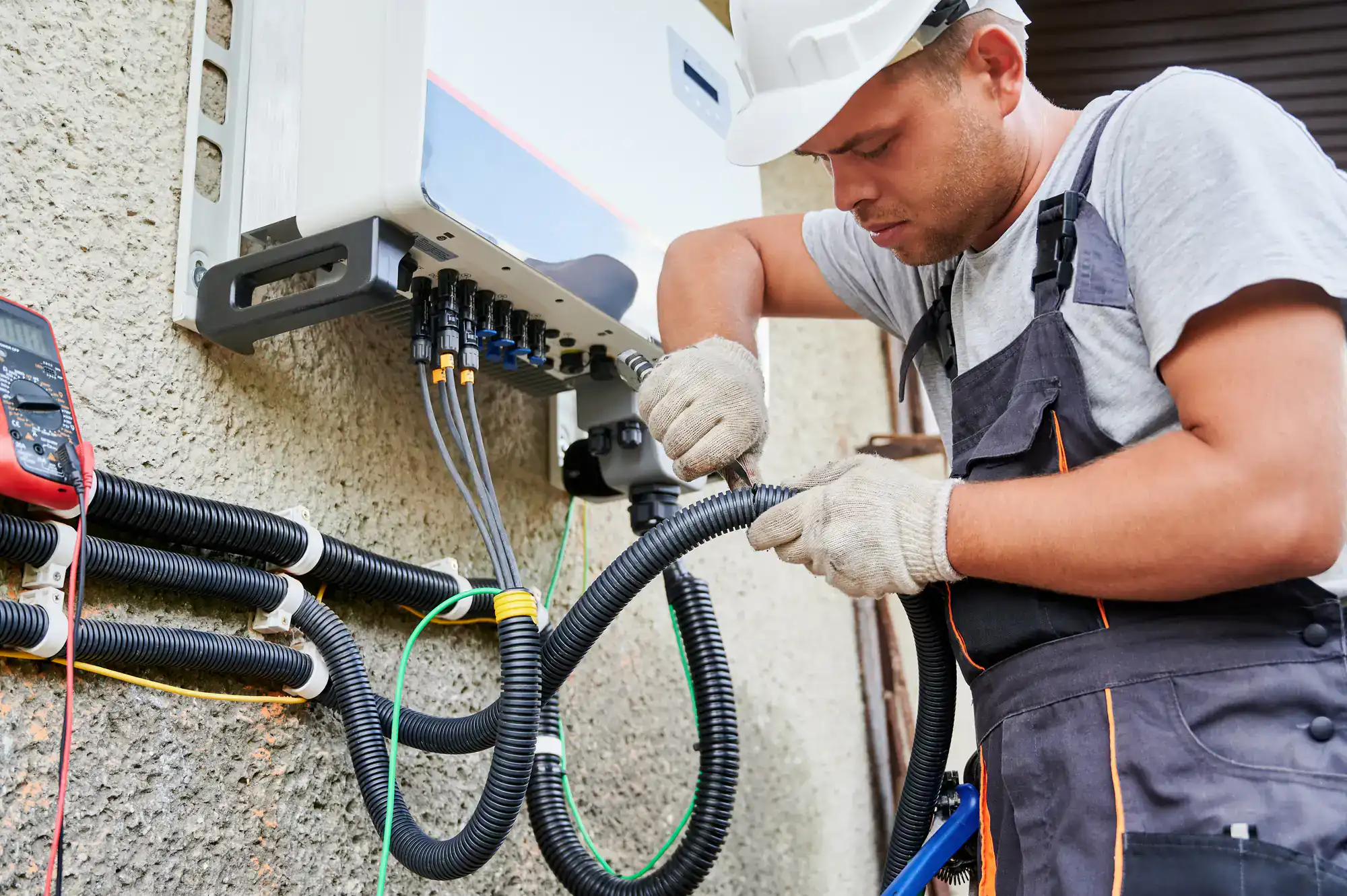
Once the unit is in place, the transfer switch is installed and tested. The transfer switch is the component that detects an outage and signals the generator to start—automatically, within seconds, whether you are home or not. We attend the final inspection, register the equipment, and walk you through what to expect from the weekly self-test cycle. By the time we leave, you know exactly how your system works and what to do if you ever have a question.

Emergency Generator Installation North Plains OR
Generator installation in North Plains involves more moving parts than most homeowners expect, and we handle all of them. That includes the site selection and pad preparation, the transfer switch installation, all required permits under the Oregon Electrical Specialty Code, coordination with your gas utility, and the final inspection with the City of North Plains. You do not have to navigate Washington County’s permit process on your own—that is part of the job.
Oregon law is clear on this: any generator connection requires a licensed electrician and a permit. No exceptions. An installer who skips the permit is leaving you with a liability—a voided warranty, a potential insurance issue, and work that has not been inspected for safety. Young Electric LLC is licensed, bonded, and insured in Oregon, and every installation is done to code.
We service residential installations from portable generator hookups to full standby whole house generator systems, as well as commercial and industrial applications for North Plains businesses and agricultural properties. If your property has elevated power needs—a greenhouse, a walk-in cooler, irrigation equipment, or a home-based business that cannot afford downtime—that gets factored into the load calculation from the start. Every installation comes backed by our five-year warranty on the work itself, not just the equipment. That reflects a straightforward commitment: if something is not right, we make it right.
Do I need a permit to install a generator in North Plains, OR?
Yes, and there are no workarounds here. Oregon law requires a permit and a licensed electrical contractor for any generator connection—that includes the transfer switch installation, the electrical hookup to your panel, and any associated wiring. The City of North Plains has an active planning and building department, and these permits are enforced.
Skipping the permit does not just put you at risk during an inspection—it can void the manufacturer’s warranty on the generator itself and create liability issues with your homeowner’s insurance if something goes wrong. Young Electric LLC pulls every permit as a standard part of the installation process. You do not have to research the requirements, submit applications, or schedule inspections on your own. That is handled.
The permit process does add time to the overall timeline, which is one reason it is worth starting the conversation before the October-April storm season is already underway.
How long does the full generator installation process take in Oregon?
The physical installation—setting the unit on its pad, running the transfer switch, connecting the fuel line—typically takes one day, somewhere between four and eight hours depending on the complexity of the site. But the full process from your first call to a live, inspected, permitted system usually takes several weeks.
That span covers the site assessment, permit application, any gas line coordination with your utility, and the final inspection. This is the part that surprises most homeowners, and it is especially relevant in North Plains because storm season runs from October through April. If you wait until after the first major windstorm to call, you are likely waiting in line behind everyone else in Washington County who had the same idea at the same time.
Starting the process in late summer or early fall is the practical move—it puts you ahead of the backlog and gets the system running before you actually need it.
What size generator do I need for my North Plains home?
The right size depends on what you want to power during an outage. A smaller standby unit—in the 10kW to 14kW range—can handle your essential circuits: lights, refrigerator, furnace, outlets, and a few appliances. A larger unit in the 20kW to 22kW range can run the whole house, including HVAC, electric water heater, and larger loads, without any manual switching or load management.
For North Plains specifically, a few things affect the sizing conversation. Properties with outbuildings, workshops, or agricultural equipment have larger total loads than a standard suburban home. Newer construction in communities like Brynhill may have all-electric appliances that draw more power than older gas-heated homes. And if you work from home and need your internet, computer, and home office running reliably, that factors in too.
We do a proper load calculation before recommending a unit—not a guess, not a sales pitch for the biggest model on the shelf.
Is a whole house generator actually worth the cost for a North Plains homeowner?
The honest answer is that it depends on your situation—but for most North Plains homeowners, the numbers are pretty clear. A standby generator adds roughly 3% to 5% to your home’s resale value. At North Plains’ current median listing price of around $589,000, that works out to approximately $17,700 to $29,500 in added equity. The generator can recover a significant portion of its own cost in home value before you count a single hour of outage protection.
Beyond resale value, consider what a multi-day outage actually costs. Food loss, hotel stays if the heat goes out in February, potential pipe damage during a hard freeze, and lost income if you work remotely—those costs add up fast. Washington County ranked among the highest in Oregon for total power outages in recent tracking periods, and the 2024 national average hit 11 hours without power per household—the worst in over a decade. For a community like North Plains, which sits further from urban substations than Beaverton or Hillsboro, the real exposure is higher than that average suggests.
What is the difference between a standby generator and a portable generator?
A portable generator is a piece of equipment you store in your garage, drag out during an outage, fill with gasoline, and connect manually using extension cords or a manual transfer switch. It can power a few circuits or appliances, but not your whole home, and it requires you to be present and prepared when the outage happens. It also needs stored fuel, which degrades over time, and it cannot be used indoors or in an enclosed space due to carbon monoxide risk.
A standby generator is a permanently installed unit—mounted on a concrete pad or gravel bed outside your home, connected to your natural gas or propane line, and wired directly into your electrical panel through an automatic transfer switch. When the power goes out, it detects the outage and starts on its own within seconds. You do not have to do anything.
For North Plains homeowners dealing with nighttime windstorms in February, that difference is significant—you wake up and the heat is still running, not standing in the rain with an extension cord.
How loud is a standby generator, and will it be an issue in my neighborhood?
Modern standby generators run at roughly 60 to 70 decibels at a distance of about 23 feet—comparable to a normal conversation or a running dishwasher. During an actual outage, that noise is generally not a concern because your neighbors are dealing with the same situation. The more common question is about the weekly self-test, which most standby generators run automatically for 10 to 20 minutes at a scheduled time to confirm the system is ready.
For homeowners in Brynhill or Sunset Ridge, where HOA rules may govern noise levels, generator placement, and aesthetic screening, this is worth discussing before installation. We account for HOA requirements as part of the site selection process—where the unit is placed, how it is oriented, and whether any screening is needed to meet community standards. If your community has specific setback or enclosure requirements, those get addressed during the planning phase, not after the pad is already poured.
It is one of the details that an experienced installer handles differently than someone who just shows up and bolts a unit to the ground.
Useful Links