
Generator Installation in Lake Oswego, OR
When Lake Oswego's Trees Come Down, Your Power Stays On

Hear from Our Customers
Whole House Generator Lake Oswego, OR
January 2024 made it clear. Ice and wind moved through Lake Oswego and entire trees came down — not just branches. PGE lost 850 distribution lines across the metro. 440,000 customers lost power, some for the better part of a week.
Residents in Lake Oswego who had standby generators running by day two were not the ones calling hotels or throwing out refrigerators full of food. That is the real outcome of a properly installed whole house generator. Not a vague sense of security — actual continuity. Your lights stay on, your home office keeps running, your EV charger holds its schedule, and your HVAC system keeps the house livable while your neighbors are stacking blankets.
For households in Palisades, Forest Highlands, or Lake Grove — where the canopy is dense and the distribution lines run right through it — that kind of continuity is not a luxury. It is a practical response to a pattern that has repeated itself more than once.
There is also a financial case here. On a home valued at the Lake Oswego median of $932,200, a standby generator adds roughly 3 to 5 percent in resale value — somewhere between $28,000 and $47,000 in added equity, before you count a single hour of protection. A generator is a long-term investment in the home itself.
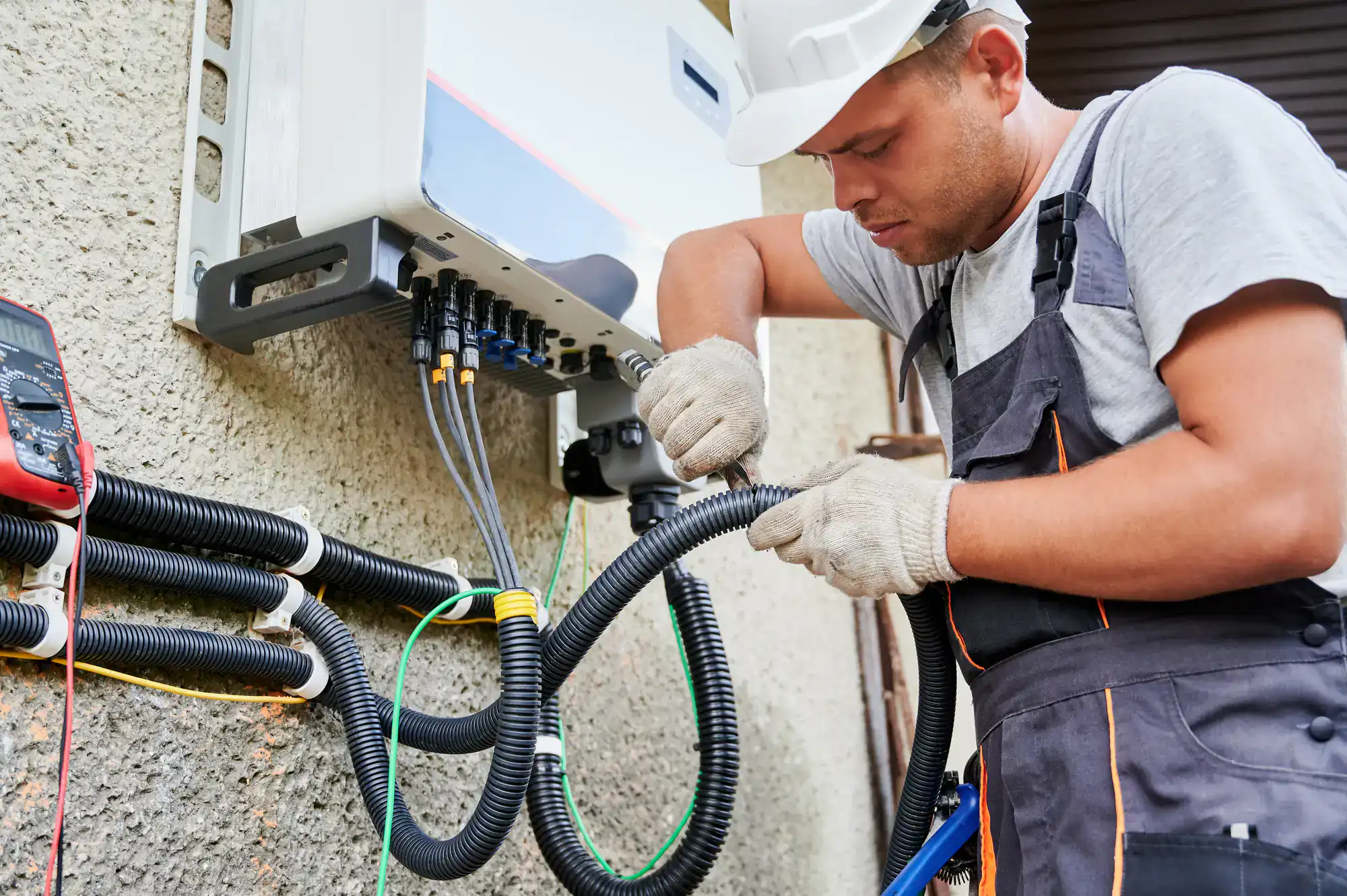
Ready to get started?
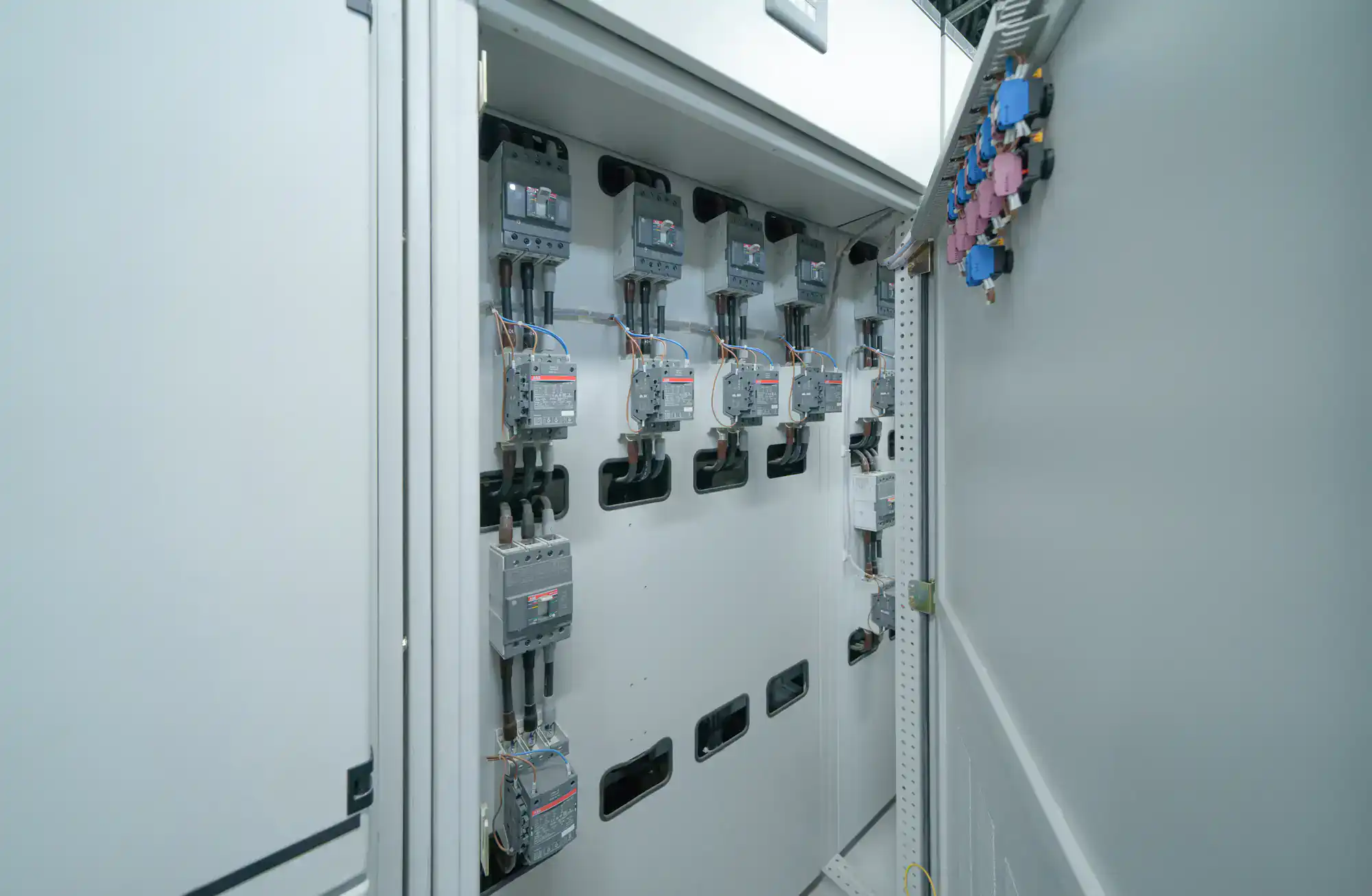
Generator Installer in Lake Oswego, OR
Young Electric LLC is a second-generation, veteran-owned electrical contractor based in Clackamas — right next door to Lake Oswego in the same county. We have been doing this work since 2007, and our team brings over four decades of combined experience across residential, commercial, and industrial electrical projects throughout the Portland Metro area.
Being local means we know Lake Oswego’s neighborhoods. First Addition’s pre-1960s homes with older panels. The forested lots in Uplands and Palisades. The HOA-governed streets in Mountain Park. That familiarity matters when you are coordinating a generator installation that involves a site assessment, a panel evaluation, a gas line connection, and a permit pulled through the City of Lake Oswego’s own in-house permitting program.
Every installation we complete is backed by a five-year warranty — well above what most electrical contractors in this market offer. That warranty reflects confidence in our work, not just a marketing line. We answer the phone personally, explain the process clearly, and stand behind what we install.

Home Generator Installation Process in Lake Oswego
The process starts with a site assessment and a conversation about your home’s electrical load. A properly sized generator is not a guessing game — it is based on what your home actually needs to run during an outage. We walk through that calculation with you, help you choose the right unit, and handle the equipment selection from there.
Once the plan is set, the permitting process begins. This step matters more in Lake Oswego than in most Oregon cities. Unlike municipalities that defer to the state Building Codes Division, the City of Lake Oswego issues and inspects its own electrical permits through its own certified inspector. We manage that entire process — application, coordination, and inspection — as part of every installation. You do not need to navigate city hall on your own.
The physical installation typically takes one day. Our crew handles the concrete pad or pea gravel base, the gas line connection, the automatic transfer switch, and the wiring back to your panel. After inspection and approval, the generator runs its first test cycle and you get a walkthrough of what to expect — including the weekly self-test it will run on its own going forward. From first call to final inspection, the full process typically takes several weeks, which is why starting before storm season hits is worth doing sooner rather than later.
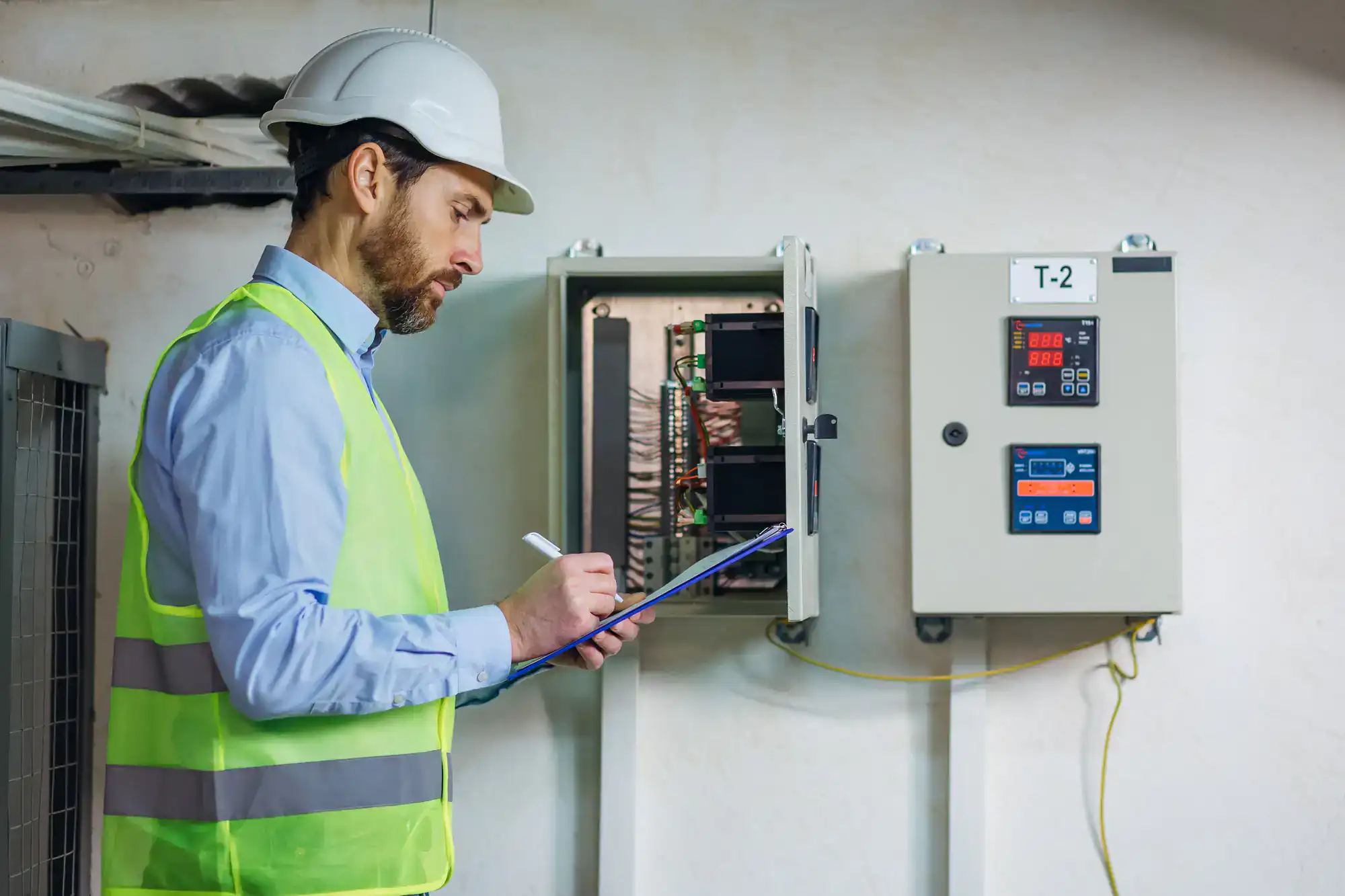
Backup Generator Installation in Lake Oswego, OR
We handle the full scope of a generator installation — not just the unit itself. That includes system selection assistance, load calculation, site preparation, transfer switch installation, gas line coordination, all permitting through the City of Lake Oswego, and the final inspection walkthrough. There are no handoffs to other contractors and no loose ends left for you to chase down.
For older homes in First Addition or Old Town — where electrical panels may not have been updated in decades — we also evaluate the panel as part of the assessment. If an upgrade is needed before the transfer switch can be installed properly, that conversation happens early, not halfway through the job. It is a common situation in Lake Oswego, where nearly a quarter of the housing stock predates the 1960s, and it is better to know upfront.
We install standby generators for residential, commercial, and industrial applications — from portable backup setups to whole-home standby systems that run on natural gas or propane and start automatically within seconds of detecting an outage. Every installation is licensed, permitted, and backed by a five-year warranty on our work. If you have a home office in Westlake, a lakefront property near the Country Club District, or a newer build in Mountain Park, the installation is customized to what your property actually requires — not a one-size-fits-all approach.
Does generator installation in Lake Oswego require a city permit?
Yes — and the permitting process in Lake Oswego works differently than in most Oregon cities. Rather than deferring to the Oregon Building Codes Division, the City of Lake Oswego runs its own in-house electrical permitting program. Permits are issued and inspected by the city’s own certified electrical inspector, which means the installer you hire needs to be familiar with that specific process, not just the state’s general requirements.
Oregon law also requires a licensed electrician and a proper transfer switch or safety device for any generator connection — that is state law, not optional. Skipping the permit is not a shortcut; it is a liability that can void your warranty, create problems with your homeowner’s insurance, and leave you on the hook if something goes wrong. We handle all permitting as a standard part of every installation in Lake Oswego — you do not need to manage that process yourself.
How do I know what size generator my Lake Oswego home actually needs?
Sizing is one of the most common questions homeowners have, and it is one of the most important to get right. A generator that is too small will not power everything you need during an outage. One that is oversized costs more upfront and burns more fuel than necessary. The right answer depends on your home’s actual electrical load — what circuits you need to keep running, what appliances draw the most power, and whether you have added load from an EV charger, a hot tub, or a home office setup.
Lake Oswego homes vary significantly in age and electrical configuration. A pre-1960s home in First Addition may have a smaller panel with fewer circuits than a newer build in Westlake or a large lakefront property in the Country Club District. We start every installation with a load calculation specific to your home — not a generic recommendation based on square footage alone. That assessment drives the equipment selection and makes sure the system you end up with actually covers what you need when the power goes out.
What is the difference between a standby generator and a portable generator?
A portable generator requires you to set it up manually — during the storm, in the dark, possibly in the rain. It runs on stored fuel, which means you need to have gasoline on hand before the outage hits. It can power a limited number of appliances through extension cords, and it poses a real carbon monoxide risk if used improperly near the home. It does not start on its own, and it does not power your whole house.
A standby generator is permanently installed outside your home, connected directly to your electrical panel through an automatic transfer switch. When PGE goes down — whether you are awake or asleep — it detects the outage and starts within seconds. It runs on natural gas or propane, so there is no fuel to store or run out for. For Lake Oswego households that have lived through a multi-day January ice storm, the difference between those two options is not subtle. One requires you to act in bad conditions. The other just works.
How long does the full generator installation process take in Lake Oswego, OR?
The physical installation — the pad, the gas line, the transfer switch, the wiring — typically takes one day. But the full process from first call to final inspection takes several weeks, and that timeline is worth understanding before you call.
Before any work begins, we conduct a site assessment, finalize equipment selection, and submit a permit application through the City of Lake Oswego’s building department. The city schedules its own inspection, which adds time that is outside anyone’s control. If gas line work is needed, that coordination happens in parallel. None of these steps are shortcuts, and none of them should be. The point of doing it this way is that the installation is permitted, inspected, and backed by a five-year warranty when it is done.
For Lake Oswego residents, the practical takeaway is to start this process before storm season — not after the first weather warning of October. Demand picks up fast once people start watching the forecast.
Is a whole house generator actually worth the cost for a Lake Oswego home?
That depends on how you run the numbers, but for most Lake Oswego homeowners the math holds up well. The median home value in Lake Oswego is $932,200 — and a professionally installed standby generator adds roughly 3 to 5 percent to that value, according to Consumer Reports and multiple real estate sources. On a home at that price point, that is somewhere between $28,000 and $47,000 in added equity. The generator can pay for itself in resale value before you factor in a single outage.
Then factor in what an extended outage actually costs. Food loss, hotel stays if the house gets cold, a missed workday or a blown client deadline if you work from home, potential pipe damage if temperatures drop. The U.S. Energy Information Administration reported that American households averaged 11 hours without power in 2024 — the highest in over a decade. In Lake Oswego, where the grid runs through a mature urban forest and ice storms can last a week, that average understates the real exposure. A standby generator is not cheap, but the question is not whether it costs money. It is whether the protection and the added value justify that cost over a 20 to 40 year lifespan. For most Lake Oswego households, it does.
Why does Young Electric LLC serve Lake Oswego specifically for generator installation?
Young Electric LLC is based in Clackamas, which sits directly adjacent to Lake Oswego in the same county. We are not a company routing crews from across the metro — we are a local contractor that has been serving the Portland Metro area, including Lake Oswego as a named service market, since 2007. Our team knows this city’s neighborhoods, understands the permitting process through the City of Lake Oswego’s own building department, and has experience working with the range of home types you find here — from historic Craftsman homes in First Addition to newer construction on forested lots in Palisades and Uplands.
Lake Oswego also has real, documented need for this service. The January 2024 storm hit the city hard — trees fell on homes, PGE’s distribution network took significant damage, and residents spent days without power in the middle of winter. That is not a one-time event in a city where the tree canopy is as dense as it is and the distribution lines run through it. We serve Lake Oswego because the demand is real, the work is meaningful, and we are close enough to do it right.
Useful Links