
Generator Installation near Cedar Mill, OR
When Cedar Mill's Douglas Firs Fall, Your Power Stays On
Hear from Our Customers
Home Generator Installation, Cedar Mill, OR
Cedar Mill sits north of Highway 26 at 522 feet of elevation, in a transitional zone where windstorms intensify and ice accumulates more heavily than it does in lower-lying Portland neighborhoods. Washington County has experienced federally declared windstorm disasters multiple times in recent decades, and the November 2024 bomb cyclone alone knocked out power for more than 953,000 customers across the Pacific Northwest.
When those events hit, Portland General Electric is working to restore service to hundreds of thousands of customers at once—and Cedar Mill’s wooded streets, where falling trees are the primary cause of localized outages, are not always first in line. A whole-house standby generator changes that equation entirely.
When the grid goes down, the generator detects the outage and starts automatically within seconds. No manual setup. No running outside in the dark. No extension cords across the kitchen floor. Your heat stays on. Your refrigerator keeps running. If you work from home or have medical equipment that depends on consistent power, none of that gets interrupted.
For Cedar Mill homeowners, there’s also a straightforward financial case. A standby generator adds 3% to 5% to a home’s resale value. On a home worth close to $878,000—Cedar Mill’s median—that’s $26,000 to $44,000 in added value. That’s before you count a single hour of protection against food loss, pipe damage, or the cost of a hotel stay during a multi-day outage.
Ready to get started?
Backup Generator Installation, Cedar Mill, Oregon
Young Electric LLC is a second-generation, veteran-owned electrical contracting company serving Cedar Mill, the broader Washington County communities along Cornell Road and the Highway 26 corridor, and the greater Portland Metro area. We were founded in 2007, and our team brings over four decades of combined electrical experience to every job—residential, commercial, and industrial.
Being veteran-owned is not a marketing angle here. It reflects how the work actually gets done—with attention to detail, straight communication, and a standard that does not slip when no one is looking. Every generator installation we complete is backed by a five-year warranty on the work itself, which is well above what most electrical contractors in the Portland metro offer.
Cedar Mill is unincorporated Washington County, which means permits for generator installations run through the county and the Oregon Building Codes Division—not a city building department. We handle all of that. The permitting, the inspections, the code compliance—it’s part of the job, not an extra conversation you have to manage on your own.
Whole House Generator Installer, Cedar Mill, OR
It starts with a site visit and a load calculation—figuring out exactly what your home needs to run comfortably during an outage. This is not guesswork. The size of the generator matters, and a proper assessment looks at your panel, your appliances, your square footage, and how you actually use your home.
Many Cedar Mill homes were built in the 1950s through 1970s, and older panels sometimes need evaluation or upgrading before a standby generator can be properly integrated. We identify that early, not mid-installation.
From there, we handle the permit application with Washington County and the Oregon Building Codes Division. Oregon state law requires a licensed electrician and a permit for any generator connection—including the transfer switch that prevents back-feeding into the utility grid. That permit process takes time, which is why the full timeline from first call to completed installation typically runs several weeks.
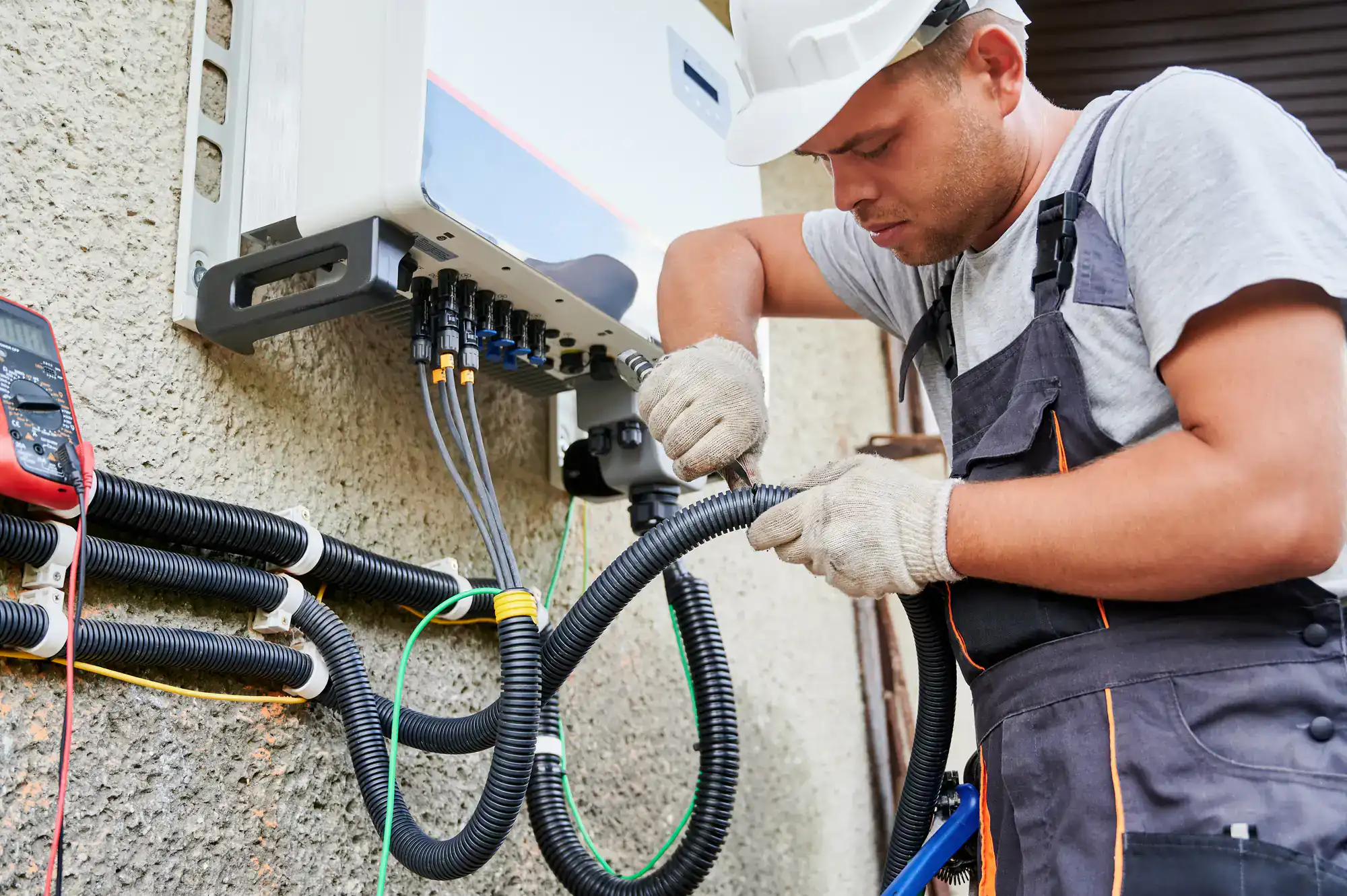
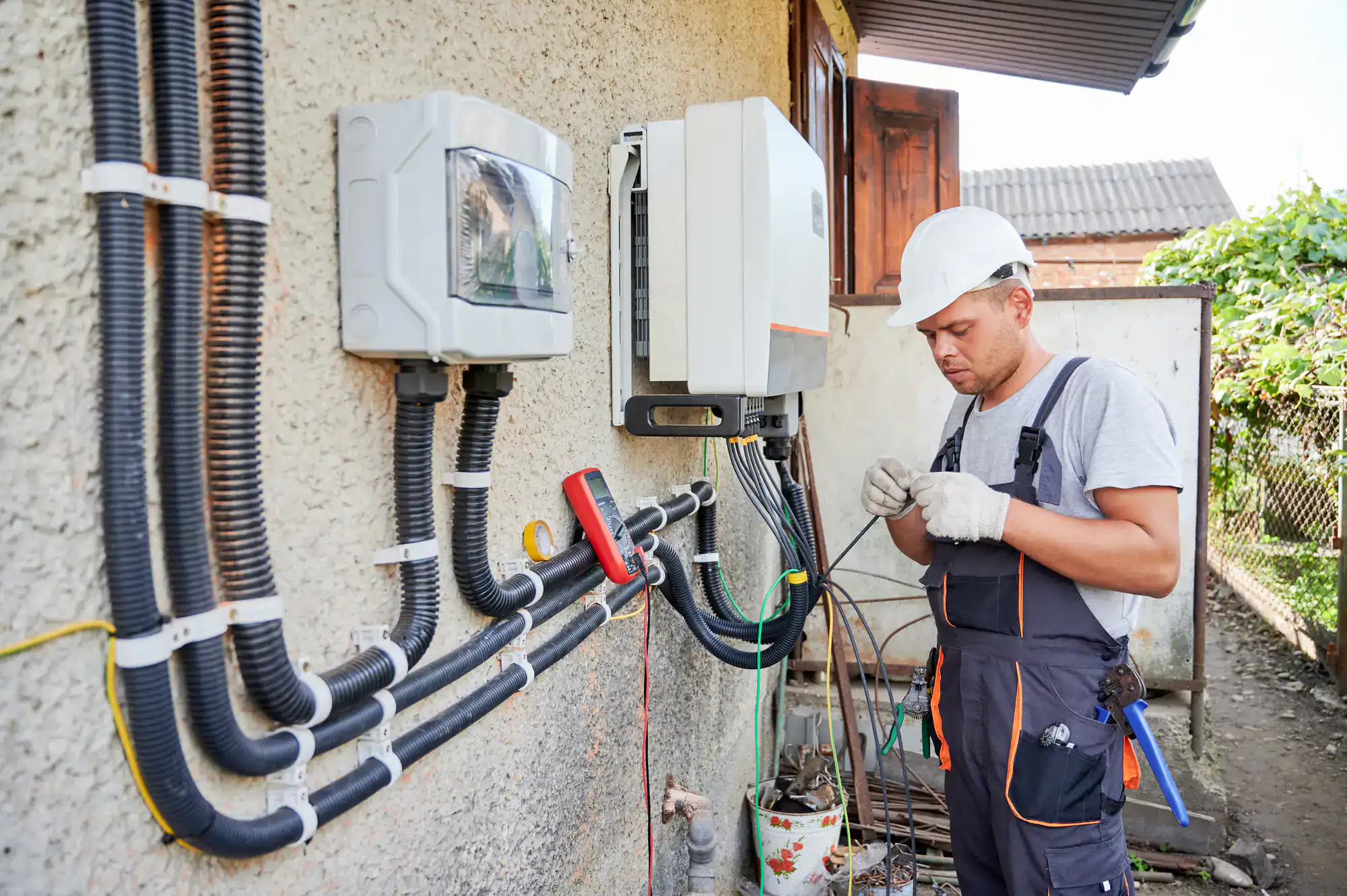
The physical installation itself—setting the unit, connecting the transfer switch, running the fuel line, and testing the system—usually takes one day once everything is in place. After installation, your generator runs a brief self-test weekly so you always know it’s ready. Annual professional maintenance keeps it in shape for the long run. The goal is that when the next windstorm comes through Cedar Mill and the lights go out on your block, you don’t even notice.
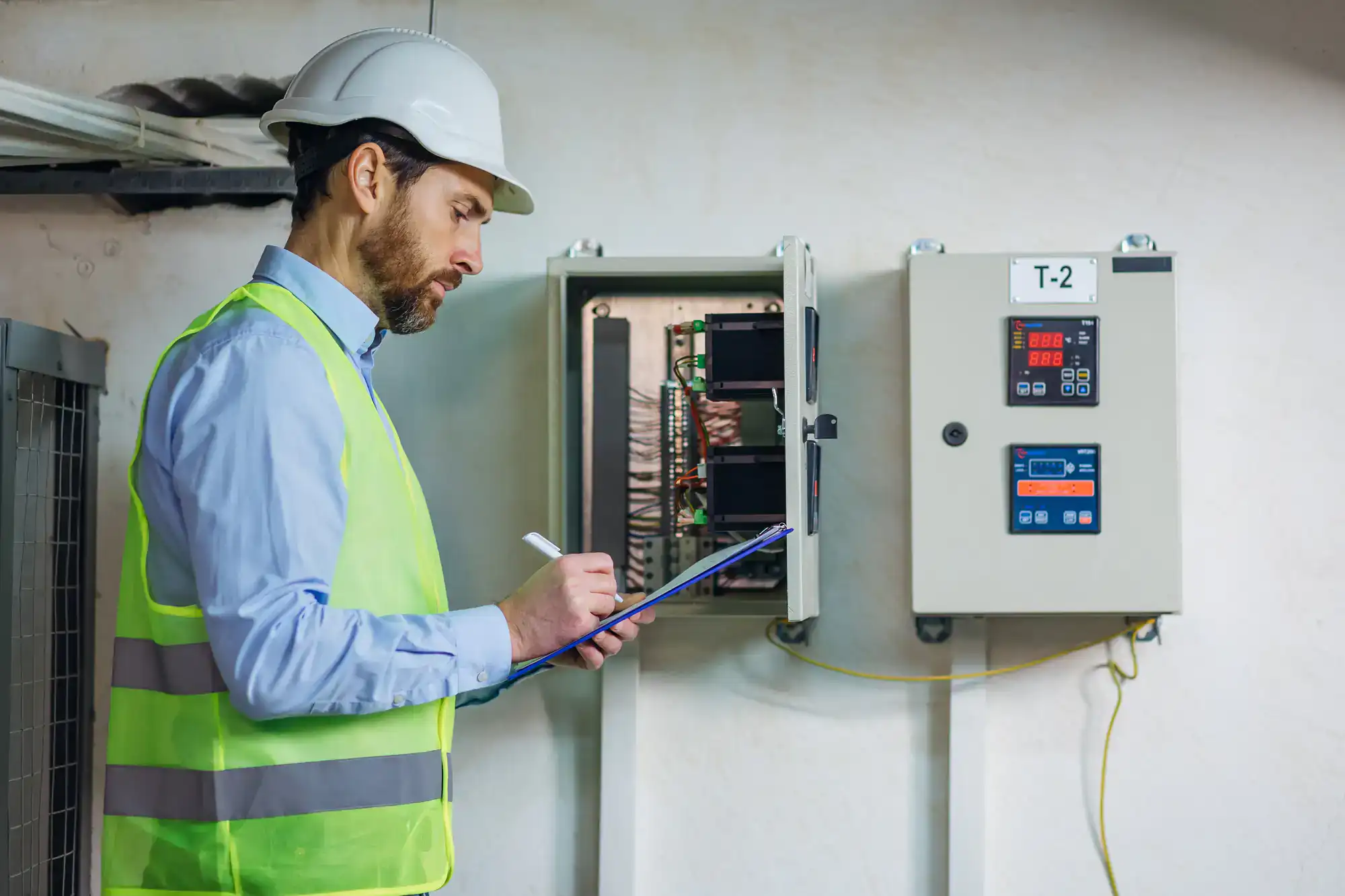
Emergency Generator Installation, Cedar Mill, Oregon
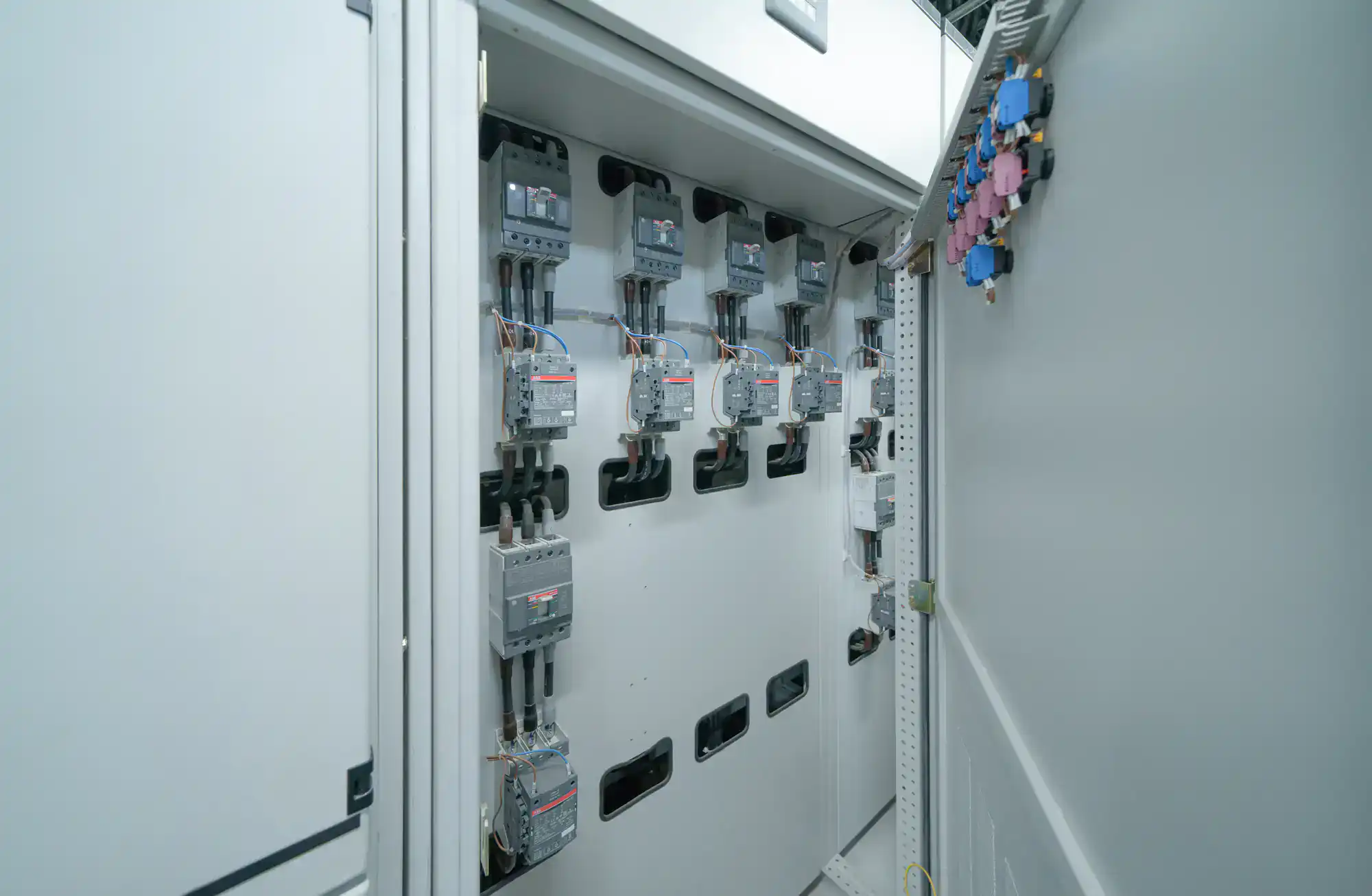
We install standby generators for Cedar Mill homeowners across the full range of home sizes and configurations—from targeted installations that cover essential circuits to whole-house systems that keep everything running. Every installation includes a proper load calculation, transfer switch installation, all required Washington County permitting, and a final inspection before the system goes live. Nothing gets skipped to save time.
Because Cedar Mill is unincorporated, there is no city building department adding a second layer of review. Permits flow through Washington County and the state, and we’re familiar with that process from our work throughout Cedar Mill, the Portland Metro, and Beaverton area. If your home is older and the panel needs attention before the generator can be properly connected, that conversation happens upfront—not after the crew has already arrived.
Standby generators we install run on natural gas or propane and start automatically the moment they detect an outage. There are no fuel storage requirements, no manual startup procedures, and no need for you to be home when it happens. For Cedar Mill residents who commute to Columbia Sportswear’s headquarters on Science Park Drive, work remotely, or travel regularly, that automatic protection matters.
The system runs a weekly self-test on its own schedule, and we back the installation with a five-year warranty—so if something is not right, it gets made right.
Do I need a permit to install a standby generator in Cedar Mill, Oregon?
Yes—and this is not optional. Oregon state law requires a permit and a licensed electrical contractor for any generator connection, including the transfer switch installation that prevents back-feeding into Portland General Electric’s grid. Skipping the permit does not just create a legal issue; it can void your generator’s manufacturer warranty and create liability if something goes wrong during an outage or a home sale inspection.
Because Cedar Mill is unincorporated Washington County, permits are issued through Washington County’s Land Use and Transportation department in coordination with the Oregon Building Codes Division—not a city building department. We handle the full permit process as a standard part of every installation. You don’t have to track down the right office, fill out the paperwork, or coordinate the inspection yourself. That’s included in the job.
How long does the whole generator installation process take from start to finish?
The physical installation—setting the unit on a concrete pad or pea gravel bed, connecting the transfer switch, running the fuel line, and testing the system—typically takes one day, usually four to eight hours. But the full process from your first call to a live, inspected system generally runs several weeks.
That timeline accounts for the site assessment, the permit application with Washington County, coordination with your gas utility if a new propane or natural gas line is needed, and the required inspection before the system can be energized. This is why Cedar Mill homeowners who wait until a storm is already in the forecast often end up waiting in line behind everyone else who also waited. If you’re thinking about a backup generator installation in Cedar Mill, starting the process before storm season—ideally late summer or early fall—puts you in a much better position.
What size whole-house generator does a Cedar Mill home typically need?
There is no universal answer, and anyone who gives you one without looking at your home first is guessing. Generator sizing is based on a load calculation—an assessment of your home’s electrical panel, the appliances and systems you want to keep running during an outage, and the square footage involved.
Cedar Mill’s housing stock includes a significant number of mid-century single-family homes built in the 1950s through 1970s. These homes often have older panels with lower amperage ratings, which can affect what generator size is appropriate and whether any panel work is needed before installation. Larger, more recently built homes in Cedar Mill or adjacent Bethany with modern panels and higher electrical loads tend to need larger systems. We start every job with a proper site assessment so the system is sized to your actual home—not a rough estimate based on square footage alone.
Is a standby generator actually worth the cost for a Cedar Mill homeowner?
For most Cedar Mill homeowners, the numbers hold up clearly. A standby generator adds 3% to 5% to a home’s resale value, according to Consumer Reports and real estate professionals who work in high-value suburban markets. On a Cedar Mill home near the median value of $878,000, that’s $26,000 to $44,000 in added value—potentially more than the cost of the generator and installation combined.
Beyond resale, consider what a multi-day outage actually costs. Food loss, hotel stays for a family of four, potential pipe damage in an older Cedar Mill home during a winter freeze, and lost work time for anyone working remotely all add up fast. Cedar Mill’s elevated position, mature tree canopy, and Portland General Electric’s restoration timelines during major storm events make extended outages a realistic scenario—not a worst-case hypothetical. The U.S. Energy Information Administration reported that American households averaged 11 hours without power in 2024, the highest figure in over a decade. A standby generator is a long-term asset that lasts 20 to 40 years with proper maintenance. That changes the math considerably.
What is the difference between a portable generator and a standby generator for my home?
A portable generator requires you to be home, drag it out of storage, set it up outside in whatever weather is happening, connect it manually, and have fuel already on hand. During a Cedar Mill windstorm or ice storm—the exact conditions when you need backup power—none of that is convenient or safe. Portable generators also cannot power your whole house, and they pose a real carbon monoxide risk if used improperly near doors or windows.
A standby generator is permanently installed outside your home, connected directly to your electrical panel through a transfer switch, and fueled by natural gas or propane from a line that doesn’t run out. When the grid goes down, it detects the outage and starts automatically within seconds—whether you’re home, at work on Cornell Road, or traveling. You don’t have to do anything. Your heat, your refrigerator, your sump pump, your home office, and your security system keep running exactly as they were. That’s the core difference, and for most Cedar Mill homeowners with larger homes and significant equity to protect, it’s a meaningful one.
How loud is a standby generator, and will it be a problem for my Cedar Mill neighborhood?
Modern standby generators typically run at 60 to 70 decibels—roughly the volume of a normal conversation at close range or a running dishwasher. That’s noticeably quieter than older generator models and well within the range that most neighbors tolerate without complaint, particularly during an outage when the alternative is silence and no power.
The weekly self-test, which runs automatically for a short period to confirm the system is ready, is the most common source of neighbor questions. It runs briefly and on a consistent schedule, so it’s predictable rather than disruptive. If your property is in a Cedar Mill subdivision with HOA rules, it’s worth checking those before installation. We review placement and local requirements during the site assessment, including positioning the unit to minimize noise impact on adjacent properties where the lot layout allows for it.
Useful Links