
Electrical Panel Upgrade in Cedar Mill
Cedar Mill's Older Homes Need Panels Built for Today's Demands
Hear from Our Customers
Electrical Panel Replacement in Cedar Mill
When your electrical panel is undersized for what you’re actually running, the signs are easy to dismiss at first—a breaker that trips when the microwave and space heater run at the same time, lights that flicker when something kicks on, an outlet that feels warm for no clear reason. You adapt around it. But those aren’t quirks. They’re your panel telling you it’s at its limit.
After an upgrade, those workarounds disappear. Breakers stop tripping. You stop thinking about what you can and can’t run simultaneously. And if you’re one of the many Cedar Mill homeowners planning to add a Level 2 EV charger or a Tesla Powerwall, the panel upgrade is what makes that next step possible. You can’t add 40 or 50 amps of charging load to a 100-amp panel that’s already working hard.
Cedar Mill’s housing stock skews heavily toward 1950s, 1960s, and 1970s construction. Those homes were wired for a fraction of what a modern household demands. We size panel upgrades to handle what you’re running today plus what comes next—whether that’s an EV charger, a heat pump, or a renovation that adds square footage and load.
Ready to get started?
Licensed Electricians Serving Cedar Mill, OR
Young Electric LLC has been doing electrical work in the Portland Metro area for over 40 years, across two generations of the Young family. That’s not a tagline—it’s a track record you can verify. With a 4.8 out of 5 rating across more than 1,400 Google reviews, our reputation speaks for itself.
Cedar Mill sits in unincorporated Washington County, which means electrical permits go through Washington County Building Services in Hillsboro, not the City of Portland. We know that distinction and handle the permit application, utility coordination, and inspection scheduling on your behalf. You don’t have to figure out how Washington County’s permitting system works.
Every panel installation we complete comes with a five-year labor warranty. That’s above what most contractors in this market offer, and it matters when you’re investing in a home that’s worth what Cedar Mill homes are worth. We’re licensed, bonded, and insured with both the CCB and BCD electrical contractor credentials Oregon requires for this work.

Breaker Panel Upgrade Process in Cedar Mill
It starts with a free estimate. One of our electricians comes out, looks at your existing panel and equipment, listens to what you’re planning—whether that’s adding an EV charger or getting ahead of a home inspection—and explains what the job actually involves before you commit to anything.
Once you decide to move forward, we pull the electrical permit through Washington County Building Services. Because Cedar Mill is unincorporated Washington County, this step goes through the county’s Building and Development Application Services system rather than a city permit office. Getting that right from the start matters—unpermitted panel work in a Washington County home creates insurance complications and real problems at resale.
On installation day, work typically starts at 7am. Your power will be off during the work, but for a standard residential panel upgrade, it’s restored the same day—usually well before evening. After we finish, a Washington County inspector signs off on the installation. That inspection is part of the process, not an afterthought, and it’s the final confirmation that everything was done to code.
Electrical Panel Installation in Cedar Mill, OR
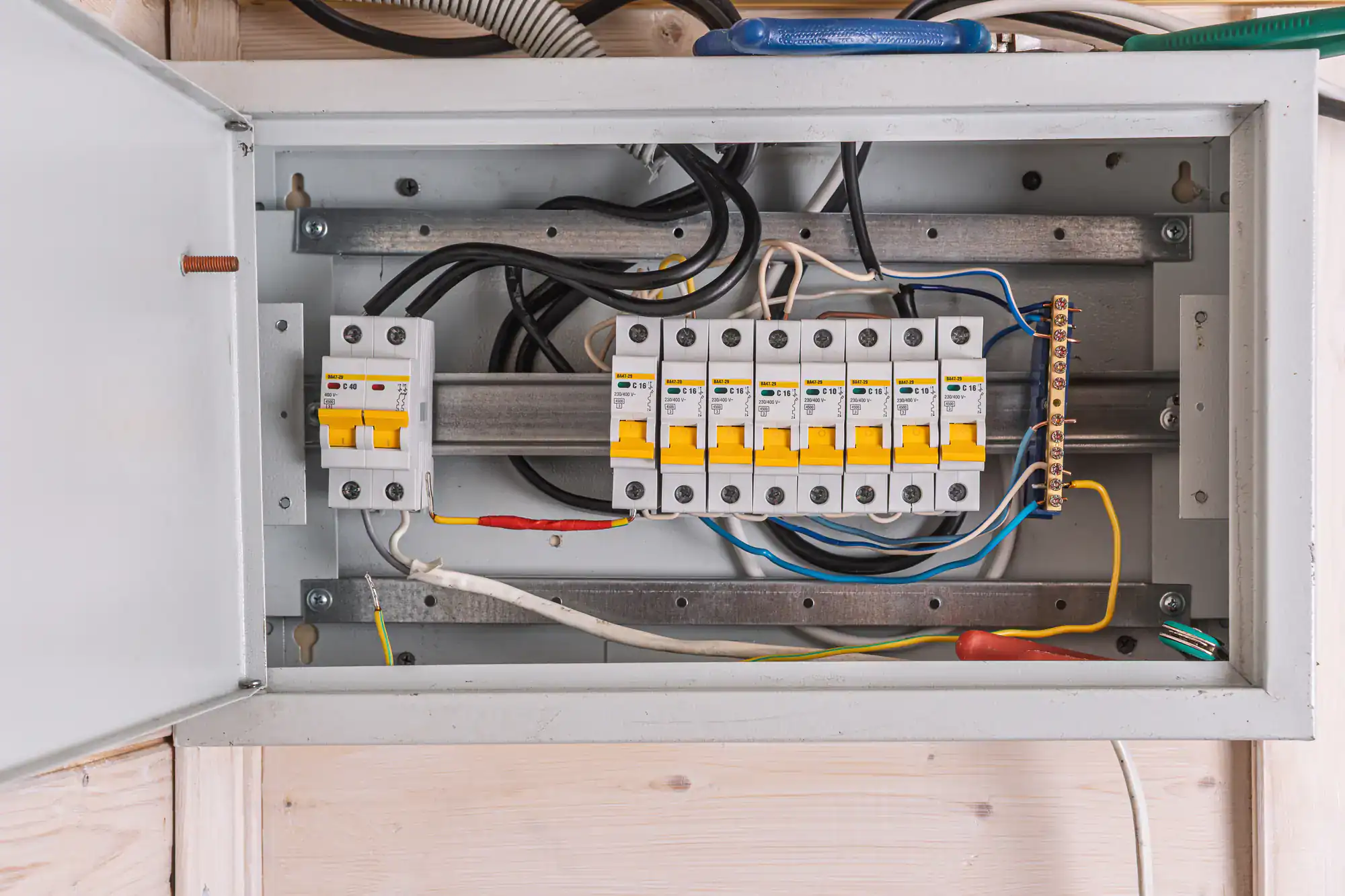
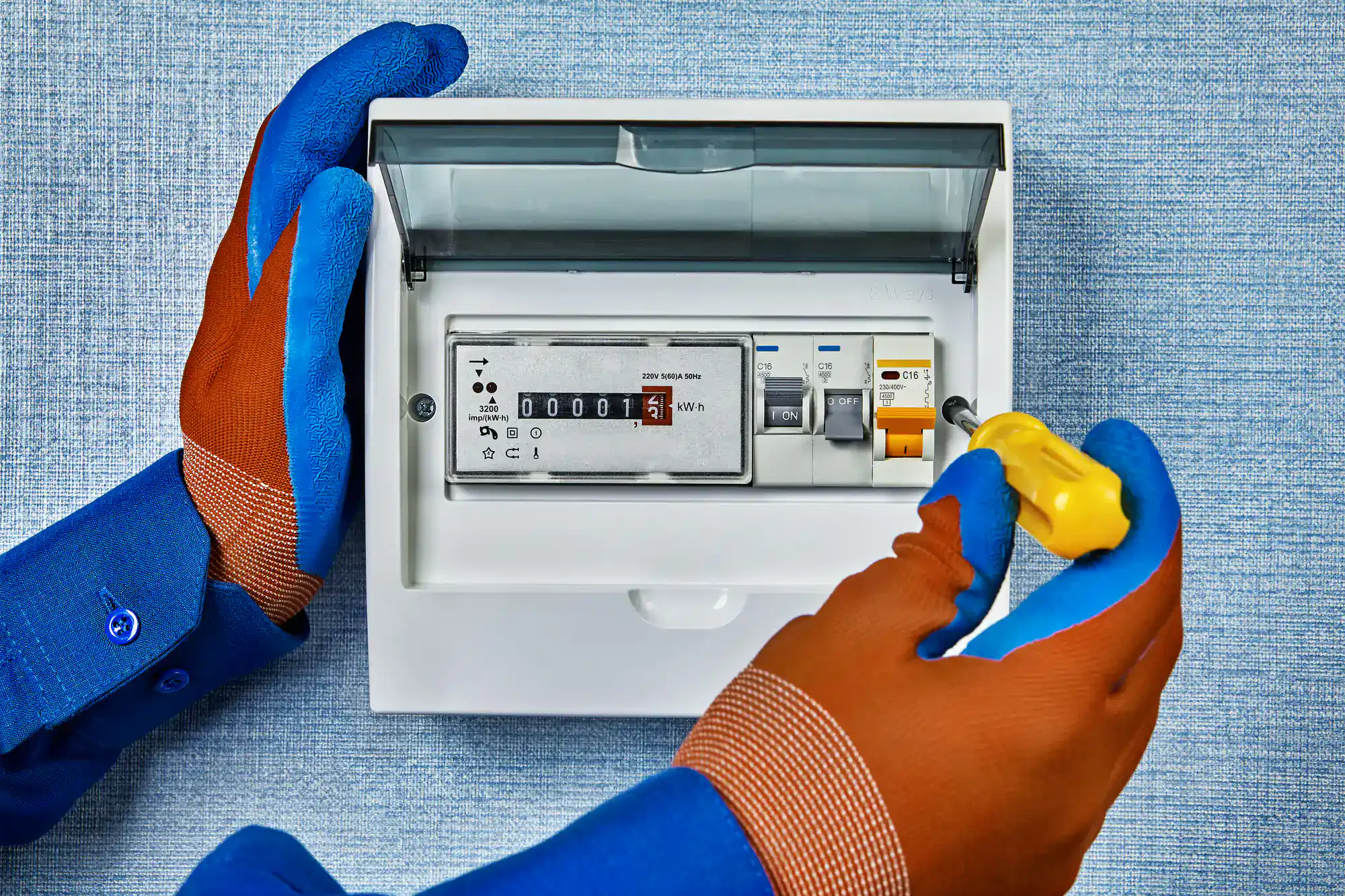
A panel upgrade from Young Electric LLC covers the full scope—not just swapping hardware. That includes assessment of your current service, the permit application filed with Washington County Building Services, coordination with the utility for the meter pull when required, the installation itself, and the inspection. The five-year labor warranty on every installation is included as a standard part of the job, not an add-on.
For Cedar Mill homes built in the 1960s and early 1970s, there’s an additional consideration worth knowing about: homes from that era sometimes have aluminum branch circuit wiring, which home inspectors routinely flag in this area. If that comes up during the assessment, we’ll tell you what it means and what, if anything, needs to be addressed alongside the panel work—before the project starts, not after.
If your reason for upgrading is an EV charger, a Tesla Powerwall, a hot tub, or a generator, we install all of those too. That means the contractor who upgrades your panel already knows your system when it’s time for the next step. No second company learning your setup from scratch, no coordination hassle between contractors.
Do I need a permit for an electrical panel upgrade in Cedar Mill, Oregon?
Yes, and it’s not optional. Oregon law requires a permit for any panel upgrade on a residential property, and the permit must be pulled by a contractor who holds both a CCB license and a BCD electrical contractor license. In Cedar Mill specifically, because the community is unincorporated Washington County rather than within any city limits, the permit comes from Washington County Building Services in Hillsboro—not the City of Portland’s Bureau of Development Services. That’s a distinction some contractors get wrong, and it creates delays.
We handle the permit application, submit the required license numbers, and schedule the inspection through Washington County’s Building and Development Application Services portal. Skipping the permit isn’t a shortcut—unpermitted panel work can void your homeowner’s insurance and create serious complications when you sell.
How do I know if my Cedar Mill home's panel actually needs to be replaced?
The clearest signs are ones you’ve probably already noticed: breakers that trip regularly when you run multiple appliances, lights that flicker when something with a motor kicks on, outlets that feel warm, or a burning smell near the panel. Any of those are worth taking seriously.
But in Cedar Mill specifically, there’s a broader context to consider. Most homes in this area were built between the 1950s and 1970s, and many still have the original 100-amp service—or less. A 100-amp panel was more than enough in 1965. In 2026, with a home office, central air, a dishwasher, and a potential EV charger in the picture, that same panel is often running at or near its limit even when nothing obvious is going wrong. If you’re planning to add a Level 2 EV charger or a heat pump, a 100-amp panel likely can’t support the added load without an upgrade. A free estimate from us will tell you exactly where you stand before you commit to anything.
What size electrical panel does my home need for an EV charger or Tesla Powerwall?
A Level 2 EV charger typically draws between 30 and 50 amps on its own. A Tesla Powerwall installation has its own load requirements. Either way, you need enough available capacity in your panel to support the added draw—and that means knowing what your current panel is rated for and what’s already using it.
Most Cedar Mill homes built before 1980 have 100-amp service. In a home that’s already running central heating, a refrigerator, a washer and dryer, and a home office setup, a 100-amp panel may have very little headroom left. A 200-amp upgrade is the standard solution for homes adding EV charging or battery storage, and it’s what most modern residential electrical loads are designed around. We install both the panel upgrade and the EV charger or Powerwall, so you’re working with one contractor who already knows the system rather than two contractors who have to coordinate around each other.
How long does an electrical panel upgrade take, and will I be without power all day?
For a standard residential panel upgrade, the work is typically completed in a single day. We start at 7am, which means the job gets underway early and power is usually restored well before the end of the workday. Your power will be off during the installation—that’s unavoidable when the panel is being replaced—but it’s not an all-day situation in most cases.
If you work from home, which is common in Cedar Mill’s tech-forward community, it’s worth planning for a few hours without power. Most homeowners handle this by running errands, working from a coffee shop on NW Cornell Road, or simply scheduling the job on a day that works around their routine. We’ll give you a clear timeline during the estimate so you know what to expect before the crew arrives.
What happens if my older Cedar Mill home has aluminum wiring—does that affect the panel upgrade?
It can, and it’s worth knowing about upfront. Homes built in Cedar Mill during the late 1960s and early 1970s sometimes have aluminum branch circuit wiring—a material that was widely used during that period before its limitations were better understood. Home inspectors in this area flag it regularly in older homes, and it’s a legitimate consideration when planning electrical work.
Aluminum branch circuit wiring doesn’t automatically mean the panel upgrade becomes a full rewire. But it does mean the connections at outlets, switches, and fixtures need to be handled correctly—either with compatible devices or with approved connection methods—to avoid the resistance and heat issues that aluminum wiring is known for. When we assess your home before the upgrade, we’ll identify whether aluminum wiring is present and explain what that means for your specific situation before any work begins.
Does a panel upgrade affect my homeowner's insurance in Cedar Mill?
It can work in your favor, depending on what you currently have. Insurance companies have become increasingly attentive to older panel brands—Federal Pacific and Zinsco panels in particular, which were installed in millions of homes built between the 1950s and early 1980s, are brands that some insurers refuse to cover or charge higher premiums for. If your Cedar Mill home still has one of these panels, your insurer may already be flagging it or asking questions about it.
Replacing an outdated or recalled panel with a properly permitted, inspected installation generally removes that concern. Because Cedar Mill is in unincorporated Washington County, the permit and inspection through Washington County Building Services creates a documented record that the work was done to code—which is exactly what your insurance company wants to see. Unpermitted work, on the other hand, can void coverage entirely. If you’re unsure what panel brand you have or whether it’s a concern, a free estimate from us is a straightforward way to find out.
Useful Links