
Generator Installation in Bull Mountain, OR
Bull Mountain Sits Higher — Loses Power First

Hear from Our Customers
Home Generator Installation, Bull Mountain OR
Bull Mountain’s elevation is one of the things that makes it a great place to live. The views, the quiet, the separation from the flat suburban sprawl below — it’s a real quality of life. But that same elevation is exactly why winter storm outages hit harder here than they do in Tigard or Beaverton. Ice accumulates on power lines at the top of the hill before it does in the valley. And when PGE crews mobilize to restore power, the high-density areas tend to come back online first. Hilltop neighborhoods like Bull Mountain can wait.
A standby generator changes that equation entirely. When the outage hits — whether it’s 2 AM during an ice storm or a Tuesday afternoon in a summer heatwave — your home detects the loss of power and starts the generator automatically within seconds. No one has to wake up. No one has to go outside. The refrigerator keeps running, the heat stays on, the sump pump keeps doing its job.
For a home worth $600,000 or more in Bull Mountain, this isn’t a convenience upgrade. It’s a practical response to a documented pattern. Washington County’s own emergency management office identifies winter storms as the most frequent and impactful natural hazard in the county — and Bull Mountain sits at the top of that risk zone, literally.
Ready to get started?
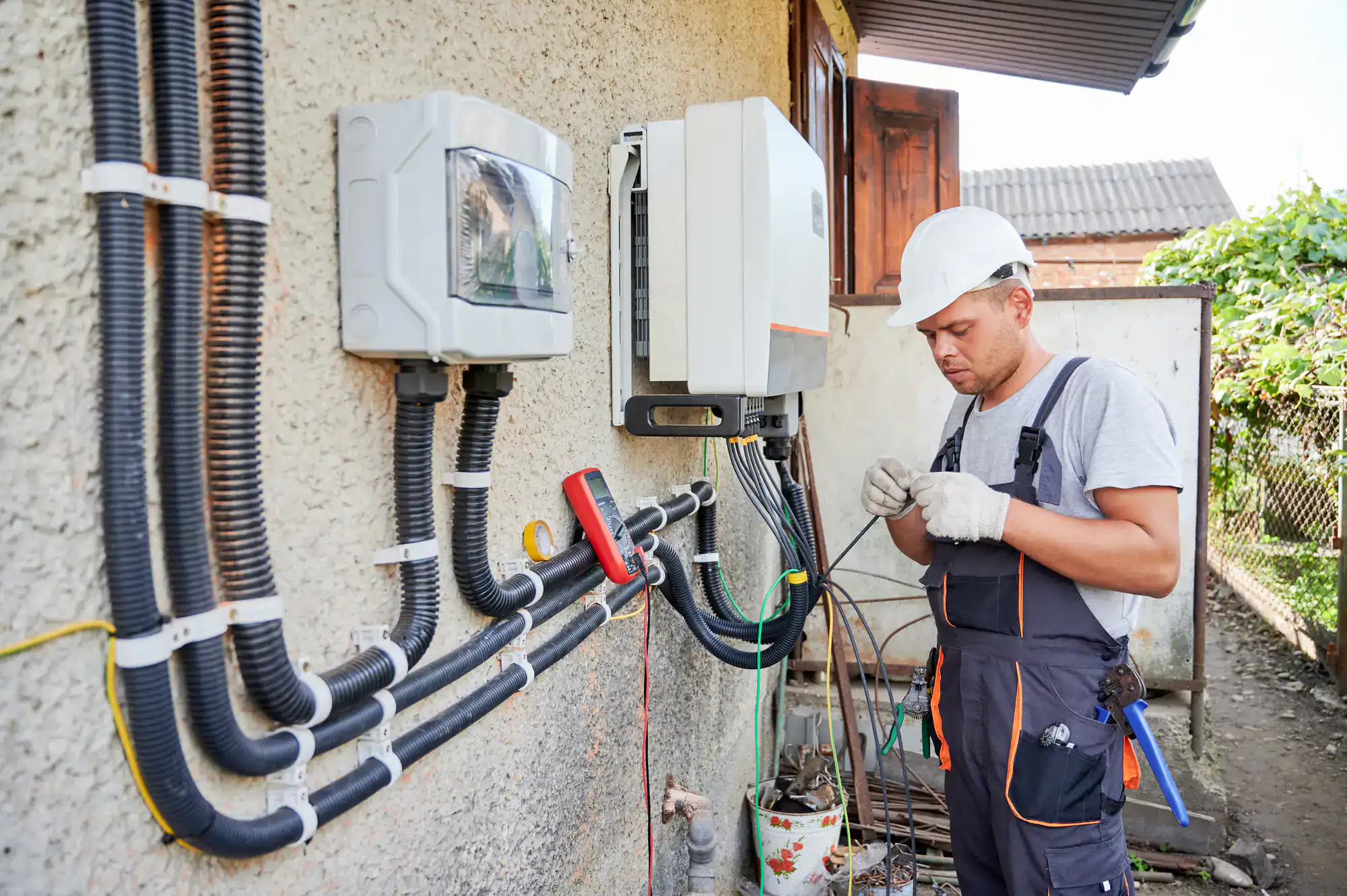
Whole House Generator Installer, Bull Mountain
Young Electric LLC is a second-generation, veteran-owned electrical contracting company based in the Portland Metro area, serving Washington County communities including Bull Mountain. We’ve been doing this work since 2007, and our team brings over four decades of combined experience across residential, commercial, and industrial electrical projects.
What that experience actually means for Bull Mountain homeowners: we’ve seen the edge cases. Older panels that weren’t sized for today’s electrical loads. Steep hillside lots where site prep takes more thought. Washington County permit requirements for unincorporated areas like Bull Mountain, where the process runs through the county building department — not the City of Tigard. These aren’t things you learn from a manual.
We back every installation with a five-year warranty on labor and workmanship. That’s above what most local electrical contractors offer, and it’s not a footnote — it’s the standard. We answer the phone personally, we pull all required permits, and we stand behind the work after the crew leaves your driveway.
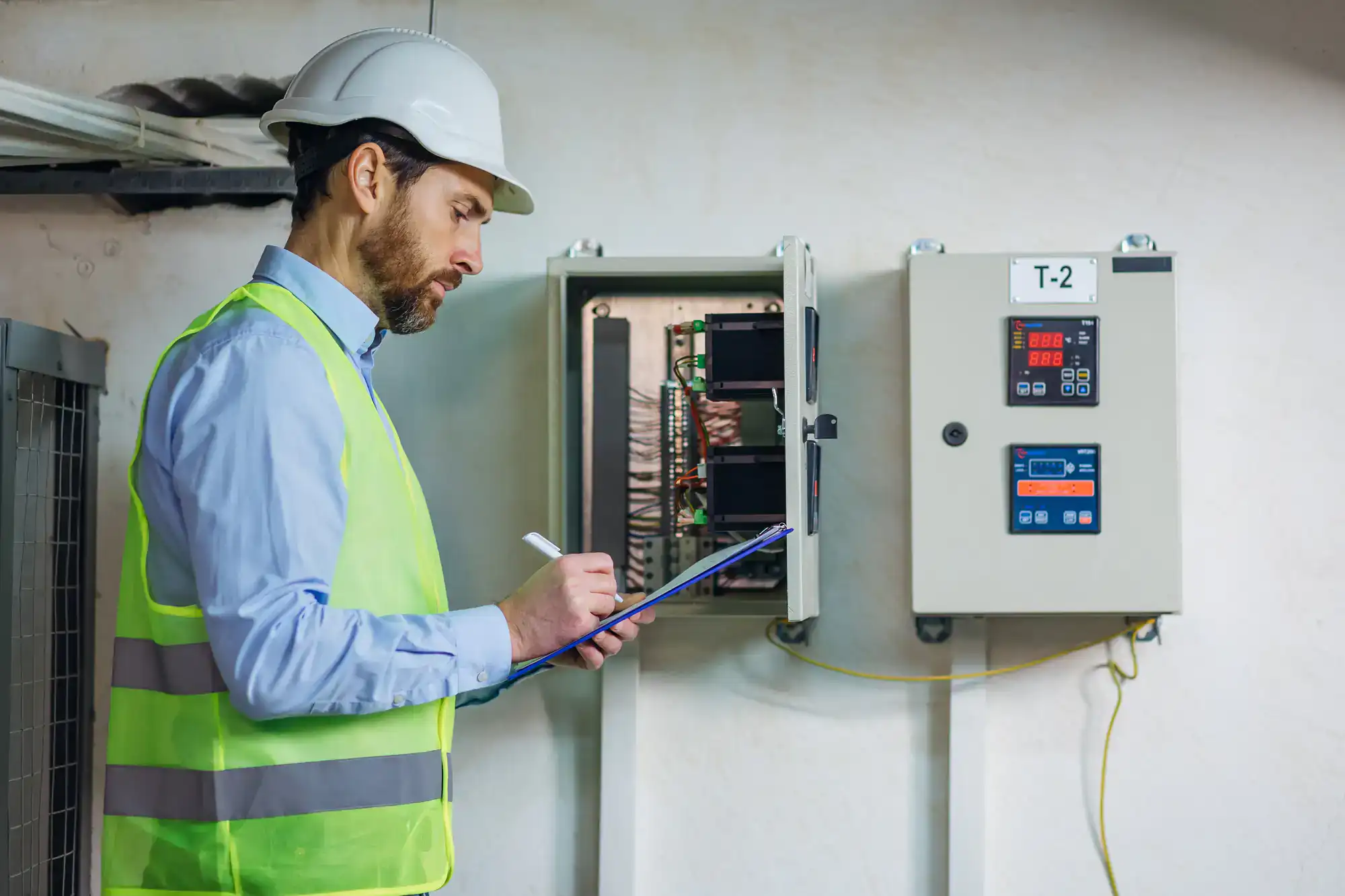
Backup Generator Installation Process, Bull Mountain
The first step is a site assessment. We come out to your property, look at your electrical panel, evaluate your home’s actual load, and figure out what size generator makes sense for your specific house. For Bull Mountain homes — many of which were built around 1995 and may have panels that weren’t sized for today’s electrical demands — this step matters more than most people expect. Getting the sizing right means the generator can actually carry your home during an outage, not just the lights and a few outlets.
From there, we handle the permitting. Because Bull Mountain is unincorporated Washington County, generator installation permits go through Washington County Building Services — not the City of Tigard. We manage that process as part of the standard installation. We also coordinate any gas line work required to connect the unit to your natural gas or propane supply.
The physical installation — setting the generator on a concrete pad or pea gravel bed, connecting the automatic transfer switch, running the wiring — typically takes one day once permits are in place. The full process from first call to completed inspection usually spans several weeks, which is exactly why it’s worth starting before storm season, not after. If you’re thinking about it now, that’s the right timing.
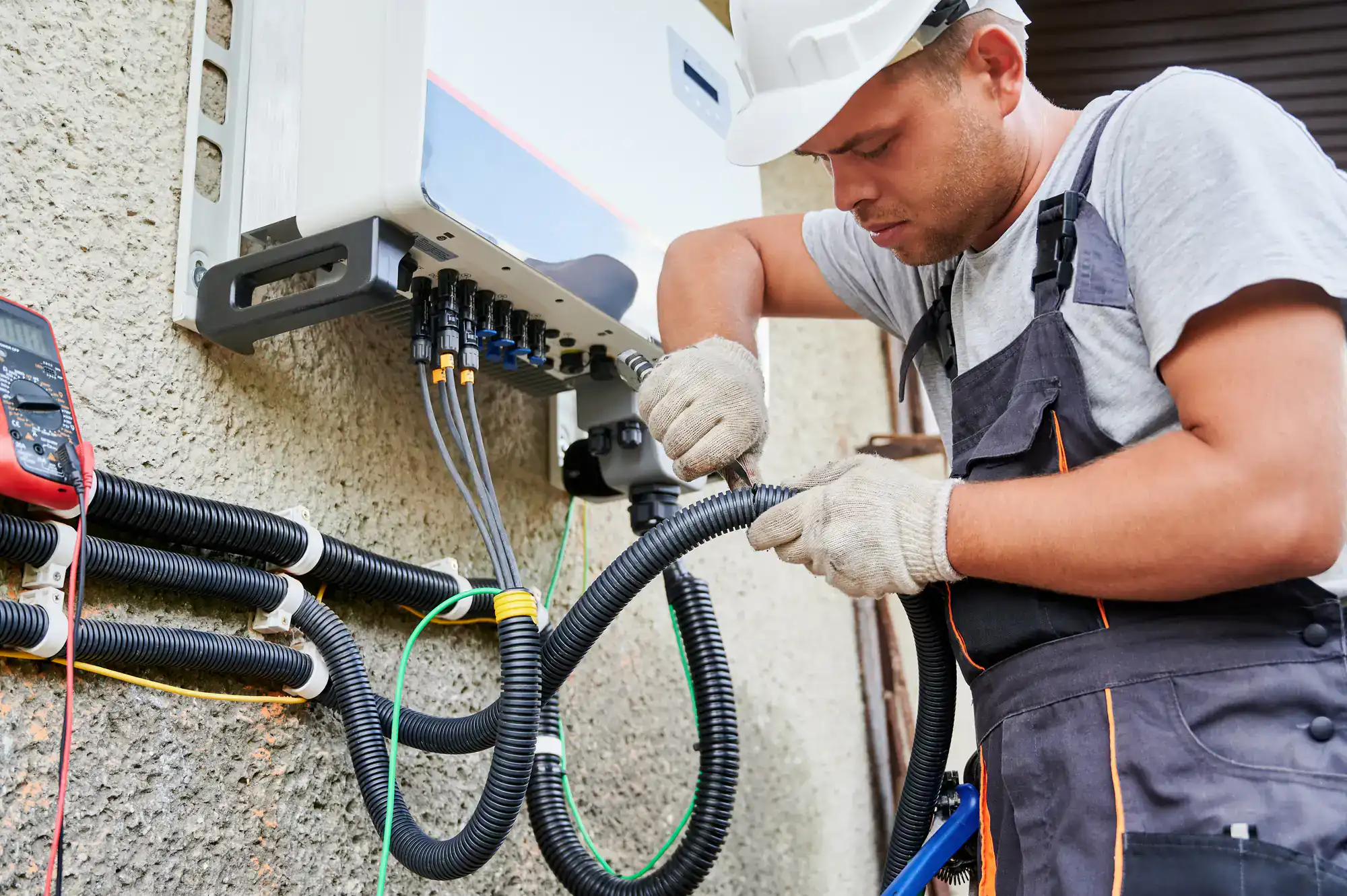
Emergency Generator Installation, Bull Mountain OR
We handle the full scope of generator installation in Bull Mountain — not just the unit itself. That means system selection help if you’re not sure what size or type you need, a proper load calculation based on your home’s actual electrical draw, site preparation, transfer switch installation, all permitting through Washington County, and coordination with your fuel provider.
The transfer switch is one of the most important parts of the job. Oregon law requires a licensed electrician to install a transfer switch or equivalent safety device when connecting a generator to your home’s electrical system. This isn’t optional, and it’s not something to skip to save money — an improper connection creates a back-feed hazard that puts utility workers at risk and voids your equipment warranty. We install automatic transfer switches as standard, so the generator responds to an outage on its own.
For homes in Bull Mountain’s newer development areas like River Terrace, or in established subdivisions like Bull Mountain Meadows, the installation process is the same — but the site conditions vary. Steep driveways, sloped lots, and hillside grading all factor into how the job gets set up. We account for that from the start, so there are no surprises once the crew arrives. Every installation is backed by the five-year labor warranty and handled by licensed, bonded, and insured electricians.
Do I need a permit to install a generator in Bull Mountain, Oregon?
Yes — and because Bull Mountain is unincorporated Washington County, your permit goes through Washington County Building Services, not the City of Tigard. That distinction trips up some contractors who are only familiar with Tigard’s municipal permitting process. Oregon law requires a permit for any generator connection to a home’s electrical system, and the work must be performed by a licensed electrical contractor. Skipping the permit isn’t just a code violation — it can void your generator’s manufacturer warranty and create liability issues if something goes wrong.
We handle all permitting as part of the standard installation process. You don’t need to figure out which jurisdiction applies to your address or which forms to file. We manage the application, schedule the inspection, and make sure the installation passes before we consider the job done.
What size whole house generator do I need for my Bull Mountain home?
The honest answer is that it depends on your home’s actual electrical load — and the only way to know that accurately is to do a proper load calculation. For most Bull Mountain homes, which average around 2,356 square feet and were largely built in the mid-1990s, a whole house standby generator in the 20kW to 22kW range is a common fit. But that number can shift depending on whether you have electric heat, an EV charger, a hot tub, or other high-draw appliances.
Older panels — common in homes from the 1995 era — sometimes need evaluation before a generator can be properly connected. If your panel was sized for the electrical demands of the 1990s, it may not be set up to handle today’s load without some upgrades. We assess your panel and your home’s draw as part of the site visit, so the generator we install is actually matched to what your house needs.
How long does the full generator installation process take in Washington County?
The physical installation — setting the unit, connecting the transfer switch, running the wiring — typically takes one day, usually four to eight hours on-site. But the full process from first call to final inspection is longer than most people expect. Permitting through Washington County Building Services, gas line coordination, and inspection scheduling typically add several weeks to the timeline.
This is one of the most important things to understand before storm season hits. If you call in October hoping to have a generator installed before the first major ice storm, you may already be behind. Bull Mountain’s winter storm season runs from roughly October through February, and that’s when installer schedules fill up fast. Starting the process in late summer or early fall gives you the best chance of being ready when the weather turns.
Is a standby generator actually worth the cost for a home in Bull Mountain?
For a home valued at $600,000 to $700,000 or more — which is the typical range in Bull Mountain — the math works out better than most people initially expect. A standby generator adds roughly 3% to 5% to a home’s resale value. On a $650,000 home, that’s $19,500 to $32,500 in added value. The installation cost for a whole house system runs from $10,000 to $20,000 for most residential projects, which means the value added can offset a significant portion of the upfront cost before you count a single outage.
Beyond resale value, consider what a serious outage actually costs. Food loss, hotel stays if the house gets too cold, potential pipe damage if the heat goes out during a freeze — these aren’t hypothetical. Washington County declared a formal emergency in January 2024 in response to winter storm conditions. Bull Mountain residents at elevation felt that directly. A generator that runs for 20 to 40 years with routine maintenance is a long-term infrastructure investment, not a one-time expense.
What's the difference between a standby generator and a portable generator for my home?
A portable generator requires you to be home, go outside in whatever weather caused the outage, set it up manually, run extension cords, and keep fuel stored and ready to use. For a household where both adults commute to Portland, Beaverton, or the Hillsboro tech corridor during the day, that setup isn’t realistic. If the power goes out at noon on a Wednesday, nobody’s there to start it.
A standby generator is permanently installed outside your home, connected to your electrical panel through an automatic transfer switch, and fueled by your natural gas or propane line. When it detects an outage, it starts on its own within seconds — whether you’re home, at work, or asleep. It also runs a brief self-test once a week so you know it’s ready when you actually need it. For Bull Mountain households that are regularly empty during the workday, that automatic response is the core of what makes a standby system worth it.
How does Young Electric handle installations on steep Bull Mountain lots and driveways?
Bull Mountain’s terrain is real — residential driveways in the area run at grades up to 20%, and sloped lots are the norm rather than the exception. That affects how a generator installation gets set up. The concrete pad or pea gravel bed that anchors the unit needs to be level and stable regardless of the grade around it. Equipment access, site prep, and the logistics of working on a hillside property all require more planning than a flat suburban lot.
We account for these site conditions from the initial assessment, not as an afterthought once the crew arrives. We’ve worked across the Portland Metro area on properties with exactly these kinds of challenges — steep grades, hillside grading, and access limitations that require more setup than a standard install. If your driveway or yard presents specific challenges, that gets factored into the plan upfront so the installation goes smoothly and the finished product is solid and code-compliant.
Useful Links