
Hot Tub Electrical Installation in Bend, OR
Bend Winters Demand More Than a Basic Wiring Job

Hear from Our Customers
Hot Tub Wiring in Bend, Oregon
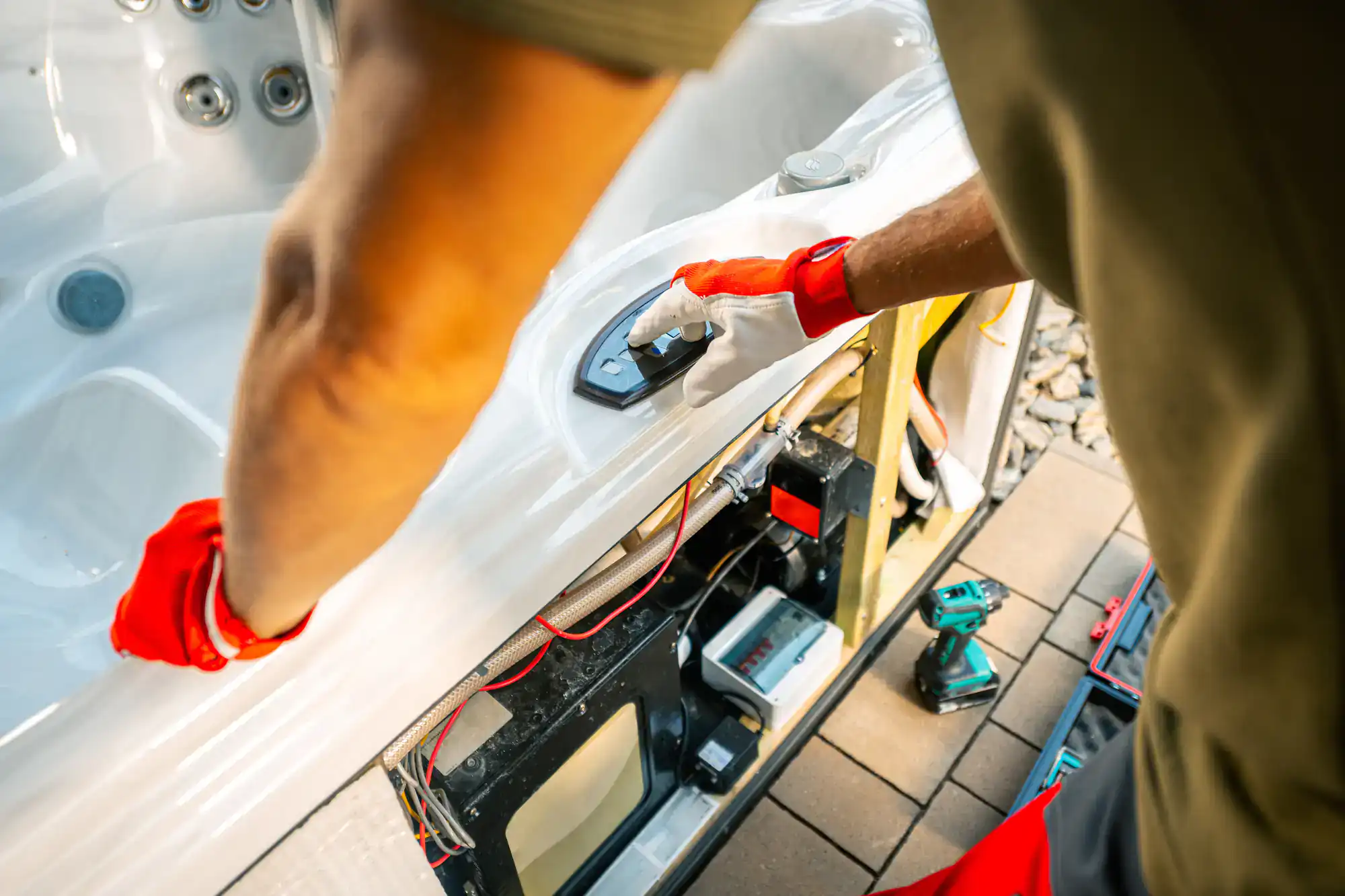
Bend residents don’t buy hot tubs to look at them. After a day skiing the Cascades or riding the Deschutes trails, you come home to a tub that either works or doesn’t. When it’s wired correctly — dedicated 240V circuit, properly sized GFCI breaker, weatherproof disconnect, and everything bonded to code — it works. Every night. In January.
Bend’s high-desert climate is harder on outdoor electrical equipment than most homeowners realize. The freeze-thaw cycles, the UV intensity at elevation, the temperature swings from summer afternoons pushing 100°F down to sub-zero winter nights — all of that tests the quality of every connection and conduit run. A proper installation holds up through those conditions. A shortcut doesn’t, and you usually find out at the worst possible time.
If you’re running a short-term rental near the Old Mill District or in Boyd Acres, a hot tub is one of the highest-ROI amenities you can add in this market. But that investment only pays off when the wiring is permitted, inspected, and documented — because an unpermitted installation can void your homeowner’s insurance and create real liability exposure when paying guests are using the tub. Getting it done right from the start protects the asset, not just the appliance.
Ready to get started?
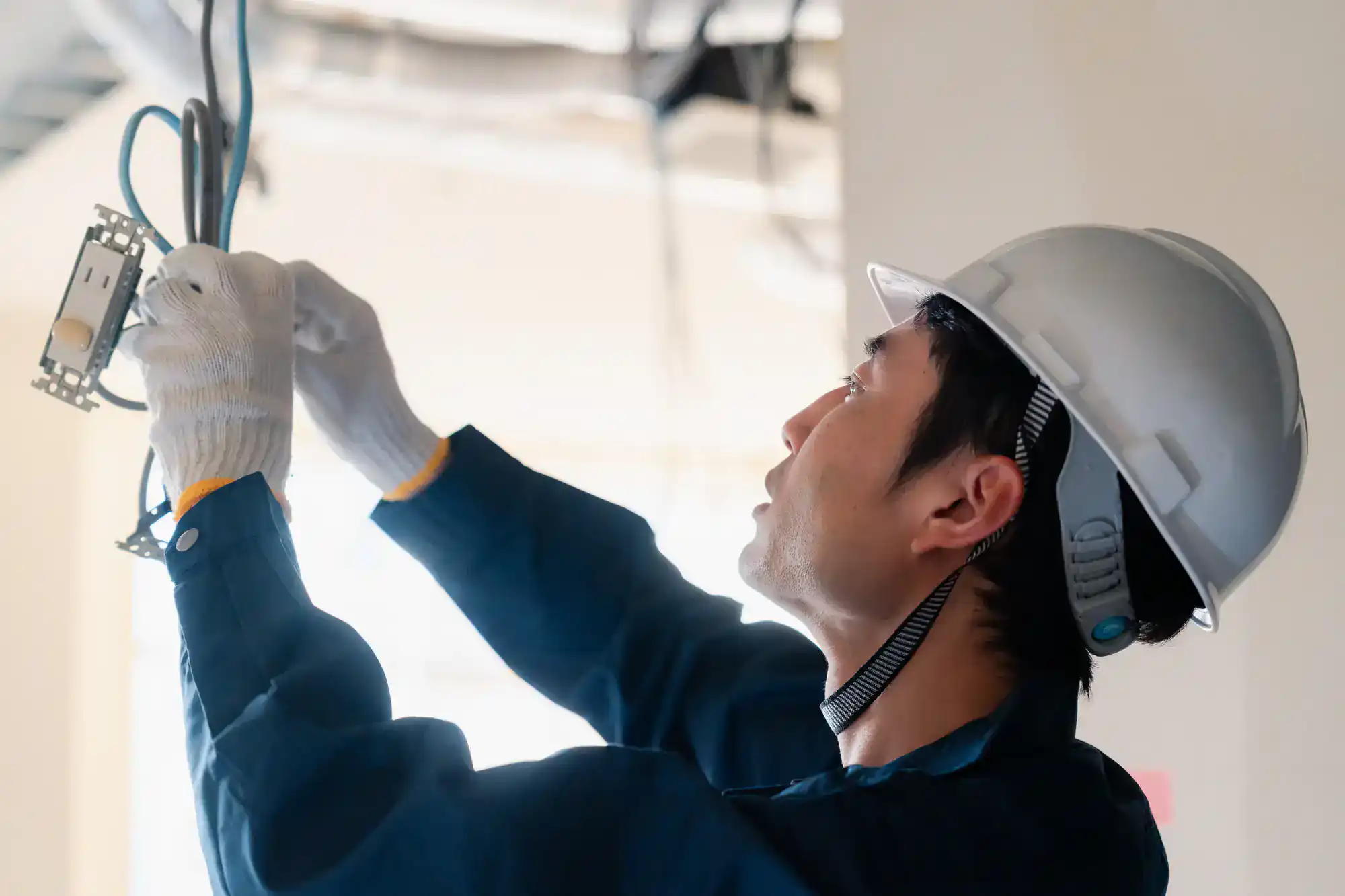
Hot Tub Electrician in Bend, Oregon
We’ve been serving Central Oregon for over 40 years. Our team operates out of Sunriver — about 15 miles south of Bend on US 97 — which means when you call about hot tub electrical installation in Bend, you’re reaching a crew that already knows Deschutes County, knows the City of Bend Building Safety Division’s permit process, and isn’t billing you for a three-hour commute from the west side.
This is a second-generation, family-owned business. Jeremy Young grew up in the trade, and that kind of institutional knowledge shows up in the details — the way a job is planned, the materials chosen, and the work that happens after the inspection passes. We hold both a CCB license and an Oregon Building Codes Division electrical license, which are the two credentials Oregon law requires. We’ve pulled over 3,224 permitted installations across the state, and our BuildZoom score of 125 puts us in the top 1% of all Oregon contractors.
Over 1,400 Google reviews at 4.8 stars. That’s not a number you manufacture — it’s a track record built in Central Oregon over four decades.

240V Hot Tub Wiring Process in Bend
It starts with a free estimate. Before any work is scheduled, we assess your existing electrical panel to confirm it has the capacity to support a dedicated 240V circuit. This is one of the most common concerns for Bend homeowners — especially in older neighborhoods like the Orchard District or Boyd Acres where 100-amp service panels are more common. If an upgrade is needed, you’ll know before anything is committed.
Once the scope is clear, we handle the permit application with the City of Bend Building Safety Division — or with Deschutes County Community Development if your property sits outside city limits in an area like Deschutes River Woods. You don’t have to navigate that paperwork. The permit is pulled, the work is scheduled, and the installation follows the 2023 Oregon Electrical Specialty Code from start to finish.
The installation itself covers everything the job requires: the dedicated circuit run from your panel, 6 AWG copper wire through weatherproof conduit, a properly placed outdoor disconnect box, a Class A GFCI breaker, and equipotential bonding of all metal components around the tub. After the work is complete, a City of Bend electrical inspector signs off on a final inspection. That’s the step that makes the installation legal, insurable, and backed by our 5-year labor warranty.

Jacuzzi Wiring and Spa Electrical in Bend
Hot tub electrical installation in Bend involves more than running a wire from your panel to the backyard. The 2023 Oregon Electrical Specialty Code — which became effective October 1, 2023 and applies to all electrical work in Bend — sets specific requirements for every part of the job. We install to those requirements, pull the permit, and schedule the final inspection. Nothing is skipped.
The dedicated 240V, 50-amp circuit is the foundation. Most full-feature hot tubs run on this service, and it cannot share a breaker with anything else in your home. The GFCI breaker is Class A — the type specifically required for outdoor spas — and it cuts power within milliseconds if a ground fault is detected. The disconnect box is installed weatherproof and outdoor-rated, placed between 5 and 15 feet from the tub and within line of sight. At Bend’s elevation, where outdoor equipment faces harder temperature extremes than anything in the Willamette Valley, that weatherproofing isn’t optional — it’s what keeps the installation performing through year four and year five of that labor warranty.
Equipotential bonding is also part of every job. It’s the step that connects all metal components — pump housings, fittings, the water itself — into a single grounded system. It’s required by the National Electrical Code and it’s the step most unlicensed installers skip. We don’t skip it. If your panel needs an upgrade to support the new circuit, that conversation happens at the estimate stage — not after the work has started.
Do I need a permit for hot tub electrical installation in Bend, OR?
Yes — a permit is required for hot tub electrical work in Bend, and it’s not something you want to skip. The City of Bend Building Safety Division administers electrical permits for properties within city limits, and Deschutes County Community Development handles permits for unincorporated areas like Deschutes River Woods. Either way, the permit triggers a required final electrical inspection before the installation is considered complete and legal under Oregon law.
Skipping the permit doesn’t just create a code violation. It means no one has independently verified that the wiring is safe — and if a claim is ever filed on your homeowner’s insurance tied to unpermitted electrical work, coverage can be denied. For short-term rental property owners in Bend, that exposure is especially significant. We pull the permit as part of every installation and schedule the final inspection, so you don’t have to manage that process yourself.
What size breaker does a 240V hot tub need, and why does it matter?
Most full-feature 240V hot tubs require a 50-amp dedicated circuit with a Class A GFCI breaker. The “Class A” designation is specific — it’s not the same as a standard GFCI outlet or a regular circuit breaker. A Class A GFCI breaker detects ground faults and cuts power in milliseconds. In a wet environment, that response time is the difference between a shock and something much worse. A standard breaker protects equipment from overloads; a GFCI breaker protects people.
The dedicated circuit requirement means nothing else in your home can share that breaker — not outdoor lighting, not a garage outlet, nothing. If your current panel is already close to capacity, or if your home has older 100-amp service, that’s something we evaluate during the free estimate before any work is scheduled. Bend has a mix of newer construction and older homes in neighborhoods like the Orchard District and Boyd Acres, and panel capacity varies significantly. Knowing where you stand upfront prevents surprises.
How does Bend's climate affect the quality of hot tub wiring I need?
Bend’s high-desert climate is genuinely harder on outdoor electrical installations than most homeowners expect. The city sits at 3,642 feet above sea level, which means more intense UV exposure, colder winters, and temperature swings that can run from over 100°F in summer down to single digits in January. Those conditions stress conduit, enclosures, and connections in ways that a mild coastal or valley climate simply doesn’t.
A disconnect box that isn’t properly weatherproofed will eventually fail. Conduit that isn’t sealed correctly allows moisture infiltration, which causes GFCI breakers to trip repeatedly — a frustrating and potentially unsafe situation. Connections that weren’t torqued correctly expand and contract through freeze-thaw cycles and eventually loosen. This is exactly why the quality of the installation matters so much in Bend, and why our 5-year labor warranty carries real weight here. It’s a commitment that the work holds up through Bend winters — not just passes inspection on day one.
Can my existing electrical panel handle a hot tub, or will I need an upgrade?
That depends on your panel’s current capacity and how loaded it already is — and it’s one of the first things we check during the free estimate. A 240V hot tub circuit draws significant power, and if your panel is a 100-amp service or is already close to its limit, you may need a subpanel or a full service upgrade before the hot tub circuit can be added safely.
Homes in older Bend neighborhoods — parts of Boyd Acres, the Orchard District, and some of the homes in historic Old Bend — are more likely to have older or smaller panels than newer construction in areas like Northwest Crossing or Southeast Bend. The estimate visit is specifically designed to answer this question before any commitment is made. If an upgrade is needed, you’ll get a clear explanation of what’s required and why, not a vague line item on a quote you don’t understand.
Is Young Electric LLC actually local to Bend, or are you coming from Portland?
We operate out of Sunriver, which is approximately 15 miles south of Bend on US 97. That’s our Central Oregon base — not a satellite office that dispatches crews from the Portland Metro. When you book a hot tub electrical installation in Bend, you’re working with a team that’s already in the area, familiar with Deschutes County’s permit requirements, and not adding a long commute to your job timeline or your invoice.
We’ve been serving Central Oregon for over 40 years as a second-generation family business. That’s a meaningful distinction in a market like Bend, where rapid population growth has brought a wave of newer contractors who are still building their track record here. Our 3,224+ permitted installations across Oregon and our BuildZoom score in the top 1% of all Oregon contractors reflect decades of consistent, inspected work — not a company that recently expanded into the area.
What's the difference between a licensed electrician and the installer my hot tub dealer recommended?
Hot tub dealers often have a preferred installer they recommend — sometimes it’s a handyman, sometimes it’s an electrician who works at lower rates by skipping permits or cutting corners on code requirements like equipotential bonding. In the short term, it looks like a cheaper option. In practice, it creates real problems.
Oregon law requires a licensed electrician for 240V hot tub installations — someone who holds both a CCB license and a BCD (Building Codes Division) electrical license. Work done by someone who doesn’t hold both credentials is not legally permitted and cannot pass a final inspection. Beyond the legal issue, most hot tub manufacturers void the warranty if the electrical installation wasn’t performed by a licensed professional. And in Bend, where short-term rental property owners need their installations insurable and documented, an unpermitted job creates liability exposure that far outweighs any upfront savings. We hold both required Oregon licenses, pull the permit on every job, and back the labor with a 5-year warranty — which is four years longer than what the most visible local competitor in Bend currently offers.
Useful Links