
Electrical Inspection in Bend, OR
High Desert Homes Need More Than a Visual Check

Hear from Our Customers
Home Electrical Inspection in Bend, OR
When you schedule a residential electrical inspection in Bend, OR with Young Electric LLC, you walk away with something most homeowners never have — a clear, documented picture of what your electrical system is actually doing and whether it can handle what you’re asking of it. That means no guessing, no vague concerns, and no waiting for something to go wrong before you deal with it.
Bend’s housing stock tells a specific story. The thousands of homes built here during the 1990s and 2000s growth boom are now 25 to 35 years old — right at the threshold where electrical systems start showing real signs of stress. The wiring installed in those Mountain View, Boyd Acres, and NorthWest Crossing homes was never designed for a Level 2 EV charger pulling 48 amps, a hot tub on the back deck, and a full home office running simultaneously. An inspection tells you whether the system you have matches the life you’re actually living.
Bend’s climate adds another layer. Winters here regularly drop into the low 20s, and outdoor electrical equipment — meter boxes, exterior outlets, hot tub circuits, EV charger pedestals — takes a beating through those temperature swings every year. We catch moisture intrusion, weathering, and insulation degradation that builds up quietly over time, long before it shows up as a tripped breaker or something worse.

Ready to get started?
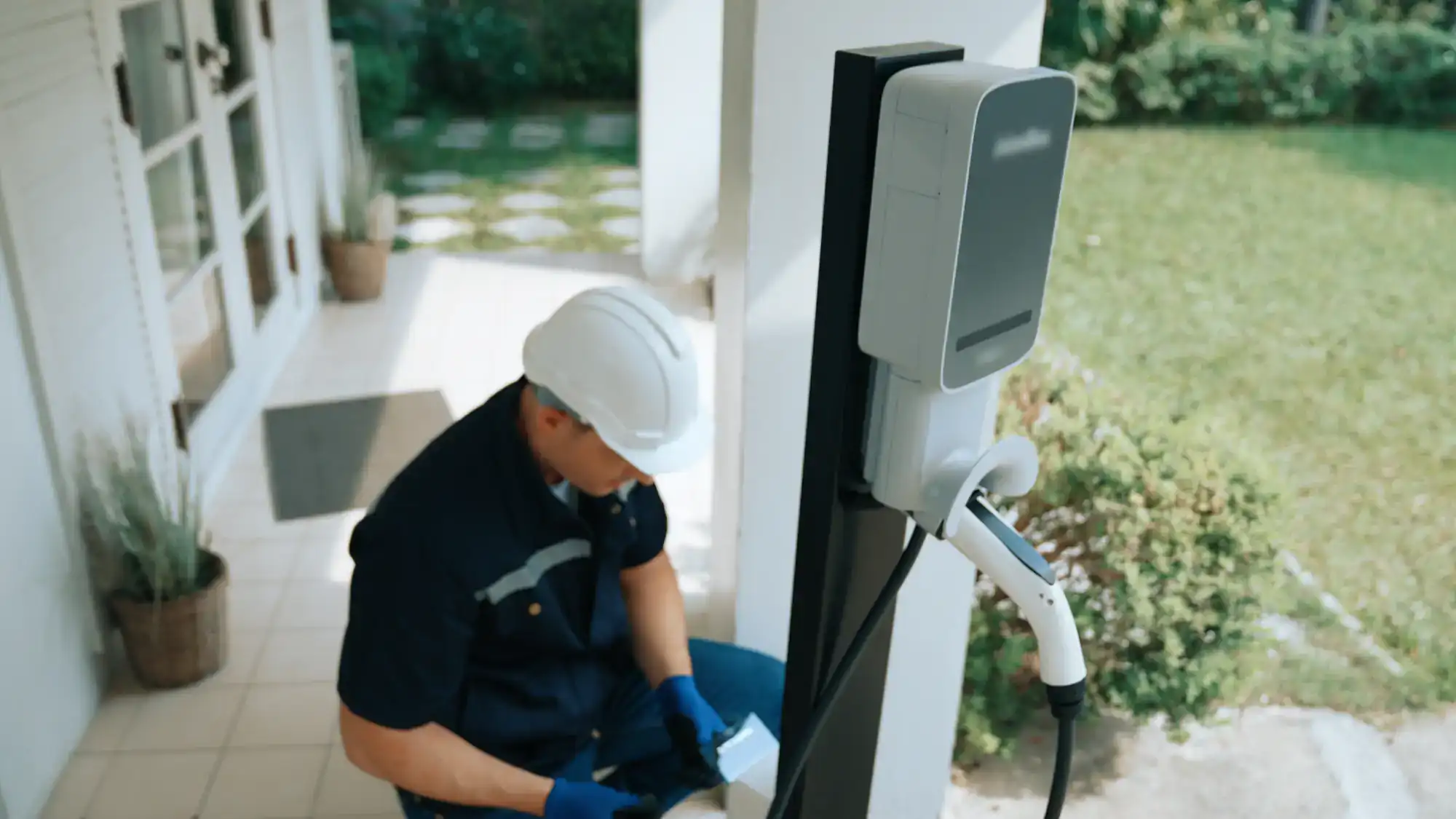
Electrical Inspection Services near Bend, OR
Young Electric LLC has been doing this work since 1974. That’s not a marketing number — it means our team has inspected wiring from every era, including the knob-and-tube systems still present in some Old Bend and Drake Park Historic District homes, the aluminum wiring common in 1960s and 70s construction, and the growth-era panels that are now aging across Deschutes County.
We operate out of a Central Oregon office in Sunriver, about 15 miles south of Bend. This isn’t a Portland crew making the three-hour drive when someone calls — we’re a team that already knows the area, knows the local permit process, and works in this market regularly. Owner Jeremy Young is a military veteran and second-generation electrician who built this business on the idea that the job isn’t done until it’s done right.
Young Electric LLC holds IAEI certification — from the International Association of Electrical Inspectors — which is directly relevant to the inspection work we do. With 1,400-plus Google reviews at a 4.8-star average, our track record speaks clearly.
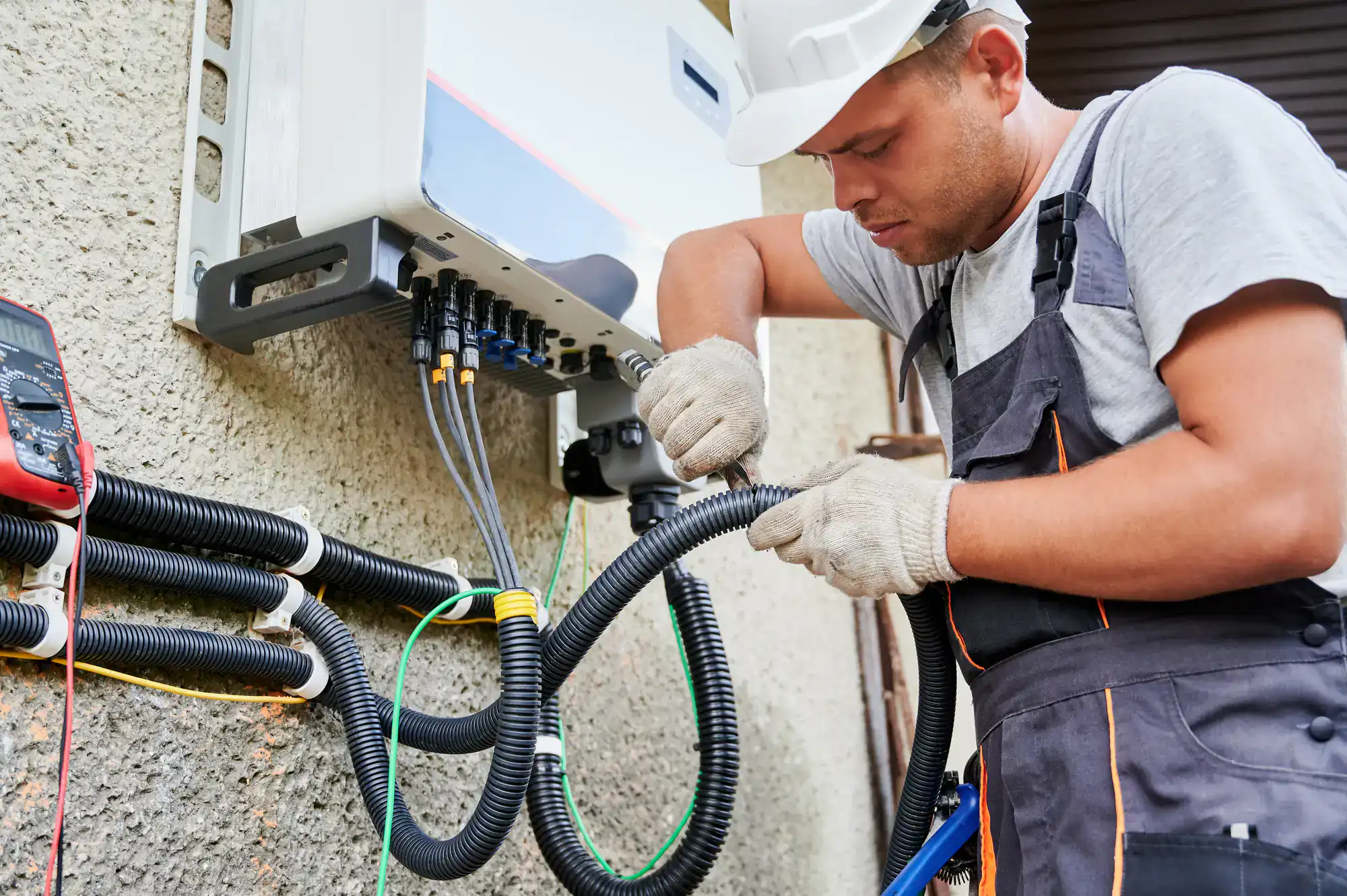
Residential Electrical Inspection in Bend, OR
The process starts with a call and a free estimate. Once you’re scheduled, one of our licensed electricians comes to your home and works through the full system — not just the panel and the obvious stuff, but the attic, the crawl space, and the living spaces where hidden wiring issues tend to live quietly for years. In Bend’s older neighborhoods and in homes built during the 1990s-2000s growth period, that’s where the real story often is.
During the inspection, we check your panel’s capacity and condition, test outlets and breakers, verify GFCI and AFCI protection in the areas where Oregon’s electrical code requires it, and look for code violations, damaged components, and wiring that wasn’t designed for today’s electrical loads. If you’ve added an EV charger, a hot tub, or other high-draw equipment, that’s part of the assessment too — the inspection confirms whether the system can support what you’ve already installed or what you’re planning to add.
After the inspection, you receive a full written report. It documents everything we found, flags any deficiencies, and lays out recommendations clearly. That report is yours to keep — useful for insurance purposes, real estate decisions, or simply knowing where things stand. If anything needs to be addressed, we can handle the follow-up work directly. Same team, same standards, no starting over with someone new.
In Bend, all electrical work requires permits through the City of Bend or Deschutes County Building Department, and permitted work requires a final electrical inspection before it’s considered complete. We handle that process and ensure everything is properly documented from start to finish.

Electrical Wiring Inspection in Bend, OR
A home electrical inspection in Bend, OR with Young Electric LLC covers the full scope of your residential electrical system. The panel gets a thorough look — capacity, breaker condition, signs of overheating or improper modifications. Wiring throughout the home is assessed for damage, outdated materials, and code compliance under Oregon’s current electrical specialty code. Outlets, switches, and fixtures are tested. GFCI protection is verified in kitchens, bathrooms, garages, and outdoor areas. AFCI protection is checked where required. Smoke and carbon monoxide detector placement is reviewed.
The inspection also covers the attic and crawl space — areas that general home inspectors often only partially assess but where serious wiring hazards frequently hide. In Bend’s older homes near Old Bend and the Drake Park Historic District, this is especially important. Pre-1950s construction can carry wiring configurations that present real risk if they’ve never been professionally evaluated.
Outdoor electrical components get specific attention in Bend’s climate. Meter boxes, exterior outlets, hot tub wiring, and EV charger installations are all checked for moisture intrusion and weathering damage from the region’s cold winters and temperature extremes. At the end of the visit, you receive a complete written report covering every finding and every recommendation — a documented record you can actually use. No named packages, no upsell pressure. Just a thorough electrical code inspection in Bend, OR and a clear picture of where your system stands.
How often should Bend homeowners schedule a residential electrical inspection?
The general industry recommendation is every three to five years for most homes, but that timeline shifts depending on your specific situation. If your Bend home was built during the 1990s or 2000s growth boom, it’s now 25 to 35 years old — which puts it squarely in the range where electrical systems start showing real wear. Homes in that age bracket that haven’t been inspected recently are worth prioritizing.
For homes in older Bend neighborhoods like Old Bend or near the Drake Park Historic District, the recommendation is more frequent — some of that housing stock dates back to the 1910s through 1940s and may carry wiring that was never updated to modern standards. Beyond age, specific triggers also apply: if you’ve added a hot tub, an EV charger, a home generator, or any other high-draw equipment, an inspection before or shortly after that installation is a smart step. Bend’s climate — with winters that regularly drop into the low 20s and occasional lows well below zero — also accelerates wear on outdoor electrical components in ways that aren’t always visible until something fails.
What's the difference between a home inspector's electrical check and a licensed electrician's inspection?
A general home inspector performs a surface-level visual assessment of your electrical system — they’re looking for obvious red flags, not conducting a technical evaluation. They typically check whether the panel looks functional, whether outlets appear to be working, and whether anything is visibly damaged. They are not licensed to test circuits, verify code compliance in detail, or assess whether your system can handle your home’s actual electrical load.
A licensed electrician conducting a full electrical system inspection in Bend, OR goes significantly deeper. That means testing voltage and amperage across circuits, verifying GFCI and AFCI protection where Oregon’s current electrical code requires it, assessing the panel for capacity and condition, and inspecting the attic and crawl space for hidden wiring issues. At the end, you receive a written report with documented findings and specific recommendations — something a general home inspection doesn’t provide. If your home inspector flagged a concern about the electrical system but couldn’t tell you exactly what it was or how serious it is, that’s precisely the situation where a dedicated electrical inspection fills the gap.
Should I get an electrical inspection before adding an EV charger or hot tub in Bend?
Yes, and doing it before the installation is the smarter sequence. A Level 2 EV charger draws significant amperage — typically 40 to 48 amps on a dedicated circuit. A hot tub requires a dedicated 240-volt circuit as well. Before either of those installations happens, you need to know whether your existing panel has the capacity to support the added load without overloading circuits or creating a fire hazard.
Bend’s active outdoor lifestyle means EV chargers and hot tubs are common upgrade requests. The City of Bend has been actively investing in EV infrastructure, including a formal EV Readiness Plan published in 2022, and more Bend homeowners are making the switch. But the right order of operations is inspection first, installation second. If the panel needs to be upgraded before the charger can be safely added, finding that out before the installation begins saves you from a mid-project discovery that costs more time and money than the inspection would have. We handle both the inspection and any necessary panel work, so you’re not managing two separate contractors.
Does Young Electric LLC handle electrical inspections for vacation rentals near Bend, OR?
Yes. Vacation properties and short-term rentals in and around Bend — including properties near Sunriver, where we have a Central Oregon office — are a significant part of the local market. These properties often go extended periods without a professional electrical eye on them, especially if they’re not your primary residence. A GFCI outlet that stops functioning in a rental property’s bathroom or kitchen, outdoor wiring that has weathered multiple Central Oregon winters, or a panel that’s been quietly overloaded by rotating guests — these are the kinds of issues that don’t announce themselves until something goes wrong.
Insurance carriers for short-term rental properties increasingly require documentation of electrical safety, and Deschutes County’s regulatory environment around short-term rentals continues to evolve. Having a written electrical inspection report on file is a practical step for any property owner renting to guests. Our team is already operating in the Sunriver and Bend area regularly, which means scheduling for Central Oregon vacation properties is straightforward — not a special trip from Portland.
What happens if the inspection finds something wrong with my electrical system?
Finding something is actually the point. An electrical inspection that comes back completely clean gives you documented confirmation that your system is in good shape — that’s valuable on its own. But if the inspection turns up a problem, you’re in a much better position knowing about it now than discovering it later through a tripped breaker, a damaged appliance, or something more serious.
When we identify an issue, it goes into your written report with a clear explanation of what was found and what the recommendation is. There’s no pressure attached to that report — it’s your documentation to use however you choose. That said, if you do want the follow-up work done, we can handle it directly. Same team that did the inspection, same standards applied to the repair or upgrade. You don’t have to re-explain the situation to a new contractor or start the scheduling process over. For Bend homeowners dealing with aging growth-era wiring or homes that have never had a professional electrical assessment, knowing what you’re working with is the first step — and it’s a straightforward one.
How does Bend's climate affect the electrical systems in local homes?
Bend sits at over 3,600 feet in the high desert east of the Cascades, and the temperature range here is significant — summers push into the low 80s while winters regularly drop into the low 20s, with occasional extreme lows well below zero. That kind of cycling puts stress on wiring insulation over time, particularly in older homes where the insulation has been contracting and expanding through decades of Bend winters.
Outdoor electrical components take the most direct hit. Meter boxes, exterior outlets, EV charger pedestals, and hot tub wiring are all exposed to the freeze-thaw cycles that come with a Central Oregon winter. Moisture intrusion is a real risk when seals and weatherproofing degrade — and it’s not always visible from the outside. We inspect outdoor components with Bend’s specific climate conditions in mind, not just running through a generic checklist. The high desert environment also means homes here tend to run heavier heating loads in winter than comparable homes in the Willamette Valley, which puts additional demand on panels and circuits that may not have been sized for that level of sustained use.
Useful Links