
Electrical Inspection in Vancouver, WA
What Did You Inherit When You Bought That Vancouver Home?

Hear from Our Customers
Home Electrical Inspection Vancouver, WA
Vancouver’s housing stock is a mixed bag — and that’s not a criticism, it’s just the reality. Neighborhoods like Arnada, Hough, and the Columbia River corridor have homes built before 1950, many of which still have wiring systems that were never designed to carry modern electrical loads. Homes from the 1960s and 1970s throughout Hazel Dell and Orchards frequently have aluminum branch circuit wiring — something insurers are increasingly flagging before they’ll issue or renew coverage.
An electrical safety inspection tells you what you’re actually dealing with, in plain language, before your insurance company or a future buyer does.
Vancouver gets around 42 inches of rain a year, and that moisture doesn’t stay on the surface. It works its way into crawl spaces and corrodes outdoor connections over time. Our electrical wiring inspections include attic and crawl space checks — the places where Pacific Northwest weather quietly does its damage over decades. You won’t find that level of thoroughness on every contractor’s service page, because most don’t go there.
After the inspection, you’ll have a written report with findings and prioritized recommendations. Not a verbal opinion. Not a vague “looks okay.” A document you can use for insurance conversations, real estate negotiations, or simply knowing where your home stands.

Ready to get started?

Electrical Inspection Services Clark County, Washington
Young Electric LLC has been serving the Portland-Vancouver metro area for over 40 years. That includes both sides of the Columbia River — Clark County homes, older neighborhoods in downtown Vancouver, and the newer suburban developments pushing north toward Salmon Creek and Ridgefield. We’re not a company that occasionally makes the drive across the bridge. The Portland-Vancouver market is where we’ve worked for four decades, through multiple code updates and generations of housing stock.
We’re veteran-led and family-owned, which matters in Vancouver where roughly 6.5% of residents are veterans. Young Electric holds certification with the International Association of Electrical Inspectors — the professional body that sets the standard for how electrical inspections should actually be conducted. That’s a different credential than simply being a licensed electrician who offers inspections as a side item.
Combined with over 1,400 Google reviews at 4.8 stars, the track record speaks for itself.
Residential Electrical Inspection Clark County
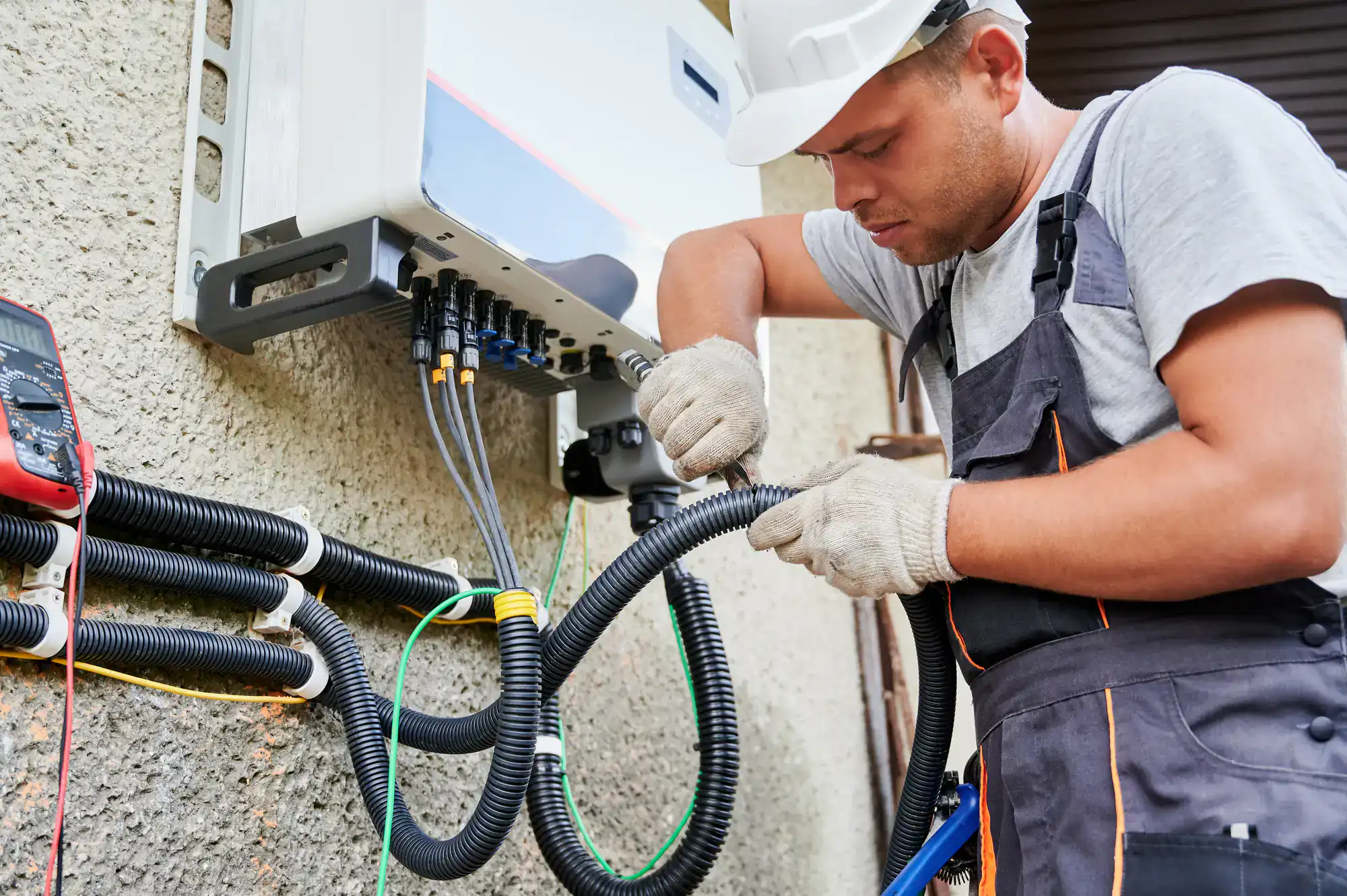
When our technician arrives at your Vancouver home, the first thing we assess is the electrical panel — the part of your system that controls everything else. We’re looking at the condition of the breakers, the panel brand (some older panels like FPE Stab-Lok have documented failure rates that insurers and home buyers care about), and whether the service capacity matches the load your home is actually running.
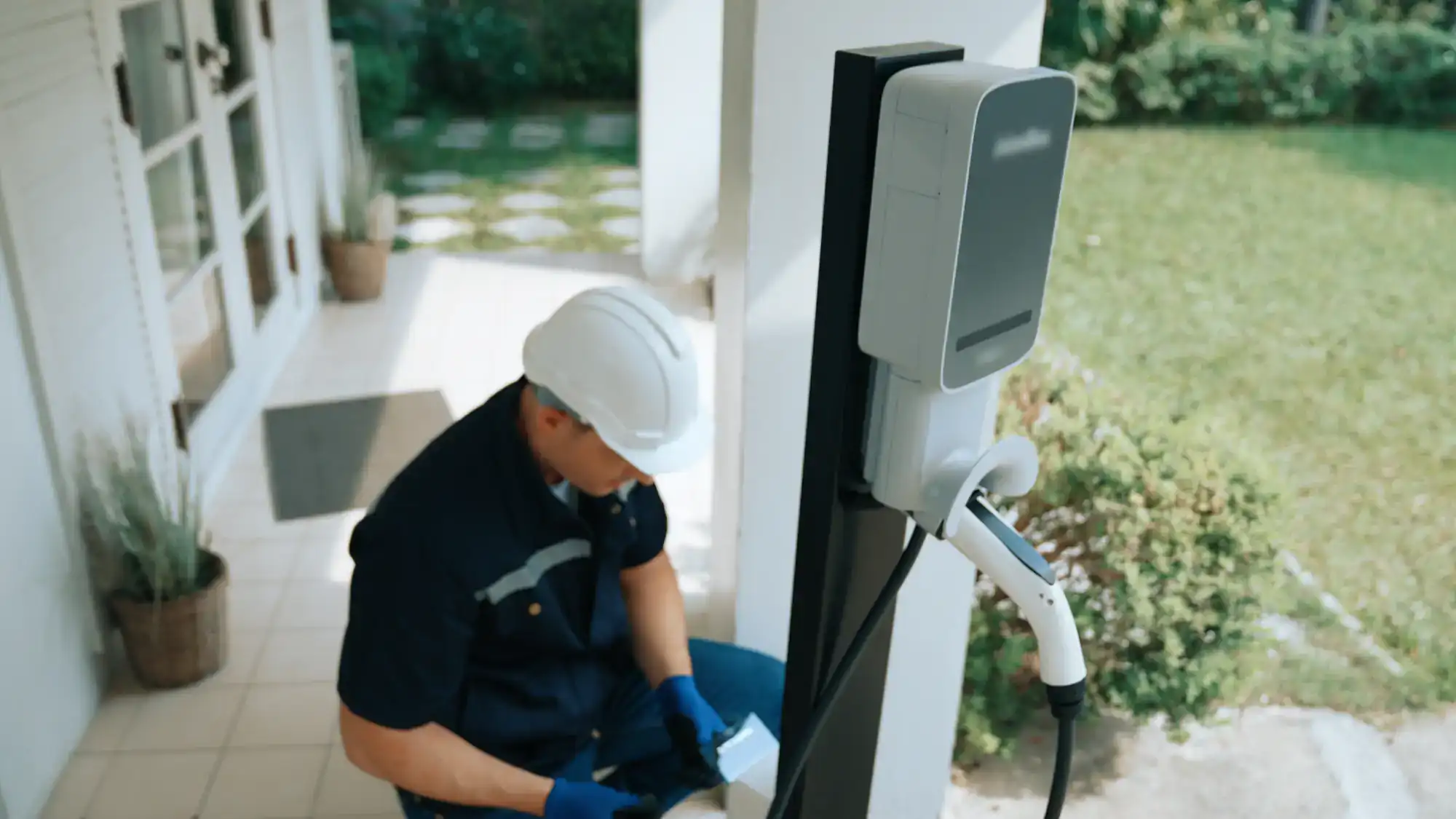
If you’ve added an EV charger, a hot tub, or a home office setup in recent years, that capacity question matters more than most people realize.
From there, the inspection moves through the home — living spaces, kitchen, bathrooms, and critically, the attic and crawl space. In Vancouver’s climate, those lower-level spaces are where moisture intrusion tends to show up first in the wiring. We check grounding and bonding, GFCI protection in wet areas, AFCI protection in living spaces and bedrooms, outlet and switch condition, and the overall wiring type throughout the home.
For Clark County homeowners, here’s what matters: electrical permits in Vancouver city limits are handled through the City of Vancouver’s Community Development Department, while permits for unincorporated Clark County go through Washington State L&I. If the inspection turns up work that requires a permit, we can walk you through what that process looks like — and handle the repair work ourselves, so you’re not left with a report and no clear next step.
Electrical System Inspection Vancouver, Washington
The electrical system inspection we conduct covers the full scope of your home’s electrical condition — not just the visible stuff. The panel and breakers get a thorough assessment. Wiring type is identified throughout the home, which is especially relevant in older Vancouver neighborhoods where knob-and-tube or aluminum branch wiring may still be present.
Grounding and bonding are checked. Every GFCI outlet in wet areas is tested for function, not just noted for presence. AFCI protection in bedrooms and living spaces is evaluated against current code — and Vancouver adopted the 2023 National Electrical Code in April 2024, so homes inspected or updated before that date may not meet the current standard.
Outdoor components get attention too — service entrances, exterior outlets, and weatherhead condition. In Vancouver’s wet season, which runs roughly October through April and brings close to five inches of rain in December alone, outdoor electrical components take more punishment than they would in a drier climate. That’s a documented pattern in Pacific Northwest homes, not a hypothetical.
At the end of the inspection, you receive a written report. Every finding is documented, and recommendations are prioritized so you know what’s safety-critical versus what’s advisory. If something needs to be repaired, Young Electric LLC can handle it — same company, same relationship, no starting over with a new contractor.
Does a general home inspection cover the same things as an electrical inspection in Vancouver?
Not really — and this is a gap that catches a lot of Vancouver buyers off guard. A general home inspector does a visual walkthrough and flags concerns for further review, but they are not licensed electricians. They’re not trained to test live circuits, evaluate panel brands for documented failure rates, assess GFCI and AFCI function, or identify wiring types like aluminum branch circuits or knob-and-tube that carry specific insurance and safety implications.
A licensed electrician’s electrical inspection in Vancouver, WA goes deeper. It includes testing, not just looking. It covers the attic and crawl space where wiring condition often tells a different story than the living spaces do. You’ll get a written report with findings you can actually use — for insurance documentation, real estate negotiations, or your own maintenance planning. If you bought your Vancouver home and relied on the general inspection for your electrical peace of mind, it’s worth knowing what that inspection did and didn’t cover.
How often should a Vancouver homeowner schedule a home electrical inspection?
The general industry guidance is every three to five years for most homes, and every two to three years for homes that are 25 years or older. A significant portion of Vancouver’s established neighborhoods — Arnada, Hough, Hazel Dell, the Columbia River corridor — fall into that older category, which means more frequent checks are genuinely warranted.
Beyond age, there are specific triggers that should move an inspection to the top of your list regardless of when the last one happened. Adding an EV charger, finishing a basement, installing a hot tub, or buying a home that was previously owned by someone who did their own electrical work — any of those situations create new risk that a prior inspection wouldn’t have caught. Vancouver’s growing professional commuter population has been adding EV chargers to older homes at a steady pace, and the panel capacity question that comes with that is exactly the kind of thing a current inspection addresses.
My Vancouver home is older — will the inspector find expensive problems I can't afford to fix?
This is probably the most common reason people put off scheduling an inspection, and it’s worth addressing directly. Finding something doesn’t mean you have to fix everything immediately. The written report we provide after every inspection prioritizes findings — safety-critical items are clearly separated from advisory items. You’ll know what needs attention now versus what to plan for over time.
What’s actually more expensive is not knowing. Electrical fires in older homes — the kind with knob-and-tube wiring or outdated panels — typically start from problems that gave no visible warning signs. In Vancouver’s older neighborhoods, where homes may have decades of deferred maintenance and previous owner modifications that were never permitted or inspected, the risk isn’t abstract. The inspection cost is a fraction of what a single insurance claim, emergency repair, or fire-related loss would run.
Can my insurance company require an electrical inspection for my Vancouver, WA home?
Yes, and this is happening more frequently in the Vancouver market than most homeowners expect. Insurers are increasingly scrutinizing electrical systems in homes older than 30 years before issuing or renewing coverage. Specific panel brands — FPE Stab-Lok panels in particular — are flagged almost automatically. Homes with aluminum branch circuit wiring or knob-and-tube systems are also common targets for insurer review, and both wiring types are present in older Vancouver neighborhoods.
If your insurer has sent you a letter asking about your home’s electrical system, or if you’re shopping for new coverage on an older home, a written inspection report from a licensed electrician is typically what they want to see. It documents the current condition of your system and gives the insurer something concrete to evaluate. Getting that report before the insurer makes a decision gives you more control over the outcome than waiting to see what they require after the fact.
What electrical code does Vancouver, WA follow, and does my home need to meet it?
The City of Vancouver adopted the 2023 National Electrical Code on April 1, 2024. This is the current standard that governs new electrical work and permitted repairs within Vancouver city limits. For unincorporated Clark County addresses — areas like parts of Orchards and Hazel Dell that fall outside Vancouver city limits — electrical permits are handled through Washington State L&I rather than the city, though the underlying NEC standard applies in both cases.
Here’s the important nuance: your existing home is not automatically required to be upgraded to meet the current code just because a new version was adopted. Code compliance requirements typically apply to new work, not the entire existing system. However, if an inspector finds that your home has conditions that fall significantly short of current safety standards — GFCI protection missing in wet areas, no AFCI protection in bedrooms, an undersized service panel — those findings matter for insurance and safety reasons regardless of when the code was adopted.
Young Electric LLC is based in Portland — do you actually serve Vancouver and Clark County?
Yes. We explicitly serve the Portland-Vancouver metro area, which includes Vancouver and Clark County. The Columbia River is a state line, not a service boundary. The same team that has worked in Portland’s established neighborhoods for over 40 years understands the housing stock on the Washington side of the river — the pre-WWII homes in downtown Vancouver, the mid-century construction throughout Hazel Dell and Orchards, and the newer developments in Salmon Creek and Felida.
Clark County has a meaningful veteran community — about 6.5% of Vancouver residents are veterans — and our veteran-led background resonates specifically here, not just as a talking point but as a shared set of values around reliability and straight talk. Our 1,400-plus Google reviews at 4.8 stars were earned across this regional market. When a Vancouver homeowner reads those reviews, they’re reading about the same climate, the same housing stock, and the same kind of service they’re considering. Reach out for a free estimate and you’ll get a real person on the phone — that’s been the standard from the start.
Useful Links