
Electrical Inspection in Troutdale, OR
Gorge-Edge Homes Deserve a Closer Look Inside

Hear from Our Customers
Home Electrical Inspection Troutdale, OR
Most electrical problems don’t announce themselves. They build quietly — inside panels, behind drywall, up in the attic — until something fails or, worse, something catches. A residential electrical inspection gives you a clear picture of where your system stands right now, not after the fact.
For Troutdale homeowners, that picture matters more than most realize. The east winds that funnel out of the Gorge are hard on overhead service equipment. Weatherheads, mast attachments, and panel components on older homes — especially those in downtown Troutdale near the Historic Columbia River Highway — take more weathering stress than homes sitting further west in the metro. Power surges that follow major outage restoration add another real risk to your system’s integrity.
The housing stock here spans more than a century of construction. A bungalow near the old town center carries different risks than a ranch in Beaver Creek or a split-level in Sweetbriar. Whatever era your home was built in, an electrical safety inspection tells you exactly what’s present, what needs attention, and what can wait — in writing, not just a verbal rundown at the door.
Ready to get started?

Licensed Electrical Inspection Services Troutdale, OR
We’ve been working in Portland Metro homes since 1974. That means we’ve been inside the same 1970s ranches that now fill Cherry Park and Sandee Palisades, the same era of construction where aluminum branch wiring and aging Federal Pacific panels show up most often. We know what to look for because we’ve seen it for decades.
We’re family-owned, veteran-led, and hold certification from the International Association of Electrical Inspectors — the organization built specifically around electrical inspection standards. That credential matters when you’re dealing with Troutdale’s layered housing stock, where what’s inside the walls depends heavily on when your neighborhood was developed.
With a 4.8-star rating across more than 1,400 Google reviews, our track record speaks for itself. Homeowners consistently describe the experience as professional, honest, and straightforward — no pressure, no inflated findings, just a clear report of what’s actually there.
Electrical Wiring Inspection Process Troutdale, OR
It starts with a free estimate — a conversation about your home, its age, what you’ve noticed, and what you’re trying to find out. Whether you’re buying a 1970s ranch in Beaver Creek, dealing with flickering lights in a Sweetbriar split-level, or just haven’t had anyone look at your system in years, that initial conversation shapes what the inspection focuses on.
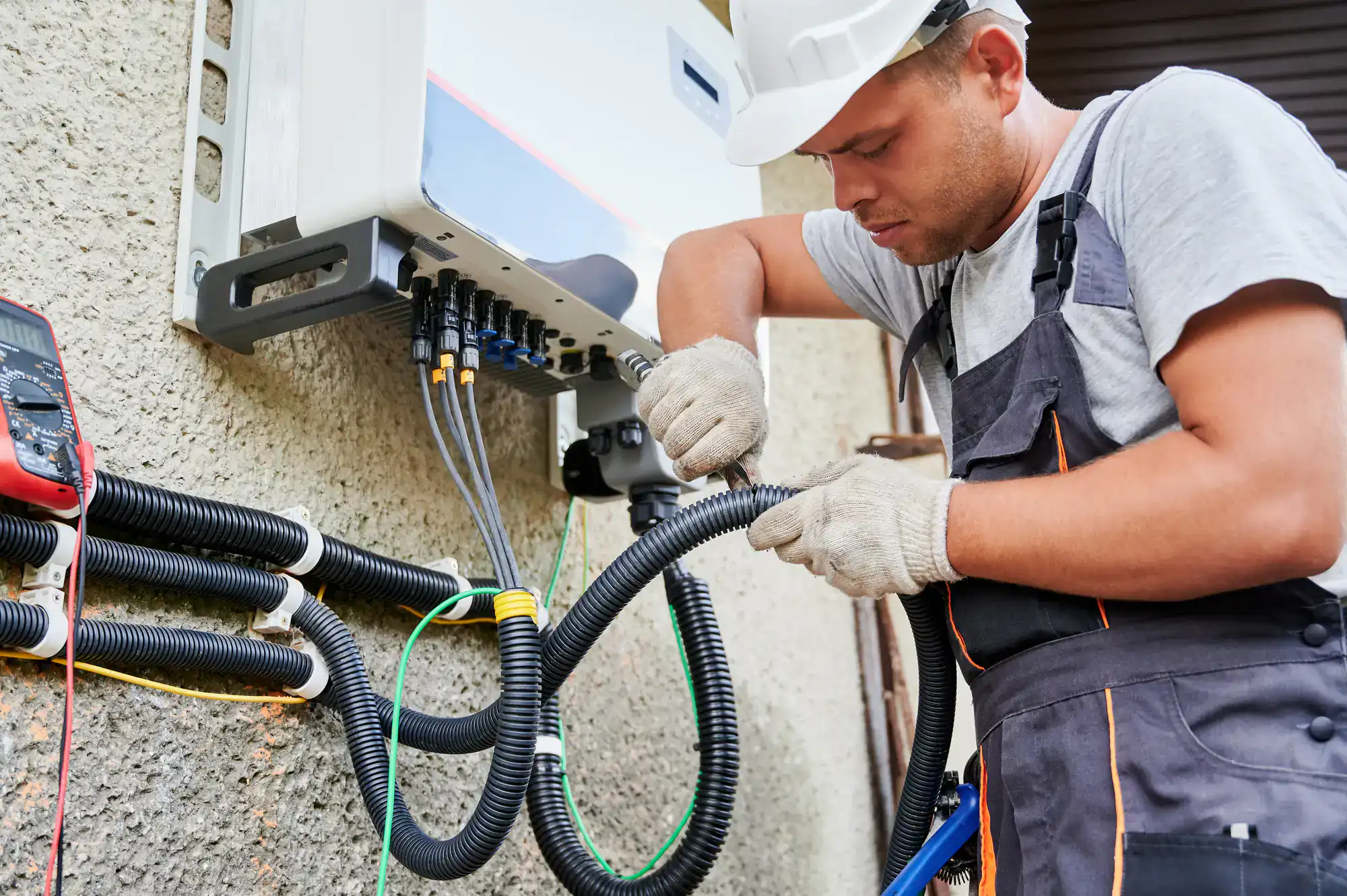
On the day of the inspection, we go through the full system — panel, wiring, outlets, breakers, attic, and crawl space. Those last two matter more than people expect. Hidden wiring in attic and crawl spaces is where serious hazards often live, and general home inspectors frequently give those areas only a surface-level pass. We go through them the same way we go through the rest of the home.
In Troutdale, electrical permits for any follow-up work are handled through the City of Troutdale’s Building Division — a local permitting process, not county-routed. We’re fully licensed under Oregon’s CCB and BCD requirements and handle that process directly. When the inspection wraps up, you receive a complete written report covering findings, any deficiencies, and clear recommendations — something you can use for insurance, real estate negotiations, or your own planning.

Residential Electrical System Inspection Troutdale, OR
Our electrical system inspection covers the full picture — not just what’s visible from the panel door. That includes the service entrance and weatherhead, which take real wear in Troutdale from Gorge wind events; the panel itself, where Federal Pacific and Zinsco equipment still turns up in 1970s-era homes throughout Sweetbriar and Cherry Park; the branch circuit wiring, where aluminum connections from the 19651973 build window are a known fire risk at connection points; and every outlet, switch, GFCI, and AFCI the system relies on.
The attic and crawl space are part of the inspection by default — not an add-on. For homes along the Historic Columbia River Highway corridor or in the older Town Center blocks, that’s often where knob-and-tube wiring from the early 1900s still exists, sometimes buried under insulation in ways that create serious heat buildup risk.
At the end of the visit, you get a written report — not a verbal summary, not a list of upsells. The report documents what was found, what it means, and what the recommended next steps are. If something does need repair, we can handle it directly. You don’t have to start over with a second contractor, re-explain the situation, or wait on another scheduling window. The same team that found it can fix it.
What does a home electrical inspection in Troutdale, OR typically include?
A thorough residential electrical inspection covers the full system from the service entrance down to individual outlets and switches. That means the panel, all branch circuit wiring, breakers, GFCI and AFCI devices, grounding, and the meter connection. The attic and crawl space are also part of the inspection — not an optional add-on — because that’s where older wiring issues tend to hide, especially in Troutdale’s pre-1940s downtown homes and 1970s-era ranches where modifications over the decades have sometimes left things in rough shape.
At the end, you receive a written report that documents every finding, identifies any code deficiencies or safety concerns, and outlines what needs immediate attention versus what can be monitored. That report has real utility — for insurance purposes, real estate transactions, or your own records. It’s not a verbal rundown at the door.
How often should I get an electrical safety inspection on my Troutdale home?
Industry guidance puts the standard recommendation at every three to five years for most homes. For homes that are 40 years old or older, more frequent checks make sense — and a significant portion of Troutdale’s housing inventory falls into that category. The Beaver Creek, Cherry Park, and Sweetbriar neighborhoods were built primarily in the 1970s and 1980s, which puts those homes well past the 40-year mark.
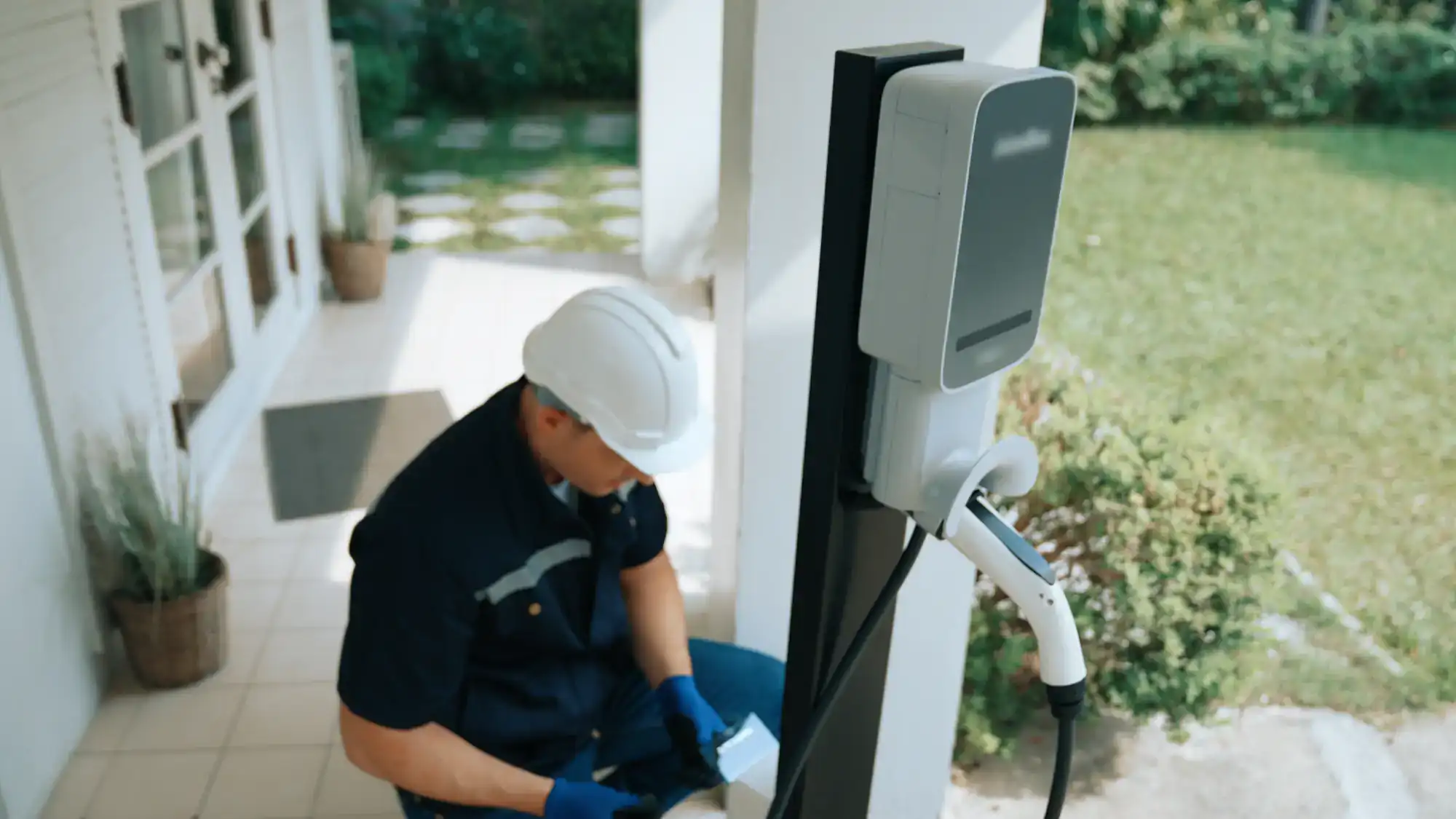
Beyond age, there are specific triggers worth acting on regardless of the last inspection date. Major east wind events that cause outages along the Gorge corridor can send voltage spikes through your system during power restoration. If you’ve added a high-draw appliance — an EV charger, a hot tub, a heat pump — that’s another good reason to have someone verify your system can handle the new load. And if you’ve never had an inspection done on a home you’ve owned for years, that’s reason enough on its own.
Is there a difference between a general home inspection and an electrical inspection?
Yes, and it’s a meaningful one. A general home inspector performs a visual walkthrough of the electrical system — they’re looking for obvious issues and flagging things that warrant further review. They’re not running tests, they’re not verifying code compliance in detail, and they’re typically not going deep into the attic or crawl space wiring.
A licensed electrician performing a dedicated electrical wiring inspection goes further. We test circuits, check amperage and grounding, verify GFCI and AFCI function, and assess whether the panel is safe and adequately sized. In Troutdale, where older homes regularly turn up aluminum branch wiring, aging panels, and knob-and-tube in the pre-war stock, that deeper level of assessment is exactly what tells you whether your system is actually safe — not just whether it looked okay to a generalist.
What are the signs that my Troutdale home needs an electrical inspection right away?
Some signs are obvious — breakers that trip repeatedly, outlets that don’t work, lights that flicker when you run the dishwasher or dryer. Those are symptoms of a system that’s struggling, and they warrant a call sooner rather than later.
Other triggers are less visible but just as valid. If your home is in one of Troutdale’s older neighborhoods and hasn’t been inspected in years, that’s a reason. If you’ve recently come through a significant Gorge wind event that knocked out power in your area, a post-outage electrical system inspection is worth scheduling — power restoration can send voltage spikes through the system that aren’t always obvious until something fails later. If you’re buying a home in Troutdale’s 1970s1980s ranch inventory, an inspection before or shortly after closing gives you a documented baseline of what you’re working with. And if you’ve added any major electrical load to the home — an EV charger, a hot tub, a new HVAC system — verifying the system can handle it cleanly is just smart.
Will the electrician find something just to sell me on repairs I don't need?
It’s a fair concern, and it’s one that comes up often. The short answer is that we deliver a written report at the end of every inspection — not a verbal list of recommendations delivered at the door while you’re feeling pressured to make a decision. That report documents what was found, what it means, and what the recommended action is. You can take it home, think about it, get a second opinion if you want, or use it to plan repairs on your own timeline.
Our review record backs this up. Across more than 1,400 Google reviews, the themes that come up consistently are honesty, clear communication, and fair pricing — not upselling. We built this company on the principle of doing the work right and being straight with people. If your system is in good shape, that’s what the report will say. If something needs attention, you’ll know exactly what it is and why it matters.
Do I need an electrical permit for inspection work in Troutdale, OR?
The inspection itself doesn’t require a permit — it’s an assessment, not a modification to your electrical system. But if the inspection turns up issues that need to be corrected, any repair or upgrade work does require a permit through the City of Troutdale’s Building Division. Troutdale processes electrical permits locally through its Community Development Department, separate from county-level permitting, and Oregon law puts the responsibility for obtaining those permits on the licensed electrical contractor — not the homeowner.
We hold all required Oregon licenses, including both the CCB (Construction Contractors Board) license and the BCD (Building Codes Division) electrical contractor license. If follow-up work is needed after your inspection, the permit process is handled directly by our team — you don’t have to navigate that separately. All work is performed to the 2023 Oregon Electrical Specialty Code, which is the current standard for electrical work in Troutdale and throughout the state.
Useful Links