
Electrical Panel Upgrade in Eagle Crest, OR
Resort Home Power That Holds Up When the House Is Full

Hear from Our Customers
Breaker Panel Upgrade in Eagle Crest
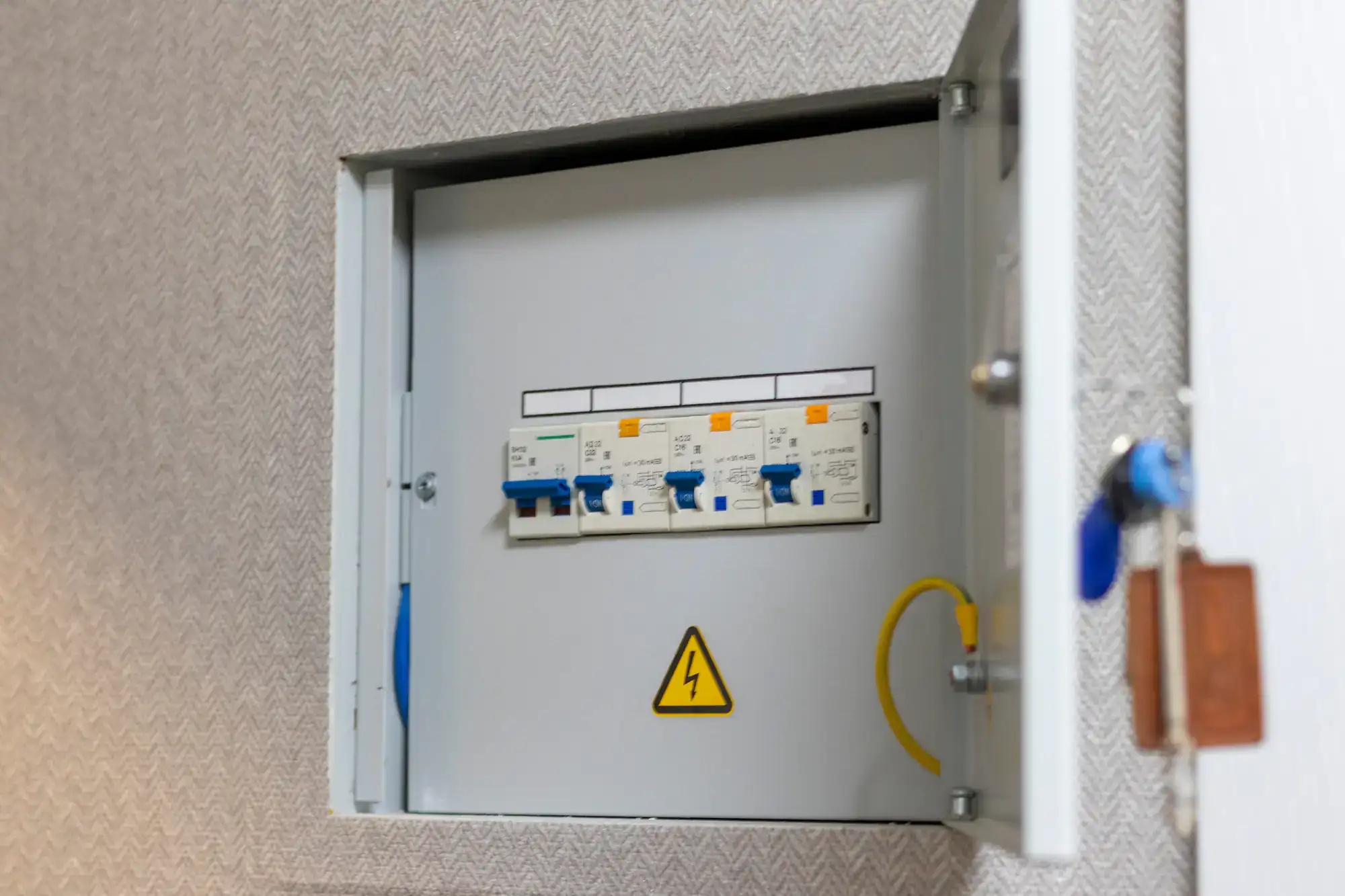
When your electrical panel is properly sized for what your home actually runs, the difference is immediate. No more tripped breakers when the hot tub is heating and the AC kicks on. No more guessing whether the panel can handle a Level 2 EV charger for guests. You get a home that runs the way it’s supposed to—without managing it from a distance and hoping nothing goes wrong during a full rental weekend.
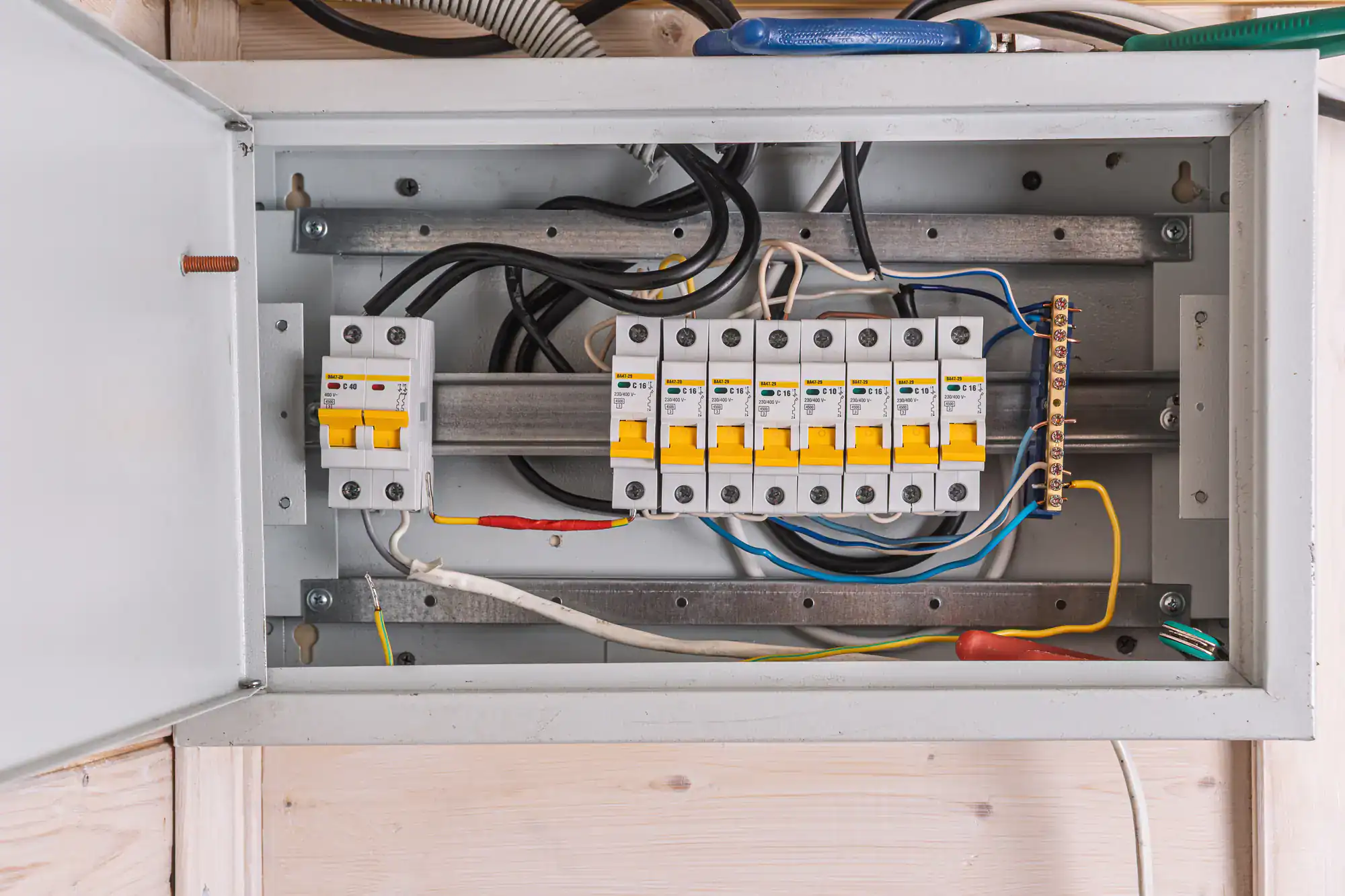
Eagle Crest’s Phase 1 homes were built starting in 1985, which puts the oldest properties right at the 35-to-40-year mark—exactly when electrical panels reach the end of their expected service life. The high desert climate here adds to that wear. Summers hit 100 degrees, and winter lows can drop below zero. That 100-plus-degree annual swing causes electrical components to expand and contract over decades. Panels installed in the late ’80s or early ’90s weren’t designed to carry modern loads on top of that kind of stress.
An upgraded panel also opens the door to what comes next. If you’re planning to add an EV charger, a Tesla Powerwall, or upgrade a hot tub circuit, the panel has to be right before any of that can happen. We handle all of those installations, so you’re not coordinating between multiple contractors. One call, one project, one point of contact.
Ready to get started?
Licensed Electrician for Eagle Crest, OR
Young Electric LLC is a family-owned electrical contractor that has been doing this work for over 40 years across two generations. We serve both the Portland Metro area and Central Oregon—which means Eagle Crest isn’t an afterthought or an occasional service call. It’s part of our actual territory, and we know what working in Deschutes County looks like, including the permit process and coordinating with Pacific Power for meter pulls and service upgrades.
Our review record speaks for itself: 4.8 out of 5 stars across more than 1,400 Google reviews. That’s not a number you build with a few good months. It’s the result of years of showing up on time, explaining the work clearly, and standing behind the results. Every installation comes with a five-year labor warranty—which matters especially if you’re not at your Eagle Crest property full-time and need to trust that the work holds up between visits.
We’re licensed, bonded, and insured, carrying both the Oregon CCB license and the BCD electrical contractor license required for permitted panel work in this state.
Electrical Panel Installation in Eagle Crest
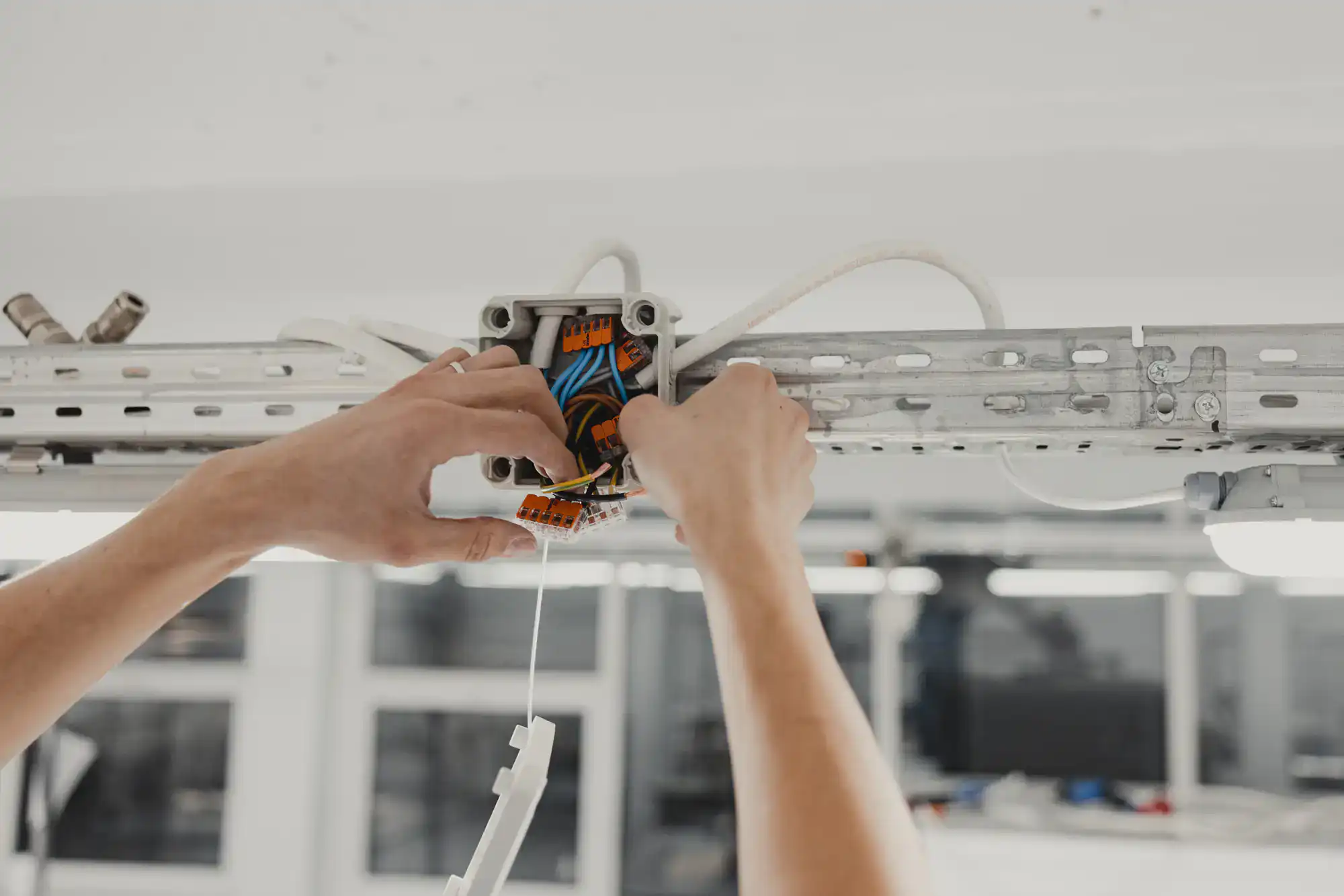
It starts with a free estimate. We assess your existing panel, listen to what you’re planning—whether that’s adding an EV charger, dealing with repeated breaker trips, or finding out where things stand on a home that hasn’t been evaluated in years. We explain what we find and what we recommend before any work is scheduled. No pressure, no automatic upsell.
Once you decide to move forward, we handle the permit application through Deschutes County Community Development. Eagle Crest is unincorporated county land, not a city jurisdiction, and the permitting process runs through the county, not the City of Redmond. If the upgrade requires a meter pull or service upgrade, we coordinate that directly with Pacific Power. You don’t have to navigate any of that on your own, which is especially useful if you’re managing this from Portland or out of state.
The installation itself is typically completed in a single day for residential panel work. Power is off during the job and restored the same day. After the work is done, we schedule and handle the inspection. You get documentation that the work was permitted, inspected, and passed—which protects you at resale and keeps your homeowner’s insurance coverage intact. For a vacation rental property, that paper trail matters.

Electrical Panel Replacement in Eagle Crest, OR
Eagle Crest isn’t a typical residential neighborhood, and the electrical demands here reflect that. A lot of properties in the community—across subdivisions like Riverview Vista Estates, Eagle Creek, Forest Greens, and The Falls—were built between the late 1980s and early 2000s. Many of those homes are now carrying loads they weren’t originally sized for: vacation rental appliances running hard, hot tubs on dedicated circuits, EV chargers for guests, and in some cases solar or battery storage systems. A 100-amp panel from 1992 isn’t built for that combination.
We handle the full scope of electrical panel work—panel upgrades and replacements, breaker panel upgrades, electrical box upgrades, wiring upgrades, and electrical panel safety inspections for homeowners who want to know where they stand before committing to anything. If your panel is aging but you’re not sure whether it needs a full replacement or just an assessment, the inspection is a reasonable first step.
For Eagle Crest properties used as vacation rentals through platforms like VRBO or Vacasa, the upgrade also has a financial case. A properly sized panel enables the amenities—EV charging, reliable hot tub circuits, generator hookups—that drive higher nightly rates and better guest reviews. That’s not a minor consideration when you’re competing in an active rental market with over 600 listed properties in this community alone.
Do I need a permit for an electrical panel upgrade at my Eagle Crest property?
Yes, and it’s not optional. Oregon law requires a permit for any electrical panel upgrade, and because Eagle Crest is an unincorporated community in Deschutes County, that permit goes through the Deschutes County Community Development Department—not through the City of Redmond’s building division. The two are separate jurisdictions, and it’s a distinction that matters when scheduling inspections and coordinating the work.
We handle the permit application as part of the job. We’re licensed under both the Oregon Construction Contractors Board (CCB) and the Building Codes Division (BCD)—both of which are required to legally pull permits for panel work in Oregon. Once the work is complete, the inspection is scheduled through the state’s Oregon E-Permitting system. You get documentation showing the work was permitted and passed inspection, which protects you if you ever sell the property or file an insurance claim.
Skipping the permit isn’t a shortcut—it creates real problems. Unpermitted electrical work can void your homeowner’s insurance coverage and come up during a title search or home inspection at resale. For a vacation rental property, it can also create liability if something goes wrong.
How do I know if my Eagle Crest home's panel actually needs to be replaced?
The most reliable answer comes from an honest inspection, not a checklist. That said, there are patterns worth paying attention to. If your home is in one of Eagle Crest’s Phase 1 areas—built starting in 1985—your panel is now 35 to 40 years old. Electrical panels typically have a service life of 25 to 40 years. That doesn’t mean every panel in that age range needs immediate replacement, but it does mean an inspection is overdue.
Beyond age, watch for breakers that trip repeatedly under normal loads, outlets or switches that feel warm, a burning smell near the panel, or lights that flicker when appliances kick on. In Eagle Crest specifically, the high desert climate adds a factor that’s easy to overlook: decades of temperature swings between summer highs around 100 degrees and winter lows that can drop below zero put real mechanical stress on panel components. Connections loosen, insulation degrades, and breakers that seem functional may not be operating reliably under load.
We start every job with a free estimate that includes an honest assessment of the existing equipment. If a full replacement isn’t necessary, we’ll say so. If it is, we’ll explain exactly why before any work begins.
Can I add an EV charger to my Eagle Crest vacation rental without upgrading the panel?
It depends on what your panel is currently running and what capacity it has left. A Level 2 EV charger typically requires a dedicated 240-volt, 50-amp circuit. If your panel is a 100-amp service that’s already carrying a hot tub, electric range, HVAC, and standard household loads, there may not be enough headroom to add that circuit safely without first upgrading the panel.
For Eagle Crest vacation rental owners, this is a practical question with a financial answer. EV charging is increasingly an amenity that guests expect, and listings that offer it compete better on platforms like VRBO and Vacasa. A panel upgrade to a properly sized 200-amp service creates the capacity for an EV charger, a generator hookup, or upgraded hot tub circuits—all in one project.
We install both panel upgrades and EV chargers, so we can assess whether your current service can support the charger as-is, or whether the panel needs to come first. Either way, you get a clear answer before committing to any work, and the whole project—panel, charger, permits, Pacific Power coordination—can be handled by one contractor.
How long does an electrical panel upgrade take at a resort property in Eagle Crest?
Most residential panel upgrades are completed in a single day. Power is off during the installation and restored the same day the work is done. For a vacation rental property, that means scheduling the job during a gap between bookings—something we can work around when you’re coordinating from out of town.
The full timeline from first contact to completed inspection runs a bit longer, because permits have to be pulled through Deschutes County before work begins, and the inspection is scheduled after the installation is done. In practice, that means planning a week or two ahead is reasonable, though availability varies by season. Spring and summer are busy for electrical work in Central Oregon as homeowners and rental property owners prepare for peak occupancy.
If you’re managing your Eagle Crest property remotely—from Portland, Seattle, or elsewhere—we handle the permit application and inspection scheduling without requiring you to be on-site. You get confirmation when the work is done and when the inspection passes, so you’re not left wondering.
What's the difference between a panel upgrade and just replacing a tripped breaker?
Replacing a breaker and upgrading a panel are two very different things, and it’s worth understanding the distinction before deciding which one you actually need. A single breaker can fail or wear out on its own, and in some cases replacing that one breaker is the right fix. But if the panel itself is undersized for what your home is running, or if it’s an older panel that’s reached the end of its service life, swapping one breaker doesn’t solve the underlying problem.
In Eagle Crest, a lot of homes are running more than they were originally wired for. A property built in the mid-1990s with a 100-amp panel that now has a hot tub, electric range, window AC units, and guests charging two EVs overnight is asking more of that panel than it was designed to handle. Repeated breaker trips in that situation aren’t a breaker problem—they’re a capacity problem.
Our assessment process looks at the full picture: panel age, current load, what’s planned for the future, and whether the existing equipment can support it. If a breaker replacement is all that’s needed, that’s what we’ll recommend. If the panel needs to go, we’ll explain why in plain terms before any work is scheduled.
Does Young Electric LLC handle electrical panel work for second homes and vacation rentals in Eagle Crest?
Yes, and a meaningful portion of the work we do in Central Oregon is exactly this—properties that aren’t owner-occupied full-time, managed remotely, and used as vacation rentals or seasonal retreats. Eagle Crest has a vacancy rate around 31%, which reflects how many homes here are second properties or active rentals rather than primary residences. That changes what the service needs to look like.
For owners who aren’t on-site, we handle the logistics that would otherwise require your presence: pulling the permit through Deschutes County, coordinating with Pacific Power for any required meter pull, scheduling the inspection, and confirming when everything is done and documented. You don’t need to fly in from Portland to manage the process.
The five-year labor warranty on all installations is especially relevant for vacation rental owners. If something isn’t right with the panel work, it gets addressed—regardless of when you discover it. For a property that might sit between visits for weeks or months at a time, that kind of coverage removes a real risk. And because we also install EV chargers, Tesla Powerwalls, hot tub circuits, and generators, a single contractor can handle the full electrical upgrade your rental property needs to compete in Eagle Crest’s active short-term rental market.
Useful Links