
Generator Installation in Milwaukie, OR
Milwaukie Runs on PGE—Until It Doesn't

Hear from Our Customers
Home Generator Installation Milwaukie, OR
The next time a Pacific windstorm rolls through Clackamas County and PGE lines go down across the area, your house stays on. Your heat runs. Your sump pump keeps working. Your food doesn’t spoil.
For Milwaukie homeowners near Johnson Creek or Kellogg Creek, that last point matters more than most realize. These waterways have a documented history of reaching flood stage during the same storms that knock out power across the county. Your sump pump needs electricity to do its job—and if the power is out when the water is rising, you’re in real trouble. A standby generator installed with a proper automatic transfer switch keeps that pump running without you having to do anything.
Beyond storm scenarios, there’s a longer-term case too. A whole house generator adds roughly 3 to 5 percent to your home’s resale value. On a median Milwaukie home valued around $505,000 to $528,000, that’s $15,000 to $26,000 in added resale value—before you factor in a single dollar saved from avoided food loss, hotel stays, or frozen pipe repairs. It’s a practical investment, not a luxury one.

Ready to get started?
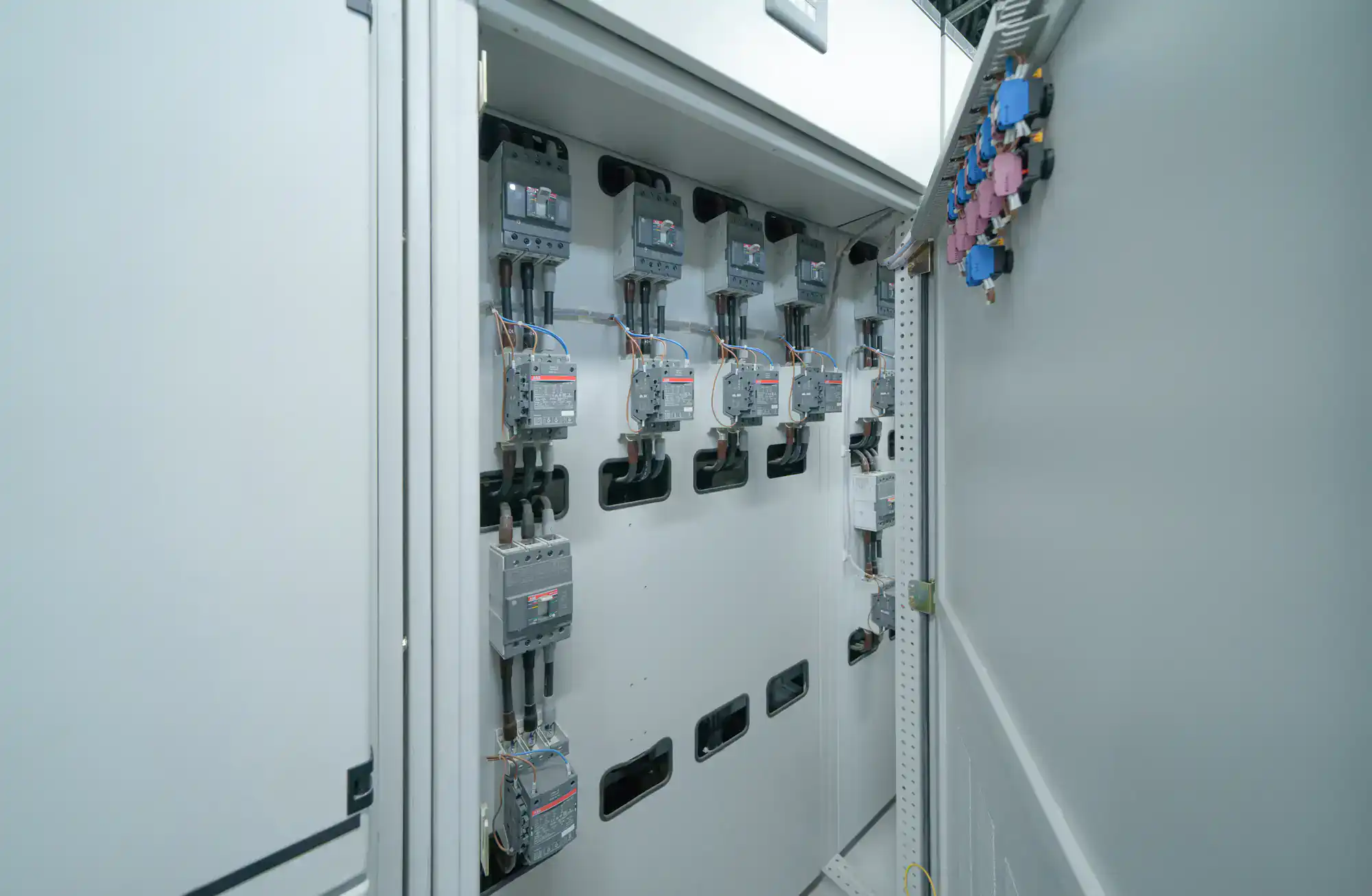
Whole House Generator Installer Milwaukie, OR
We’re a second-generation, veteran-owned electrical contractor based in Clackamas—about five to eight miles from central Milwaukie via OR-224. That proximity isn’t incidental. We know Milwaukie’s permit process, we know how PGE outages tend to cluster in this part of the metro, and we’ve worked on the older residential electrical systems that make up most of Milwaukie’s housing stock.
We’ve been operating since 2007 with over four decades of combined experience across residential, commercial, and industrial electrical work. That depth shows up when a 1960s ranch home in Hector Campbell or a pre-1940 Craftsman in Historic Milwaukie needs more than just a generator bolted to a pad—it needs someone who can assess the panel, identify what else might need attention, and handle the full scope without sending you to three different contractors.
Every installation comes with a five-year warranty. That’s not standard in this market—most local competitors offer one year. It’s a reflection of how we do the work.

Backup Generator Installation Milwaukie, OR
The process starts with a site assessment and load calculation. This step determines what size generator your home actually needs based on your electrical load—not a guess, not a standard package. A properly sized unit is the difference between a generator that runs your essentials and one that trips under demand.
For older homes in Ardenwald or Lewelling with smaller panels, this step sometimes surfaces the need for a panel upgrade first—something we handle directly rather than handing off.
From there, permits are pulled. In Milwaukie, that means a building permit through the City of Milwaukie and a separate electrical plan review and inspection coordinated through Clackamas County—because the city officially contracts that portion of the process to the county. It’s a two-layer system that not every out-of-area installer knows how to navigate smoothly. We handle both layers as part of the standard process.
Once permits are approved, the physical installation typically takes one day—site prep, the concrete or gravel pad, fuel line connection, transfer switch installation, and system startup. The full timeline from your first call to a running system is usually several weeks, accounting for permits and any gas line coordination. Starting before storm season is the move—waiting until a wind event is already in the forecast means waiting in line behind everyone else who waited.
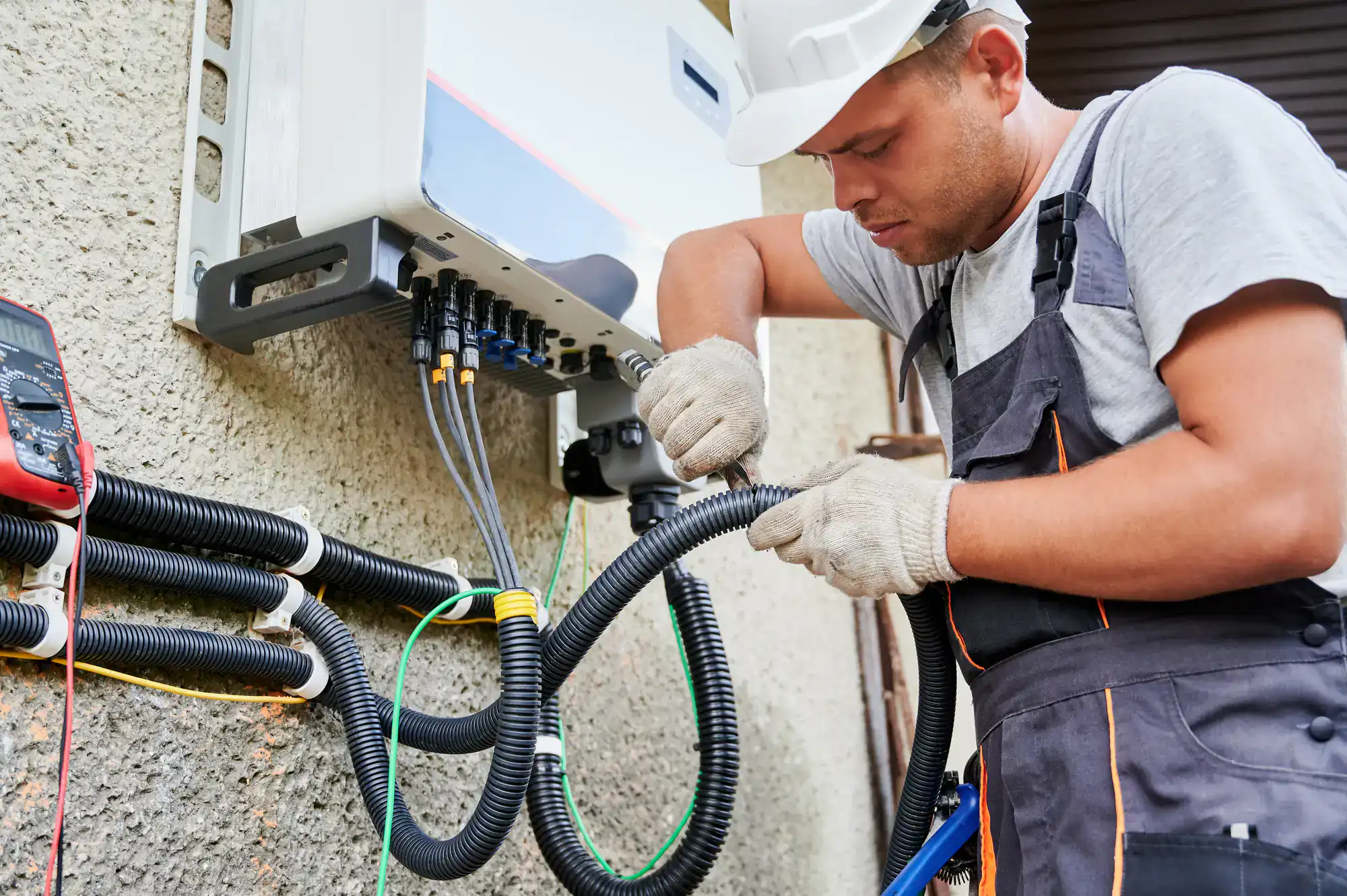
Emergency Generator Installation Milwaukie, OR
We install standby generators for residential homes, small businesses, and commercial properties throughout Milwaukie and the surrounding Clackamas County area. Our work covers the full scope—system selection assistance, site preparation, transfer switch installation, fuel line coordination, permit management, and final inspection. Nothing is handed off to a subcontractor mid-job and left for you to chase.
For Milwaukie’s older housing stock, the assessment phase is especially important. Homes built in the 1950s and 1960s—which represent a significant portion of the inventory in neighborhoods like Hector Campbell, Lewelling, and Ardenwald—were not designed with today’s electrical loads in mind. If your panel isn’t adequate for a whole house generator, that gets addressed before installation, not discovered after. The same applies to homes in Historic Milwaukie and Island Station, where pre-1940 construction sometimes comes with original 60- or 100-amp service.
We install both portable and standby whole house generator systems, and work with natural gas and propane fuel sources. All work is done by licensed, bonded, and insured electricians. Oregon law requires a licensed electrical contractor for generator connections—anyone skipping that step is cutting a corner that puts your warranty and your home at risk. We don’t cut that corner, and the five-year installation warranty is how we back that up.
Does generator installation in Milwaukie require a permit from the city?
Yes, and the process in Milwaukie is a little different from what you’d encounter in most other Oregon cities. The City of Milwaukie issues its own building permits through the city’s Building and Permitting office, but it officially contracts all electrical plan reviews and electrical inspections to Clackamas County. That means your generator installation touches two separate jurisdictions before it’s cleared—the city for the building permit, and the county for the electrical side.
Oregon state law also requires a licensed electrical contractor for any generator connection involving a transfer switch, and that work must be permitted. An installer who skips the permit isn’t just cutting a corner—they’re exposing you to potential liability and voiding your equipment warranty. We handle both layers of Milwaukie’s permitting process as part of every installation. You don’t have to coordinate between the city and county yourself—that’s handled.
What size generator do I actually need for my home?
The honest answer is that it depends on your home’s electrical load, not on a standard recommendation. The right size for a 1,500-square-foot ranch in Hector Campbell with gas heat and a single sump pump is different from what a larger home in Ardenwald with electric heat, a home office, and medical equipment would need. Sizing a generator correctly starts with a load calculation—adding up the wattage demands of the circuits and appliances you want to keep running during an outage.
Getting this wrong in either direction creates problems. An undersized unit will trip under demand or fail to power the things you actually need. An oversized unit costs more upfront and runs less efficiently. We walk through this calculation with you before recommending a system, so the unit that gets installed is matched to your home’s actual needs—not the easiest sell or the most common package.
How long does the full installation process take from start to finish?
The physical installation—site prep, pad, fuel line connection, transfer switch, and startup—typically takes one day, usually four to eight hours depending on the complexity of the job. But the full timeline from your first call to a running system is generally several weeks, and that’s important to understand before you pick up the phone.
The time between your initial assessment and installation day is mostly spent on permitting and coordination. In Milwaukie, that means working through both the city’s building permit process and Clackamas County’s electrical plan review, plus any coordination needed with your gas utility for the fuel line connection. If your panel needs an upgrade before the generator can be installed, that adds time too. The practical takeaway: if you want your generator in place before the next Clackamas County windstorm season, don’t wait until October to start the conversation. The lead time is real.
Is a standby generator actually worth the cost for a Milwaukie homeowner?
For most Milwaukie homeowners, the math works out clearly in favor of installing one. Clackamas County currently ranks second among all 35 Oregon counties for total power outages and percentage of customers affected. A single documented PGE outage in Milwaukie knocked out power to 1,810 customers at once. The 2022 windstorm alone produced gusts to 65 mph across the county. These aren’t edge cases—they’re a pattern.
On the financial side, a standby generator adds roughly 3 to 5 percent to your home’s resale value. On a Milwaukie home valued around $505,000 to $528,000, that’s $15,000 to $26,000 in added value. That’s before you count the cost of a single bad outage—food loss, a hotel stay, emergency plumbing from frozen pipes, or lost income if you work from home. Power outages cost U.S. households and businesses an estimated $150 billion per year nationally. The generator doesn’t just protect your comfort; it protects a real financial investment.
What's the difference between a standby generator and a portable generator?
A portable generator requires you to set it up manually—outside, in whatever weather is happening, with fuel you need to have stored in advance. It connects through extension cords or a manual transfer switch, it can’t power your whole house, and it poses a carbon monoxide risk if used improperly or too close to the home. For a Milwaukie homeowner dealing with a winter windstorm at 2 a.m., that setup process is genuinely difficult and potentially dangerous.
A standby generator is permanently installed outside your home, connected to your electrical panel through an automatic transfer switch, and runs on natural gas or propane from your existing supply line. When the power goes out, it detects the outage and starts automatically within seconds—no action required from you. It can power your whole house or the critical circuits you choose, and it self-tests weekly so you know it’s ready before you need it. For homes near Johnson Creek or Kellogg Creek where a sump pump needs to run during the same storm that’s cutting power, the automatic startup isn’t a convenience feature—it’s the whole point.
Can Young Electric LLC handle generator installation if my Milwaukie home has an older electrical panel?
Yes, and this is actually one of the more common situations we encounter in Milwaukie. A significant portion of the housing stock here was built between the 1940s and 1970s—the ranch homes in Hector Campbell and Lewelling, the bungalows in Ardenwald, the older Craftsman and cottage-style homes in Historic Milwaukie and Island Station. Many of these homes were built with 60- or 100-amp panels that weren’t designed to handle today’s electrical loads, let alone the added demand of a standby generator.
Before any generator gets installed, we assess your existing panel. If it’s not adequate for the system you need, a panel upgrade gets addressed as part of the project—not handed off to someone else, and not discovered after the generator is already in place. That kind of full-scope electrical work is exactly what a licensed electrical contractor with 40-plus years of combined residential experience is built for. If your older Milwaukie home needs both a panel upgrade and a generator installation, that’s one conversation and one contractor, not two separate jobs.
Useful Links