
Electrical Inspection in Milwaukie, OR
Milwaukie's Older Homes Deserve More Than a Visual Glance

Hear from Our Customers
Home Electrical Inspection Milwaukie, OR
When a home was wired in the 1950s, 60s, or 70s, it was built for a completely different way of life. No EV chargers, no smart home systems, no high-draw appliances running simultaneously. If you’re living in Ardenwald, Lewelling, Island Station, or Hector Campbell, there’s a real chance your electrical system is working harder than it was ever meant to.
We provide residential electrical inspections in Milwaukie, OR that give you a clear, documented picture of where things stand—not a guess, not a verbal opinion, but a full written report you can actually use. That report matters more here than in most places.
Milwaukie’s wet winters—averaging around 47 inches of rain a year with December humidity pushing toward 84%—create conditions where moisture works its way into crawl spaces, attics, and older panel components over time. What looks fine on the surface can tell a very different story once someone actually checks the wiring running through those spaces. That’s what an electrical safety inspection is designed to find.
And if you’re buying a home in Milwaukie, you already know the market doesn’t slow down. Homes here go to pending in about 11 days. That doesn’t leave a lot of room for second-guessing. Getting a thorough electrical wiring inspection done—before or right after closing—means you’re not discovering a $10,000 problem six months into owning a house you paid half a million dollars for.

Ready to get started?

Electrical Inspection Services Milwaukie, OR
Young Electric LLC has been working on Portland Metro homes since 1974. That’s not a marketing number—it’s the reason we walk into a 1962 Milwaukie ranch or a pre-war Ardenwald bungalow and already know what to look for. Knob-and-tube in the attic. Aluminum branch wiring in the walls. An undersized 60-amp panel that was never meant to carry a modern household’s load.
These aren’t surprises to us—they’re the baseline of what we find in homes like yours throughout Milwaukie and the surrounding neighborhoods. Young Electric LLC is family-owned, veteran-led, and holds certification from the International Association of Electrical Inspectors—the professional body specifically dedicated to electrical inspection standards.
That certification, combined with over 1,400 Google reviews averaging 4.8 stars, gives you something most electricians serving Milwaukie can’t offer: a documented track record at scale. We’re licensed, bonded, and insured under Oregon’s CCB and BCD requirements, and a certificate of insurance is available on request.

Electrical System Inspection Process Milwaukie, OR
It starts with a conversation. When you reach out to Young Electric LLC, you’ll get a free electrical estimate—no commitment, no pressure. We talk through what you’re seeing, what’s concerning you, and what the home’s history looks like. From there, we schedule the inspection at a time that works for you.
On the day of the inspection, we don’t just check what’s visible. We go into the attic, the crawl space, and through the living spaces—because in a Milwaukie home built in the mid-20th century, the wiring that matters most is often the wiring you can’t see from the hallway. We test circuits, check the panel, look for code compliance issues under Oregon’s 2023 Electrical Specialty Code, and assess whether the system has the capacity for how you actually use it.
GFCI and AFCI protection, grounding, outlet condition, breaker function—all of it gets covered. Oregon’s Building Codes Division handles electrical permits and inspections for Milwaukie, and our work is performed to those same standards.
At the end, you get a full written report. It covers every finding, any deficiencies, and our specific recommendations. That report is what your insurance company asks for when they flag older wiring. It’s what a real estate agent needs when negotiating repairs. It’s what you need to make a real decision about what comes next—not a verbal “looks okay” that you can’t do anything with.
Residential Electrical Inspection Milwaukie, OR
A lot of electrical inspection pages describe a generic checklist. We focus on what Milwaukie’s housing stock actually looks like. The majority of homes here were built between the 1940s and 1970s. That means our electrical inspections are specifically attentive to the wiring types and panel configurations common to that era.
Knob-and-tube wiring appears in older Historic Milwaukie and Ardenwald homes. Aluminum branch wiring is common in the post-war ranches throughout Lewelling and Hector Campbell. Federal Pacific Stab-Lok panels were installed throughout the Portland Metro’s mid-century housing stock and are now documented to have serious reliability issues.
We inspect the electrical panel, all accessible wiring, outlets and switches, GFCI and AFCI protection, circuit capacity, grounding, the meter box, smoke and carbon monoxide detector function, surge protection, and the attic and crawl space wiring runs. We’re also looking at whether your system is sized for today’s demands—because a home wired for 60 or 100 amps in 1965 was not built with an EV charger, a home office, and a modern kitchen in mind.
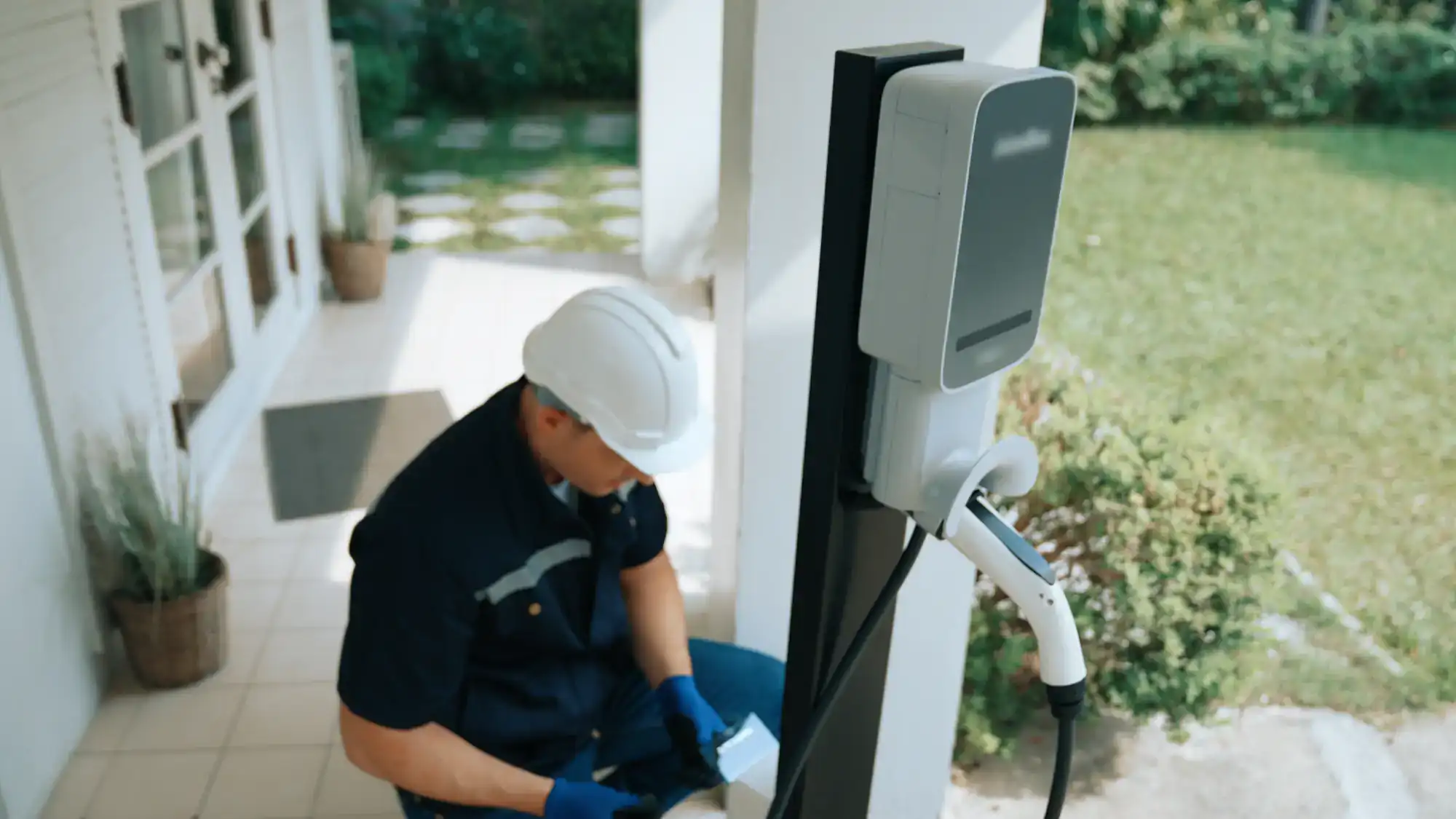
If the inspection turns up issues, you don’t have to find a second contractor to handle them. Young Electric LLC can manage the follow-up work—panel upgrades, rewiring, EV charger installation—with the same team, under the same standards. One point of contact from inspection through completion.
What does a home electrical inspection in Milwaukie, OR actually include?
A home electrical inspection with Young Electric LLC covers the full system—not just the panel and visible outlets. We inspect the electrical panel and breakers, all accessible wiring, outlets and switches throughout the home, GFCI and AFCI protection in required areas, grounding systems, circuit capacity, the meter box, and smoke and carbon monoxide detector function.
We also go into the attic and crawl space, which matters significantly in Milwaukie’s older homes where wiring runs through these spaces and moisture from the region’s wet winters can accelerate corrosion and insulation breakdown over time. At the end of the inspection, you receive a full written report covering everything we found—deficiencies, code concerns, and specific recommendations.
This isn’t a verbal summary you have to remember. It’s a documented record you can use with your insurance company, your real estate agent, or as a planning tool for any follow-up work. For a home in Milwaukie that may have been wired 50 or 60 years ago and never professionally assessed, that report is often the first real picture the homeowner has of what’s actually in their walls.
How do I know if my Milwaukie home has knob-and-tube or aluminum wiring?
The honest answer is that you often can’t tell without someone actually looking. Knob-and-tube wiring—common in Milwaukie homes built before the 1950s, particularly in Historic Milwaukie, Ardenwald, and Island Station—runs through the attic and crawl space using ceramic knobs and tubes to route unsheathed wires through framing. It lacks a ground wire and cannot safely support modern electrical loads.
Aluminum branch wiring is more common in Milwaukie homes built in the 1960s and 70s, which covers a large portion of the city’s residential stock. It looks similar to copper wiring but behaves differently—it expands and contracts more with temperature changes, which can loosen connections at outlets and switches over time and create heat buildup. Both wiring types are increasingly flagged by insurance companies as grounds for non-renewal or premium increases.
If your Milwaukie home was built before 1980 and hasn’t had a professional electrical inspection, there’s a reasonable chance one or both of these wiring types are present somewhere in the system. A licensed electrician’s inspection—specifically one that includes the attic and crawl space—is the only reliable way to know for certain what you’re working with.
Does an electrical inspection in Milwaukie require a permit?
The inspection itself does not require a permit—it’s an assessment, not a construction activity. However, any electrical work that comes out of the inspection—replacing wiring, upgrading a panel, adding circuits, installing GFCI outlets—does require a permit in Milwaukie. Oregon’s Building Codes Division handles electrical permits and inspections for the city, and all permitted electrical work must comply with Oregon’s 2023 Electrical Specialty Code, which is based on the National Electrical Code.
This is worth understanding before you hire anyone for electrical work in Milwaukie. Work done without the required permits creates liability issues when you sell the home, can void your homeowner’s insurance coverage for related claims, and may not meet the code standards your insurer requires when they ask for documentation of your electrical system. Young Electric LLC is fully licensed under Oregon’s CCB and BCD requirements, and we handle the permitting process for any follow-up work that comes out of the inspection. You don’t have to navigate that on your own.
What's the difference between a general home inspection and an electrical inspection?
A general home inspector performs a visual, surface-level assessment of the electrical system. They’ll note whether the panel looks normal, whether outlets appear functional, and flag anything that’s obviously wrong—an uncovered junction box, a panel that’s clearly too small, outlets without covers. What they won’t do is test individual circuits, identify wiring types in the attic or crawl space, assess whether the system is code-compliant under Oregon’s current electrical standards, or produce a detailed written report on the condition of the electrical system specifically.
For a Milwaukie home built in the 1960s or earlier, that difference is significant. A general home inspector might note “older wiring observed” and recommend further evaluation. We’ll tell you exactly what type of wiring is present, where it runs, what the failure risks are, whether the panel is adequately sized for the home’s current load, and what it would cost to address any deficiencies.
If you’re buying a home in Milwaukie’s competitive market—where homes go to pending in about 11 days—that level of specificity is what actually protects your investment.
My Milwaukie home's breakers keep tripping—do I need a full electrical inspection?
Tripping breakers are one of the clearest signs that something in the system is worth looking at. In most cases, it means one of a few things: a circuit is being asked to carry more load than it was designed for, a breaker is worn and no longer tripping at the right threshold, or there’s a wiring issue creating resistance and heat somewhere in the circuit.
In a Milwaukie home built in the mid-20th century, it’s often the first one—the home was wired for 60 or 100 amps of total service, and today’s household is running far more than that system was ever designed to handle. A full electrical inspection will identify which circuits are overloaded, whether the panel itself is undersized or showing signs of wear, and whether there are wiring issues contributing to the problem.
It also catches things that tripping breakers can sometimes mask—a breaker that should be tripping but isn’t is more dangerous than one that trips too easily. Young Electric LLC offers free electrical estimates, so if you’re not sure whether what you’re experiencing warrants a full inspection, that’s a good starting point to figure it out.
Can Young Electric LLC handle repairs if the inspection finds problems in my Milwaukie home?
Yes—and that’s one of the more practical reasons to use Young Electric LLC for your inspection rather than a standalone inspection service. If the inspection turns up knob-and-tube wiring in the attic, an undersized panel, aluminum branch wiring at the outlets, or any other issue that needs to be addressed, we can handle the follow-up work directly. Same team, same standards, no starting over with a new contractor who wasn’t part of the original assessment.
This matters in Milwaukie specifically because the issues that come up in older homes here tend to be interconnected. Replacing a panel without addressing the wiring it feeds, or adding circuits without accounting for the existing system’s capacity, creates new problems. When the same electricians who did the inspection are also doing the repair or upgrade work, they already understand the full picture of your system—they’re not working from a secondhand summary.
Young Electric LLC backs installation work with a 5-year labor warranty, so the follow-up work comes with the same accountability as the inspection itself.
Useful Links