
Generator Installation in Marlene Village
When the Trees Come Down, Your Power Stays On
Hear from Our Customers
Whole House Generator Marlene Village, OR
The morning after a storm, most of your neighbors are calling PGE to find out when the crew is coming. You’re making coffee. That’s what a properly installed standby generator does for a household in Marlene Village — it removes the outage from your list of problems entirely.
Washington County ranks first for total power outages among all 35 Oregon counties. The county’s emergency management office identifies winter storms as the most frequent and impactful natural hazard in the area. Marlene Village sits directly in that exposure zone. The neighborhood’s mature tree canopy — the same old-growth trees that make the streets along Murray Boulevard genuinely beautiful — is also the primary reason local lines go down when wind and ice move through.
A standby generator doesn’t change the weather. It changes what the weather costs you. For households in Marlene Village where someone works from home near the Nike campus corridor, an outage isn’t just uncomfortable — it’s a lost workday. For older residents who rely on medical equipment, it’s more urgent than that. A backup generator means the CPAP keeps running, the refrigerator holds temperature, and the heat stays on without anyone having to do anything. That matters when the outage starts at 3 a.m. in February.

Ready to get started?

Licensed Generator Installer Marlene Village
Young Electric LLC has been serving the Portland Metro area — including Beaverton and the surrounding Washington County communities like Marlene Village — since 2007. We are veteran-owned and second-generation, which means our team has seen the edge cases: older panels, unusual configurations, mid-century homes that weren’t wired for today’s loads. That describes a lot of Marlene Village, where most of the housing stock dates to the 1950s and 1960s.
What sets us apart from other local operators isn’t marketing — it’s a five-year warranty on every installation. Most electrical contractors offer one year on labor. We offer five. That gap matters when you’re investing in a system you plan to rely on for the next 20 to 40 years. We are licensed, bonded, and insured, and we handle every permit and inspection as a standard part of the job — not an add-on, not your problem to figure out.
Home Generator Installation Process Marlene Village
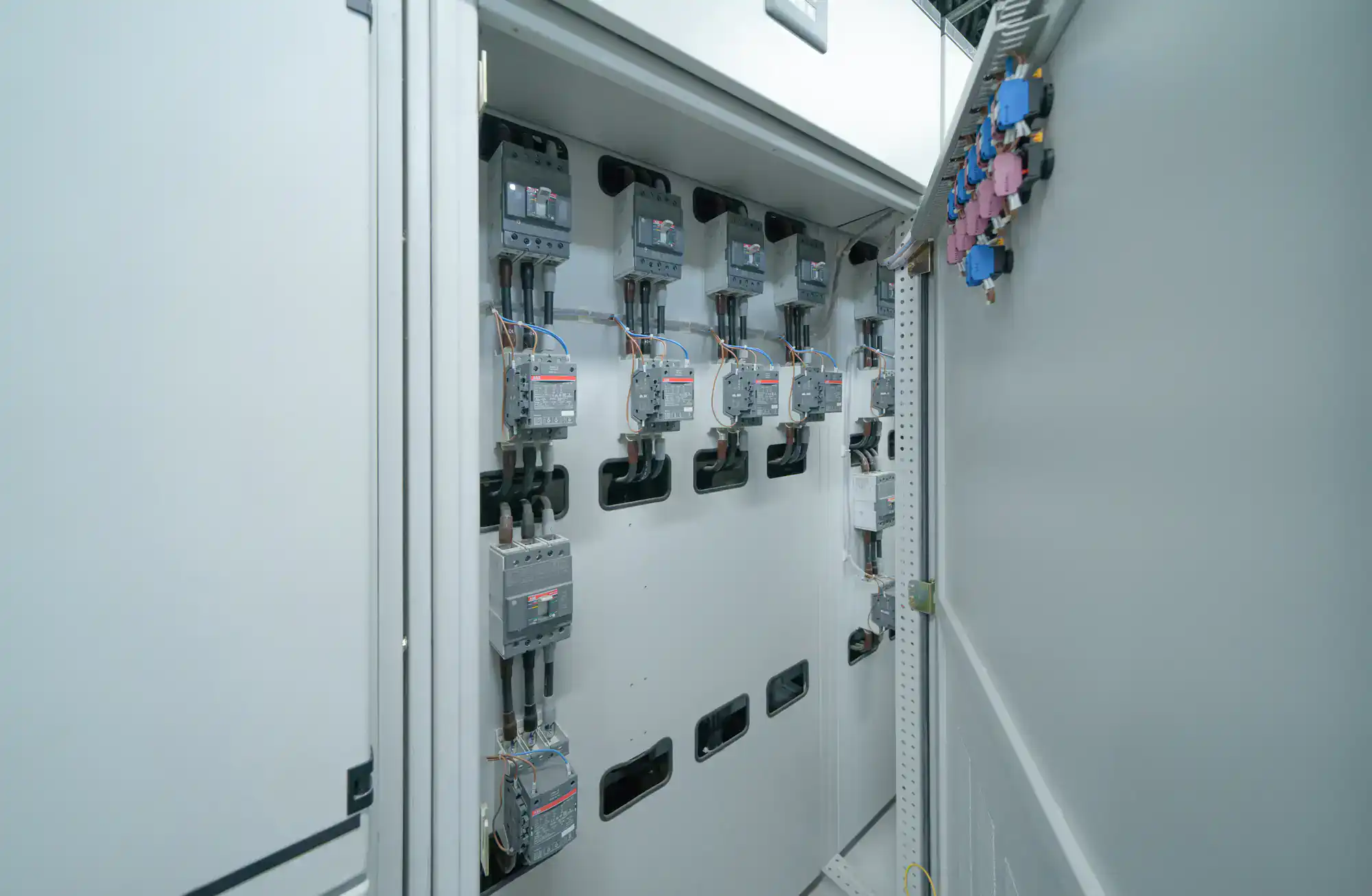
It starts with a site assessment and load calculation. This is the step that separates quality installation from a rushed one. The generator has to be sized for what your home actually needs to run during an outage — not a rough estimate, not a one-size recommendation. For homes in Marlene Village, where electrical panels from the 1950s and 1960s are common, this step sometimes surfaces additional work that needs to happen before the generator goes in. Better to know that upfront than after the fact.
From there, we handle the permit application through Washington County Building Services. Because Marlene Village is unincorporated, permits go through the county in Hillsboro — not the City of Beaverton — and the process involves county plan review, permitting, and a scheduled inspection. We manage all of it.
The physical installation — site preparation, the concrete pad or gravel bed, fuel line connection, transfer switch installation, and system testing — typically takes a single day once permits are approved and materials are on site. The full timeline from first call to a running system, including permitting and any gas line coordination, is usually several weeks. That’s worth knowing before storm season arrives, because lead times don’t compress when everyone else is calling at the same time.
Backup Generator Installation Washington County, OR
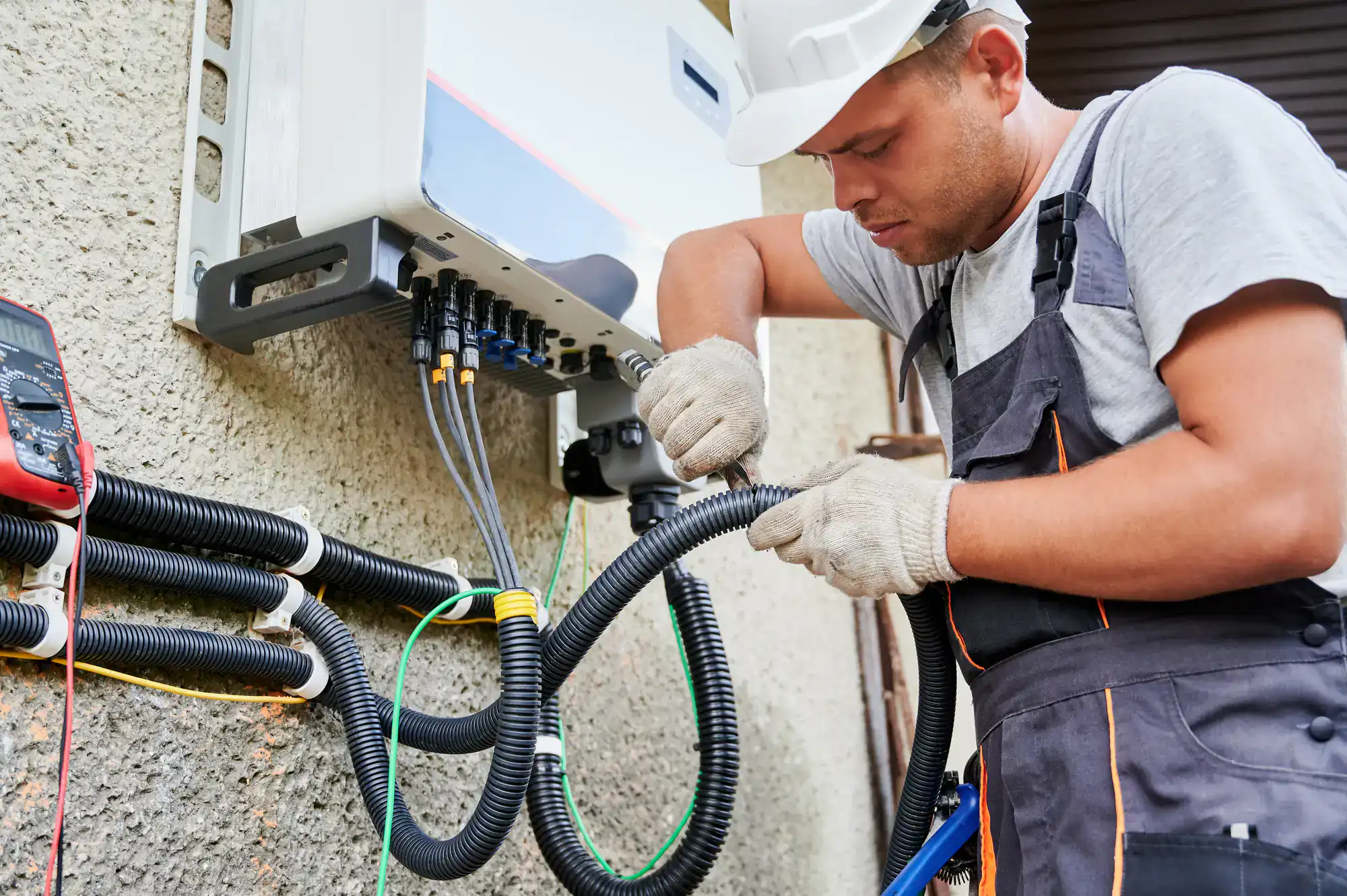
When we install a backup generator in Marlene Village, the job covers more than bolting a unit to a pad. It starts with helping you choose the right system — the right size, the right fuel type, the right placement on your property given setback requirements and the proximity of your neighbors on those quarter-acre lots. Modern standby generators run at around 60 to 70 decibels during operation — roughly a normal conversation — and the weekly self-test cycle is brief and scheduled. That’s worth knowing upfront if you’re thinking about how it plays with the neighborhood.
The installation includes transfer switch installation, which is required by Oregon law for any generator connected to your home’s electrical system. This is not optional and it cannot be skipped — any installer who suggests otherwise is cutting a corner that creates real safety and legal liability. We pull the permit, coordinate the inspection through Washington County, and register the warranty with the manufacturer. PGE interconnection requirements are factored in from the start.
We install generators for residential, commercial, and industrial applications — from portable generator setups to whole-house standby systems. We work with all generator sizes and types and provide customized solutions based on your home’s specific load requirements. There are no named package tiers — the job is scoped to your property, your panel, and what you actually need.
Do I need a permit for generator installation in Marlene Village, Oregon?
Yes — and because Marlene Village is unincorporated, that permit comes from Washington County Building Services, not the City of Beaverton. This catches some homeowners off guard when they start the process. The application goes through Washington County’s online portal, and depending on the scope of the installation, it may involve plan review before the permit is issued. Once approved, the installation proceeds, and a county inspection is required before the system is considered complete and code-compliant.
Oregon law requires a licensed electrical contractor for any generator connection, and the Oregon Electrical Specialty Code mandates a transfer switch or equivalent safety device to prevent back-feeding onto the utility lines. These aren’t suggestions — they’re legal requirements, and skipping them can void your equipment warranty and create liability on your property. We handle the entire permit process as part of the standard installation, so you don’t have to figure out which county office to call or what forms to file.
How long does a whole house generator installation actually take from start to finish?
The physical installation — site prep, pad, fuel line, transfer switch, system testing — typically takes one day, somewhere in the range of four to eight hours depending on the complexity of the job. But that’s not the full timeline. From the first call to a running, inspected, and permitted system, you’re usually looking at several weeks. That window includes the permit application and review through Washington County, any gas line coordination, equipment lead times, and the inspection scheduling.
This is the part most homeowners underestimate, and it’s the reason timing matters. If you call after a major storm has already hit and half of Washington County is without power, you’re getting in line behind everyone else who waited. The fall storm season in the Portland Metro area typically runs from October through February, and that’s when installer schedules fill up fastest. Starting the process before you need the generator — not the week after a bad outage — gives you the most options and the least stress.
What size generator do I need for my home in Marlene Village?
Sizing depends on what you want to power during an outage — and the honest answer is that this requires a load calculation, not a guess. A generator sized too small won’t run your critical systems. One sized too large costs more upfront and burns more fuel than necessary. The right size is based on your home’s actual electrical load: the square footage, the appliances you want to keep running, whether you have electric heat or gas, and what your panel can support.
For homes in Marlene Village, where a lot of the housing stock dates to the 1950s and 1960s, the panel assessment is especially important. Older panels may need to be evaluated before a transfer switch can be properly integrated. This is one of the reasons a site visit matters more than a phone quote — you can’t size a generator accurately without seeing the home. We start every installation with that assessment, which is what makes the recommendation meaningful rather than generic.
Is a standby generator actually worth the cost for a Marlene Village homeowner?
That depends on how you run the numbers, but the math holds up better than most people expect. A standby generator adds roughly 3% to 5% to a home’s resale value. In Marlene Village, where median home values run between $477,000 and $616,000, that’s somewhere between $14,000 and $30,000 in added equity — a range that covers the full cost of the installation before you count a single hour of actual backup power. Standby generators last 20 to 40 years with proper maintenance, so you’re spreading that investment across a very long horizon.
Beyond the resale math, consider what a serious outage actually costs without a generator: food loss, hotel stays if the heat goes out in January, potential pipe damage if temperatures drop, and lost income for anyone working from home. Washington County declared a formal emergency in January 2024 in response to winter storm damage, and the November 2024 bomb cyclone knocked out power for over 953,000 customers across the Pacific Northwest. These aren’t rare events in this area — they’re recurring. The question isn’t really whether a generator is worth it. It’s whether the next outage will be the one that makes you wish you had one.
What's the difference between a portable generator and a standby generator for my home?
A portable generator requires you to set it up manually — outside, in whatever weather caused the outage in the first place. You need fuel stored and ready, extension cords to run power into the house, and the presence of mind to do all of that at 2 a.m. when a windstorm has just knocked out your block. Portable units also can’t power the whole house, and they carry real carbon monoxide risk if used improperly or positioned too close to the home. They’re better than nothing, but they’re not the same thing.
A standby generator is a permanent installation connected directly to your home’s electrical system and your natural gas or propane supply. When the power goes out, it detects the outage and starts automatically within seconds — no one has to do anything. The heat stays on, the refrigerator keeps running, and the lights come back up without you leaving your bed. For Marlene Village residents who are 65 or older and rely on medical equipment like a CPAP machine or home oxygen, that automatic response isn’t a convenience feature — it’s the whole reason to install one.
How does Young Electric handle generator installation for older homes in Marlene Village?
Most of Marlene Village was built between the late 1940s and the late 1960s — a period when electrical panels were sized for the appliance loads of that era, not for today’s homes. That means a generator installation in this neighborhood often starts with a panel assessment before anything else happens. The goal is to understand how the existing electrical system is configured and whether the transfer switch can be integrated cleanly, or whether additional electrical work is needed to do it right.
We have over four decades of combined experience across residential, commercial, and industrial electrical work, which means our team has worked through the edge cases that come with older construction — unusual panel configurations, outdated wiring methods, and systems that weren’t designed with modern loads in mind. The installation is customized to your specific home and panel, not templated from a newer-construction playbook. That’s a meaningful difference when your house was built before color television was common, and it’s one of the reasons experience matters more in an established neighborhood like Marlene Village than it might in a newer development.
Useful Links