
Hot Tub Electrical Installation near Marlene Village
Mid-Century Homes Need a Panel Check Before Anything Else

Hear from Our Customers
Hot Tub Wiring in Marlene Village, OR
Living in Marlene Village means October through May is wet. That’s actually when a backyard hot tub earns its keep. Booking your hot tub electrical installation in late summer or early fall — before the wet season settles in under those mature firs — means you’re soaking in November instead of scrambling to figure out why you waited.
The real problem most Marlene Village homeowners don’t anticipate until it’s too late: the homes here were built for a postwar lifestyle. Sixty-amp and 100-amp panels were standard in 1949. A modern 240V hot tub needs a dedicated 50-amp circuit on top of everything else your home already runs. If nobody checks your panel before the job starts, you’re looking at a surprise mid-project that delays everything and costs more than it should have.
When we handle your hot tub wiring in Marlene Village, the panel assessment happens at the estimate — not halfway through the job. You get a clear picture of what your system can handle, what (if anything) needs upgrading, and what the full scope of work actually looks like. No guessing. No surprises. Just a straight answer and a path forward.
Ready to get started?

Licensed Hot Tub Electrician Serving Marlene Village, OR
Young Electric LLC is a second-generation, family-owned electrical contractor based in Portland and serving the full Portland Metro area — including Marlene Village and the broader unincorporated Washington County communities that use Beaverton mailing addresses. Jeremy Young grew up in this trade. The knowledge behind every installation goes back decades, not years.
With over 1,400 Google reviews at 4.8 stars and a BuildZoom score that places us in the top 1% of all Oregon contractors, our track record speaks for itself. We hold both a CCB license and an Oregon Building Codes Division electrical license — the two credentials Oregon requires — and have pulled over 3,200 permits across the state.
For Marlene Village homeowners who work near Nike’s headquarters or commute along US 26 to the Silicon Forest, the expectation is simple: show up, be straight with me, do the job right. That’s the standard we’ve operated by for more than 40 years.

Hot Tub Electrical Wiring Process in Marlene Village
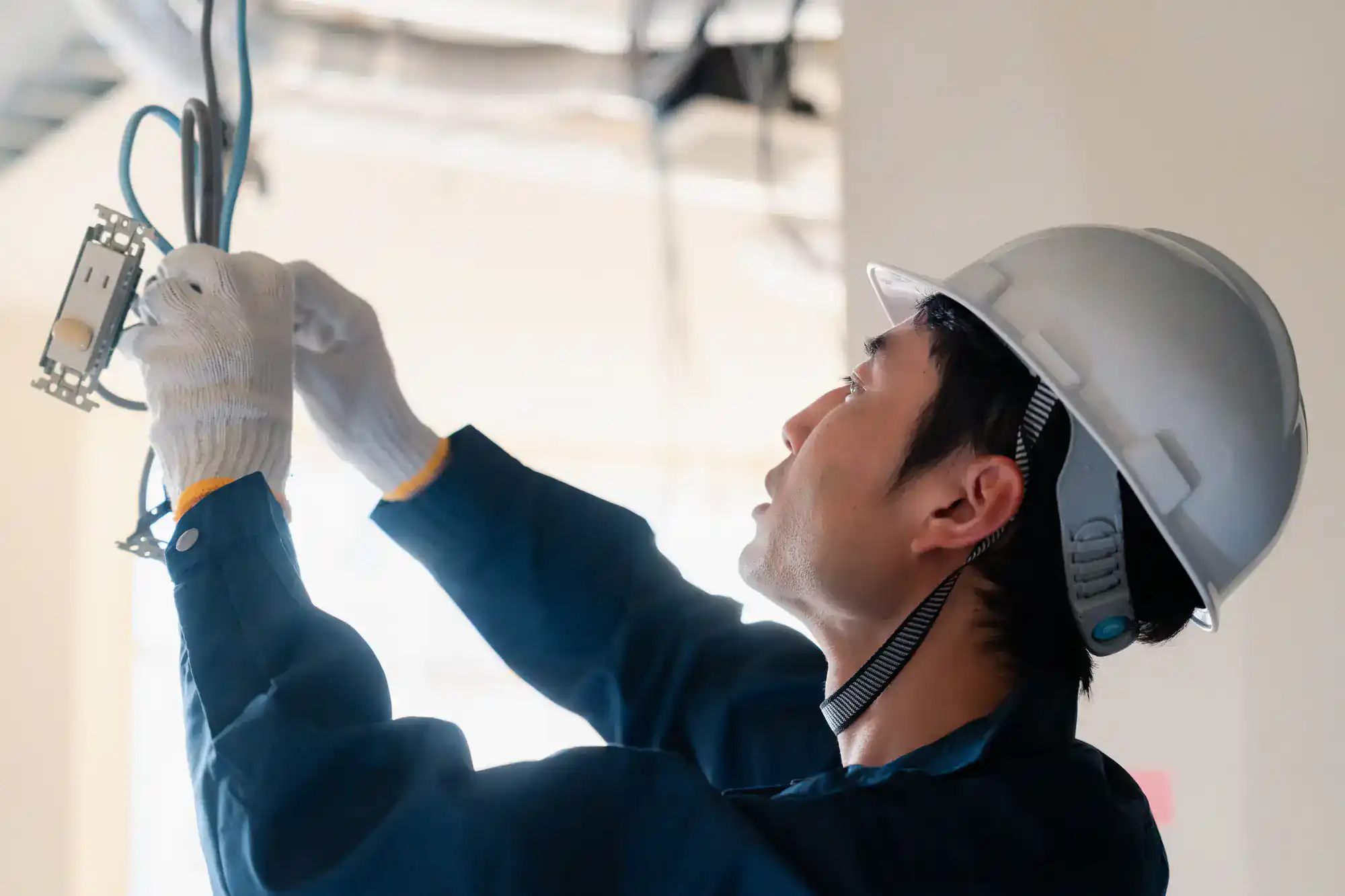
It starts with a free estimate. Someone from Young Electric LLC comes out to your Marlene Village property, looks at where the hot tub is going, and — critically — assesses your existing electrical panel. In a neighborhood where most homes were built between 1940 and 1969, that panel check isn’t a formality. It’s the step that tells you whether you need a subpanel added, whether your current service can support the load, and what the real project scope looks like before any work begins.
Once the scope is clear and you’re ready to move forward, we handle the permit through Washington County Building Services — the correct permitting authority for unincorporated Marlene Village. This is not the City of Beaverton’s permitting office. Knowing the difference, and knowing the county’s BDAS online portal, means the permit gets filed correctly and the inspection gets scheduled without avoidable delays.
The installation itself involves running 6 AWG copper wire through weatherproof conduit from your panel to the hot tub location, installing a properly sized GFCI breaker, placing a weatherproof disconnect box at the code-required distance from the tub, and completing the equipotential bonding of all metal components — a step that protects people in and around the water and one that NEC Article 680 requires. After the work is done, a Washington County electrical inspector signs off. That inspection is your confirmation that the job was done to code, not just to someone’s word.
240V Hot Tub Wiring and GFCI Breaker Installation
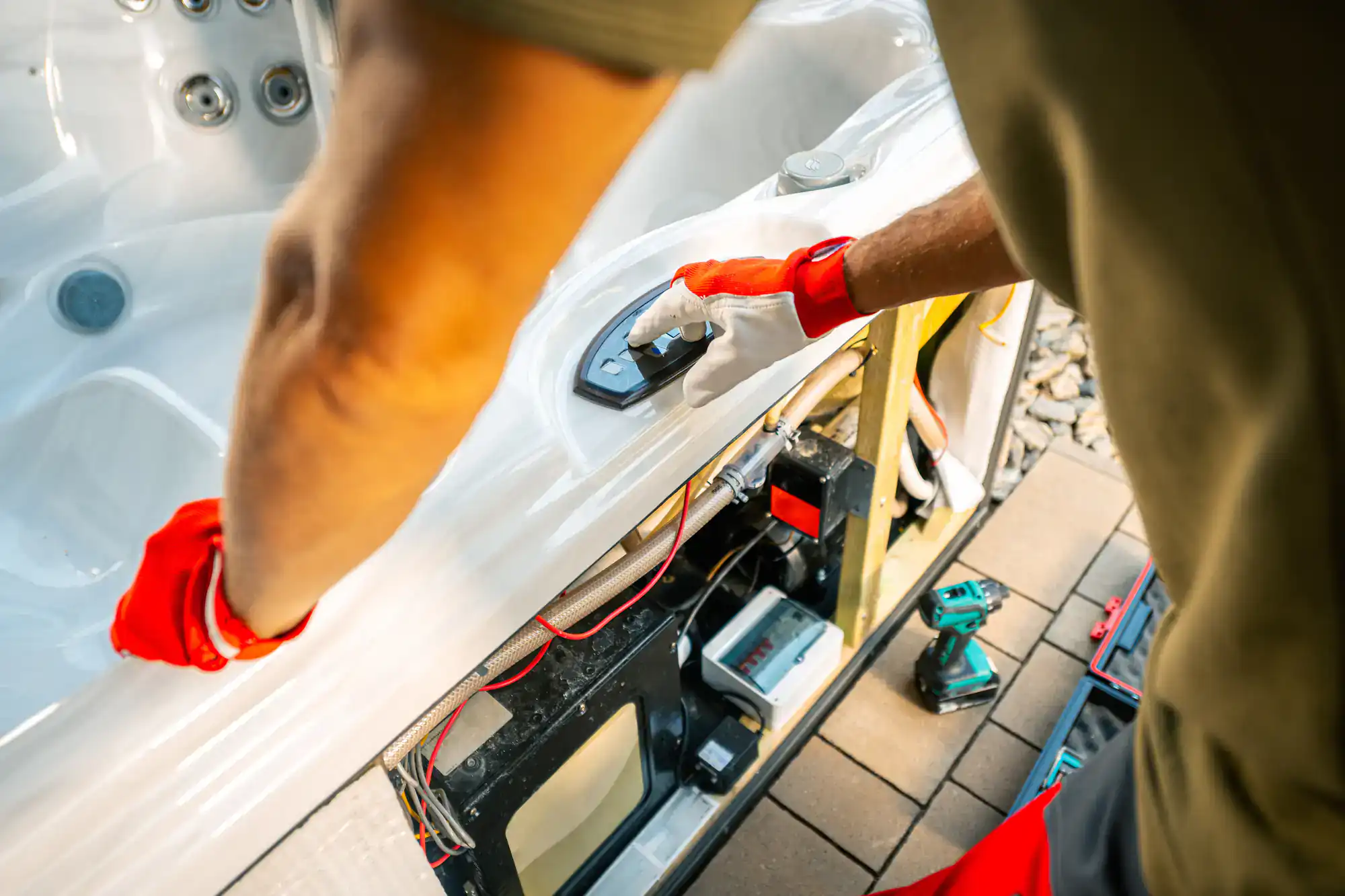
Hot tub electrical installation in Marlene Village covers more ground than most homeowners expect going in. The core work is a dedicated 240V circuit — nothing else shares that breaker. The wire is 6 AWG copper, run through weatherproof conduit, sized for the load and protected against Oregon’s wet winters. The GFCI breaker is a Class A unit, which is what the code requires for outdoor spas — not a standard breaker, which only protects equipment, not people. In a wet environment, that distinction matters.
The disconnect box goes in at the right distance from the tub — close enough to be accessible, far enough to meet the clearance requirements under the Oregon Electrical Specialty Code updated in October 2023. All metal components get bonded — pump housings, water, fittings — because that’s what NEC Article 680 requires and what keeps the installation safe for the long run.
Because Marlene Village is unincorporated Washington County, the permit comes from Washington County Building Services, not the City of Beaverton. We know that process and file accordingly. Every installation also carries a 5-year labor warranty — something no competitor in the Beaverton and Cedar Hills area advertises. If something isn’t right with the workmanship within five years, it gets made right. That’s the commitment behind every job we do.
Does my older Marlene Village home need a panel upgrade before hot tub installation?
It depends on what your panel can handle, and that’s exactly why we include a panel assessment with every free estimate. Marlene Village homes built in the late 1940s through the 1960s were typically wired with 60-amp or 100-amp service panels — which made sense for the appliances of that era, but not for a modern household running a 240V hot tub on a dedicated 50-amp circuit on top of everything else.
If your panel has capacity, the installation moves forward without any upgrades. If it doesn’t, you’ll know before the work starts — not mid-job. In some cases, adding a subpanel is the right solution. In others, a full panel upgrade makes more sense given the home’s overall electrical load. Either way, you get a clear answer and an honest quote that reflects the actual scope of work, not a lowball number that grows after the job begins.
What is a GFCI breaker and why does a hot tub specifically require one?
A standard circuit breaker protects your electrical system from overloads. It trips when too much current flows through the circuit. A GFCI — Ground Fault Circuit Interrupter — does something completely different. It monitors the current flowing in and out of the circuit and cuts power within milliseconds if it detects an imbalance, which is what happens when electricity finds a path through a person instead of the wire.
In a hot tub, you’re sitting in water. Water is a conductor. If there’s a ground fault anywhere in the system — a worn seal, a damaged pump, a wiring issue — a standard breaker won’t protect you in time. A Class A GFCI breaker will. That’s why NEC Article 680 requires it for all outdoor spas and hot tubs, and why it’s non-negotiable on every installation we complete in Marlene Village and throughout Washington County.
Who issues electrical permits for hot tub installation in Marlene Village, Oregon?
Marlene Village is an unincorporated community in Washington County — which means it falls under Washington County Building Services, not the City of Beaverton. Even though Marlene Village uses Beaverton mailing addresses and ZIP codes, the permitting authority is the county, not the city. This distinction matters in practice because the permit application goes through a different office, a different portal, and a different inspection scheduling system.
Washington County launched its BDAS online permitting portal in January 2025, which has streamlined the process for unincorporated areas. We work throughout the Portland Metro and Washington County and file permits through the correct jurisdiction for your address. That means no misfiled applications, no jurisdictional confusion at inspection, and no delays that come from an electrician who assumed Marlene Village follows the same permitting path as incorporated Beaverton.
Do I actually need a permit for hot tub electrical wiring, or can I skip it?
You need a permit. In Oregon, hot tub electrical installation requires both a permit and a final inspection by a licensed electrical inspector. There’s no legal path around this for a 240V hardwired installation, and the permit isn’t just a bureaucratic formality — it’s what triggers the inspection that confirms the work was done correctly and safely.
Skipping the permit creates real problems down the road. Most homeowner’s insurance policies won’t cover claims tied to unpermitted electrical work. If you ever sell your home, unpermitted work can surface during the buyer’s inspection and either kill the sale or force you to remediate it at your expense. And practically speaking, if something goes wrong with an unpermitted installation, you have no documentation that the work was ever inspected or approved. The permit protects you — not just the contractor. We pull the permit, schedule the inspection, and make sure the work passes the first time.
How long does hot tub electrical installation typically take from start to finish?
The installation itself — running the circuit, installing the GFCI breaker, setting the disconnect box, completing the bonding — typically takes four to eight hours depending on the distance from your panel to the hot tub location and whether any panel work is needed first. We start at 7am, which means a full-day job can often be completed without eating into your evening.
The bigger timeline variable in Marlene Village is the permit. Washington County Building Services processes permits for unincorporated areas, and turnaround times can vary. We file promptly and use the county’s BDAS portal to track status and schedule inspections efficiently. If you’re trying to get your tub ready before the fall rains arrive — which is the smart move in this climate — booking sooner rather than later gives the permit process the time it needs without cutting things close.
What does Young Electric LLC's 5-year labor warranty actually cover on a hot tub installation?
The 5-year labor warranty covers the workmanship on your hot tub electrical installation. If something we installed or wired fails due to how the work was done — not due to a manufacturer defect in the hot tub itself or damage from an outside cause — we come back and make it right at no charge for five years from the installation date.
This is worth paying attention to because no other hot tub electrician serving the Beaverton and Cedar Hills area advertises a comparable warranty. Most contractors stand behind their work in the sense that they’ll come back if something is obviously wrong right away. A five-year written commitment is a different level of accountability. For a Marlene Village homeowner who has invested in both a hot tub and potentially a panel upgrade to support it, that warranty is a real backstop — not a marketing line. It reflects what happens when a company is confident enough in the quality of their work to put a number on it.
Useful Links