
Generator Installation near Cottage Grove, OR
Cottage Grove Already Knows What Days Without Power Costs
Hear from Our Customers
Home Generator Installation near Cottage Grove, OR
A standby generator doesn’t just keep the lights on. It keeps your heat running, your refrigerator cold, your medical equipment powered, and your pipes from freezing when temperatures drop and the outage stretches into day two or three. That’s the difference between an inconvenience and a real problem—and Cottage Grove residents who lived through the 2024 ice storm know exactly which one a multi-day outage becomes.
For homes along Row River Road and out toward Dorena Lake, the stakes are higher than they are for someone closer to Cottage Grove’s city center. Utility crews restore power by prioritizing repairs that bring the most customers back online first. Rural and semi-rural properties on the eastern edge of the area are typically last on that list. A standby generator removes that dependency entirely—it detects an outage and starts automatically within seconds, whether it’s 2 AM or the middle of a storm.
Cottage Grove’s housing stock adds another layer to this challenge. With a median construction year of 1977 and a significant share of homes built before 1950, a lot of local properties are running older electrical systems that weren’t designed for today’s heating equipment, home offices, or medical devices. Getting backup power installed correctly in an older Cottage Grove home takes experience—not just with generators, but with the panel configurations and wiring realities that come with that era of construction.
Ready to get started?
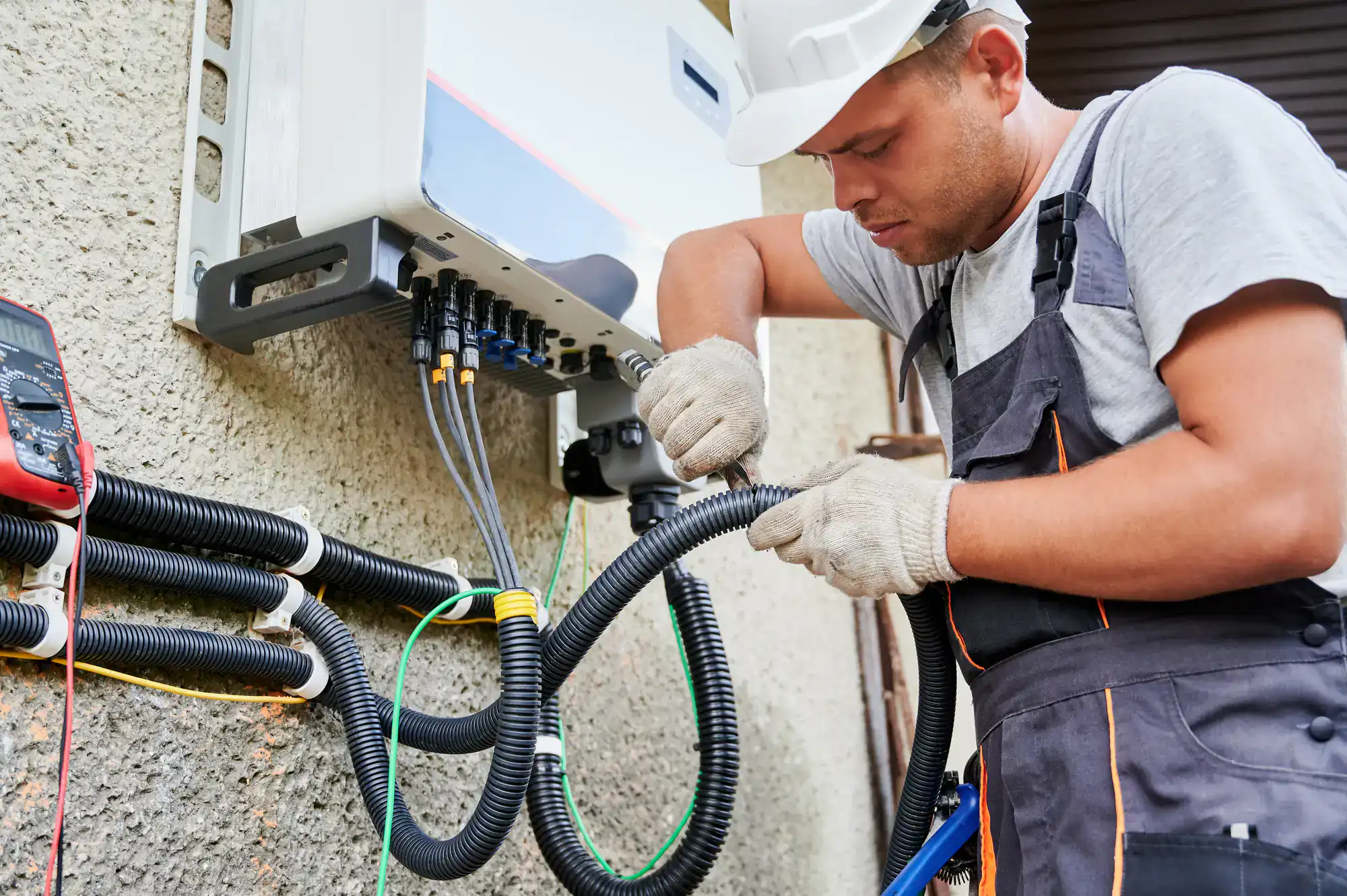
Whole House Generator Installer near Cottage Grove, OR
Young Electric LLC is a second-generation, veteran-owned electrical contracting company with over four decades of combined experience across residential, commercial, and industrial work. We were built on a straightforward standard—do the job right, stand behind it, and treat the customer like an adult who deserves a clear explanation of what’s happening with their home.
Every generator installation we perform is backed by a five-year warranty on labor and workmanship. That’s well above what most electrical contractors offer, and it’s not a marketing line—it reflects how we approach the work. When you’re making a significant investment in your home’s electrical infrastructure, you should know we’ll still be accountable five years from now.
We serve Cottage Grove and the broader Lane County region, including properties in the rural eastern corridor toward Dorena Lake and the Bohemia Mountains foothills. We’re licensed, bonded, and insured in Oregon, and we handle all permitting and inspection coordination as part of the standard installation process—so you’re not left navigating the Oregon Building Codes Division on your own.

Backup Generator Installation Process near Cottage Grove
The first step is a site assessment. We look at your home’s electrical panel, your load requirements, where the generator will be placed, and what fuel source is available—natural gas or propane. This isn’t a quick glance; it’s the foundation for sizing the system correctly. A generator that’s too small won’t carry your critical loads. One that’s oversized costs more than it needs to.
From there, permits are pulled. Oregon law requires a licensed electrician and a building permit for any generator connection—this applies everywhere in Cottage Grove and the surrounding unincorporated Lane County areas. We handle all of it. Depending on your property’s location, this may involve coordination with Pacific Power or Lane Electric Cooperative, both of which serve different parts of the Cottage Grove area. The permit process adds time, but it’s not optional—any installer who skips it is cutting a corner that can void your manufacturer’s warranty and create liability down the road.
Once permits are approved, the physical installation typically takes one day. The generator is set on a concrete pad or pea gravel bed, the transfer switch is wired in, fuel lines are connected, and the system is tested. After inspection sign-off, you’re covered. The full process—from first call to a running system—usually takes several weeks, which is why starting before storm season matters. Waiting until an ice storm is in the forecast means waiting in line behind everyone else who waited.
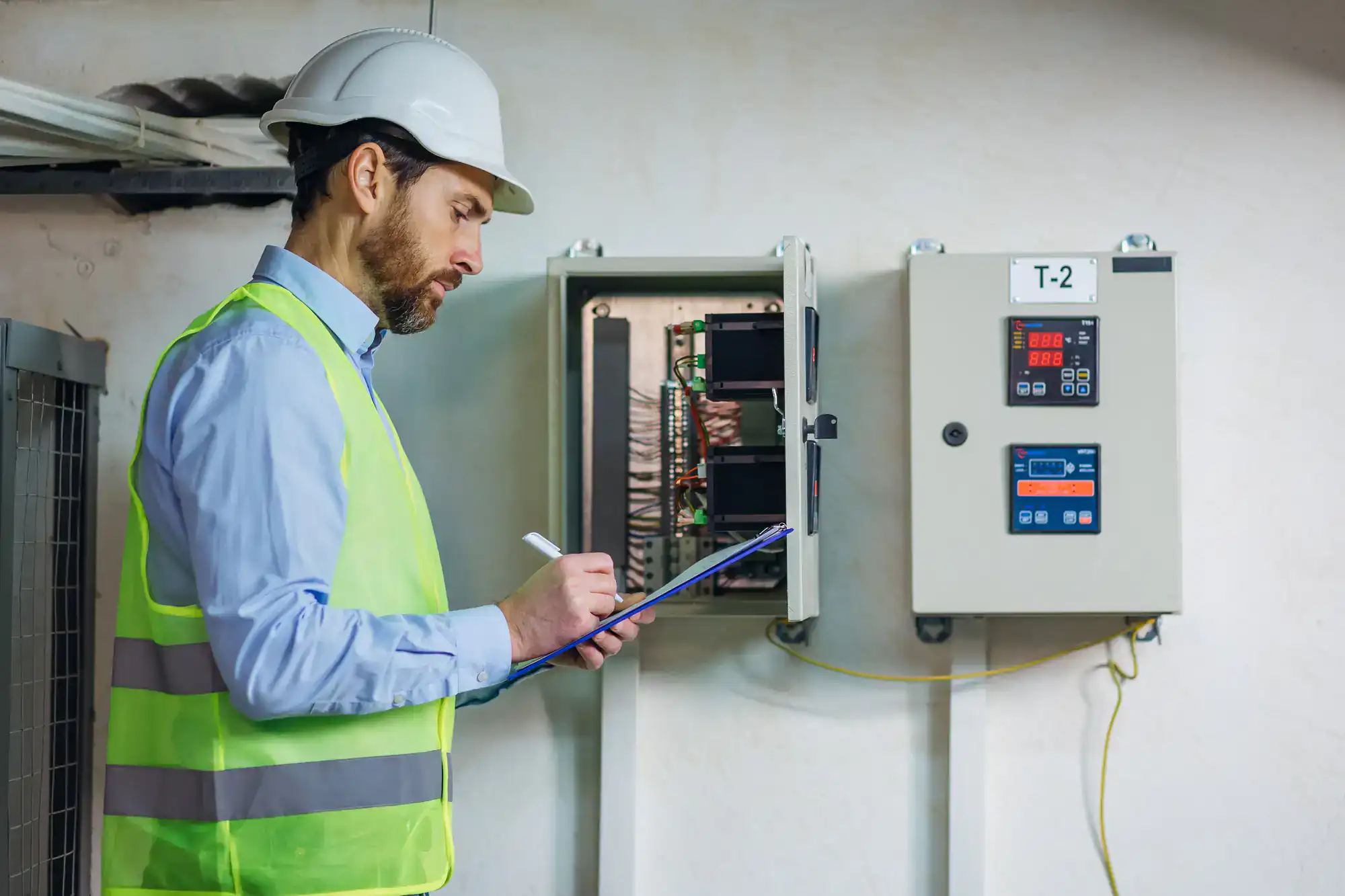
Emergency Generator Installation near Cottage Grove, Oregon
We install standby whole-house generators, portable generator setups, and backup systems for residential, small business, and commercial applications. The process starts with a load calculation—figuring out exactly what your home needs to run during an outage—rather than guessing at a size and hoping it’s enough. For Cottage Grove homes with older panels, that assessment also looks at whether any panel work is needed before the generator can be properly integrated.
Transfer switch installation is included as part of every standby generator project we complete. Oregon’s Electrical Specialty Code requires a transfer switch or equivalent safety device to prevent back-feeding into the utility grid—this protects both your home and the utility workers restoring power in your neighborhood. We install automatic transfer switches that detect an outage and switch your home to generator power within seconds, without any action required on your part.
For properties in the rural eastern fringe of Cottage Grove—along Row River Road, near Dorena Lake, or in areas served by Lane Electric Cooperative rather than Pacific Power—we account for the specific utility environment and longer restoration timelines that come with rural grid positioning. The goal is a system that’s sized right, installed to code, permitted properly, and backed by a five-year warranty so you’re not starting over if something needs attention after the job is done.
How long did the 2024 ice storm outage last in Cottage Grove, and would a generator have helped?
The January 2024 ice storm left an estimated 25,000 customers in the Cottage Grove area and Lane County without power for multiple days. At the storm’s peak, more than 4,168 Pacific Power customers in Cottage Grove specifically were out simultaneously. Pacific Power named Cottage Grove alongside Sweet Home and Albany as communities where restoration was most challenging, with some outages extending into Wednesday—and in parts of the area, into Friday or Saturday. Warming centers were activated across Lane County.
A standby generator would have changed that experience entirely. Unlike a portable unit that requires you to go outside in the dark and ice to set up, a standby generator detects the outage automatically and starts within seconds—no extension cords, no fuel runs, no going out in freezing conditions. Your heat stays on, your refrigerator keeps running, and your household continues functioning normally while the rest of Cottage Grove waits for the utility crews to work their way down the restoration list.
Do I need a permit to install a generator in Cottage Grove, OR?
Yes—Oregon law requires a permit for any generator connection, and this applies throughout Cottage Grove and the surrounding Lane County area, whether you’re in the city limits or on an unincorporated rural property. Oregon’s Building Codes Division requires a licensed electrical contractor to perform the work and pull the necessary permits. A transfer switch or equivalent safety device is also required by Oregon’s Electrical Specialty Code to prevent back-feeding into the utility grid.
Any installer who offers to skip the permit is taking a shortcut that creates real consequences for you as the homeowner. An unpermitted installation can void your generator manufacturer’s warranty, create liability issues if something goes wrong, and cause problems when you sell the home. We handle all permitting and inspection coordination as part of the standard installation process—you don’t have to navigate that on your own. Depending on where your property sits in Cottage Grove, this may involve coordination with Pacific Power or Lane Electric Cooperative.
What size generator do I need for my home in Cottage Grove?
The right size depends on what you want to power during an outage. A basic system covering your heating, refrigerator, lights, and a few outlets will need less capacity than a whole-house setup that keeps everything running normally—including an HVAC system, water heater, home office equipment, or medical devices. There’s no single answer that fits every home, which is why a proper load calculation is the starting point for every installation.
For Cottage Grove specifically, this matters more than it might in a newer subdivision. A significant share of the local housing stock was built before 1980, and older homes sometimes have panel configurations or wiring that affects how a generator integrates with the existing electrical system. We assess your panel and your home’s actual load requirements before recommending a system size—so you’re not paying for more than you need or ending up with a unit that can’t carry your critical circuits when the next ice storm rolls through.
What's the difference between a standby generator and a portable generator?
A portable generator is a piece of equipment you set up manually when the power goes out—you start it yourself, run extension cords to whatever you need to power, and manage the fuel supply. It’s better than nothing, but it has real limitations. Portables can’t power your whole house, they require stored fuel, they pose carbon monoxide risks if used improperly, and they require you to go outside and set them up in whatever conditions caused the outage in the first place.
In an ice storm like the one Cottage Grove experienced in January 2024, that means going out in freezing temperatures at whatever hour the power fails. A standby generator is permanently installed outside your home, connected to your electrical panel through an automatic transfer switch, and fueled by natural gas or propane. When the grid goes down, it detects the outage and starts automatically within seconds—no action required from you. It powers your whole house or the circuits you’ve designated as critical, and it continues running until utility power is restored. Modern standby units also run a brief self-test weekly so you know the system is ready when you actually need it.
How much does whole house generator installation cost near Cottage Grove, OR?
Whole house generator installation typically runs between $7,000 and $20,000 or more for the complete installed system—equipment, labor, transfer switch, permits, and site preparation included. Most homeowners land somewhere in the $10,000 to $14,000 range for a fully installed standby system. The variation comes from the size of the unit, the complexity of the installation, fuel line requirements, and whether any panel work is needed before the generator can be integrated.
For Cottage Grove homeowners, it’s worth thinking about this as a long-term investment rather than a one-time expense. Standby generators last 20 to 40 years with proper maintenance, and they add an estimated 3 to 5 percent to a home’s resale value. With median home values in Cottage Grove ranging from roughly $318,000 to $395,000, that’s a meaningful increase in equity—before you factor in what a single extended outage can cost in food loss, hotel stays, or damage from frozen pipes. We provide free estimates, so you’ll know what your specific project looks like before you commit to anything.
How long does the full generator installation process take near Cottage Grove?
The physical installation—setting the generator, wiring the transfer switch, connecting fuel lines, and testing the system—typically takes one day, usually four to eight hours. But the full process from first call to a running, inspected system takes longer than most people expect, often several weeks. That timeline includes the site assessment, permit application, any gas line coordination, and scheduling the inspection once the work is done.
In Lane County, permit processing times can vary, and utility coordination—whether with Pacific Power in Cottage Grove proper or Lane Electric Cooperative in the surrounding rural areas—adds another variable. This is exactly why the timing of your first call matters. If you’re thinking about a generator because of what happened during the 2024 ice storm, or because wildfire activity near the Row River corridor has you thinking about grid reliability, the time to start the process is now—not when the next storm is already in the forecast. Starting early means you’re covered before the season that actually puts the system to use.
Useful Links