
Generator Installation near West Haven-Sylvan, OR
When the West Hills Go Dark, Your Home Stays On

Hear from Our Customers
Whole House Generator Installation for West Haven-Sylvan Homes
West Haven-Sylvan sits at 591 feet elevation, tucked into tree-canopied hillside terrain where mature trees and overhead power lines share the same space. When saturated winter soils loosen root plates and a windstorm pushes through, it is the hillside neighborhoods that go dark first—and stay dark longest while crews work through the list.
The January 2024 ice storm left over 133,000 PGE customers without power at its peak. Arborists specifically called out the West Hills and adjacent hillside areas as the worst-hit zones for uprooted tree failures. For West Haven-Sylvan residents, that is not a rare event—it is a recurring seasonal pattern.
A standby generator we install changes what that pattern means for your household. When the grid drops, the system detects the outage and starts within seconds—automatically, without you lifting a finger. Your refrigerator keeps running, your sump pump stays active, your home office holds its connection, and if you or someone in your home depends on a CPAP machine or refrigerated medication, that continuity is not a convenience. It is a real health consideration.
For the high share of healthcare professionals who live near Providence St. Vincent Medical Center on SW Barnes Road, that point lands differently than it does for most. You already know what it looks like when backup power matters. A standby generator at home is simply the same logic applied closer.
Ready to get started?

Licensed Generator Installation Contractor in West Haven-Sylvan, OR
Young Electric LLC is a second-generation, veteran-owned electrical contracting company serving the Portland Metro area since 2007. That is nearly two decades of installations across residential, commercial, and industrial properties—with over four decades of combined experience across our team. The veteran background is not a marketing angle. It reflects a real standard: show up prepared, do the work correctly, and stand behind it.
Every generator installation comes with a five-year warranty on our work. Most local electrical contractors offer one year. The difference matters on a major installation that you are counting on to perform during the worst conditions West Haven-Sylvan sees.
West Haven-Sylvan is unincorporated Washington County—not Portland, even though the ZIP codes say otherwise. We understand that distinction and handle permitting through the correct channels, so you are not left guessing which jurisdiction applies or chasing down the right forms. We have established relationships with Washington County Building Services and bring that experience to every installation here. Our 164 Yelp reviews across the Portland Metro reflect the kind of repeat trust that builds over time, not overnight.
How We Install Generators in West Haven-Sylvan, OR
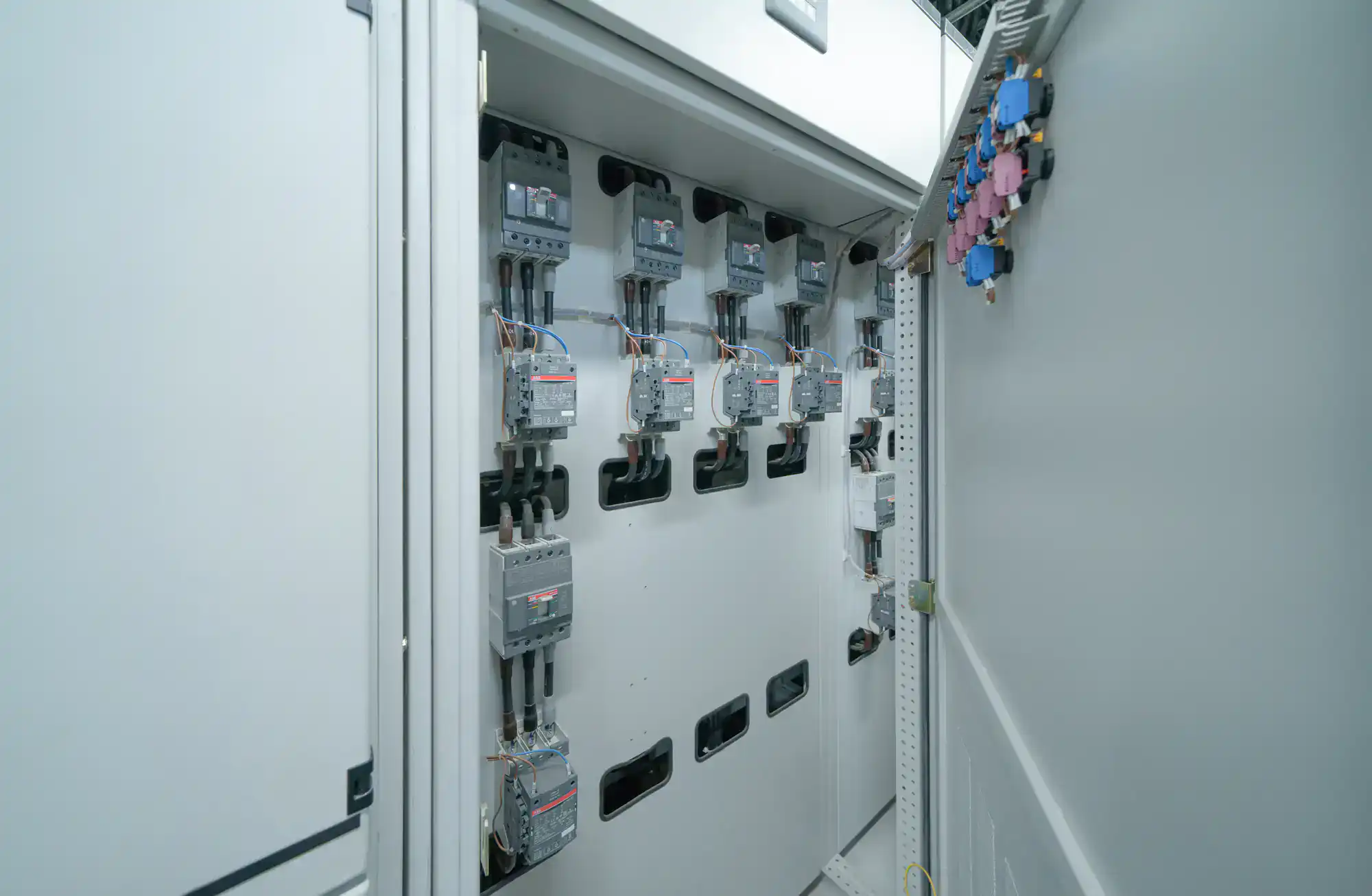
The process starts with a site visit and load calculation. This is where the sizing decision gets made—based on your home’s actual electrical load, not a generic estimate. Getting this right matters more than most homeowners realize. An undersized system leaves critical circuits unprotected. An oversized one costs more than it needs to. We walk through your home’s needs and recommend the right unit before anything else happens.
From there, the permit process begins. Because West Haven-Sylvan falls under Washington County Building Services—not the City of Portland’s Bureau of Development Services—the permitting path is different than what many homeowners expect from a Portland-addressed property. We handle the permit application, coordinate with the relevant county authority, and schedule the required inspection. You do not have to figure out which office to call.
Once permits are in place, the physical installation typically takes one day—site preparation, concrete pad or gravel bed, gas line connection, transfer switch installation, and final system testing. The full timeline from first call to completed inspection usually runs several weeks, which is worth knowing if storm season is approaching. Starting early is the practical move.
After installation, your standby generator runs a brief weekly self-test automatically, so you always know it is ready without having to think about it.
Complete Generator Installation Services in West Haven-Sylvan, OR
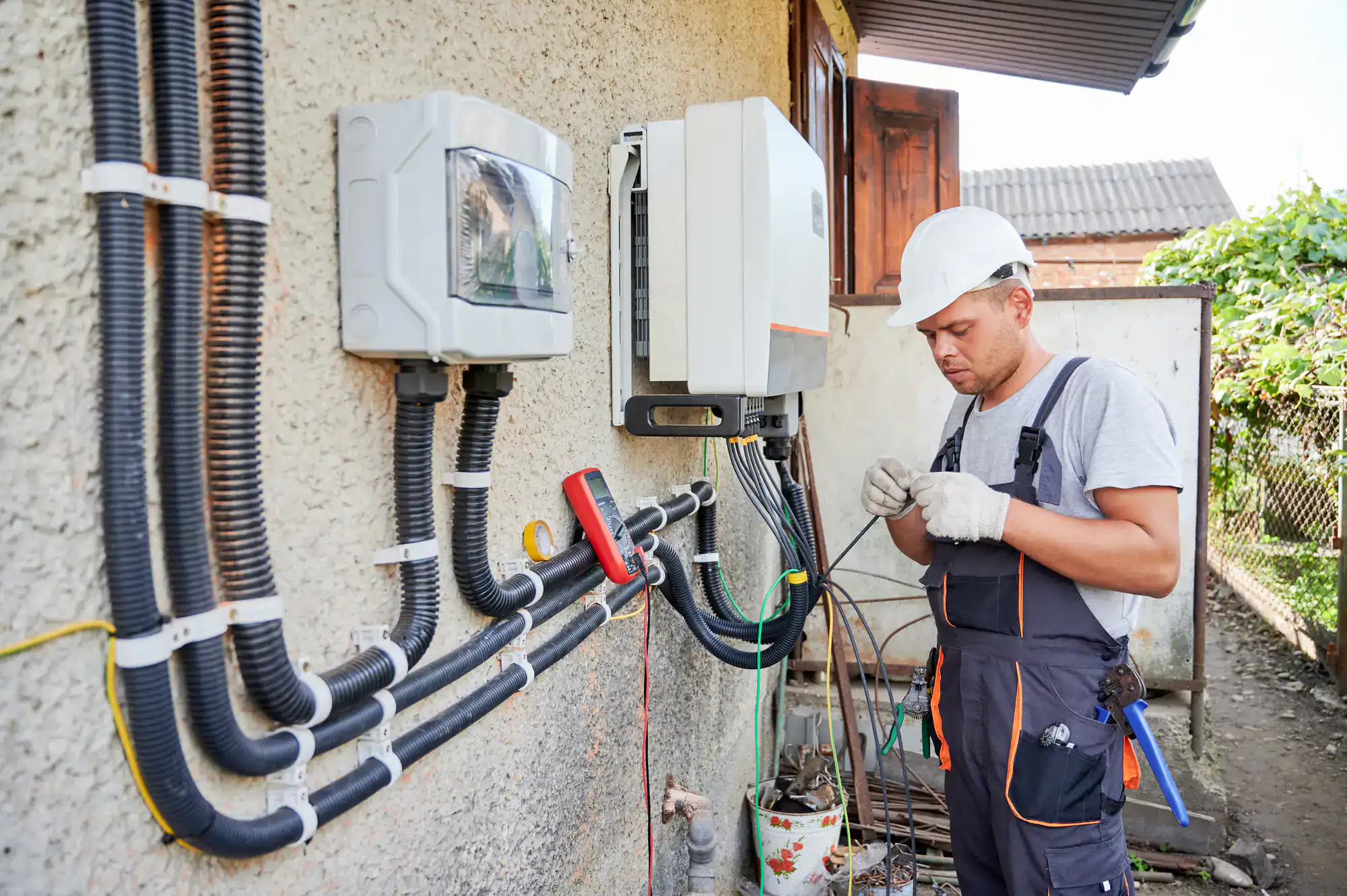
We handle generator installation from start to finish—system selection, site preparation, transfer switch installation, Washington County permit filing, inspection coordination, and final testing. There are no handoffs to other contractors and no steps left for you to manage on your own. For a property in unincorporated West Haven-Sylvan, that matters because the permit jurisdiction is not always obvious, and an installation that skips the permit process creates real problems at resale and can void the manufacturer’s warranty.
We work with all generator types and sizes—portable units, standby whole-house systems, and backup generators for commercial applications. Sizing is based on a proper load calculation specific to your home, not a one-size recommendation. For the larger homes common in West Haven-Sylvan, where median values run well into the $700,000 range, getting the sizing right is part of protecting the investment.
The five-year warranty on installations is included as standard. Oregon law requires a licensed electrician for any generator connection, and the Oregon Electrical Specialty Code mandates a permit and transfer switch for all generator connections to a home’s electrical system. We are licensed, bonded, and insured, and every installation is completed to code—not as an upsell, but as the baseline for how we do the work. If you have questions about what size system fits your home or how the process works in Washington County, we answer the phone personally and will walk you through it.
Do I need a permit for generator installation in West Haven-Sylvan, OR?
Yes—and the permit process in West Haven-Sylvan is different from what most residents expect. Because West Haven-Sylvan is unincorporated Washington County, permits for generator installation do not go through the City of Portland’s Bureau of Development Services, even though the area uses Portland ZIP codes like 97225 and 97229. Permits go through Washington County Building Services instead.
Oregon state law requires a permit for any generator connection to a home’s electrical system, and the Oregon Electrical Specialty Code mandates a licensed electrician and a proper transfer switch for all connections. Skipping the permit is not just a code violation—it can void your manufacturer’s warranty and create liability issues if the installation ever comes up during a home sale. We handle the Washington County permit application, inspection scheduling, and all related paperwork as part of the standard installation process. You do not have to figure out which office to contact or which forms to file.
What size whole house generator do I need for my home in West Haven-Sylvan?
The right size depends on what you actually want to power during an outage—and the answer varies significantly from one home to the next. A basic system that keeps your refrigerator, lights, and a few circuits running requires a much smaller unit than a whole-house system that covers HVAC, a home office, medical equipment, and large appliances simultaneously.
The way to get this right is through a load calculation—a review of your home’s electrical panel and the circuits you need covered. We do this as the first step in the installation process, before recommending any specific unit. For larger homes in West Haven-Sylvan, where square footage and system complexity tend to be above average, this step is especially important. An undersized generator that cannot carry your actual load during a multi-day outage is not much better than no generator at all. The calculation takes the guesswork out of the decision and gives you a clear answer before any money changes hands.
How long does the generator installation process take from start to finish?
The physical installation—site prep, pad, gas line connection, transfer switch, and testing—typically takes one day once everything is in place. But the full timeline from your first call to a completed, inspected installation is usually several weeks, and that is worth planning around.
The steps that take time are the ones that happen before our crew shows up: the site assessment, load calculation, permit application through Washington County Building Services, gas line coordination if needed, and inspection scheduling. None of these steps can be rushed, and permit processing timelines are set by the county, not by us. This is the main reason that waiting until storm season is already here tends to mean waiting in line behind everyone else who waited. If you are thinking about a backup generator installation for your West Haven-Sylvan home before the next Pacific windstorm season, starting the conversation now gives you the best chance of being ready when the weather turns.
Is a standby generator actually worth the cost for a home in West Haven-Sylvan?
For a home in West Haven-Sylvan, the math works in a few different directions. A standby generator adds 3% to 5% to a home’s assessed value according to Consumer Reports. On a home valued at $750,000—which is in the middle of the range for this neighborhood—that translates to $22,500 to $37,500 in added value. That alone gets you close to recovering the installation cost before you count a single hour of protection.
Beyond the home value calculation, consider what a multi-day outage actually costs in West Haven-Sylvan. Food loss, hotel stays if the home becomes unlivable in winter, potential pipe damage if heat goes out during a freeze, and lost income if you work from home are all real costs that add up quickly. West Haven-Sylvan’s wooded hillside terrain means outages here tend to last longer than in flat suburban areas, because downed trees on overhead lines take time to clear. The 20 to 40 year lifespan of a properly maintained standby generator spreads the installation cost across decades. Looked at that way, it is less a luxury purchase and more a long-term investment in the property and the household.
What is the difference between a standby generator and a portable generator?
A portable generator requires you to set it up manually—outside, in whatever weather is happening—with fuel you need to have stored and ready. It runs on gasoline, which means you need to have supply on hand before the outage hits. It cannot power your whole house, it poses real carbon monoxide risks if used improperly near doors or windows, and it does nothing if you are not home when the outage starts.
A standby generator is permanently installed at your home, connected to your electrical panel through a transfer switch, and fueled by natural gas or propane through a fixed line. When the grid drops, it detects the outage and starts automatically within seconds—whether you are home, asleep, or at work. For West Haven-Sylvan residents who commute into Portland via the Sunset Highway or down OR 217, that automatic start matters. A windstorm that knocks out power while you are in the office is not something a portable generator addresses. Your home stays protected without you having to be there.
How loud is a standby generator, and will it be a problem in a residential neighborhood?
Modern standby generators typically run at 60 to 70 decibels—roughly the volume of a normal conversation or a running dishwasher. During normal operation, that level of sound is not disruptive to neighbors, especially when the unit is placed thoughtfully on the property. Site selection is part of the installation process, and we account for placement relative to property lines, neighboring homes, and any local noise considerations.
The weekly self-test—which runs automatically and briefly to confirm the system is ready—is the most frequent sound a standby generator makes. It runs on a set schedule, typically during daytime hours, and lasts only a few minutes. West Haven-Sylvan does not have a city-level noise ordinance since it is unincorporated, but Washington County’s general noise ordinance applies, and a properly installed standby generator operates well within those limits. If your property has HOA rules, it is worth reviewing those separately—individual HOAs within the area may have their own guidelines—and we can discuss placement options during the initial site visit to make sure the installation works for your specific property.
Useful Links