
Generator Installation in Tigard, OR
When Tigard's Grid Goes Down, Your Home Stays On
Hear from Our Customers
Whole House Generator Tigard, OR
When the January 2024 ice storm swept through Washington County, Tigard residents—including families at Summerfield Estates—sat without heat, refrigeration, or light for days. Some waited a week. That kind of outage doesn’t just cost you food in the fridge. It disrupts work, threatens pipes, and puts anyone relying on medical equipment in a genuinely difficult spot.
A whole house generator changes that equation entirely. The moment your power cuts out, it detects the outage and starts on its own—automatically, within seconds, whether you’re awake or not.
For homeowners on Bull Mountain or out in River Terrace, where overhead lines run through heavy tree canopy and hillside terrain can slow restoration crews, the gap between “power’s out” and “power’s back” can stretch for days. That’s not a hypothetical. It’s what Tigard has already lived through more than once. A backup generator installation means that gap simply doesn’t affect you the same way anymore.
And if you work from home—which a significant portion of Tigard’s professional population does—an extended outage isn’t just uncomfortable, it’s a business disruption. Keeping your home running keeps your livelihood running too.
Ready to get started?
Generator Installer Tigard, OR
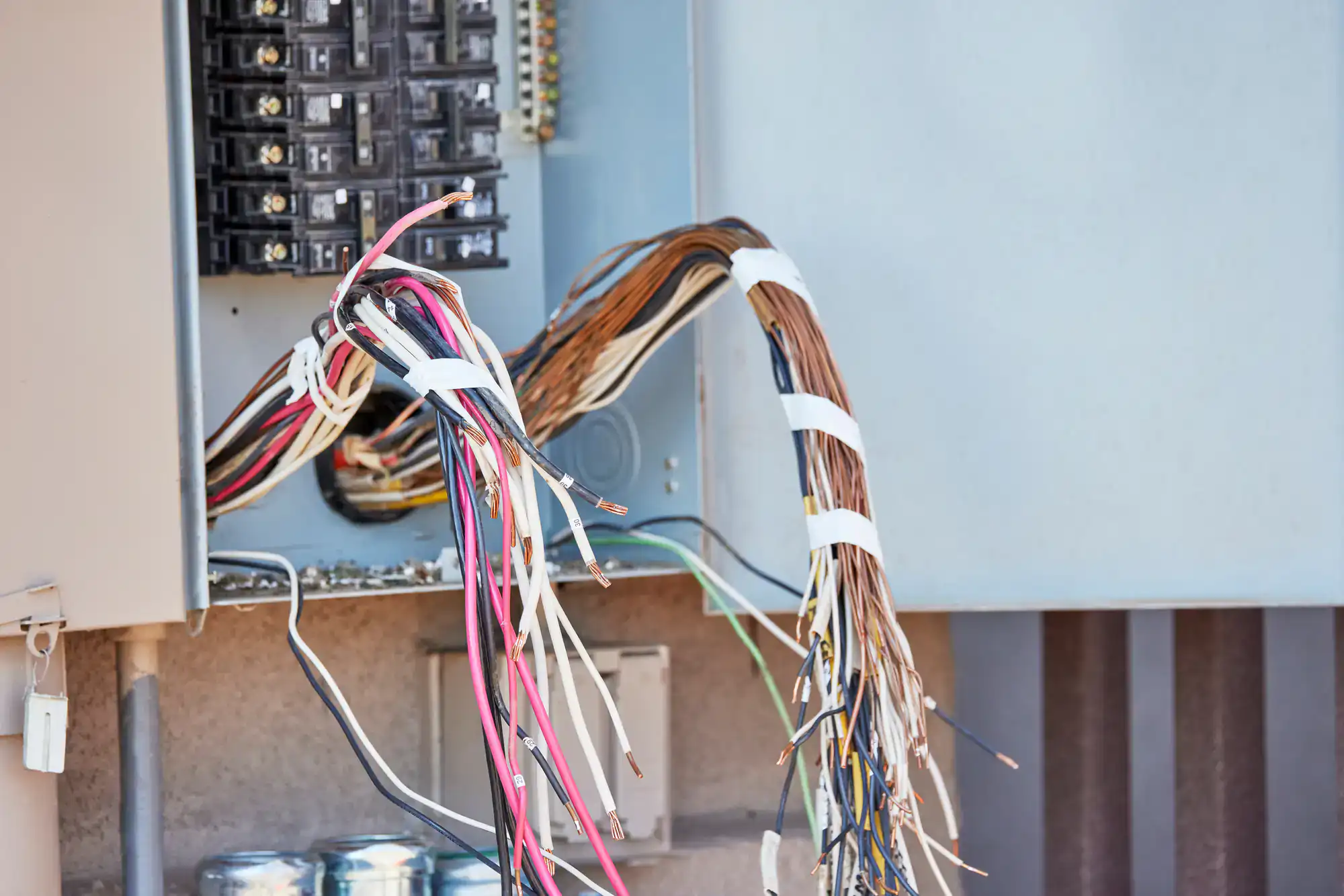
We’ve been doing electrical work in the Portland Metro since 2007, including Tigard, Lake Oswego, and Beaverton. Young Electric LLC is veteran-owned and second-generation—which means the knowledge behind every installation didn’t come from a training manual alone. It came from decades of hands-on electrical work across residential, commercial, and industrial jobs throughout the region.
What that means for you is straightforward: you’re not getting a franchise technician dispatched from a call center. You’re getting a licensed, bonded, and insured electrical team with over four decades of combined experience that has seen what older panels in Metzger look like, what newer River Terrace builds require, and how Tigard’s permit process actually works.
Every installation we complete comes with a five-year warranty. That’s not standard in this industry—most local contractors offer one year. We back our work because we’re confident in it, and we want you to feel that confidence before you ever sign anything.
Home Generator Installation Tigard, OR
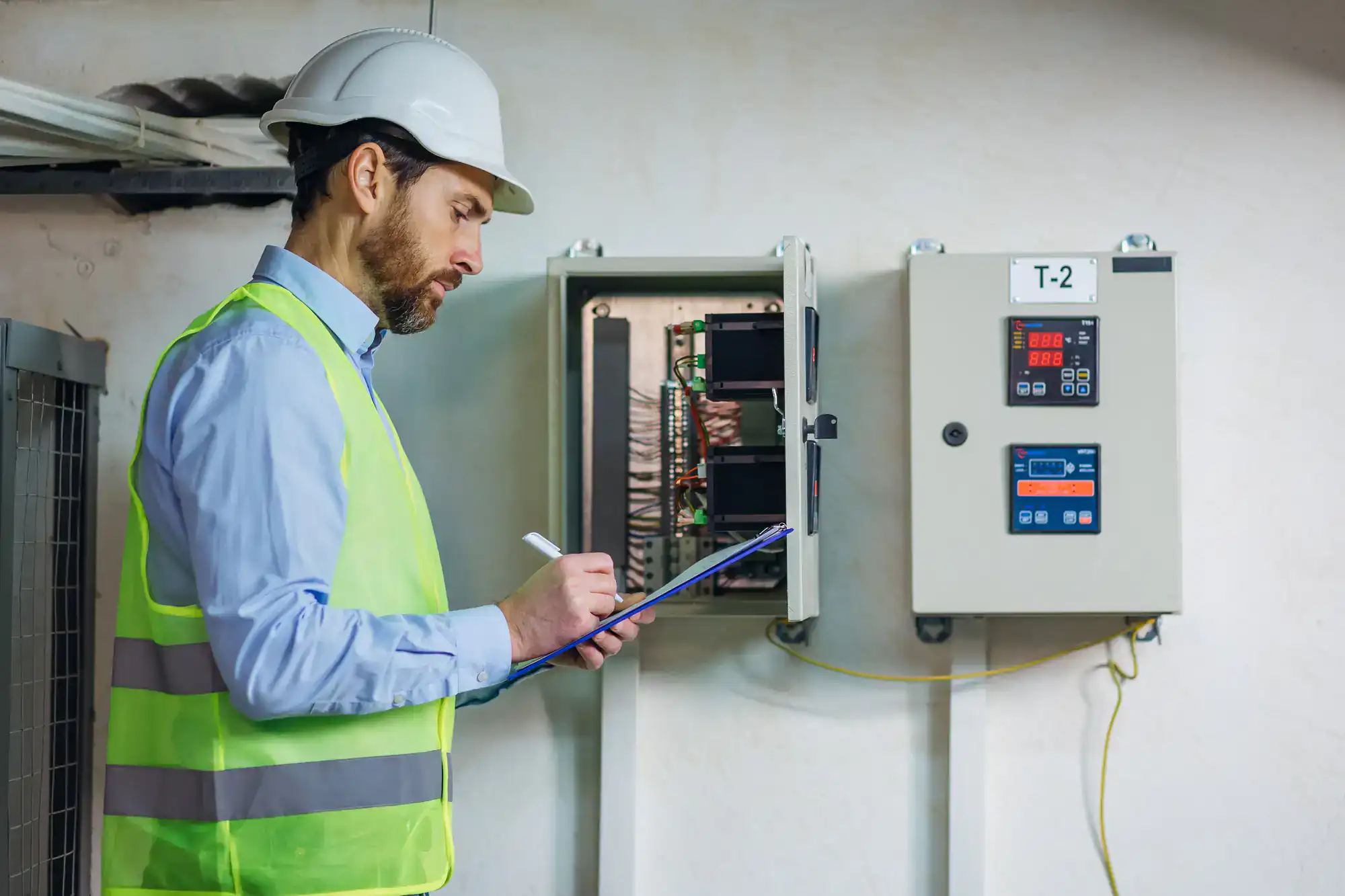
The first step is a site assessment. Before anything gets recommended, we look at your home’s existing electrical panel, your load requirements, and where the generator will be placed on your property. This matters more than most people realize—especially in older Tigard neighborhoods where panels from the 1970s and 1980s weren’t built for today’s electrical demands. If your panel needs attention before a generator can be properly connected, you’ll know that upfront, not after the unit is already on the pad.
From there, we handle generator selection based on your actual load—not a one-size package. Once you’ve landed on the right system, we manage the permitting process in full. In Tigard, that means pulling an electrical permit through the City of Tigard Building Division and coordinating the required inspection through the Oregon Building Codes Division. Any installer who skips that dual-layer process is cutting a corner that can void your warranty and create real problems at resale.
Physical installation typically takes one day. The full process—site assessment, permits, gas line coordination, inspection—takes several weeks from start to finish. That’s why fall is the right time to start if you want your system running before winter storm season hits Tigard and the surrounding neighborhoods.

Backup Generator Installation Tigard, OR
Every generator installation we complete is customized to the specific home. That means a proper load calculation before any equipment is selected, site preparation including the concrete pad or pea gravel bed the unit sits on, transfer switch installation that meets Oregon code, and full coordination with the gas utility for fuel line connection. The transfer switch is what makes the system safe—it prevents back-feeding onto the grid and protects both your home and the utility crews working to restore power in your neighborhood.
For Tigard homeowners specifically, the range of housing stock means no two installs look the same. A 1960s ranch on a Metzger side street has different electrical realities than a 2005 build on Bull Mountain or a newer River Terrace home. We account for that before making any recommendation, and we’ll tell you plainly if your panel needs an upgrade before the generator can be properly tied in.
We offer residential standby whole-house systems, portable generator installation, and backup generator installation for small businesses. We also handle emergency generator installation for situations where timeline matters. Every job is done by licensed electricians who pull permits, attend inspections, and register warranties—so the investment you’re making is protected the right way from day one.
Do I need a permit to install a generator in Tigard, Oregon?
Yes—and in Tigard, it’s actually a two-layer process. You need an electrical permit issued by the City of Tigard Building Division, and the completed work requires an inspection by a state-certified inspector through the Oregon Building Codes Division. Oregon law requires a licensed electrical contractor to perform generator connections, and the transfer switch installation specifically must be permitted and inspected. This isn’t optional, and it’s not something to work around.
The reason this matters beyond just following rules: unpermitted electrical work creates real problems when you sell your home. Buyers’ inspectors flag it, title companies ask about it, and homeowner’s insurance may not cover claims tied to unpermitted work. We handle the full permit process as a standard part of every installation in Tigard—both layers, start to finish. You don’t have to track it or follow up. It’s included.
What size whole house generator does my Tigard home actually need?
That depends on what you want to run during an outage, and the honest answer is that you shouldn’t guess. The right starting point is a load calculation—a real assessment of your home’s electrical demand based on the appliances, systems, and circuits you need to keep running. A generator sized too small won’t handle your HVAC, well pump, or EV charger. One sized too large costs more than necessary upfront and may not be the right fit for your property.
In Tigard, the range of housing stock adds another layer to this question. Older homes in Metzger or along the downtown corridor may have lower panel capacity than newer builds on Bull Mountain or in River Terrace, which changes what’s feasible without additional electrical work. We start every consultation with a site assessment and load evaluation before recommending a system size—so the generator you end up with is matched to your home, not just to a general square footage guideline.
How long does the generator installation process take in Tigard?
The physical installation—placing the unit, running the transfer switch, connecting fuel and electrical—typically takes one day, usually four to eight hours depending on the complexity of the job. But the full process from first call to a running system takes several weeks. That timeline includes the site assessment, equipment selection, permit application through the City of Tigard Building Division, gas utility coordination, and the required inspection through the Oregon Building Codes Division.
This is important to understand before storm season starts. If you’re calling in November hoping to have a system running by December, you may be cutting it close. The homeowners who are best protected going into Tigard’s winter storm window—when ice events along OR 217 and I-5 can knock out power for thousands of PGE customers at a time—are the ones who started the conversation in late summer or early fall. The process isn’t complicated, but it does take time to do right.
Is a standby generator actually worth the cost for a Tigard homeowner?
For most Tigard homeowners, the numbers make a reasonable case on their own. A standby generator adds roughly 3% to 5% to your home’s value, according to Consumer Reports. On a home valued at $610,000—close to Tigard’s median—that’s somewhere between $18,000 and $30,000 in added equity. On a Bull Mountain home in the $800,000 to $1,000,000 range, that figure climbs higher. The generator can come close to paying for itself in resale value before you count a single hour of protection.
Beyond the value increase, consider what an extended outage actually costs. Food loss, hotel stays if the house gets too cold, potential pipe damage if temperatures drop, and lost income if you work from home—those costs add up quickly. Tigard residents who went through the January 2024 ice storm without power for a week already know what that math looks like. Standby generators also last 20 to 40 years with proper maintenance, so this isn’t a short-term purchase. It’s a long-term addition to how your home functions.
What's the difference between a standby generator and a portable generator?
A portable generator requires you to set it up manually—which means going outside during a storm, running extension cords, and keeping fuel stored and ready. It can’t power your whole house, it poses a real carbon monoxide risk if used improperly near doors or windows, and it doesn’t start automatically. If the power goes out at 2 AM on a January night when ice is coming down in Tigard, you’re the one who has to go deal with it.
A standby generator is permanently installed outside your home, connected to your electrical panel through a transfer switch, and runs on natural gas or propane from your existing supply line. It monitors the grid continuously and starts on its own within seconds of detecting an outage—before you’ve even woken up. Your heat stays on, your refrigerator keeps running, your lights come back up. For homeowners in Tigard’s hillside neighborhoods, where restoration after a major storm can take days, the difference between those two options isn’t minor. It’s the difference between riding out the storm at home and scrambling to find somewhere else to stay.
My Tigard home is older—will my electrical panel handle a generator installation?
It might, but it needs to be evaluated before anyone gives you a definitive answer. Homes built in the 1960s through the 1980s—which describes a significant portion of Tigard’s housing stock in neighborhoods like Metzger and the downtown corridor—were designed for electrical loads that don’t reflect what most households run today. Heat pumps, EV chargers, home offices, smart appliances—those demands didn’t exist when those panels were installed. Connecting a generator to an undersized or aging panel without assessing it first is the kind of shortcut that causes problems later.
We start every installation with a site assessment that includes looking at your existing panel. If it needs to be upgraded before a generator can be properly connected, we’ll tell you that before any equipment is ordered—not after. Panel upgrades are a service we handle as well, so if that’s part of what your home needs, it can be addressed as part of the same project. The goal is to make sure the full system works correctly, not just to get a generator on the pad and move on.
Useful Links