
Generator Installation in Sherwood, OR
When PGE Restores Portland First, Sherwood Waits
Hear from Our Customers
Backup Generator Installation, Sherwood OR
Here’s something most Sherwood homeowners figure out the hard way: when a Pacific Northwest wind or ice storm knocks out power across the metro area, utility crews restore service from the center of the grid outward. The neighborhoods closest to Portland come back first. Sherwood’s position at the southwestern edge of PGE’s Washington County service territory means your street can sit dark for hours — sometimes days — after central Portland already has power back. That’s not a rumor. It’s how grid restoration works.
A standby generator changes that equation entirely. The moment your power goes out, the system detects it and starts automatically — usually within seconds. You don’t go outside in the rain to run extension cords. You don’t wake up to a freezing house at 3 AM. Your lights, your heat, your refrigerator, your home office — all of it keeps running while your neighbors wait for a PGE crew to work its way down Roy Rogers Road.
For homeowners in Ladd Hill, Woodhaven, or the older neighborhoods near Old Town, the stakes are real. A multi-day outage in a $700,000 home means frozen pipes, ruined food, a dead sump pump, and potentially thousands in damage. A properly installed backup generator eliminates that exposure — not just for one storm, but for the 20 to 40 years the system is designed to run.

Ready to get started?

Whole House Generator Installer Sherwood, OR
Young Electric LLC is a veteran-owned, second-generation electrical contracting company serving Sherwood and the surrounding Washington County communities since 2007. We were built on a straightforward idea: do the work right, stand behind it, and treat every customer the way you’d want a neighbor treated.
That’s not a tagline — it shows up in the details. We back every generator installation with a five-year warranty on labor and workmanship. Most local electrical contractors offer one year. The difference matters when you’re talking about a system you expect to run for decades.
Sherwood’s housing stock is genuinely varied — from early 1900s Craftsman bungalows in Old Town to newer master-planned builds in Brookman and Ladd Hill to luxury new construction at Denali Summit. Our team has over four decades of combined experience across residential, commercial, and industrial electrical work. That breadth means we’ve handled the full range of panel configurations, site conditions, and installation challenges you’ll find across Sherwood’s neighborhoods — not just the easy ones.
Home Generator Installation Process, Sherwood OR
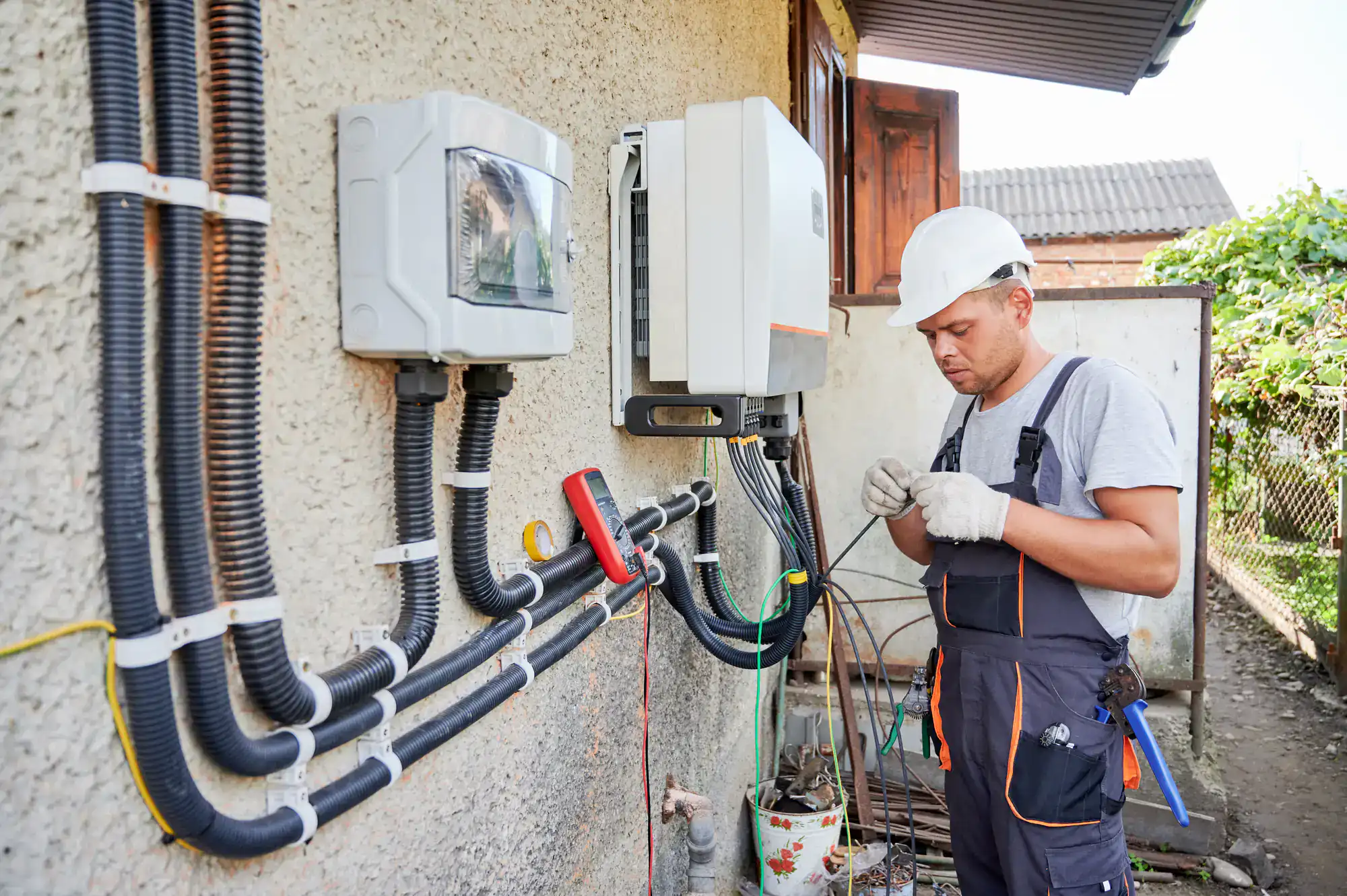
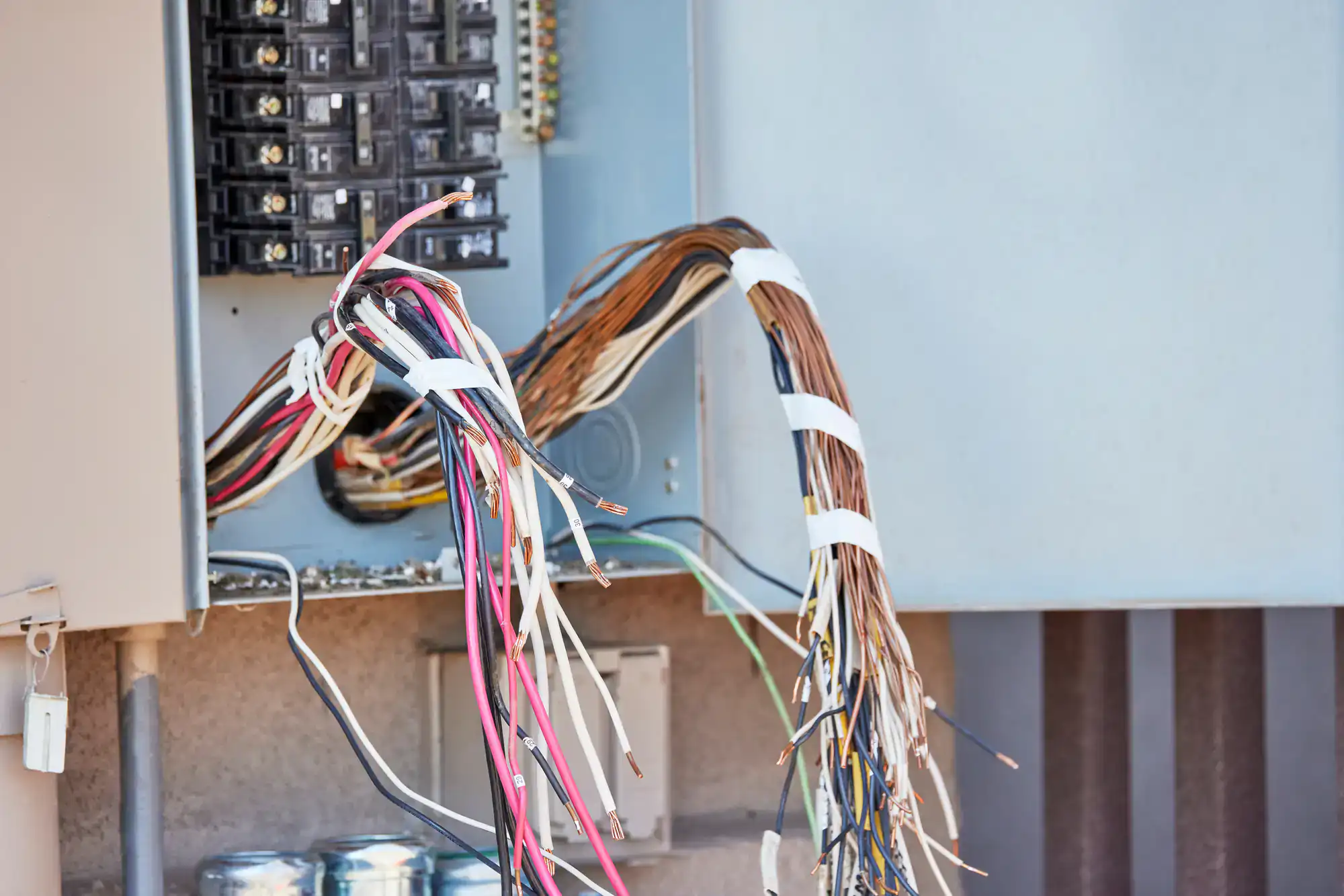
The first step is a site assessment — we come out, look at your property, review your electrical panel, and figure out exactly what size system your home needs based on your actual load. This isn’t guesswork. A proper load calculation determines which circuits you need covered and what generator capacity makes sense for your situation. Skipping this step is how homeowners end up with an undersized system that can’t run their heat and a refrigerator at the same time.
Here’s something specific to Sherwood that catches some homeowners off guard: generator installation involves two separate permitting authorities. The City of Sherwood handles building permits, but all electrical work within city limits is permitted and inspected by Washington County — not the city. We handle both sides of that process as a standard part of every job. You don’t have to track down two separate permit offices or figure out which jurisdiction covers what. That’s already handled.
Once permits are in place, the physical installation typically takes one day — site prep, concrete pad or gravel bed, gas line connection, transfer switch installation, and system startup. But the full timeline from first call to completed installation, accounting for permits, inspections, and any gas line coordination, runs several weeks. That’s worth knowing before storm season arrives. Sherwood homeowners who call in October when the first big wind event hits are often competing for installer availability with everyone else who waited. Starting the process in late summer or early fall puts you ahead of that line.

Emergency Generator Installation Sherwood, OR
We install the full range of residential generator systems — from portable generator inlet wiring for homeowners who want a simpler backup option, to fully automatic whole-home standby systems that run on natural gas or propane and require no manual intervention at all. The right choice depends on your home’s size, your electrical panel, your fuel source, and which circuits matter most to you during an outage.
For most Sherwood homeowners, a whole-house standby generator is the practical answer. These systems connect directly to your home’s electrical panel through an automatic transfer switch, which is required under Oregon’s electrical code for any permanent generator connection. When the grid goes down, the transfer switch isolates your home from PGE’s lines — preventing dangerous back-feeding — and the generator takes over within seconds. When utility power returns, the system switches back automatically. You don’t touch anything.
Washington County’s electrical permit process requires that a licensed electrical contractor’s signing supervisor personally sign off on the permit. We are licensed, bonded, and insured in Oregon, and pulling every required permit is a non-negotiable part of how we work — not an optional add-on. Any installer who suggests skipping the electrical permit is creating real liability for you: unpermitted generator connections can void your equipment warranty, complicate a future home sale, and create issues with your homeowner’s insurance. We handle system selection, site preparation, transfer switch installation, fuel line coordination, and startup testing — the complete installation, not just the electrical portion.
Who handles electrical permits for generator installation in Sherwood, Oregon?
This is one of the more common points of confusion for Sherwood homeowners, and it’s worth getting right before you hire anyone. The City of Sherwood handles building permits, but all electrical work performed within city limits is permitted and inspected by Washington County — not the city. That means a generator installation in Sherwood involves coordinating with two separate permitting authorities: the city for any structural or site work, and Washington County for the electrical connection and transfer switch.
An installer who isn’t familiar with this split-jurisdiction setup can run into delays, or worse, skip the electrical permit step entirely. We handle both sides of the permitting process as part of every installation. The Washington County electrical permit requires a licensed electrical contractor’s signing supervisor to personally sign the application — which is standard procedure for us on every job. You don’t have to navigate any of this yourself.
How long does a whole-house generator installation take from start to finish?
The physical installation — setting the unit, prepping the site, running the transfer switch, connecting the fuel line — typically takes one day once everything is in place. But the full process from your first call to a completed, inspected installation runs several weeks, and that timeline is important to plan around.
Before any installation work begins, there’s a site assessment, a load calculation to size the system correctly, permit applications with Washington County for the electrical work, and in many cases coordination with a gas line contractor if a new gas line or propane setup is needed. Inspections are scheduled after installation, and those depend on county availability. If you’re in Sherwood and you want backup power before the Pacific Northwest storm season hits in earnest — typically October through March — the time to start the conversation is late summer. Homeowners who wait until after the first major wind event are often looking at longer lead times because installer schedules fill up fast after a storm.
What size generator does my Sherwood home actually need?
There’s no universal answer to this, and any installer who gives you a size recommendation before looking at your electrical panel and talking through your priorities is guessing. The right size depends on what you need to run during an outage — and that list varies significantly from one household to the next.
A home with a gas furnace, a standard refrigerator, basic lighting, and a few outlets needs a very different system than a home running an electric heat pump, a well pump, a home office with multiple workstations, and medical equipment. Sherwood’s housing stock adds another layer: older homes in Old Town may have smaller panels that need to be evaluated before generator integration, while newer builds in Ladd Hill and Brookman typically have modern 200-amp panels that accommodate larger standby systems more easily. We start every job with a proper load calculation — figuring out your actual electrical demand — before recommending any specific unit size. That’s the only way to get it right.
Is a whole-house generator actually worth the cost for a Sherwood homeowner?
That depends on how you frame the question. If you’re comparing the installation cost against the cost of a single outage, the math often gets interesting quickly. A multi-day winter outage in a Sherwood home can mean hundreds of dollars in lost food, potential pipe damage if temperatures drop, hotel costs if the house becomes uninhabitable, and lost income if you work from home.
Beyond the outage protection, research from Consumer Reports and real estate data consistently shows that a standby generator adds 3% to 5% to a home’s resale value. In Sherwood’s market — where homes in Ladd Hill and Brookman sell in the $625,000 to $875,000 range — that percentage translates to real dollars at resale. Standby generators are also built to last 20 to 40 years with routine maintenance. Spread the cost across that lifespan and the annual cost of protection looks very different than the upfront number.
What's the difference between a portable generator and a standby generator?
Portable generators are cheaper upfront, but they come with real limitations that matter when you actually need them. A portable unit has to be set up manually — outside, in whatever weather caused the outage in the first place. It runs on gasoline, which means you need to have fuel stored and on hand when the outage hits. It can’t power your whole house, and it poses a carbon monoxide risk if used improperly or positioned too close to the home. It also doesn’t start automatically — if the power goes out at 2 AM, someone has to go outside and start it.
A standby generator is permanently installed, connected directly to your home’s electrical system, and runs on natural gas or propane from an existing supply line. When the power goes out, it starts on its own within seconds — whether you’re home or not, whether you’re awake or not. For Sherwood homeowners who travel for work, have family members who rely on medical equipment, or simply don’t want to deal with a manual setup process during a storm, the difference is significant. Standby systems also run a brief self-test weekly, so you know the system is ready before you ever need it.
Does Young Electric install generators in newer Sherwood subdivisions like Ladd Hill or Brookman?
Yes — and newer construction in those neighborhoods is often well-suited for standby generator installation. Homes built in Ladd Hill, Brookman, and similar master-planned communities from the 2000s onward typically have modern 200-amp electrical panels, which provide the capacity needed to integrate a whole-home standby system without requiring a panel upgrade first. That’s not always the case in older parts of Sherwood, where some homes — particularly in the Old Town area — may have smaller or older panels that need to be evaluated and potentially upgraded as part of the project.
We handle electrical panel upgrades as a core service, so if your home does need panel work before a generator can be installed, that’s something we can manage as part of the same project rather than requiring you to coordinate a separate contractor. Whether your home is a newer build near Tualatin-Sherwood Road or an older property closer to the historic core, the process starts the same way: a site assessment to understand what your home actually needs before any equipment is specified or purchased.
Useful Links