
Generator Installation near River Road, OR
When River Road Loses Power, Your Home Doesn't Have To

Hear from Our Customers
Home Generator Installation near River Road, OR
River Road sits along the Willamette River corridor, with the Randy Pape Beltline to the north and the Northwest Expressway to the west. When atmospheric rivers stack up through fall and winter—and they do, repeatedly—this neighborhood gets the full effect. Wind, rain, and flooding don’t take turns here.
A standby generator doesn’t stop any of that, but it keeps your home functional when the grid fails. Within seconds of detecting an outage, the system kicks in automatically. Your heating stays on. Your refrigerator keeps running. Your medical equipment continues to work. You stay comfortable while crews restore power to the rest of the neighborhood.
For River Road homeowners, this is also a long-term investment in your property. A standby generator adds 3% to 5% to your home’s value. On a home worth around $435,000—close to the River Road average—that’s $13,000 to $21,800 in added resale value before you count a single hour of protection. That’s a real return on a real investment.
Ready to get started?
Whole House Generator Installer near River Road, OR
Young Electric LLC is a second-generation, veteran-owned electrical contracting company with over four decades of combined experience across residential, commercial, and industrial work. We were built on the idea that electrical work should be done right the first time—and that we should be willing to stand behind it. That’s why every generator installation comes with a five-year labor warranty, well above what most local electrical contractors offer.
River Road’s housing stock tells a specific story. Many homes here were built during the mid-20th-century boom that replaced the neighborhood’s original farmland and nurseries with ranch-style homes on large lots. Those homes have character—but they also sometimes have electrical panels that weren’t designed to integrate with a modern standby generator. We’ve seen every panel configuration in the book, and we assess what your home actually needs before any work begins.
We’re licensed, bonded, and insured in Oregon, and we handle all permitting as a standard part of the process—whether your River Road property falls under Lane County jurisdiction or has been annexed to the City of Eugene.
Backup Generator Installation near River Road, Oregon
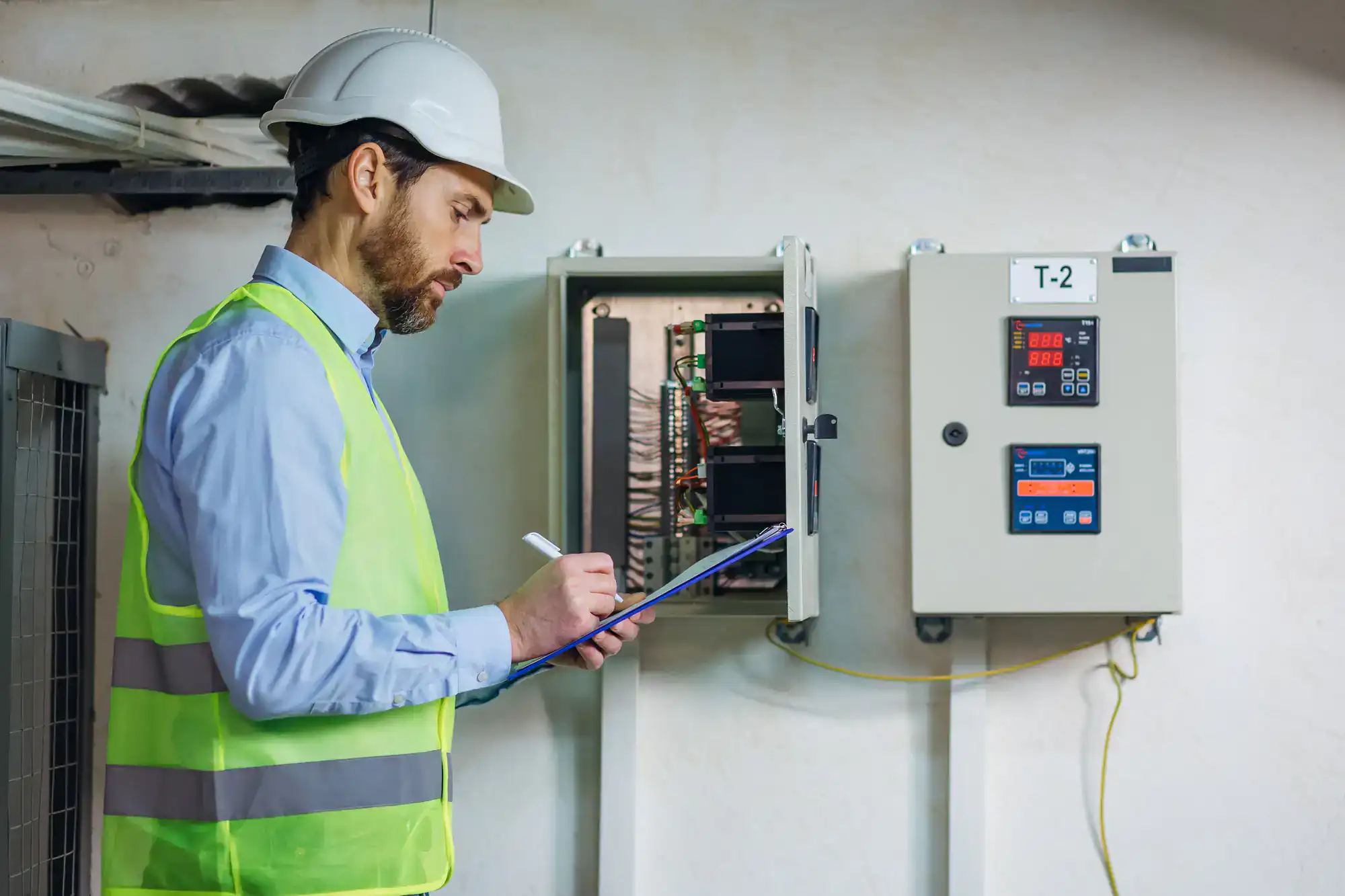
The first step is a site assessment. We visit your property to evaluate your electrical panel, identify the best placement for the generator unit, and calculate the load your home actually needs to run comfortably during an outage. For older ranch-style homes in River Road, this step sometimes reveals that a panel upgrade is needed before the generator can be safely connected. It’s better to know that upfront.
From there, we handle the permit application. In River Road, this matters more than people expect. Portions of the neighborhood are unincorporated Lane County, while others have been annexed to the City of Eugene—most recently in 2022. The permit authority depends on your specific address, and Oregon law requires a permit and a licensed electrician for any generator connection regardless of which jurisdiction you’re in. We navigate that without making it your problem to figure out.
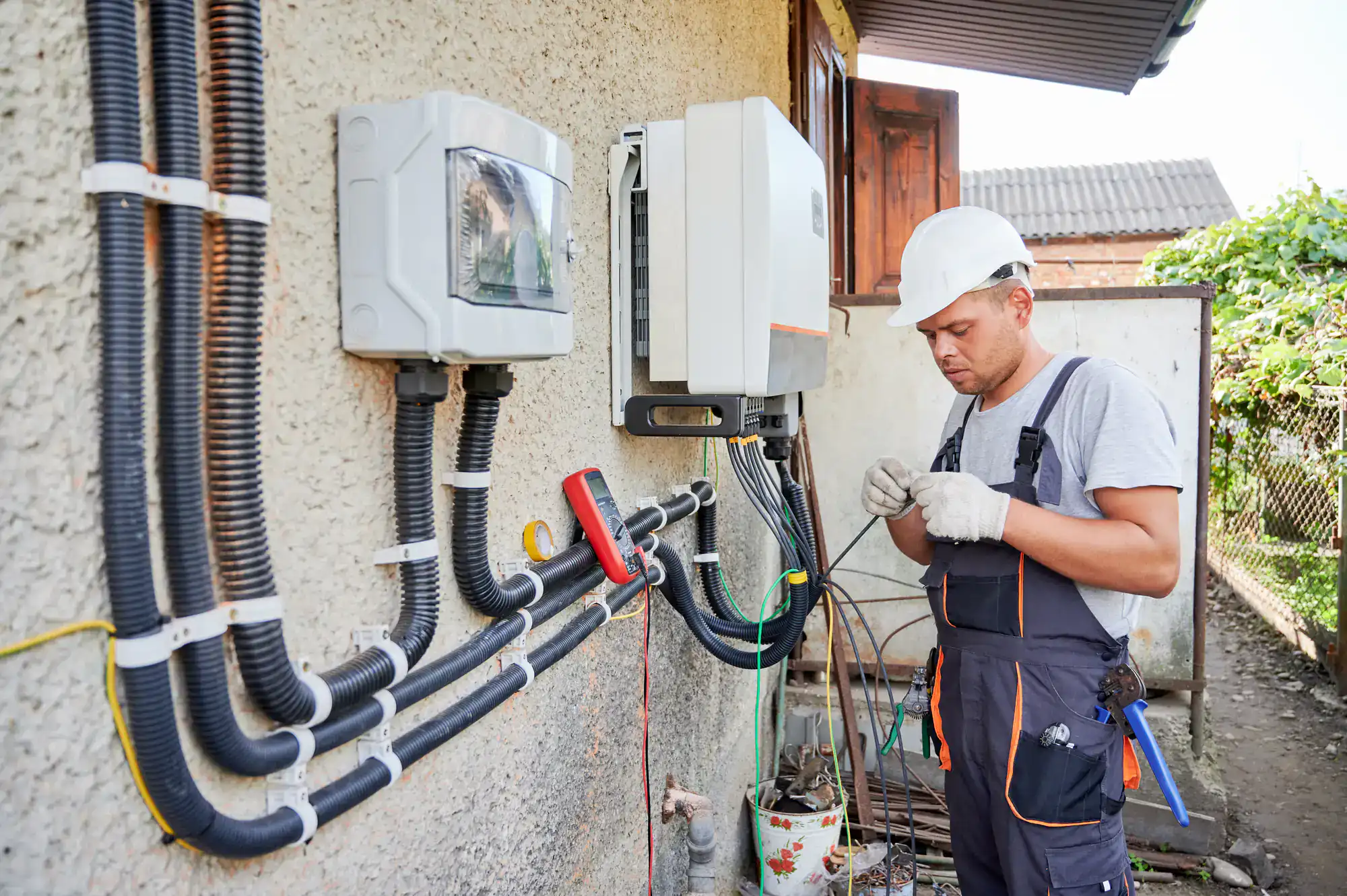
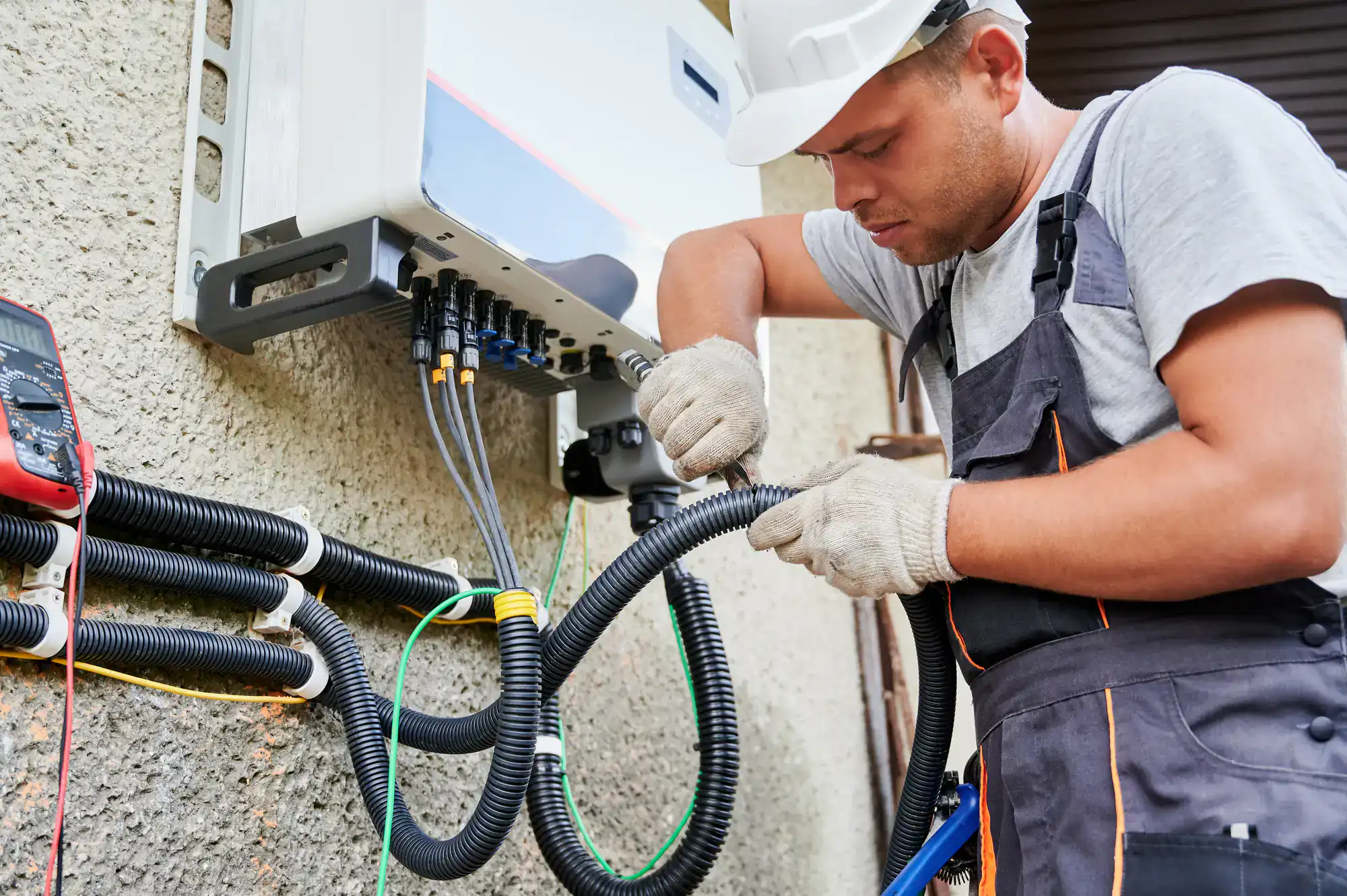
Once permits are in order, the physical installation typically takes one day—site prep, the concrete pad or pea gravel bed, fuel line coordination with NW Natural, transfer switch installation, and final connection. After that, a utility inspection closes out the permit. The full process from first call to final sign-off takes several weeks, which is exactly why fall—before storm season hits—is the right time to start.
Emergency Generator Installation near River Road, Oregon
We handle the full scope of residential generator installation—not just the unit itself. That means system selection help if you’re not sure what size you need, load calculation to make sure the generator matches your home’s actual electrical demand, site preparation, transfer switch installation, fuel line coordination, and all permitting from start to finish. If your panel needs an upgrade before the generator can be safely integrated, we can handle that in the same project rather than sending you to find a second contractor.
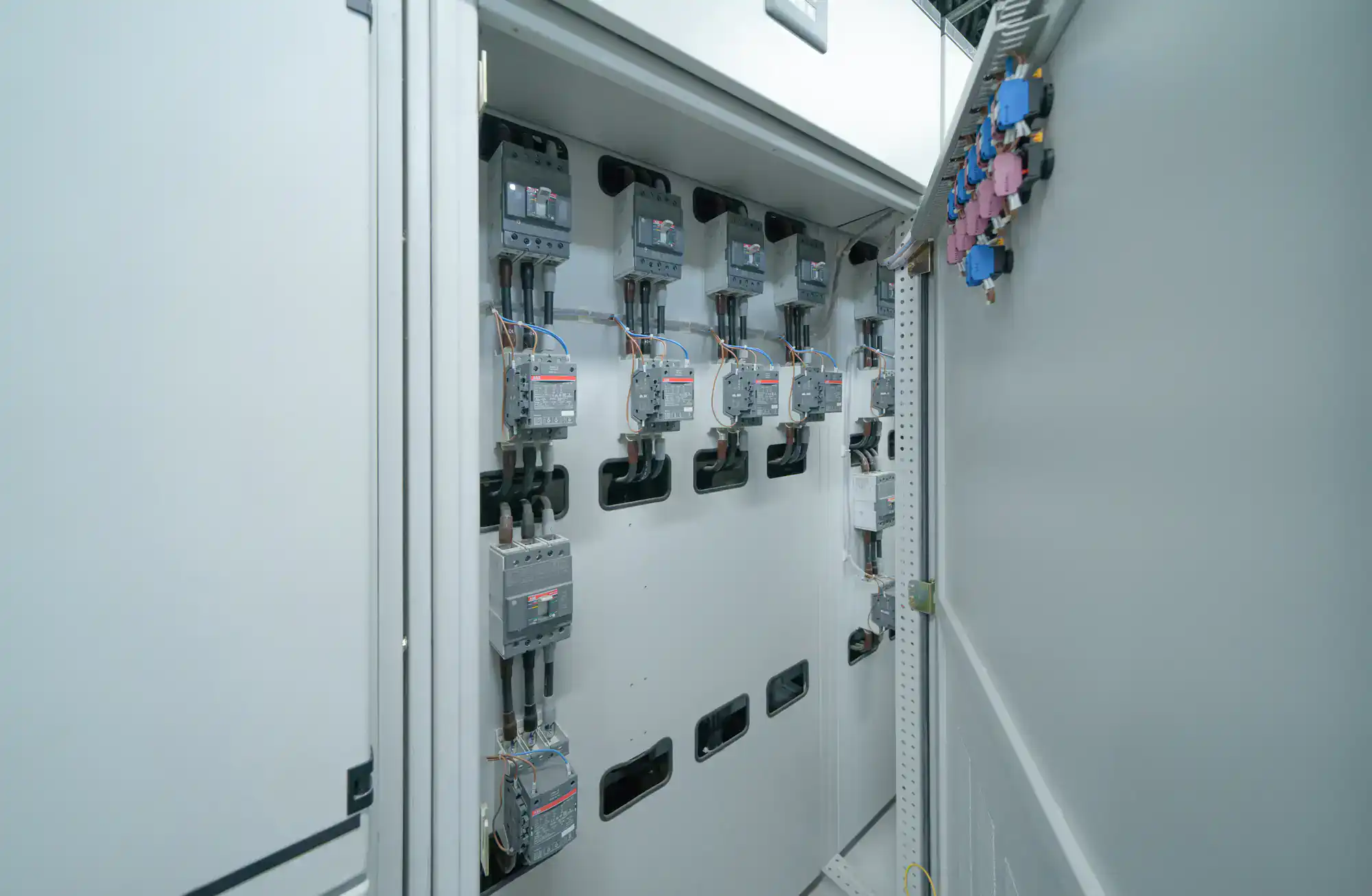
The transfer switch is one of the most important parts of the installation and one that sometimes gets glossed over. Oregon law requires a proper transfer switch or equivalent safety device on any generator connection—it’s not optional, and it’s not something to skip to save money. A correctly installed automatic transfer switch is what allows the generator to start on its own and disconnect your home from the grid safely, so there’s no risk of back-feeding power onto EWEB lines while crews are working to restore service.
Every installation is customized to the property. River Road homes vary—from older ranch-style builds near the Willamette River corridor to newer planned communities further west toward the Northwest Expressway. The right generator size, placement, and configuration depends on your specific home, your panel, and your fuel access. We assess all of it before recommending anything, and back the finished installation with a five-year warranty.
Do I need a permit for generator installation in River Road, Oregon?
Yes—and this is one area where River Road adds a layer of complexity that not every homeowner expects. The neighborhood is split between unincorporated Lane County and areas that have been annexed to the City of Eugene, with the most recent annexation happening in 2022. Which permit office handles your installation depends on your specific address. In unincorporated areas, permits are issued by Lane County. In annexed areas, they come from the City of Eugene Building and Permit Services.
Regardless of which jurisdiction applies to your property, Oregon law requires a permit and a licensed electrical contractor for any generator connection. This isn’t a technicality—it’s the law, and it exists because an improperly connected generator can back-feed power onto the utility lines, creating a serious safety risk for EWEB crews working to restore service after a storm. Any contractor who offers to skip the permit is cutting a corner that could void your warranty, create liability, and leave your installation legally unprotected. We handle all permitting as a standard part of every installation.
How much does whole house generator installation typically cost?
The total installed cost for a whole house generator—including the unit, site preparation, transfer switch, fuel line connection, and all permitting—typically runs between $7,000 and $20,000, with most homeowners landing somewhere in the $10,000 to $14,000 range depending on the size of the system and the specifics of the property.
For River Road homeowners, there’s one cost factor worth knowing about upfront: older homes, particularly the ranch-style builds from the 1950s through 1970s that make up a significant portion of the neighborhood’s housing stock, sometimes have electrical panels that need to be upgraded before a standby generator can be safely integrated. If that’s the case with your home, it’s better to assess it during the initial site visit than to discover it after the generator has already arrived. We evaluate your panel as part of the process, so you get a clear picture of what the full project involves before any work begins. Contact us directly for a free estimate based on your specific home and situation.
What size generator do I need for my River Road home?
Sizing a generator correctly starts with a load calculation—figuring out what your home actually needs to run comfortably during an outage, not just what seems like enough. A system that’s too small will struggle to keep up, and a system that’s oversized costs more than necessary both upfront and in fuel over time.
For most River Road homes, the key question is whether you want to power the whole house or just the critical circuits—heating, refrigeration, lighting, and any medical equipment. Whole-home coverage typically requires a larger standby unit, while a more targeted approach can work with a smaller system. The age and size of your home matters too. Older ranch-style homes in River Road often have lower base electrical loads than newer construction, but they may also have aging HVAC systems that draw more power than a modern equivalent. We walk through that assessment with you before recommending any specific unit, so you’re not guessing at a number that affects the next 20 to 40 years of your home’s backup power capacity.
How long does the generator installation process take in River Road, OR?
The physical installation—site prep, pad, fuel line, transfer switch, and final connection—typically takes one day, usually four to eight hours depending on the complexity of the job. But the full process from first call to final inspection takes several weeks, and that timeline is important to understand before you start.
The reason it takes longer than people expect is the permit process. In River Road, where the jurisdiction question (Lane County vs. City of Eugene) depends on your specific address, permit applications need to go to the right office, and inspections have to be scheduled after the work is complete. On top of that, fuel line coordination with NW Natural takes time, and generator units sometimes have lead times depending on the model and size. If you want backup power in place before the Willamette Valley’s storm season gets serious—typically October through March—the time to start the conversation is late summer or early fall, not after the first atmospheric river of the season has already knocked out your power.
Is a standby generator actually worth the cost for a River Road homeowner?
That depends on how you look at it, but the math tends to work out more clearly than people expect. A standby generator adds 3% to 5% to your home’s value. For a River Road home at the neighborhood average of around $435,000, that’s $13,000 to $21,800 in added resale value—before you factor in a single hour of protection during an outage.
Then there’s the cost of a bad outage to consider. The January 2024 ice storm left some Lane County residents without power for more than two weeks. That’s two weeks of food loss, potential hotel costs if the house got too cold, and real risk of pipe damage if temperatures dropped enough. If you have medical equipment that requires power—a CPAP machine, home oxygen, anything that runs continuously—the calculus shifts even further. Standby generators last 20 to 40 years with proper maintenance, which spreads the upfront cost across decades of protection. Most homeowners who have one installed say the same thing afterward: they wish they’d done it sooner.
Can I install a generator myself, or does it have to be a licensed electrician in Oregon?
Oregon law requires a licensed electrical contractor for generator connections—this applies everywhere in the state, including River Road, whether your property is in unincorporated Lane County or within the City of Eugene limits. The connection between a standby generator and your home’s electrical system involves the transfer switch, the main panel, and the utility line interface. All of that work requires a licensed electrician and a permit.
Beyond the legal requirement, there are practical reasons why this isn’t a DIY project. An improperly installed transfer switch can allow the generator to back-feed power onto EWEB’s distribution lines, which is dangerous for utility crews and can result in serious liability for the homeowner. A generator that’s connected without a permit can void the manufacturer’s warranty and create problems when you go to sell the home—buyers and their inspectors will look for documentation that the work was done properly and inspected. We handle the permit, the inspection, and the installation as a single coordinated process, so the finished job is clean, documented, and covered by a five-year labor warranty.
Useful Links