
Generator Installation in Creswell, OR
Creswell Already Knows What a Week Without Power Costs

Hear from Our Customers
Home Generator Installation Creswell OR
When Emerald People’s Utility District is working through downed lines across rural Lane County terrain, restoration isn’t measured in hours — it’s measured in days. Sometimes longer. That’s not a criticism of EPUD; it’s just the reality of serving 19,000-plus customers spread across a wide rural territory. A standby generator means your Creswell household doesn’t wait in line with everyone else. It detects the outage and starts within seconds, automatically, whether you’re home or stuck on I-5 trying to get back from Eugene.
For families in Creswell — and a lot of you have kids at home — that matters more than most people realize until they’re living through it. No heat, no refrigerated food, no running water if you’re on a well pump. A properly sized backup generator keeps all of it running. The well pump, the heat, the lights, the refrigerator. Not just the basics — your whole house, functioning the way it should.
And if you’re thinking about long-term value, homes with standby generators see a documented 3-5% increase in resale value. With Creswell median sale prices climbing toward $468,000 as of late 2025, that’s real money — and it comes on top of the protection you’re getting every winter between now and whenever you decide to sell.

Ready to get started?

Whole House Generator Installer Creswell
Young Electric LLC has been doing this work since 2007. We’re a second-generation, veteran-owned electrical contracting company — and that background shows up in how the work gets done. Not in a marketing-brochure kind of way, but in the actual details: the load calculation done correctly, the transfer switch installed to code, the permit pulled without being asked.
We serve the Portland Metro and extend out to communities across Oregon, including Lane County. Creswell sits about 12 miles south of Eugene along I-5, and the surrounding areas — Emerald Valley, Cloverdale Road, properties up near Creswell Butte — include a real mix of residential and rural properties that each come with their own installation considerations. We handle all of it.
The five-year warranty on our installations is worth noting, because it’s not common. Most local electrical contractors offer a standard one-year labor warranty. Five years means something. It means we’re confident enough in the work to back it for the long run, and it means you have real coverage — not just a handshake — if something ever needs attention down the road.
Backup Generator Installation Process Creswell
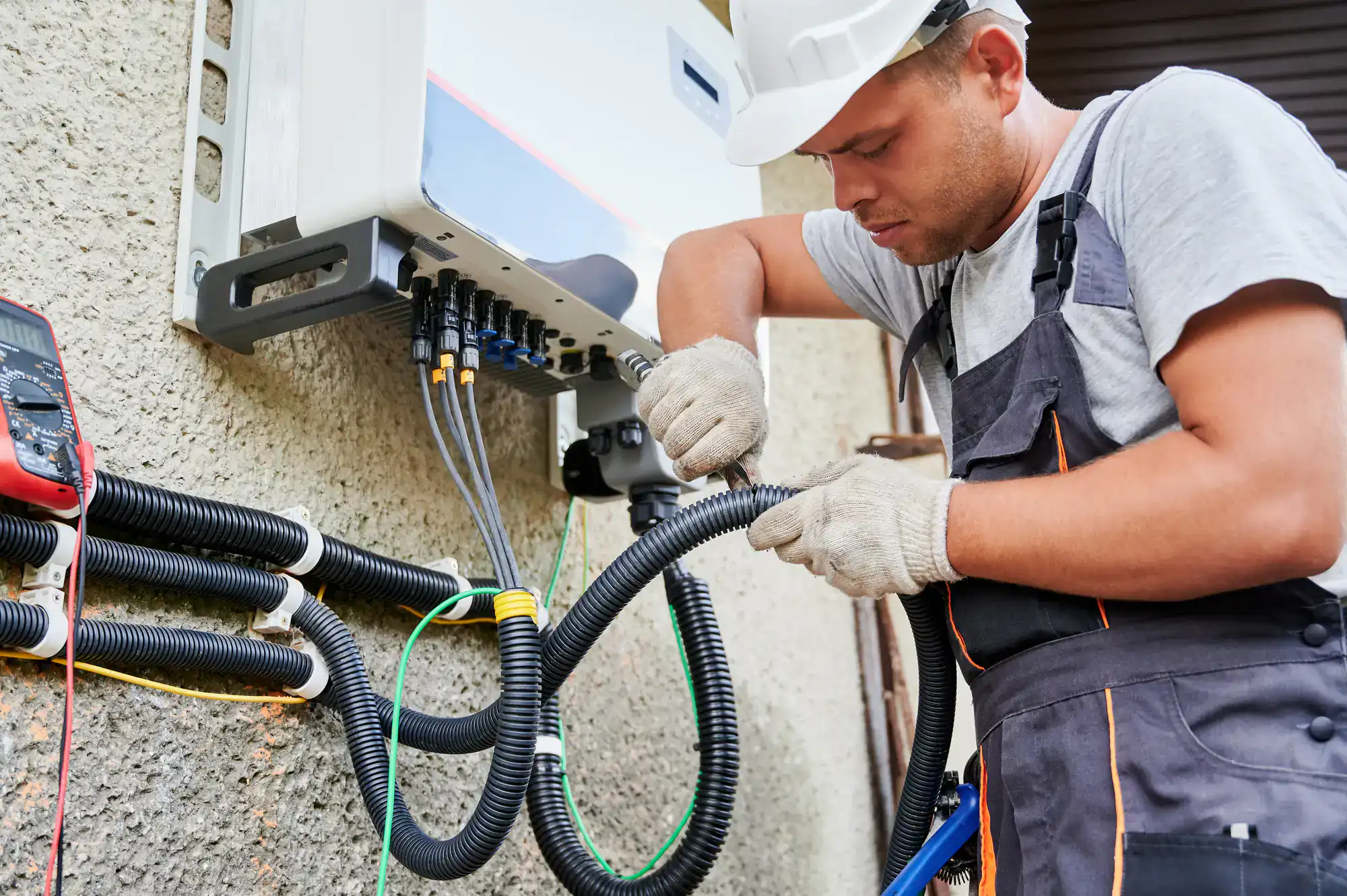
The first step is a site assessment and load calculation. This is where the right generator size gets determined for your specific home — not a guess, not a one-size-fits-all recommendation. If you’re in the Cloverdale Road area or on a rural property near Creswell with a well pump, that load gets factored in. The goal is a system sized to keep your household running comfortably, not just barely.
From there, we handle the permitting. In Creswell, electrical permits run through the City of Creswell’s building department, and Oregon law requires a licensed electrician and an active permit for any generator connection. That’s not optional, and any installer who skips it is cutting a corner that voids your manufacturer warranty and creates liability for you. We pull the permit, coordinate the inspection, and handle the process from start to finish.
The physical installation — the concrete pad or gravel base, the generator unit, the transfer switch, the fuel line connection — typically takes one day once everything is in place. But the full process from first call to final inspection usually takes several weeks, between permitting timelines, gas line coordination, and inspection scheduling. If you’re thinking about this because storm season is coming, the time to start is now, not after the first ice warning shows up on your weather app.
Emergency Generator Installation Creswell Oregon
We install standby whole-house generators, portable generator setups, and backup systems for residential and commercial properties. Every installation starts with a customized approach — because a rural property on the edge of Creswell with a well pump and a larger electrical load needs a different solution than a newer home in Emerald Valley West. There are no cookie-cutter installs here.
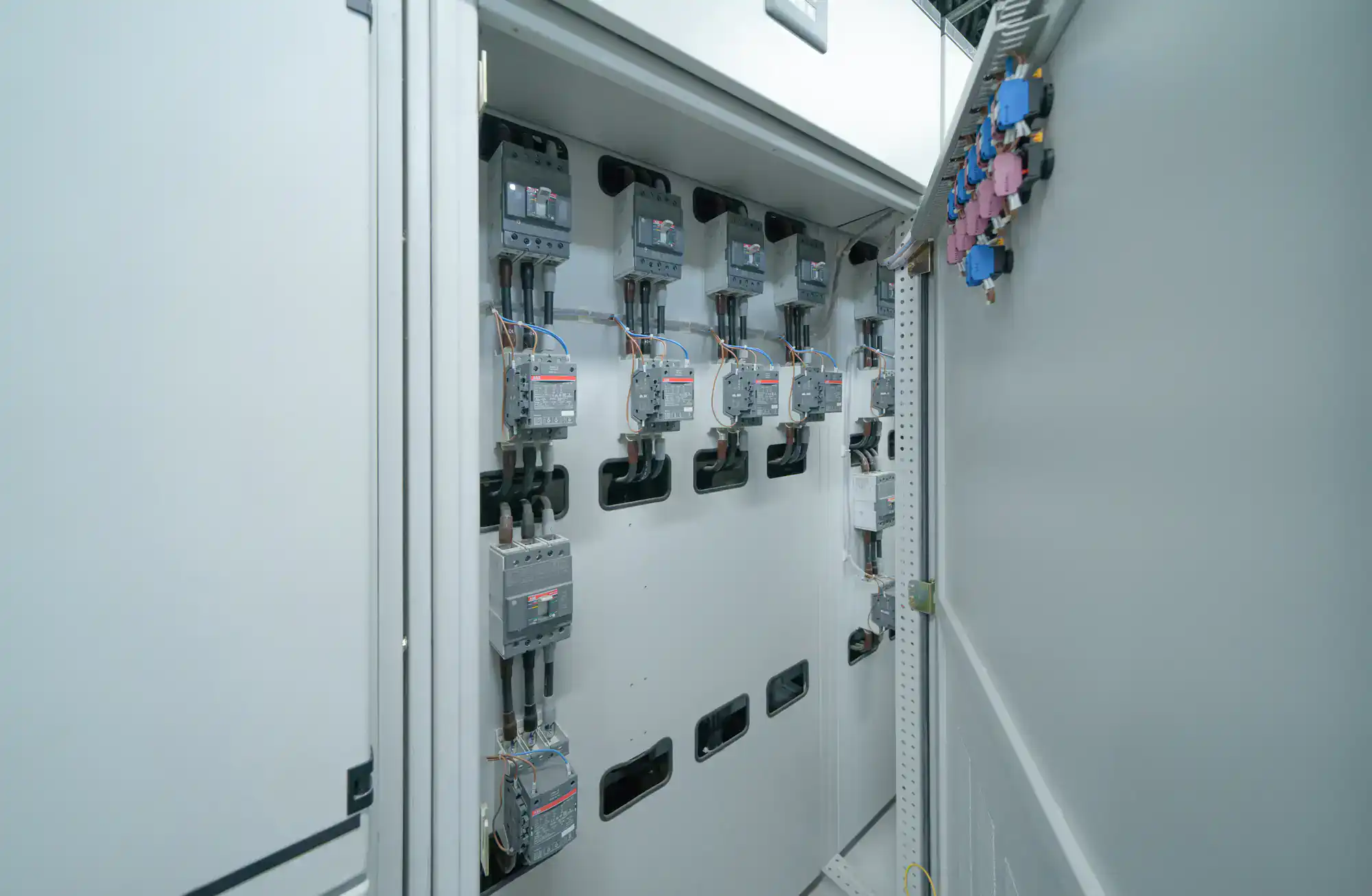
The transfer switch is a required part of every generator connection under Oregon’s Electrical Specialty Code. It’s what prevents back-feeding onto EPUD’s lines when the generator is running — a real safety issue, not just a paperwork formality. We install code-compliant automatic transfer switches as a standard part of the job, so when the power goes out, the switchover happens without you touching anything.
For Lane County homeowners on EPUD’s system, the combination of rural distribution lines and the region’s documented ice storm history makes generator sizing especially important. A system that’s too small won’t carry your full load. A system that’s too large costs more than it needs to. Our load calculation process gets that number right before anything gets ordered or installed. The result is a system that works when you need it — not one you’re second-guessing the first time a real storm rolls through.
Does generator installation in Creswell require a permit from the city?
Yes — and this applies throughout Oregon, not just in Creswell. Under the Oregon Electrical Specialty Code, any generator connection requires a permit and must be completed by a licensed electrical contractor. In Creswell, that permit runs through the City of Creswell’s building department. The permit process exists because the work involves connecting to your home’s electrical panel and to the utility grid, and an improperly installed connection can back-feed onto EPUD’s lines — which is dangerous for utility workers and for your neighbors.
Some contractors skip the permit to move faster or keep costs down on their end. That shortcut voids your generator’s manufacturer warranty and puts the legal liability on you as the homeowner. We pull the permit on every job, attend the inspection, and make sure the installation passes before the project is considered finished. That’s how it’s supposed to work, and it’s how we do it.
What size generator do I need for my Creswell home?
The right size depends on what you want the generator to power and what your home’s actual electrical load looks like. A standard home in Creswell that needs to run heating, lighting, a refrigerator, and basic appliances will have different requirements than a rural property on Cloverdale Road that also has a well pump, a larger panel, or additional outbuildings. Sizing isn’t something you should guess at — an undersized generator won’t carry your full load, and an oversized one costs more upfront than it needs to.
The way to get this right is a proper load calculation done before anything is ordered. We walk through what circuits you need covered during an outage, calculate the actual load, and recommend a system sized specifically for your property. For Creswell homeowners with well pumps — which is a real consideration for properties in the surrounding rural areas — getting the pump load factored in from the start is especially important, because losing water during an outage is a much bigger problem than losing lights.
How long will I be without power during a generator installation?
The physical installation typically takes one day — somewhere in the range of four to eight hours for the generator unit, transfer switch, and connections. During that window, there will be a planned outage to your panel while the transfer switch is being connected. We’ll walk you through the timing before work starts so you can plan around it.
What takes longer is the full process from initial contact to a completed, inspected installation. Permitting, gas line coordination, equipment lead times, and inspection scheduling all add time — and in Lane County, where EPUD outage history has made generator demand a real thing, installer schedules can fill up quickly after a major weather event. If you’re motivated by what happened during the January 2024 ice storm and want to be ready before next winter, starting the process in summer or early fall gives you the best chance of having everything in place before the weather turns.
What's the difference between a standby generator and a portable generator?
A standby generator is permanently installed outside your home, connected to your electrical panel through an automatic transfer switch, and runs on natural gas or propane. When the power goes out, it detects the outage and starts automatically within seconds — no one has to go outside, flip a switch, or run extension cords. It can power your entire home, including a well pump, for as long as the outage lasts.
A portable generator requires manual setup every time you need it. You have to start it yourself, store fuel ahead of time, and run extension cords to individual appliances. Portable units also cannot be run inside or in a garage due to carbon monoxide risk, which means setting one up during an ice storm means going outside in bad weather. For Creswell homeowners who lived through the January 2024 event — where some streets were without power for nearly two weeks — the difference between automatic standby power and manually managing a portable unit in freezing conditions is significant. A standby system handles it while you stay inside.
Is a whole house generator worth it for a home in Creswell?
For most Creswell homeowners, the math works out clearly in favor of yes. Start with the January 2024 ice storm — EPUD named Creswell as one of the hardest-hit areas, with some streets waiting until January 27-29 for restoration. A multi-day outage in winter means lost food, potential pipe damage if heat fails, hotel costs if the house gets too cold, and no running water if you’re on a well. Those costs add up fast and they’re not hypothetical — they already happened here.
Then add the long-term picture. A standby generator increases home value by 3-5% according to Consumer Reports and multiple real estate sources. On a Creswell home at the current median sale price, that’s a meaningful bump in equity. The generator itself lasts 20 to 40 years with proper annual maintenance, which runs around $200 to $600 per year. Spread that over two or three decades, and the cost per year of protection is low relative to what a single bad outage can cost you.
How does Young Electric handle generator installation for rural properties near Creswell?
Rural and semi-rural properties around Creswell — out along Cloverdale Road, near Creswell Butte, or in the areas farther from the city center — tend to have a few things in common that affect how a generator installation gets planned. Well pumps are common, panel configurations vary, and the properties are often on longer distribution lines that are among the first to go down and the last to come back up when EPUD is working through storm damage across Lane County.
We approach every rural installation with a load calculation that accounts for the full picture — well pump, heating system, panel size, and any other critical circuits. The site selection for the generator unit also matters on larger properties, where the placement relative to the gas line, the panel, and any outbuildings affects both the installation cost and the long-term serviceability of the system. The goal is a setup that functions reliably for decades, not just one that passes inspection. We’re licensed and bonded in Oregon, handle all permitting through the appropriate local authority, and back every installation with a five-year warranty — whether the property is inside Creswell’s city limits or out on the rural edge of Lane County.
Useful Links