
Generator Installation in Canby, OR
When Canby's Grid Goes Down, You Stay On
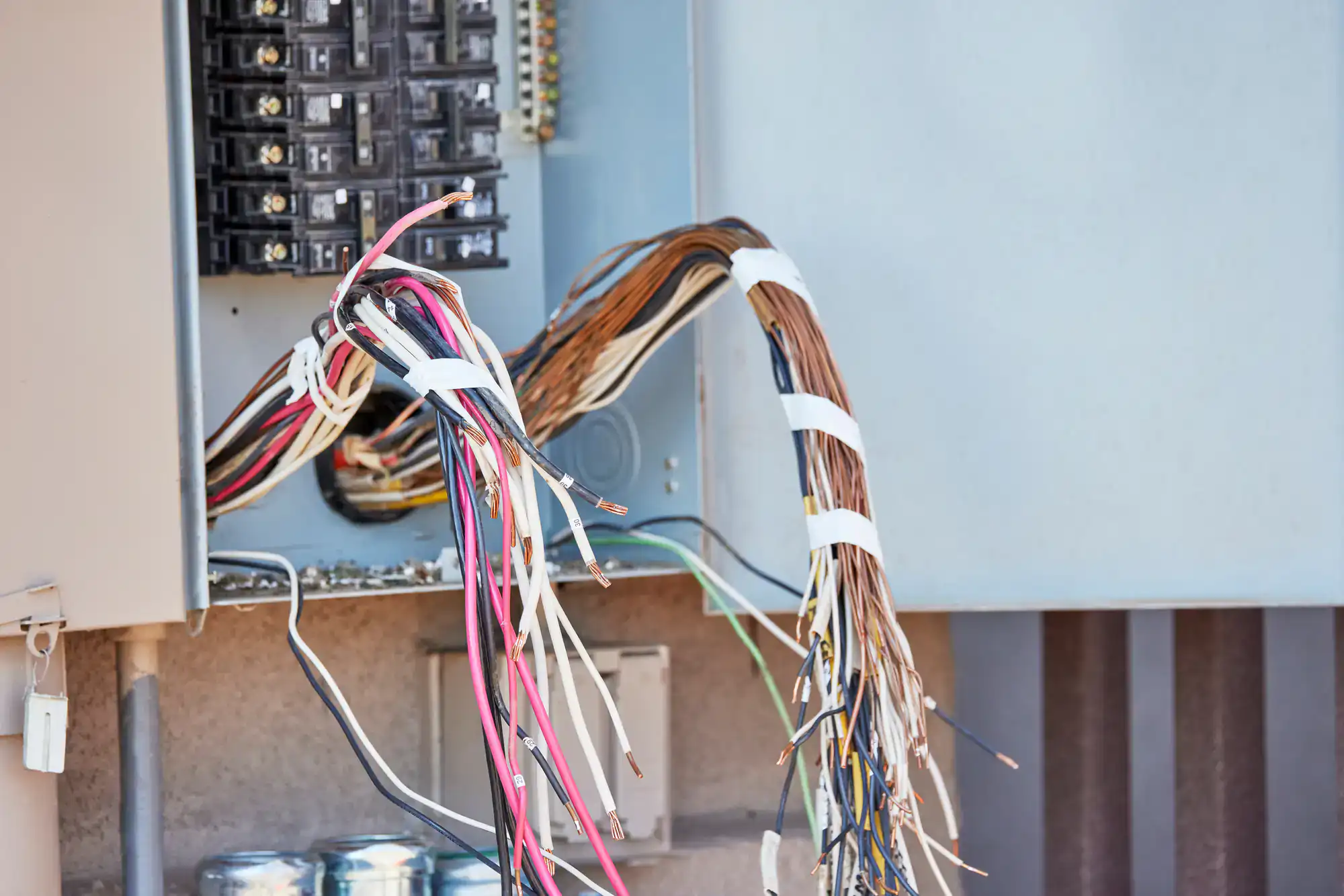
Hear from Our Customers
Backup Generator Installation, Canby OR
Most Canby residents have already lived through at least one of these: the Westcott Substation going down and pulling 7,000 customers with it, a September transmission failure that knocked out most of the city, or a winter storm that took both substations offline at the same time. These aren’t rare events. They’re a documented pattern tied to how Canby receives its power from PGE’s transmission infrastructure.
Until that changes at the transmission level, the only protection actually within your control is what sits in your own yard.
A whole house generator changes what the morning after an outage looks like. Your heat stays on. Your refrigerator keeps running. If someone in your home depends on medical equipment, it doesn’t stop. If you work from home — common in Canby — you don’t lose a day of income. The system detects the outage and starts within seconds, automatically, whether you’re awake or asleep.
For homeowners in Canby’s established neighborhoods, where older homes sit under mature trees near the Molalla River corridor, the stakes are real. Frozen pipes in a cold snap, a failed sump pump in a low-lying property, food loss after a three-day outage — these aren’t hypothetical costs. A properly installed standby generator removes them from the equation entirely.

Ready to get started?
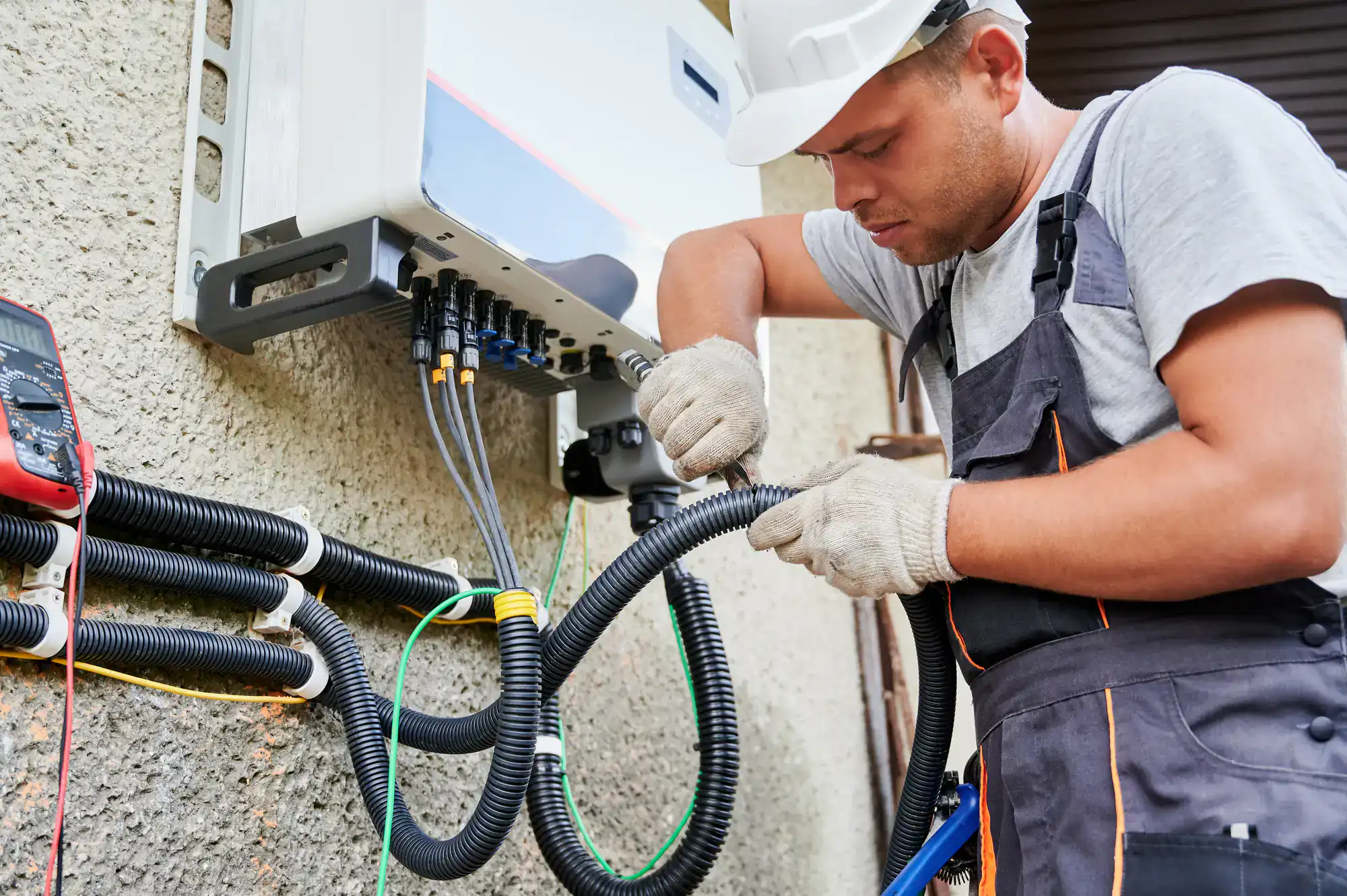
Whole House Generator Installer, Canby OR
Young Electric LLC is a second-generation, veteran-owned electrical contractor based in Clackamas County — the same county as Canby, roughly 15 miles south along the OR 99E corridor. We’ve been doing this since 2007, and our team carries over four decades of combined electrical experience across residential, commercial, and industrial work.
Being veteran-owned isn’t a tagline here. It reflects how we actually do the work — permits pulled, inspections attended, installations done correctly the first time. Every generator installation we complete comes backed by a five-year warranty on the workmanship. That’s not standard in this industry — most local contractors offer one year. The difference matters when you’re making a $10,000 to $20,000 investment in your home.
Canby residents tend to know the difference between a company with roots and one that showed up last season. We’ve been serving the Clackamas County corridor long enough to understand the local permit process, the Canby Utility grid structure, and the specific conditions that make backup power a practical necessity here — not a luxury.
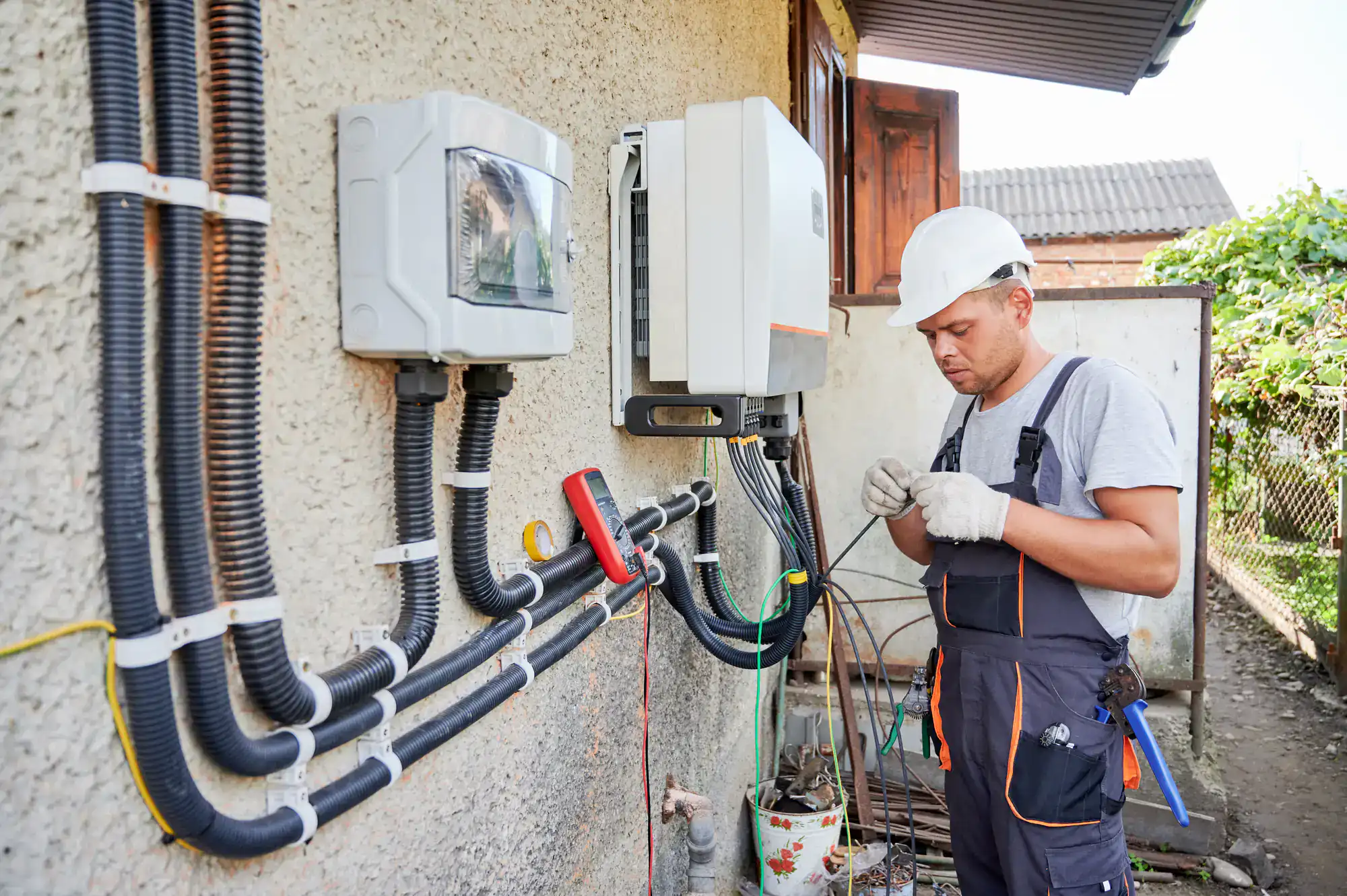
Home Generator Installation Process, Canby OR
The first step is a site assessment. We come out to evaluate your home’s electrical panel, identify the right generator size based on your actual load — not a generic estimate — and determine the best placement for the unit on your property. Sizing matters. Too small and you’re leaving critical systems unprotected. Too large and you’ve overspent. The load calculation is where a quality installation starts.
From there, we handle the permitting. Oregon law requires a licensed electrician and a permit for any generator connection — no exceptions. Any installer who skips that step is cutting a corner that can void your manufacturer warranty and create real liability if something goes wrong. In Clackamas County, we manage that process as a standard part of the job. If your installation involves gas line coordination, that gets handled in sequence as well.
The physical installation typically takes one day — four to eight hours for the unit, the concrete or gravel pad, the transfer switch, and all the wiring. But from your first call to a completed, inspected system, expect the full process to take several weeks. That timeline is the honest one, and it’s why fall — before Canby’s ice storm season sets in — is the right time to start the conversation, not after the first outage of the year.
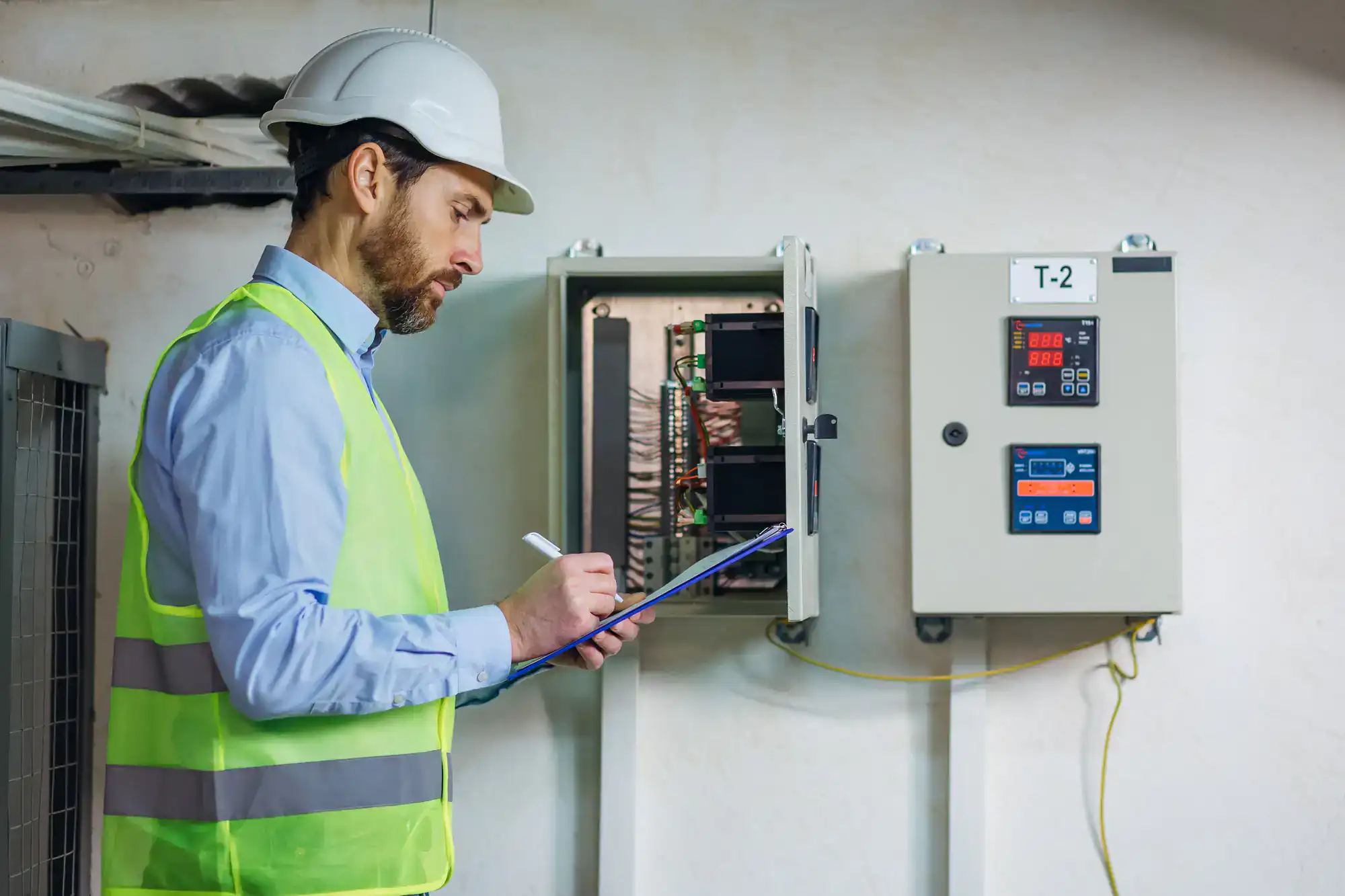
Emergency Generator Installation, Canby OR
Generator installation in Canby isn’t a single task — it’s a coordinated process, and we handle all of it. That includes system selection help if you’re not sure what size or type fits your home, the physical installation of the unit, transfer switch installation, all required permitting through Oregon’s Building Codes Division, and inspection coordination. You don’t have to manage multiple contractors or figure out which pieces are your responsibility.
For Canby homeowners, the transfer switch is particularly important. Oregon’s Electrical Specialty Code requires one — it’s what prevents your generator from back-feeding into the grid and creating a hazard for utility workers trying to restore power. Canby Utility operates its own distribution grid, but the same state code applies. We install automatic transfer switches as standard, meaning the system switches over without any action required from you.
We work on all generator sizes and types — from portable generator setups to full standby whole-house systems running on natural gas or propane. If your property includes a greenhouse, cold storage, or any agricultural operation — common in the Canby area given its nursery industry roots — commercial generator backup is also within scope. Whatever the installation requires, the five-year workmanship warranty covers it.
Do I need a permit to install a backup generator in Canby, OR?
Yes, and this isn’t optional. Oregon’s Electrical Specialty Code requires a permit for any generator connection, and the work must be performed by a licensed electrical contractor. This applies statewide — including in Canby, where Canby Utility operates the local distribution grid but Oregon’s state code still governs the installation requirements.
The permit process exists for good reasons. It ensures the transfer switch is installed correctly to prevent back-feeding into the grid, which protects utility workers during outage restoration. It also protects you — an unpermitted installation can void your generator’s manufacturer warranty and create liability if the system causes damage or injury. When you work with us, permit coordination is part of the job. You don’t have to figure that out separately.
What size whole house generator do I actually need for my home?
The honest answer is that it depends on your home’s specific electrical load — and the only way to know for sure is a proper load calculation. That means adding up the wattage requirements of everything you want to run during an outage: your HVAC system, refrigerator, well pump if you have one, lights, medical equipment, and anything else that’s critical for your household.
For most Canby homes, a system in the 14kW to 22kW range covers the full house comfortably. Smaller homes or homeowners who only need to protect essential circuits can work with less. Larger properties or homes with high-draw appliances may need more. We start every installation with a site assessment and load calculation — not a guess based on square footage — so the system you get is sized for your actual needs, not the average home.
How long does the full generator installation process take in Canby?
The physical installation — setting the unit, pouring or preparing the pad, running the transfer switch wiring, and making all the connections — typically takes one day, somewhere between four and eight hours depending on the complexity of the job. But the full process from first call to a completed, inspected, and operational system takes several weeks.
That timeline includes the site assessment, permit application and approval through Oregon’s Building Codes Division, any gas line coordination if the unit runs on natural gas, and the final inspection. In Canby, where Canby Utility’s grid is dependent on PGE’s transmission infrastructure and outages can happen in any season, starting the process before storm season — not during it — is the practical move. Lead times get longer once the first major weather event of fall or winter hits and everyone else is calling at the same time.
What's the difference between a standby generator and a portable generator for a Canby home?
A portable generator requires you to set it up manually — during the outage, in whatever weather caused the outage in the first place. It needs fuel on hand, it connects through extension cords or a manual transfer switch, and it can’t power your whole house. It also can’t start on its own. If the power goes out at 2 AM during a freezing rain event on the Willamette Valley floor, you’re the one going outside to get it running.
A standby generator is permanently installed, connected to your home’s electrical system through an automatic transfer switch, and runs on natural gas or propane from a supply line. When the power goes out, it detects the outage and starts within seconds — automatically, without any action from you. For Canby residents dealing with transmission-level outages that can last hours or days, the difference between those two options is significant. Standby systems are also quieter, safer, and don’t require you to store fuel.
Is a whole house generator actually worth the cost for a Canby homeowner?
That depends on what you’re protecting and what your risk exposure looks like. For Canby specifically, the risk exposure is documented and recurring — the Westcott Substation outage in March 2026 affected roughly 7,000 customers, a September 2026 transmission failure knocked out most of the city, and the 2021 winter storm left rural customers surrounding Canby facing restoration estimates of up to nine days. These aren’t edge cases.
On the financial side, a standby generator adds 3% to 5% to your home’s resale value — on a $400,000 home, that’s $12,000 to $20,000 in added value before you count a single hour of protection. Against that, weigh what one bad outage actually costs: food loss, hotel stays, pipe damage in a cold snap, lost income if you work from home. A system that lasts 20 to 40 years with proper maintenance starts to look less like an expense and more like a long-term investment in the home you’ve built here.
How does a standby generator handle Canby's winter weather outages specifically?
Canby sits in the Willamette Valley floor, bordered by the Willamette and Molalla Rivers — a geography that makes it a reliable target for the Pacific Northwest’s most damaging winter weather pattern: freezing rain. Unlike snow, freezing rain accumulates silently on power lines and tree branches until they fail. By the time you know it’s a problem, the lines are already down.
A standby generator doesn’t care why the power went out. The moment the system detects a loss of grid power — whether it’s a transmission line failure on PGE’s system, a feeder contact from a fallen branch in a windstorm, or a substation equipment failure — it starts automatically. Your heat keeps running, your pipes stay protected, and your household continues normally. For Canby homeowners in established neighborhoods with mature trees and older homes, that automatic response during the exact conditions that make going outside dangerous is the core value of the system.
Useful Links