
Hot Tub Electrical Installation in West Linn, OR
West Linn's Hillside Lots Need More Than a Standard Quote

Hear from Our Customers
Hot Tub Wiring in West Linn
Most homeowners calling about hot tub electrical installation in West Linn already have the tub picked out or sitting in the driveway. What they don’t have is a clear picture of what the electrical job actually involves on their specific property. That’s the part that tends to surprise people — and it doesn’t have to.
West Linn’s terrain is the main factor most electricians underestimate on a first call. Homes in Barrington Heights, Rosemont Summit, Savanna Oaks, and similar hillside neighborhoods often have the main electrical panel at the lower level or garage, while the ideal hot tub spot is on a deck or patio that sits significantly higher and farther away. That’s not a flat-lot job. A proper site assessment before quoting changes everything — you get a number that reflects the actual run distance, the actual conduit path, and the actual terrain, not a ballpark that falls apart once someone sees the property.
The other thing worth knowing upfront: a lot of West Linn’s older housing stock — particularly homes in the Willamette historic district and Bolton — was built on 100-amp service panels that weren’t designed for modern electrical loads. If your home is in that category, a panel evaluation is part of the estimate, not an afterthought. You’ll know what you’re working with before any commitment is made.
Ready to get started?

West Linn Hot Tub Electrician
Young Electric LLC is a second-generation, family-owned electrical contractor serving the Portland Metro area, including West Linn and the broader Clackamas County corridor. Jeremy Young grew up in the trade — the institutional knowledge behind every installation we complete goes back decades, not just a few years in business.
We hold both a CCB license and a BCD electrical license through Oregon’s Building Codes Division — the two credentials Oregon law requires for this type of work. With over 1,400 Google reviews averaging 4.8 stars and a BuildZoom score that places us in the top 1% of all Oregon contractors, our track record speaks plainly. West Linn homeowners protecting a significant investment in their property tend to research carefully before hiring, and that research holds up here.
We also back every hot tub electrical installation with a 5-year warranty on labor. No other electrician serving West Linn advertises that commitment. It means the job is done right the first time — and if something isn’t, we fix it.
240V Hot Tub Wiring West Linn
It starts with a free estimate and a real site visit. On a West Linn property, that means walking the lot, identifying where the panel is, where the tub is going, and what the run between them actually looks like. On a hillside lot, that assessment matters more than almost anything else — it determines the wire length, the conduit routing, whether trenching through sloped terrain is involved, and whether the existing panel has the capacity to support a dedicated 240V/50-amp circuit. You get a clear quote based on what’s actually there.
Once the scope is confirmed, we file the permit. In West Linn, electrical permits are issued through Clackamas County — not the city. We know this process and handle it directly. The county’s Building Codes Division schedules the inspection, and the work doesn’t get signed off until it passes. That step protects you — unpermitted electrical work can create real problems at resale and can affect homeowner’s insurance coverage if a claim ever comes up.
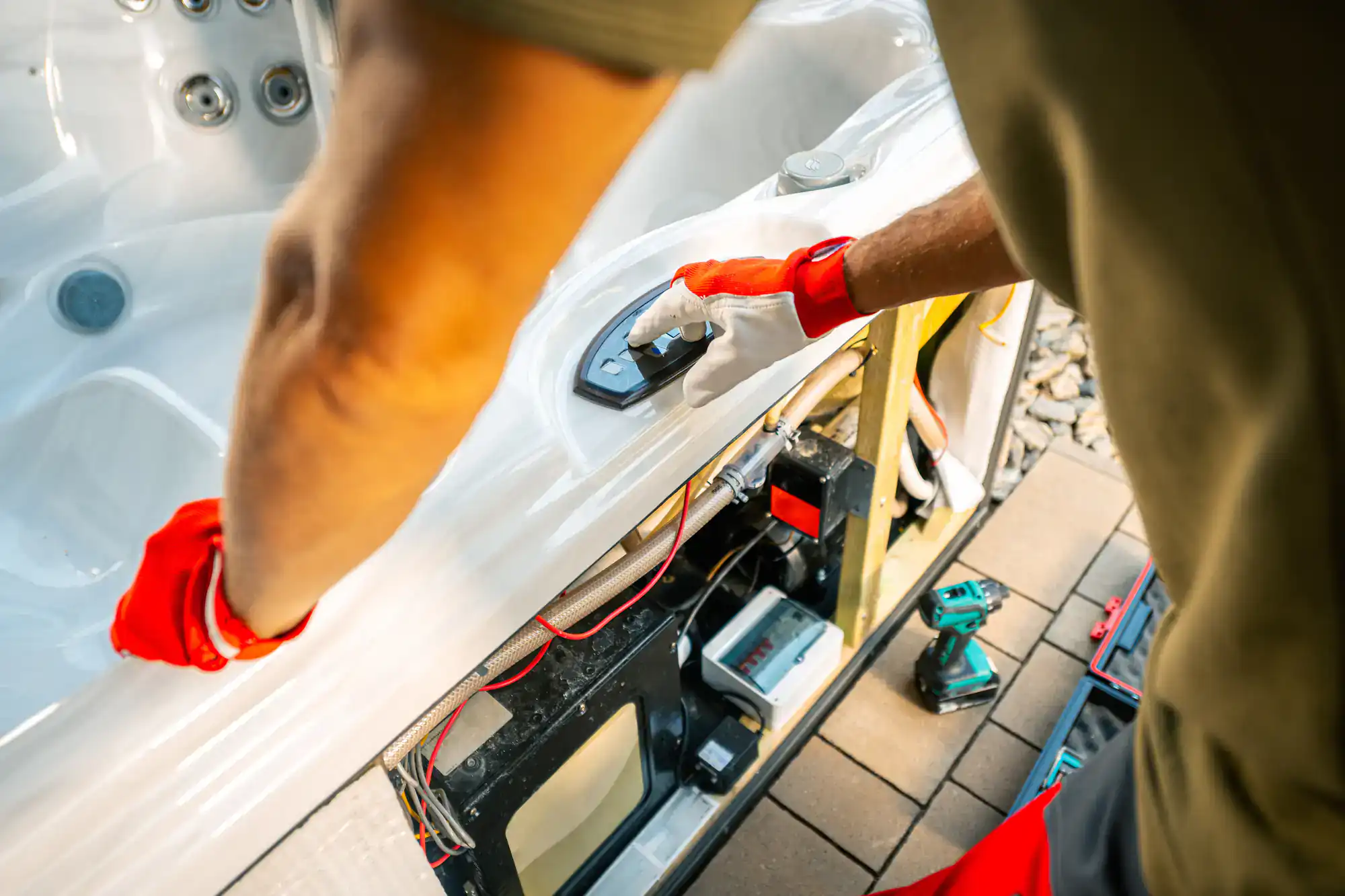
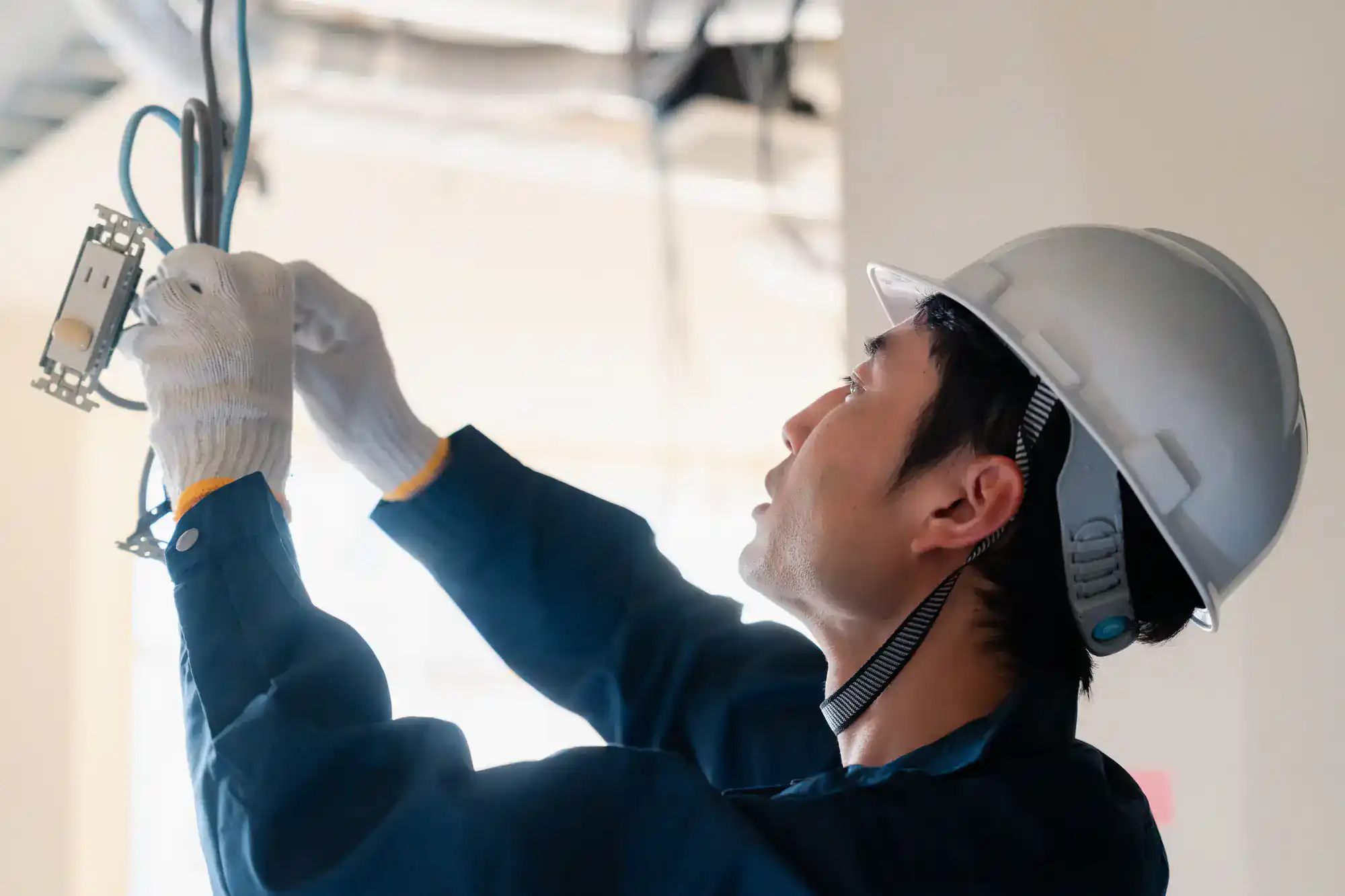
The installation itself follows NEC Article 680 and Oregon’s current Electrical Specialty Code. That means a dedicated circuit, a properly sized GFCI breaker, a weatherproof disconnect placed at the right distance from the tub, and full equipotential bonding of all metal components. Every step is done to code and confirmed by inspection. When it’s finished, you have documentation that the work was done correctly — and a 5-year labor warranty behind it.

Jacuzzi Wiring and Hot Tub Electrician West Linn
Every hot tub electrical installation in West Linn starts with a panel assessment. Given that a meaningful share of homes here — especially in Willamette, Bolton, and older parts of Hidden Springs — are running on 100-amp service panels, this isn’t optional. If the panel can’t support the new circuit, you’ll know that before the job begins, along with what a subpanel or service upgrade would involve. No surprises mid-project.
From there, the work covers everything the job requires: a dedicated 240V circuit sized correctly for your specific hot tub, a Class A GFCI breaker, weatherproof conduit routed through whatever terrain your lot presents, and a code-compliant disconnect installed at the right distance from the tub. For hillside properties along the OR-43 corridor — Barrington Heights, Skyline Ridge, Parker Crest — that conduit routing often involves longer runs and more complex trenching than a standard flat-lot installation. The quote reflects that reality upfront.
Permit filing with Clackamas County and coordination of the required electrical inspection are part of the process, not extras you have to figure out on your own. West Linn’s wet, cool climate means your hot tub is a year-round amenity — roughly 39 inches of rain annually and winters that run cool from November through March make a properly weatherproofed, inspected installation worth every bit of the effort. We also hold Tesla Certified Electrical Contractor status, which means if an EV charger is on the list alongside the hot tub, that’s handled by the same qualified team.
Who issues electrical permits for hot tub wiring in West Linn, Oregon?
This is one of the most important local details to get right, and it catches a lot of homeowners and even some contractors off guard. In West Linn, electrical permits are not issued by the city — they go through Clackamas County’s Building Codes Division. The city’s own permit guide states this plainly, and the county can be reached directly at 503-742-9240 for electrical inspection scheduling.
What this means practically is that a contractor who isn’t familiar with West Linn’s permit process may either skip the permit entirely or file it incorrectly. Either situation leaves you exposed. Unpermitted electrical work can void your homeowner’s insurance coverage and create complications when you sell the home — and in a market where West Linn properties are valued well above $700,000, that’s not a risk worth taking. We handle the Clackamas County permit process directly, file everything correctly, and coordinate the required inspection so the work is properly documented from start to finish.
Does my West Linn home's electrical panel need an upgrade before installing a hot tub?
It depends on the home, and the only way to know for certain is to evaluate the panel before the job is quoted. In West Linn, this matters more than it does in newer suburban markets. Homes in the Willamette historic district were built as far back as the 1880s, and Bolton’s mid-century ranch homes date from the 1950s and 60s. Many of these properties still operate on 100-amp service panels — panels that were sized for a much simpler electrical era, long before EV chargers, heat pumps, and home offices became standard loads.
A 240V hot tub circuit draws 50 amps on a dedicated breaker. If your panel is already running close to capacity, adding that load without an upgrade creates a safety issue and will likely fail inspection. We evaluate your panel as part of the free estimate, so you know exactly where you stand before committing to anything. If a subpanel or service upgrade is needed, that gets factored into the quote upfront — not discovered halfway through the job.
How does the hillside terrain in West Linn affect hot tub electrical installation costs?
West Linn’s topography is one of the most significant variables in pricing a hot tub electrical installation here, and it’s something a lot of homeowners don’t anticipate when they get their first quote over the phone. On a flat lot, the run from the main panel to the hot tub location might be 30 to 40 feet. On a hillside property in Barrington Heights, Rosemont Summit, or Savanna Oaks, that same run can stretch to 80 or 100 feet — and it may involve routing conduit through sloped terrain, navigating landscaped areas, or trenching through West Linn’s clay-heavy soil.
Longer wire runs require more material, more labor, and more careful planning to ensure voltage drop stays within acceptable limits at the tub’s location. The conduit also needs to be properly buried and weatherproofed for Oregon’s rainy winters. This is why a site visit is essential before any quote is finalized. An electrician who quotes hot tub wiring in West Linn without seeing the property is guessing — and that guess usually goes up once the actual run distance is measured.
What size breaker does a 240V hot tub need, and what type is required?
Most full-size 240V hot tubs require a 50-amp dedicated circuit, though some models specify 60 amps — always check the manufacturer’s documentation for your specific unit before installation begins. The breaker type matters just as much as the size. Oregon’s Electrical Specialty Code, which was updated effective October 1, 2023, requires a Class A GFCI breaker for all outdoor spas and hot tubs. A standard circuit breaker protects equipment from overloads — it does not protect people from electrocution. A GFCI breaker detects ground faults and cuts power within milliseconds. In a wet environment, that distinction is the difference between a safety system and no safety system at all.
The circuit must be dedicated — nothing else can share that breaker. Not outdoor lighting, not a garage outlet, not anything. This is a code requirement under NEC Article 680, not a preference. We size and install the breaker correctly for your specific hot tub model and ensure the GFCI protection meets Oregon’s current code requirements, which are verified at the final inspection through Clackamas County.
How far does the disconnect box need to be placed from the hot tub?
NEC Article 680 requires the emergency disconnect — sometimes called the spa panel or shutoff box — to be placed no closer than 5 feet from the hot tub and no farther than 15 feet away, within line of sight and readily accessible. It must be outdoor-rated and weatherproof. This placement requirement exists so someone can quickly cut power to the tub in an emergency without having to reach across or around the tub itself.
On West Linn hillside properties, disconnect placement can require some planning. Deck layouts, landscaping, fencing, and the elevation difference between the tub and the surrounding area all affect where the box can be mounted and how it gets wired. A disconnect that’s placed incorrectly — too close, too far, or not in line of sight — will fail inspection. We determine the correct placement during the site assessment, before any conduit is run, so the install goes in right the first time and passes Clackamas County’s inspection without a return visit.
Does improper hot tub wiring affect my homeowner's insurance in West Linn?
Yes, and this is worth understanding before you hire anyone. Most homeowner’s insurance policies in Oregon require that electrical work be permitted and inspected. If a claim is ever tied to electrical work that was done without a permit — a fire, a shock incident, water damage from a failed component — the insurance company has grounds to deny coverage based on the unpermitted installation. In a market like West Linn, where homes regularly carry values above $770,000, that exposure is significant.
There’s also a resale consideration. When you sell, buyers and their inspectors look at permit history. An unpermitted hot tub electrical installation shows up as a gap in the record, and it typically requires remediation before closing — which means either pulling a permit after the fact, having the work inspected and potentially redone, or negotiating a price reduction. None of those outcomes are cheap or convenient. The permit and inspection process through Clackamas County exists to protect you, not to create paperwork. We handle that process from start to finish, so the documentation is clean and the work is covered.
Useful Links