
Electrical Panel Upgrade in Cedar Hills
Cedar Hills Homes Built for 1963 Need Panels for Today

Hear from Our Customers
Breaker Panel Upgrade Cedar Hills, OR
When your panel is undersized for the life you’re actually living, the symptoms show up slowly — a breaker trips when two appliances run at once, an outlet feels warm, or your electrician tells you the panel won’t support an EV charger. It’s not always dramatic. But it’s a problem that doesn’t fix itself.
An electrical panel upgrade gives your home the capacity it needs to run reliably and to handle whatever you’re planning to add next. For Cedar Hills homeowners who commute to Nike or Intel and drive an EV home, that often means a panel that can finally support a Level 2 charger without tripping the breaker every time. For homeowners thinking about a Tesla Powerwall or a heat pump, it means the foundation is in place before the next installer shows up.
Cedar Hills’ housing stock is one of the oldest in Washington County. The median year built for homes here is around 1961, which means a lot of panels in this neighborhood are 55 to 70 years old — well past the 25 to 40 year service life that most electrical panels are designed for. A properly sized upgrade doesn’t just solve today’s problem. It sets your home up for the next 20 to 30 years.

Ready to get started?
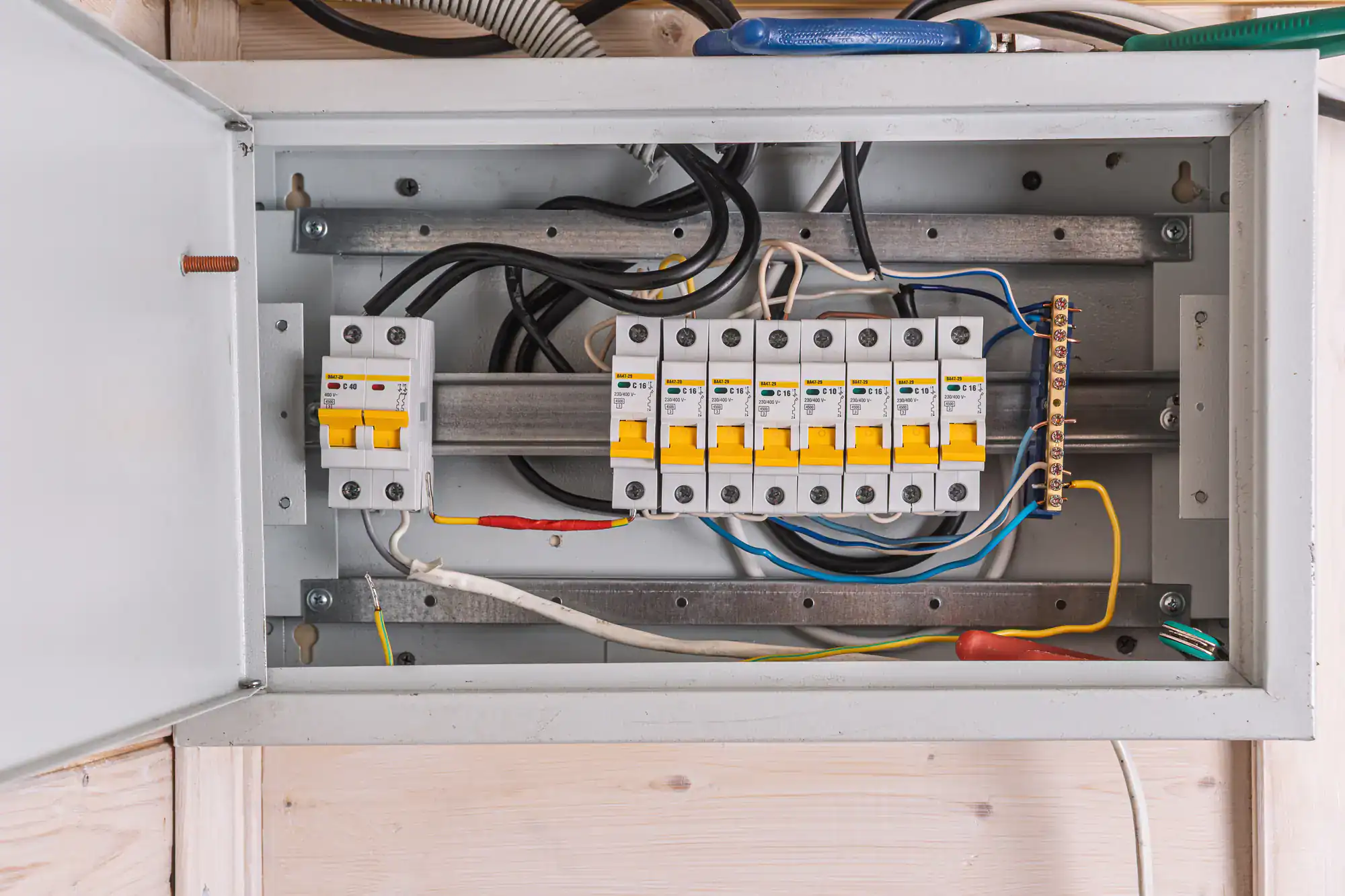
Licensed Electrician Cedar Hills, Oregon
Young Electric LLC is a family-owned electrical contractor that has been doing this work for over 40 years across two generations. That means we’ve seen every variation of mid-century wiring in Cedar Hills homes, every brand of outdated panel from the 1950s and 1960s, and every kind of electrical load that was never anticipated when these neighborhoods were built.
We hold both a CCB license and a BCD electrical contractor license — the two credentials Oregon requires for any permitted panel work. We pull the permits, coordinate the inspection, and deliver work that’s fully documented. For Cedar Hills homeowners in unincorporated Washington County, that means the permit goes through Washington County Building Services, not a city building department — and we know the difference.
With a 4.8 out of 5 rating across more than 1,400 Google reviews, our track record is easy to verify. Every installation comes with a 5-year labor warranty — something you won’t find advertised by most electricians serving the Cedar Hills area.
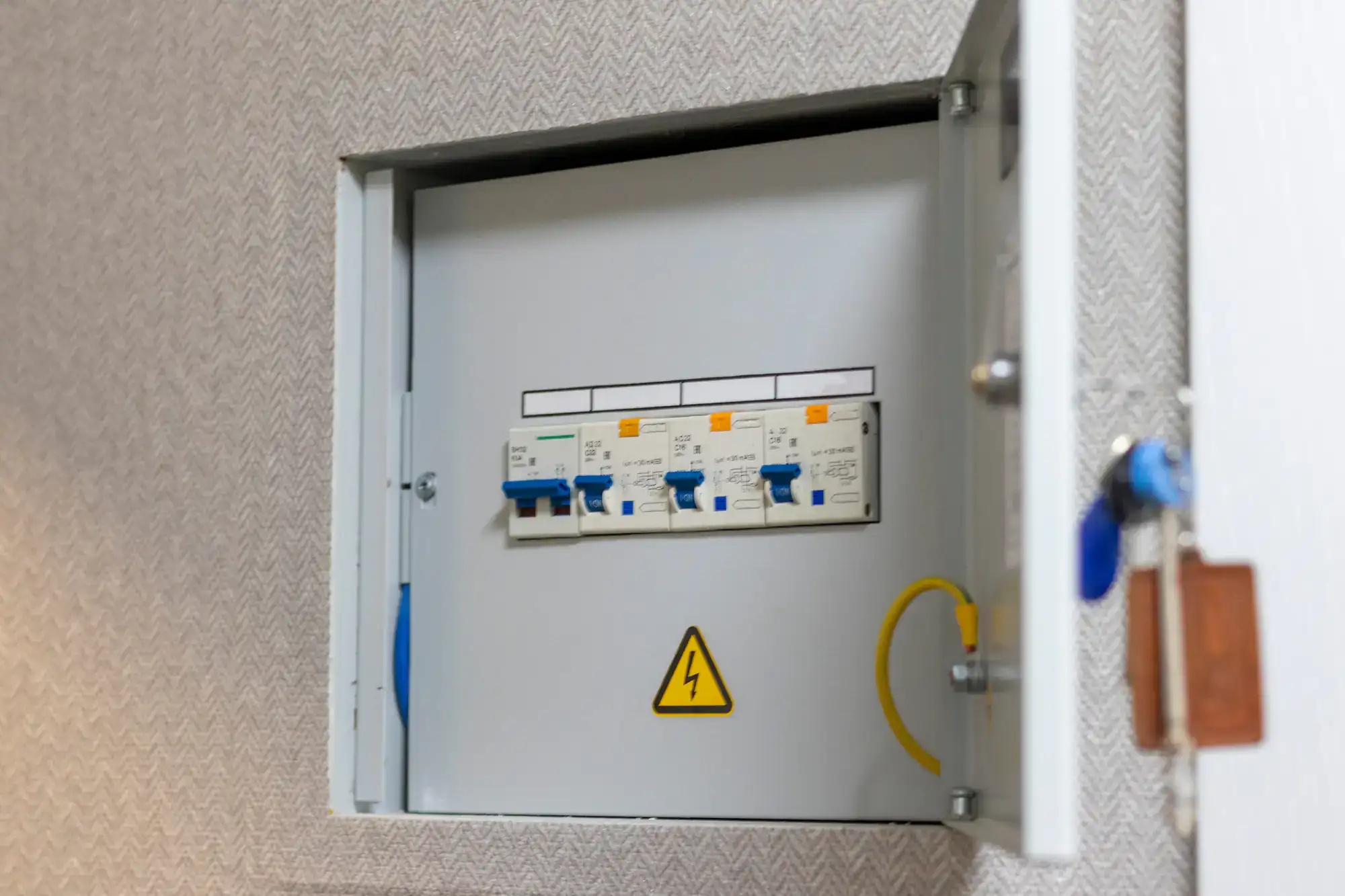
Electrical Panel Installation Cedar Hills, OR
It starts with a free estimate. We assess your existing panel, ask what you’re planning to add or change, and give you a clear picture of what the upgrade involves and what it costs — before you commit to anything. No pressure, no guesswork.
Once you decide to move forward, we handle the permit application through Washington County Building Services. Cedar Hills is unincorporated Washington County, which means the permit process runs through the county — not through Beaverton or Portland. We also coordinate with PGE for the meter pull, which has to happen before the work begins.
On installation day, your power will be off while the work is done — typically for several hours. Most residential panel upgrades are completed in a single day, and power is restored before you’re done for the evening. After the installation, a county inspection is scheduled to verify the work meets Oregon’s building code. We handle that coordination too. When it’s done, you have a fully permitted, inspected, and warranted panel upgrade — the kind that holds up when you sell the house or file an insurance claim.

Electrical Panel Replacement Cedar Hills, Oregon
An electrical panel upgrade from us covers the full scope — not just the hardware. That means the assessment, the permit pulled through Washington County, the utility coordination with PGE, the installation itself, the inspection, and a 5-year labor warranty on the work. You’re not left managing paperwork or chasing down an inspector on your own.
For Cedar Hills homeowners, the most common scenario is a 100-amp panel — installed when the home was built in the 1950s or 1960s — that can no longer handle modern loads. Upgrading to a 200-amp service is the standard move, and it’s what makes room for an EV charger, a heat pump water heater, a Tesla Powerwall, or central air conditioning without overloading the system. We install all of those systems too, so if your goal is a fully electrified home, the panel upgrade is step one of a process we can see through from start to finish.
If you’re in the formal Cedar Hills HOA neighborhood — the 2,114 homes governed by the Homes Association of Cedar Hills — the work is permitted and inspected in a way that satisfies both county requirements and the documentation that buyers and their agents will ask about at resale. Unpermitted electrical work is a real liability in a community where homes sell in about 33 days and buyers know to ask the question.
Do I need a permit for an electrical panel upgrade in Cedar Hills, Oregon?
Yes — and because Cedar Hills is unincorporated Washington County, the permit comes from Washington County Building Services, not from the City of Beaverton or the City of Portland. That’s a distinction that matters if you’re hiring a contractor who primarily works within Portland city limits and isn’t familiar with the county permitting process.
The permit triggers an inspection after the installation is complete, which is actually a good thing for you as a homeowner. It means the work is verified against Oregon’s building code by an independent inspector — not just signed off by the contractor who did it. For Cedar Hills homeowners who are thinking about selling in the next few years, a permitted and inspected panel upgrade is documentation you’ll want to have. Unpermitted electrical work can create real problems at closing, and buyers’ agents in this market know to ask. We handle the permit application and inspection coordination from start to finish.
How do I know if my Cedar Hills home actually needs a panel upgrade or just a repair?
The honest answer is that you don’t always know until someone looks at the panel. Repeated breaker trips, outlets that feel warm, flickering lights, or a burning smell near the panel are all signs something is wrong — but they don’t always point to a full replacement. Sometimes a single breaker needs to be swapped out. Sometimes the panel itself is the problem.
What matters is getting an honest assessment before any work is recommended. Cedar Hills homes built in the 1950s and 1960s were wired for a fraction of the electrical load a modern household puts on a panel. If your home is in that age range and you’re planning to add an EV charger, a heat pump, or a Tesla Powerwall, a capacity evaluation is worth doing even if nothing has failed yet — because a 100-amp panel from 1965 often can’t support those additions without an upgrade. We assess the existing equipment and tell you what’s actually needed, not what generates the largest invoice.
How long does an electrical panel upgrade take, and will I be without power all day?
Most residential panel upgrades in Cedar Hills are completed in a single day. Your power will be off during the work — typically for several hours while the old panel is removed, the new one is installed, and everything is tested. For most homeowners, that means planning around a morning start and having power restored by early evening.
Before the work can begin, PGE has to pull the meter, which we coordinate in advance. That scheduling step is part of why it’s worth working with a contractor who handles the full process — if the meter pull isn’t arranged ahead of time, the job can’t start on schedule. We work 7 a.m. to 5 p.m., Monday through Friday, which means early starts are standard and most jobs wrap up well before the end of the workday. If you’re working from home and commuting to a home office setup — common in Cedar Hills given the number of residents who work remotely for Nike, Intel, or other Washington County employers — you’ll want to plan for the outage window in advance.
What size panel does my Cedar Hills home need for an EV charger or Tesla Powerwall?
For a Level 2 EV charger, a 200-amp panel is the practical standard. A 100-amp panel can sometimes support a charger, but it leaves very little headroom for the rest of the home’s electrical load — and in a Cedar Hills home that’s also running central air, a heat pump water heater, and a home office, that headroom disappears fast.
For a Tesla Powerwall, the requirements depend on your overall system design — but again, a 200-amp panel is typically the baseline. If you’re planning to pair a Powerwall with solar or use it as a backup during outages, the panel needs to be sized to handle the combined load. Cedar Hills sits along the US Route 26 corridor, which is one of the more frequently affected areas in Washington County during PGE wind and ice storm outages. A lot of Cedar Hills homeowners are looking at generators and battery backup for exactly that reason — and a properly sized panel is what makes any of those options viable. We install EV chargers, Tesla Powerwalls, and generators, so if your goal is a panel that supports all of it, we can plan for that from the start.
What happens if my Cedar Hills home has an old Federal Pacific or Zinsco panel?
If your Cedar Hills home was built in the 1950s, 1960s, or early 1970s, there’s a real chance it has a Federal Pacific Electric (Stab-Lok) or Zinsco panel. Both brands were installed widely during that era, and both have documented problems — specifically, breakers that can fail to trip when they should, which creates a fire and overheating risk that a normally functioning breaker is designed to prevent.
Beyond the safety concern, many insurance companies have started refusing coverage or charging higher premiums on homes with these panels. If you’re planning to sell your Cedar Hills home — and homes here sell in about 33 days on average — a Federal Pacific or Zinsco panel is likely to come up in the inspection report and become a negotiation issue. Replacing it proactively removes that variable entirely. We’ve replaced both panel types in homes throughout the Portland metro area and handle the full process: assessment, Washington County permit, PGE coordination, installation, and inspection.
Does an electrical panel upgrade increase the value of a Cedar Hills home?
It depends on what you’re starting with, but in most cases — yes, at least in terms of what it removes from the negotiating table. In Cedar Hills, where the median home value sits above $600,000 and buyers are often represented by experienced agents, an outdated or undersized panel is the kind of thing that shows up in an inspection report and turns into a price reduction or a repair credit. A permitted and inspected panel upgrade eliminates that conversation before it starts.
Beyond the inspection angle, a 200-amp panel that’s been properly upgraded and documented also makes the home more attractive to buyers who are planning to add an EV charger or other modern systems — which is an increasingly large share of buyers in Washington County’s tech-adjacent market. It’s not a guarantee of a higher sale price, but it’s a documented improvement that supports the asking price rather than undermining it. For Cedar Hills homeowners who are planning to stay for another 10 to 20 years, the value is more straightforward — a properly sized panel means you can add what you want, when you want, without running into capacity limits every time.
Useful Links