
Hot Tub Electrical Installation in Aloha, OR
Aloha's Older Homes Deserve an Honest Electrical Assessment First

Hear from Our Customers
Hot Tub Wiring in Aloha, OR
A lot of Aloha homeowners find out the hard way that their hot tub purchase was only part of the cost. The electrical side – the dedicated 240V circuit, the GFCI breaker, the disconnect box, the conduit run from the panel to the backyard – that’s where the surprises usually show up. In a community where a significant share of homes were built in the 1970s and 1980s, those surprises often start at the panel itself.
Homes from that era weren’t designed with a 50-amp hot tub circuit in mind. That doesn’t mean you can’t add one – it just means someone needs to look at your panel before the job starts, not after. We do that as part of every free estimate. You’ll know exactly what your home needs before you commit to anything.
Once the work begins, you get a fully permitted installation – handled through Washington County Building Services, since Aloha is unincorporated and that’s your actual permitting authority. The permit gets pulled, the inspection gets scheduled, and when the county signs off, you know the wiring is safe, legal, and covered. No guesswork, no skipped steps.
Ready to get started?
Licensed Hot Tub Electrician in Aloha, OR
Young Electric LLC is a second-generation, family-owned electrical contractor serving the Portland Metro area, including Aloha and the broader Washington County corridor. We grew up in this trade – our family has been doing this work for over 40 years combined – and that depth of experience shows up in how jobs get handled, especially in older Aloha homes.
We hold both an active CCB license and a BCD electrical license through Oregon’s Building Codes Division – the two credentials Washington County Building Services requires on every permit application. That’s not a formality. It means every installation is legal, inspectable, and insurable. We’ve pulled over 3,200 permits across the Oregon market, which puts us in the top 1% of all contractors in the state according to BuildZoom.
Over 1,400 Google reviews at 4.8 stars isn’t something we manufacture. That’s homeowners from Aloha to Beaverton to the west side of the metro telling the same story – we answered the phone, we showed up on time, we explained what needed to happen, and we did the work right.

Hot Tub Electrical Installation Process in Aloha, OR
It starts with a free estimate. When we come out to your Aloha home, we’re not just measuring the distance from your panel to the backyard. We’re looking at your panel itself – checking available capacity, identifying whether you have open slots for a dedicated 50-amp breaker, and flagging anything that might need to be addressed before the hot tub circuit goes in.
For homes along the TV Highway corridor or the older neighborhoods near Aloha High School, that panel conversation is often the most important part of the first visit.
From there, the electrical permit gets filed with Washington County Building Services. Because Aloha is unincorporated, your permit doesn’t go through the City of Beaverton or the City of Hillsboro – it goes through the county. We handle that process. We know the application requirements, including the CCB and BCD license numbers the county requires, and we manage the permit so you don’t have to figure out who to call.
The installation itself covers everything the 2023 Oregon Electrical Specialty Code requires: a dedicated 240V circuit, a properly sized Class A GFCI breaker, weatherproof conduit, and a disconnect box placed within line of sight of the hot tub at the right distance. When the work is done, a Washington County electrical inspector comes out to verify it. Once they sign off, you’re clear to use the tub – and we back that work with a 5-year labor warranty.
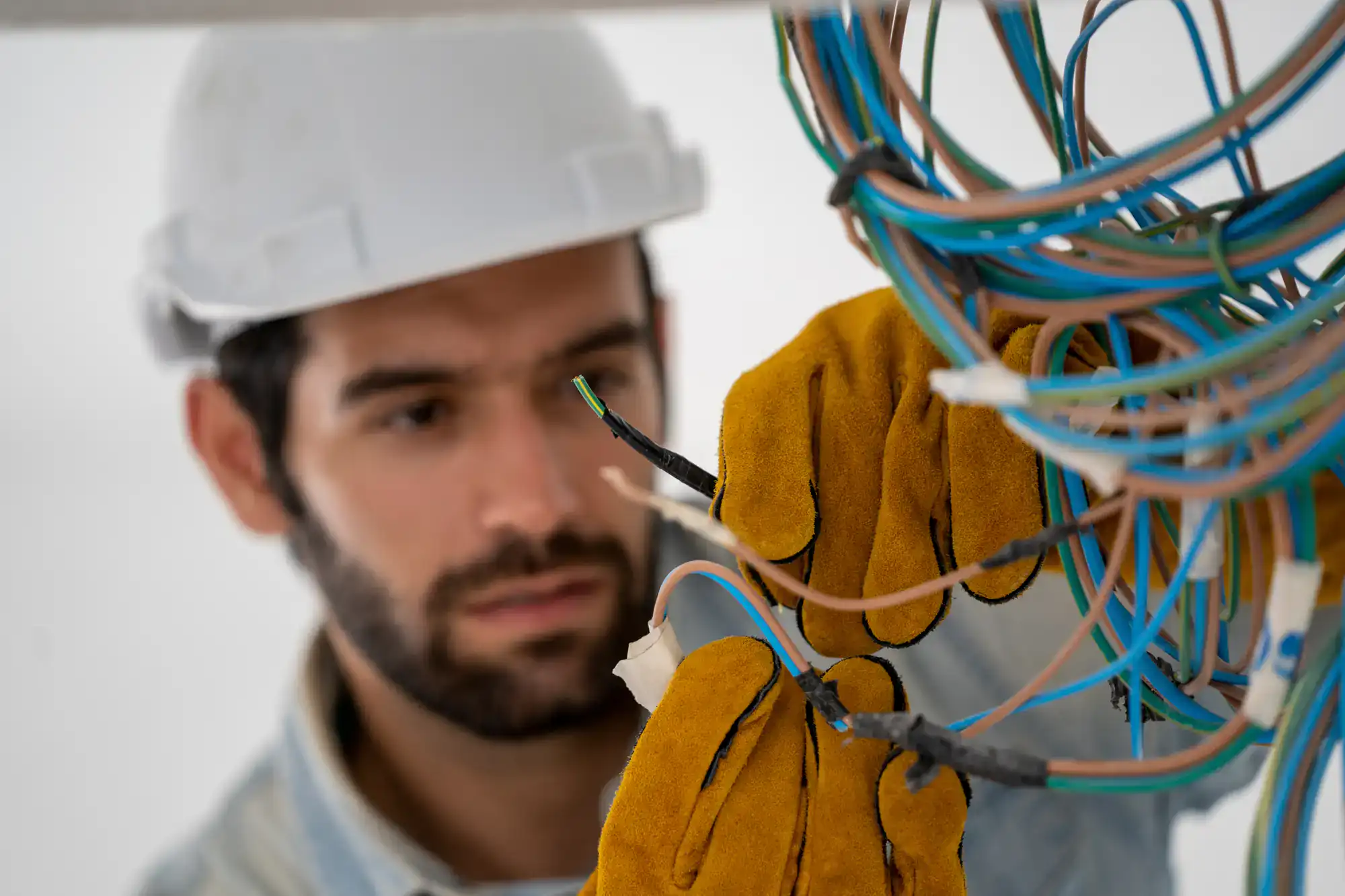
240V Hot Tub Wiring and GFCI Installation in Aloha, OR
Every hot tub electrical installation we complete in Aloha covers the full scope of what Oregon code and your hot tub manufacturer require. That means a dedicated 240V circuit – nothing shared with other appliances or outlets – run through weatherproof conduit from your electrical panel to the hot tub location. The circuit gets a properly sized GFCI breaker, which is the breaker type that actually protects people near water by cutting power in milliseconds if something goes wrong. A standard breaker doesn’t do that.
The disconnect box gets mounted within line of sight of the hot tub, at the code-required distance, in a weatherproof outdoor-rated enclosure. Equipotential bonding – the step that ties together all the metal components around the tub to prevent dangerous voltage differences in the water – is included and done to NEC Article 680 standards. This is the step that unlicensed contractors and handymen most commonly skip, and it’s one of the things the Washington County inspector will check.
For Aloha homes where the panel needs additional capacity, we can assess whether a subpanel addition or a service upgrade is the right path. That conversation happens during the free estimate – not mid-job. Aloha’s cool, rainy falls and winters make a hot tub genuinely useful for most of the year, so getting the installation done right the first time matters more here than in places where the tub sits covered for half the year.
Do I need a permit for hot tub electrical installation in Aloha, OR?
Yes – and in Aloha specifically, that permit comes from Washington County Building Services, not from the City of Beaverton or the City of Hillsboro. Because Aloha is an unincorporated community, your permitting authority is the county. A lot of residents don’t realize this until they’re already trying to figure out who to call.
The permit is required by Oregon state law for any 240V electrical installation, and the county requires both a CCB license number and a BCD electrical license number on the application. We hold both, file the permit, and schedule the county inspection. You don’t have to navigate any of that yourself. The inspection is what confirms the wiring is safe, legal, and recognized by your homeowner’s insurance – skipping it creates real problems if you ever file a claim or sell the home.
What size breaker does a 240V hot tub need, and why does it matter?
Most full-size 240V hot tubs require a 50-amp dedicated circuit with a Class A GFCI breaker. The GFCI part is what matters most from a safety standpoint. A standard breaker protects your equipment from overloads. A GFCI breaker protects people by detecting ground faults – tiny electrical leaks that can occur near water – and cutting power within milliseconds. In a wet environment like a hot tub, that’s the difference between a shock and something much worse.
The “dedicated” part means nothing else runs on that circuit – no outdoor lights, no outlets, no other appliances sharing the breaker. That’s not optional; it’s what the 2023 Oregon Electrical Specialty Code requires. We size the breaker based on your specific hot tub’s electrical specifications, which vary by manufacturer and model, so the first step is always confirming what your tub actually needs before any hardware gets ordered.
My Aloha home was built in the 1980s - will my panel support a hot tub?
It might, but it needs to be checked before anyone assumes. Homes built in the 1970s and 1980s – which make up a large portion of Aloha’s housing stock – were commonly wired with 100-amp service panels at a time when nobody was planning for a 240V hot tub circuit. Even homes with 200-amp panels from that era can be fully loaded with no open slots for a new 50-amp breaker.
When we come out for your free estimate in Aloha, panel assessment is part of the visit. We’ll look at your current service capacity, check for available breaker slots, and tell you plainly what your options are. Sometimes the panel is fine and the installation is straightforward. Sometimes a subpanel is the right call. Either way, you’ll know before the job starts – not partway through it. That upfront honesty is the whole point of the free estimate.
Will improper hot tub wiring void my manufacturer warranty or insurance coverage?
Yes to both, and this comes up more often than people expect. Most hot tub manufacturers include a clause in their warranty that requires the electrical installation to be performed by a licensed professional. If the work was done by a handyman, an unlicensed contractor, or the homeowner without a permit, the manufacturer can – and often does – deny warranty claims when something goes wrong with the tub’s electrical components.
On the insurance side, unpermitted electrical work creates a coverage gap. If a fire or electrical incident occurs and the investigation reveals the wiring wasn’t permitted or inspected, your homeowner’s insurance policy may not cover the claim. In Washington County, where the permit and inspection process runs through county building services rather than a city department, it’s worth being especially clear about who’s handling that process. We pull the permit, do the work to current Oregon code, and get the county inspection completed – so your warranty stays intact and your coverage isn’t at risk.
How far does the disconnect box need to be from the hot tub?
The disconnect box – sometimes called the spa panel or emergency shutoff – has to be placed no closer than 5 feet from the hot tub and no farther than the distance specified in your local code, with a clear line of sight to the tub so someone can reach it quickly in an emergency. It also has to be mounted in a weatherproof, outdoor-rated enclosure.
The exact placement depends on your backyard layout and where the conduit run makes sense given your panel location. In Aloha, where many homes have standard suburban lot configurations with the panel on an interior wall and the hot tub positioned on a back patio or deck, the conduit often runs through the house or underground along the exterior. We determine the cleanest, most code-compliant route during the site visit and walk you through where the disconnect will land before any work begins.
When is the best time of year to schedule hot tub electrical installation in Aloha?
Honestly, any time of year works in Aloha – the climate here doesn’t shut down outdoor electrical work the way harsh winters do in other parts of the country. That said, the most motivated window tends to be late summer through early fall, roughly August through October, when homeowners are thinking ahead to the rainy season. Aloha gets around 40 inches of rain a year, concentrated in fall and winter, and a working hot tub in that weather is genuinely useful – not just a luxury.
That urgency drives a real scheduling spike in September and October. Spring sees another wave of installs from homeowners who received tubs over the holidays and waited for better weather to get the wiring done. Summer is the peak new-purchase season, so scheduling tends to fill up faster. If you have flexibility, late summer gives you enough lead time to be ready when the fall rains arrive. We start at 7am, which helps working homeowners get installations scheduled without burning a full day off.
Useful Links